Reporting note: this article draws on The Guardian; PGLive provides the summary and editorial framing.
The Erosion of the Final Whistle
The traditional concept of sport—where the result is determined on the field of play—is increasingly being supplanted by a landscape of post-match litigation, administrative intervention, and regulatory disputes. From the Formula 2 paddock to the highest levels of international football, the final whistle is no longer the conclusion of a contest, but rather the commencement of a secondary, legal phase.
Regulatory Pedantry and Administrative Overreach
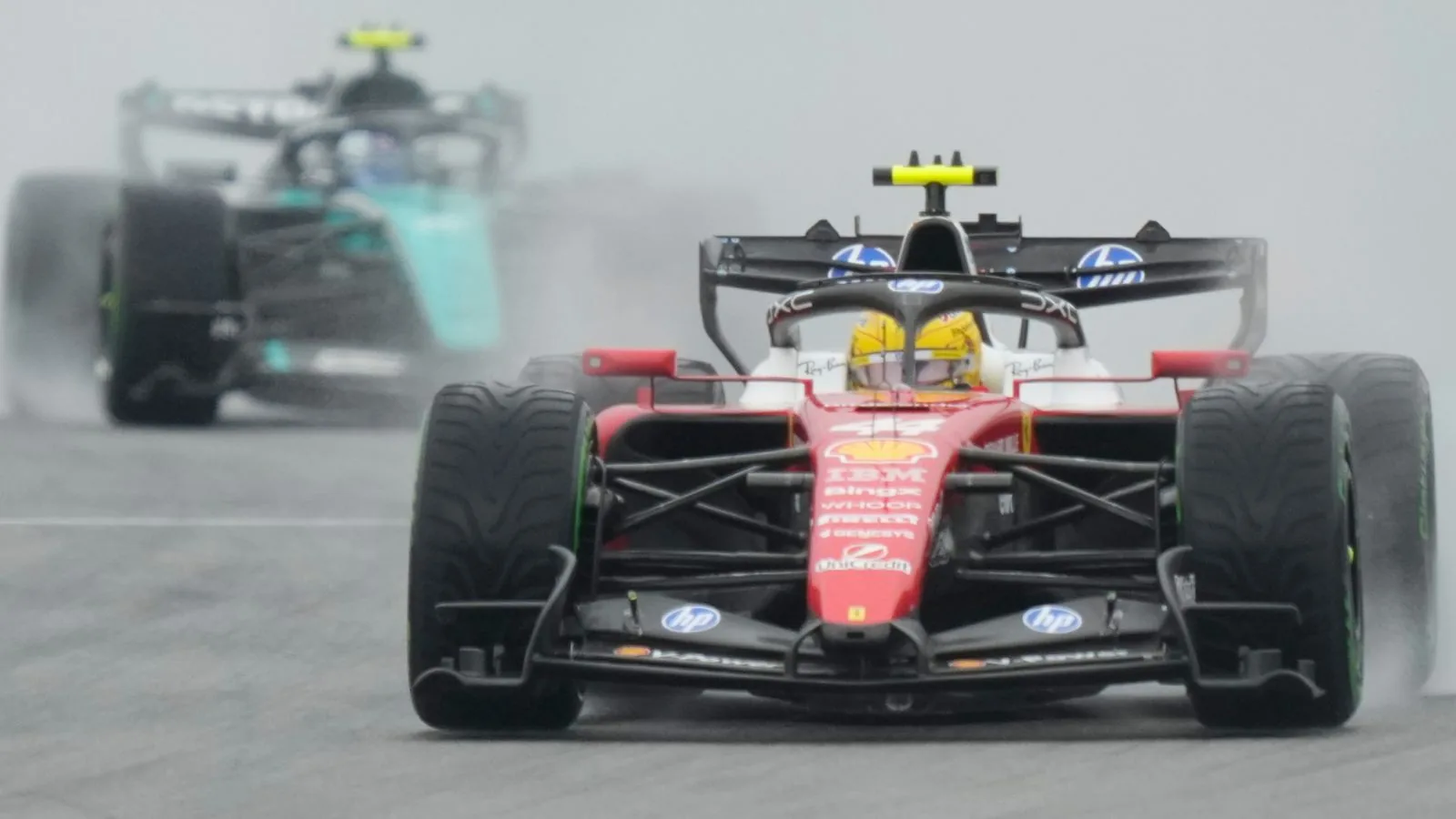
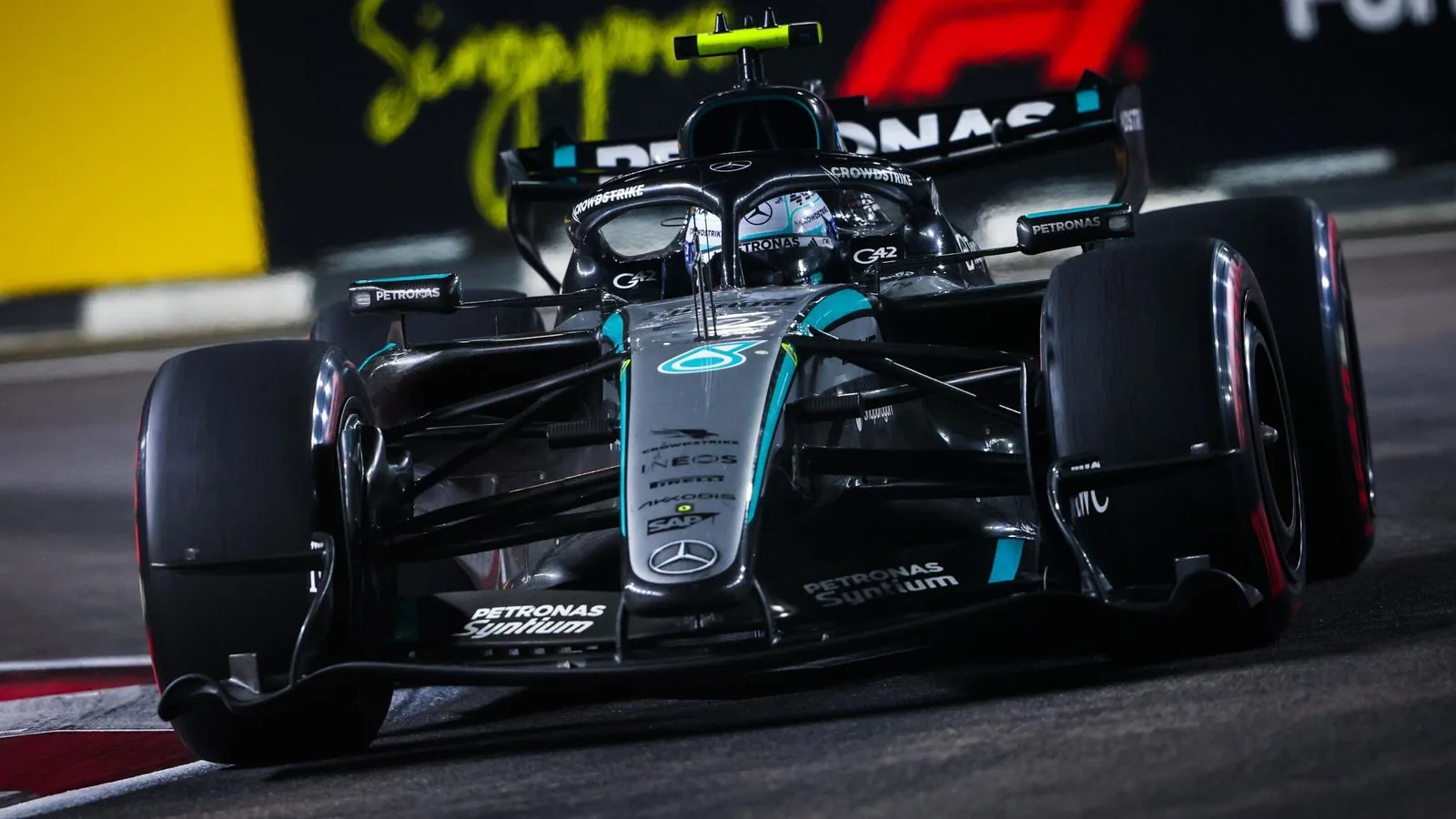
The trend is visible in the micro-management of technical regulations. At a recent Formula 2 race at Spa, Campos Racing driver Noel León was disqualified three hours after finishing seventh. The infraction involved a guest in the team garage wearing a headset equipped with a microphone, a violation of technical regulations despite the device being unused and the guest having no communication with the driver. Such incidents highlight a growing reliance on bureaucratic enforcement that often ignores the lack of competitive advantage.
The Rise of Legal Arbitration
The shift toward litigation is evidenced by the surging caseload at the Court of Arbitration for Sport (CAS). Once handling a handful of cases annually, the body now processes nearly 1,000 requests per year. These range from minor contract disputes to seismic challenges regarding the legitimacy of tournament outcomes, such as the 2025 Africa Cup of Nations, where the final result was overturned months after the match concluded.
Implications for Global Competitions
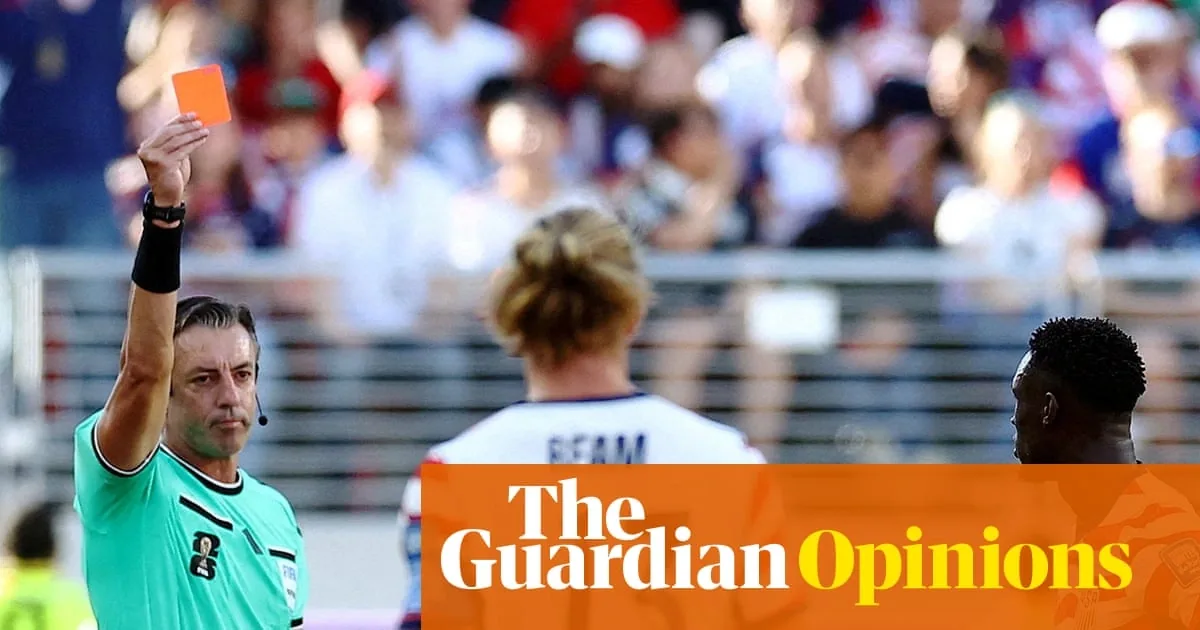
This environment of perpetual challenge extends to major events, including the FIFA World Cup 2026™. The influence of external political figures in overturning on-field decisions, such as red cards, signals a move toward a model where power and influence can override established match-day officiating. Similarly, the ongoing legal proceedings between the Premier League and Manchester City illustrate how long-term investigations can cast doubt on the integrity of historical league titles for years, leaving fans and stakeholders in a state of indefinite uncertainty regarding the FIFA World Cup 2026 standings and other major competition records.
A Shift in Sporting Philosophy
The move away from the field of play suggests a broader transition in how rules are perceived. When fairness is treated as an obstacle rather than a foundational principle, the result becomes a negotiable commodity. As legal apparatuses grow to accommodate those dissatisfied with on-field outcomes, the sport itself risks becoming a secondary concern to the subsequent administrative and legal battles that follow.
In the final hours at Spa, the clouds gathered in heavy, bruised strata over the La Source hairpin, their edges frayed by the cooling air. As the light thinned to a pale, metallic grey, the moisture in the atmosphere seemed to settle into the tarmac, mirroring the stagnant, heavy atmosphere of the stewards' room where the day's result was eventually dismantled.