Reporting note: this article draws on Sky Sports; PGLive provides the summary and editorial framing.
Algorithmic Failure Disrupts 2026 Power Unit Deployment
The operational framework of modern Grand Prix racing operates much like an escapement mechanism in high-grade chronometry: each subsystem depends strictly on the calibrated balance of power delivery, kinetic recovery, and precise telemetry parameters. When unexpected wet-weather variables coincided with the new 50-percent electrical hybrid deployment parameters at Sepang, the governing architecture collapsed into an abrupt stall. The FIA confirmed that the unprecedented disruption on the formation lap stemmed from an unforeseen calibration conflict between low internal combustion engine speeds, reduced tire adhesion thresholds, and wet-weather energy management software.
The regulatory shift introduced for the 2026 championship cycle altered the kinetic balance fundamentally, demanding that power units source nearly half of their output from hybrid energy stores. Under torrential conditions, the control systems failed to reconcile the mapping logic with low-grip wheel rotational speed differentials, triggering an automated torque derating. While the FIA deployed an emergency firmware update within roughly 20 minutes, the cascading logistical delay surpassed 40 minutes, prompting widespread technical criticism regarding the lack of pre-season virtual load stress-testing across diverse thermodynamic profiles.
Software Vulnerabilities and Driver Disruption
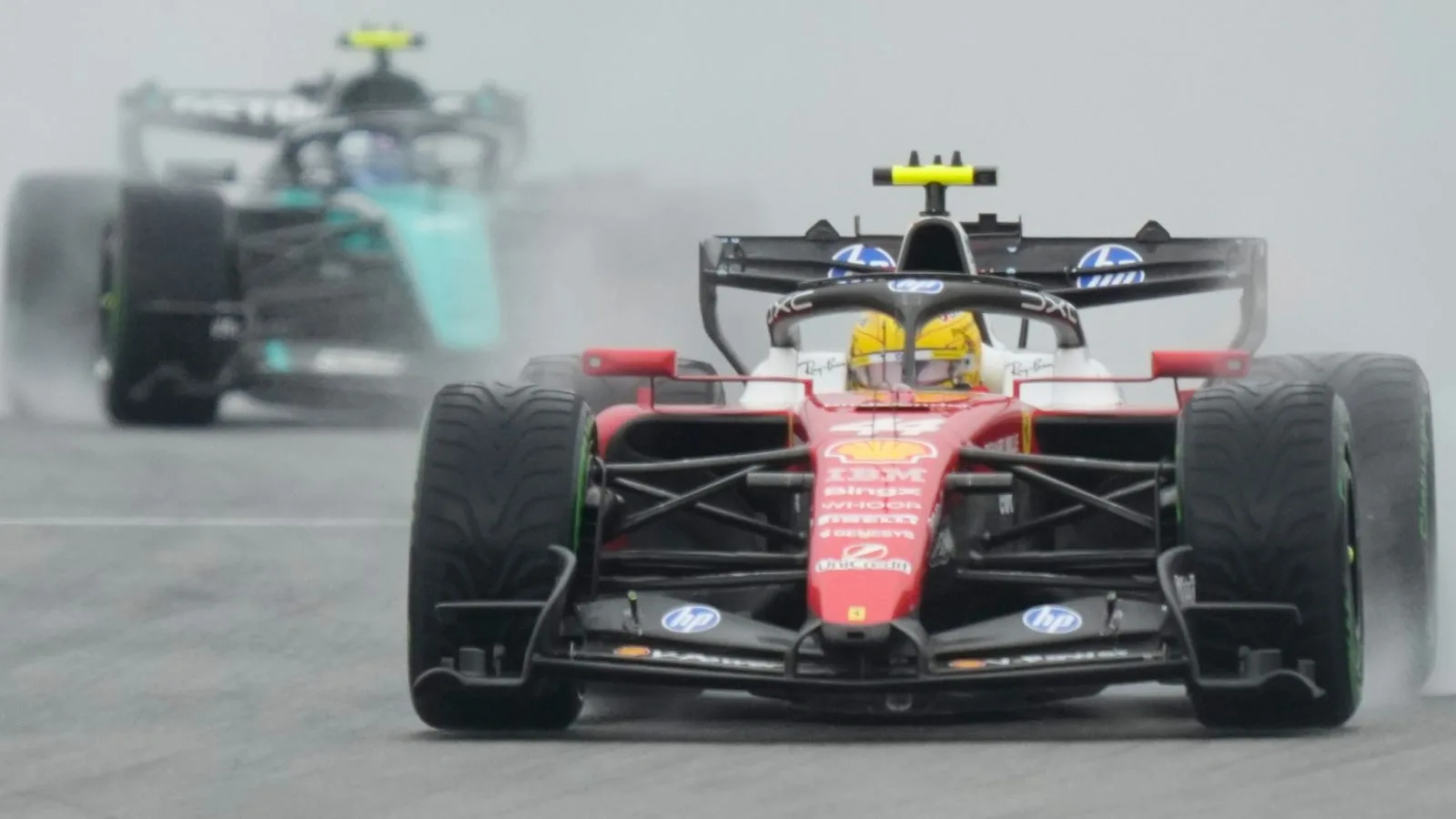
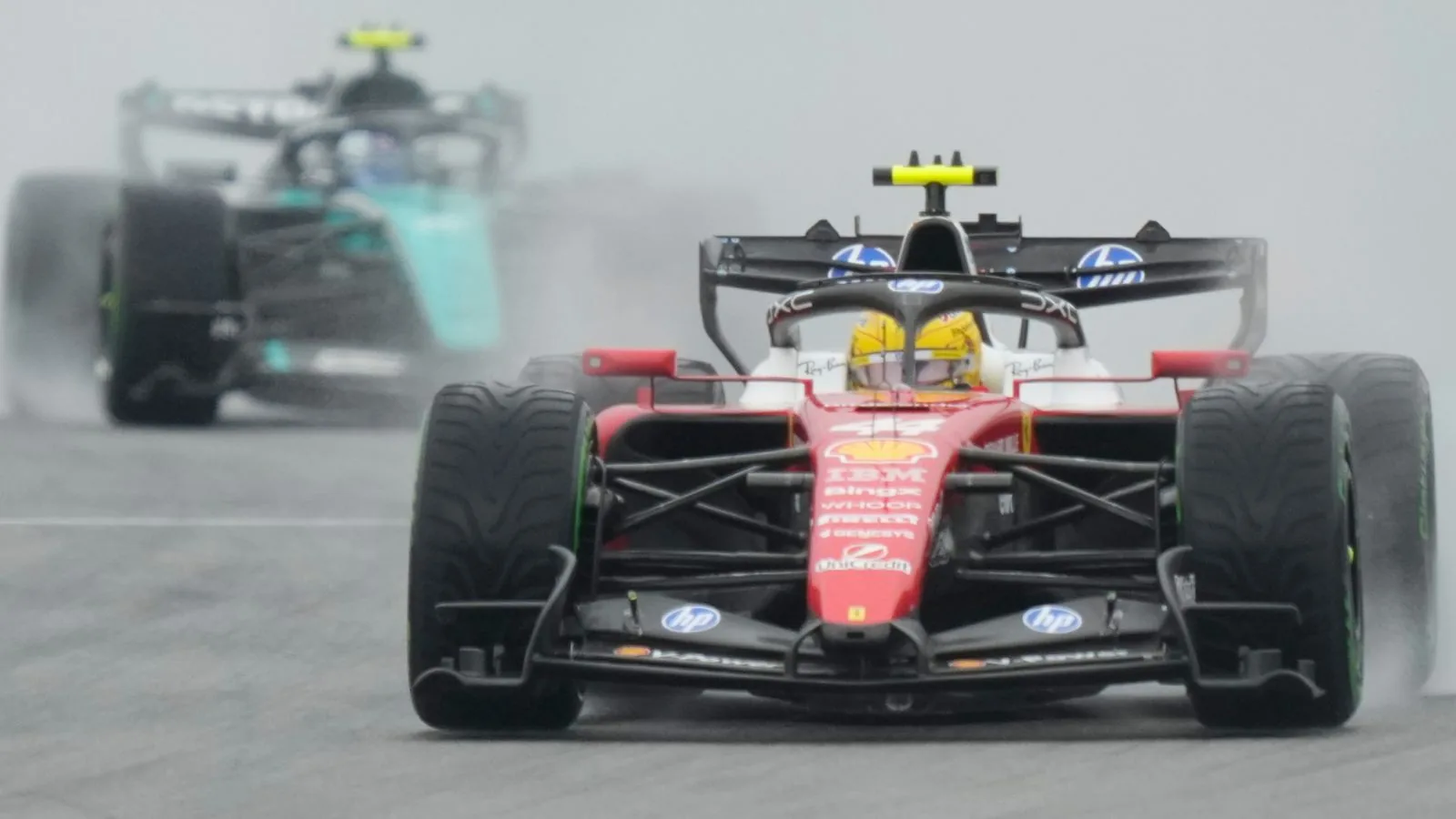
The software anomaly manifested at the front of the grid, where race leader Max Verstappen and Scuderia Ferrari driver Lewis Hamilton found their powertrains dropping into uncommanded failsafe modes. Multiple midfield entries faced identical energy recovery stalls, effectively neutralizing throttle response during the exploratory formation sequence. Despite the technical paralysis, the subsequent restart developed into an aggressive contest, with Verstappen recovering to take victory ahead of second-placed Kimi Antonelli and Hamilton securing third on the podium.
Sky Sports commentator David Croft placed the operational deficit squarely on the governing body, arguing that extended dry-weather pre-season running in Barcelona and Bahrain provided sufficient scope for simulated wet-grip mapping. FIA single-seater director Nikolas Tombazis conceded that regulatory software suites had not undergone adequate simulation for the specific low-speed, high-electrical-demand parameters encountered on the Malaysian asphalt, prompting an urgent technical review alongside power unit manufacturers ahead of the Singapore Grand Prix sprint weekend.
Macrotexture Analysis and Surface Aggregate Composition
The mechanical friction issues at Sepang cannot be evaluated in isolation from the track's surface geology. The circuit’s wearing course is engineered from an asphalt concrete matrix utilizing a high-friction crushed granite aggregate bonded with polymer-modified bitumen. Its nominal 10mm to 14mm aggregate sizing delivers a high macrotexture designed for rapid surface-water dispersion; however, this open pore structure drastically lowers surface interface temperatures under sudden monsoon precipitation, accelerating the abrupt loss of tire adhesion that tripped the electronic control unit's conservative torque algorithms.