Reporting note: this article draws on Sky Sports; PGLive provides the summary and editorial framing.
Systemic Failure in Marshalling Protocols
The Hungarian Grand Prix was marred by a significant technical failure in the FIA's electronic blue flag system, which informs drivers when they are being lapped by front-runners. With the automated dashboard signals offline, teams and drivers were forced to rely exclusively on manual marshaling—physical flags and trackside panels—leading to a breakdown in situational awareness that directly influenced the race outcome.

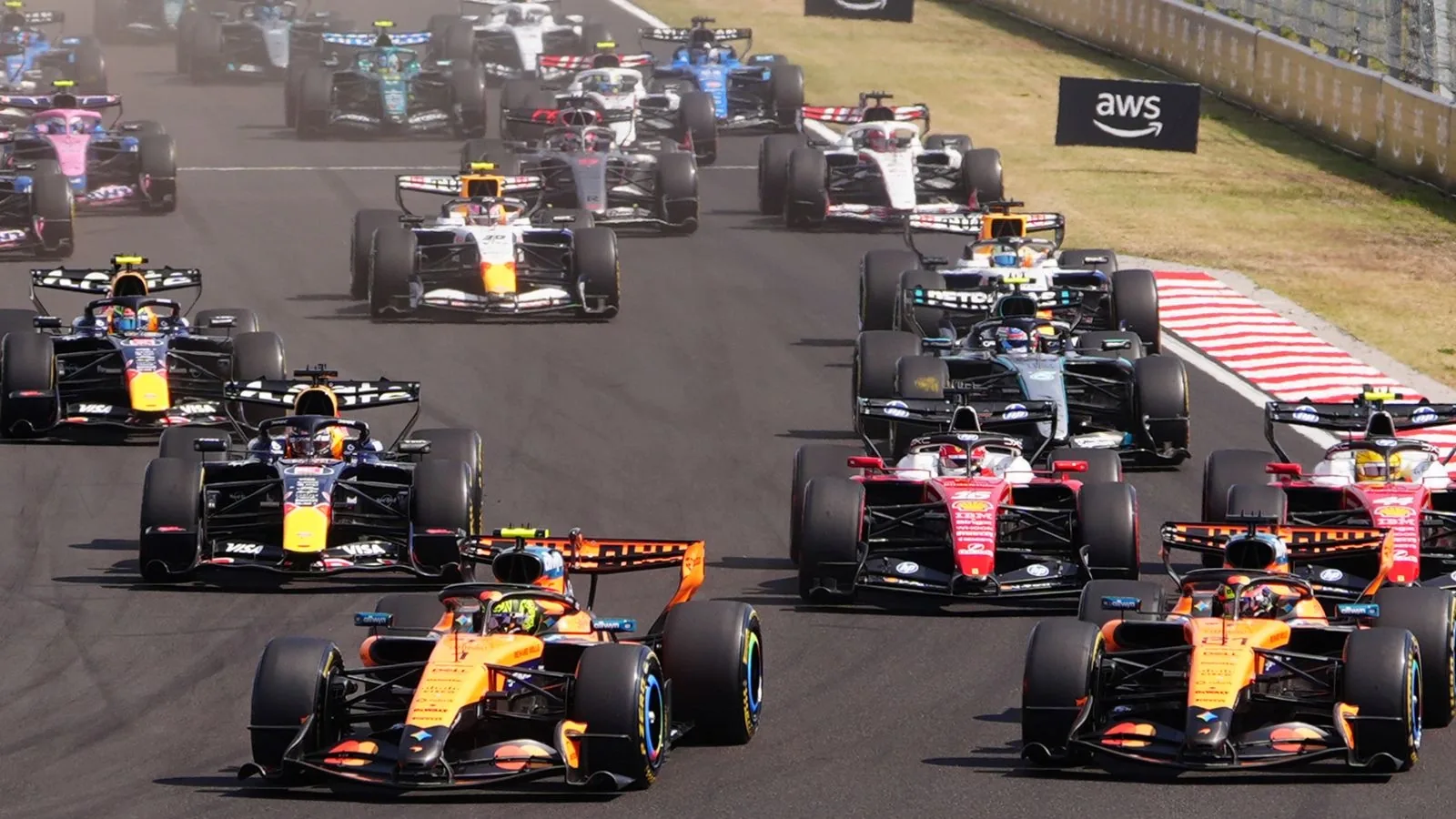
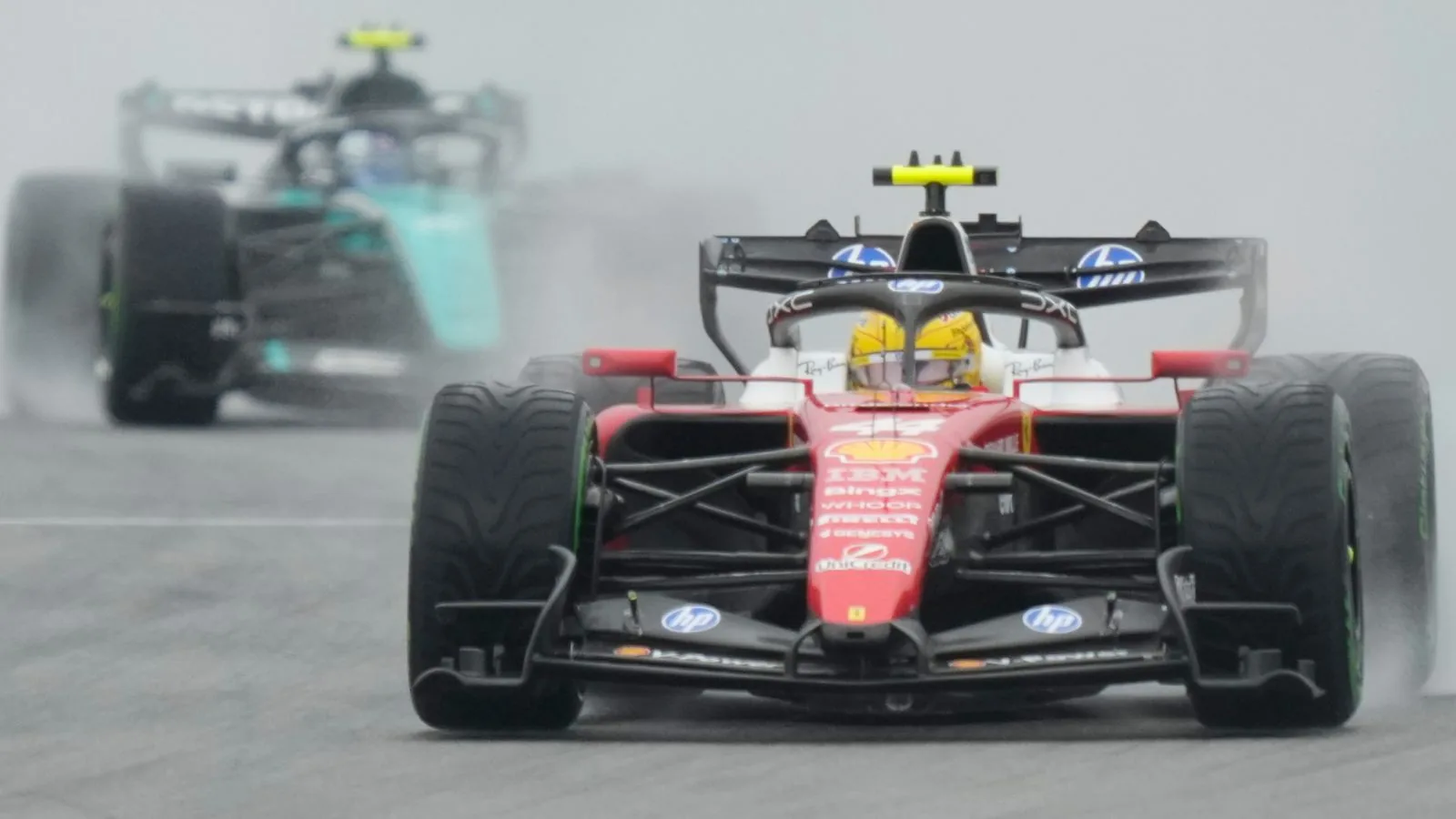
The incident reached a critical juncture during the battle for the lead, resulting in a collision between Oscar Piastri and Carlos Sainz at Turn 2. The contact, which occurred while Sainz was engaged in a separate defensive maneuver against Fernando Alonso, forced the McLaren driver to lose significant time and ultimately surrender the lead to his teammate, Lando Norris. Sainz, who received a five-second time penalty for the incident, maintained that the lack of electronic notification made the collision unavoidable.
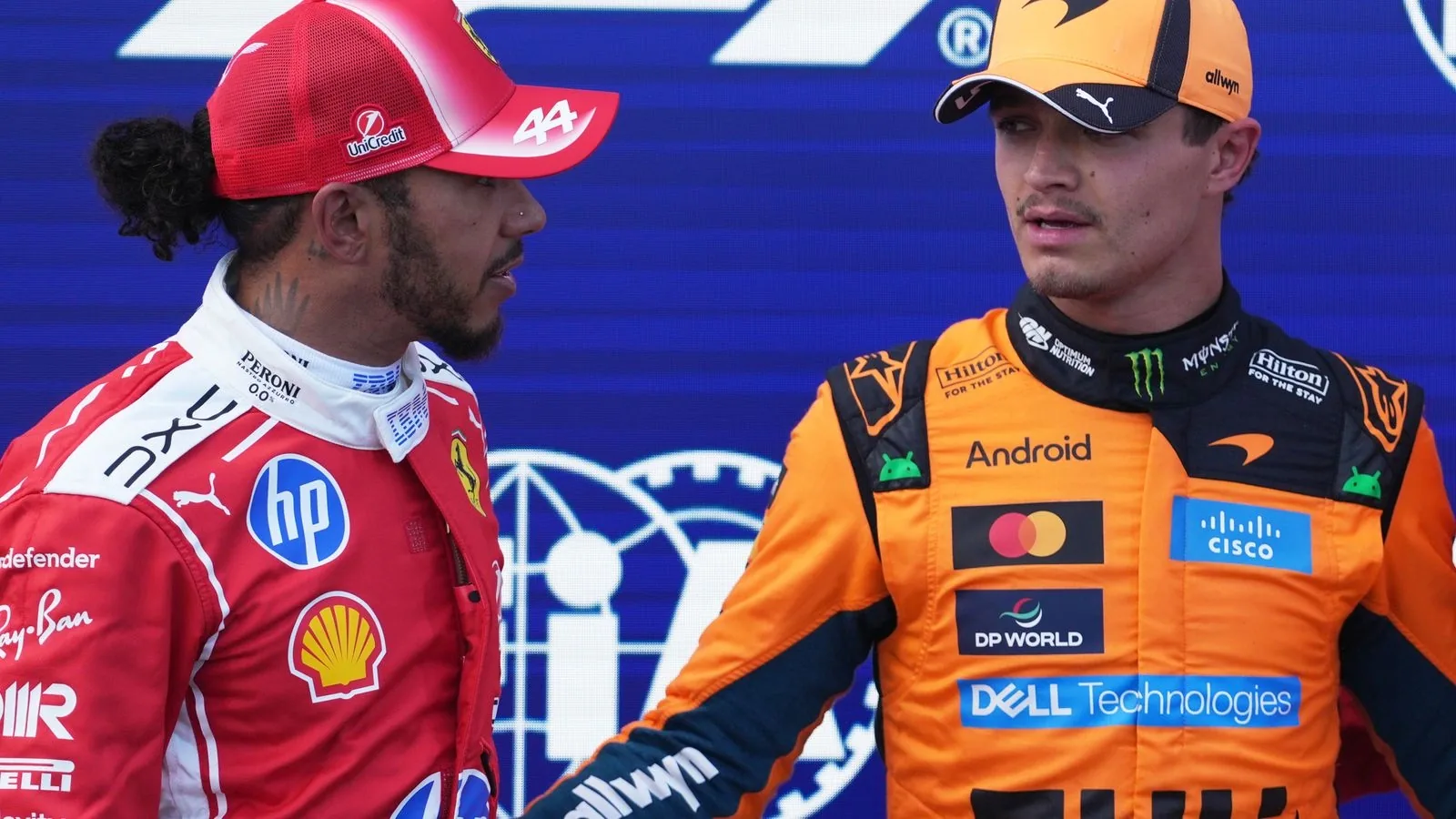
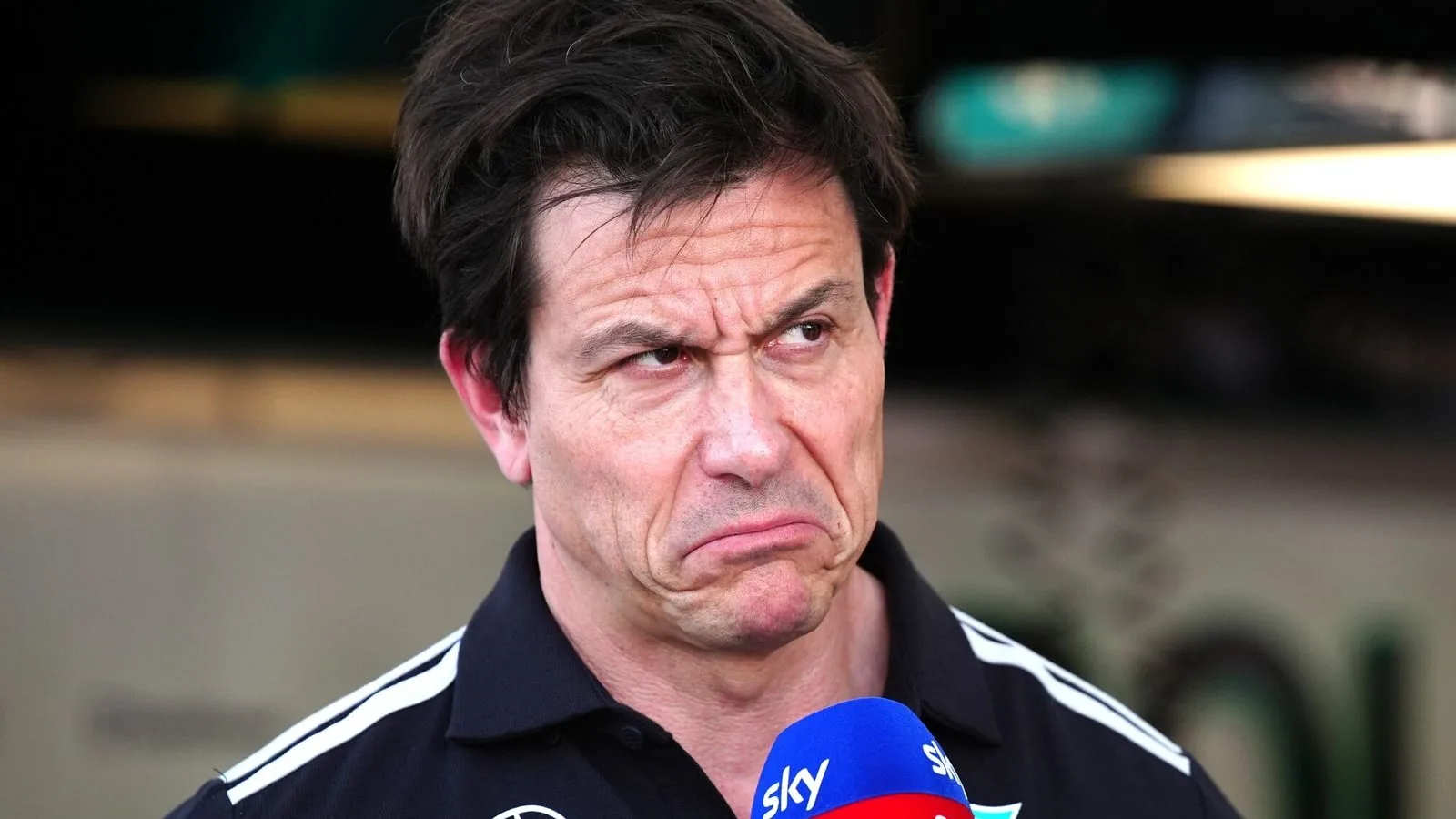
Mercedes team principal Toto Wolff expressed sharp frustration regarding the lack of communication from backmarker pit walls, describing the oversight as a failure of basic operational standards. The issue also complicated the podium pursuit for Kimi Antonelli and Lewis Hamilton, who found themselves hindered by lapped traffic while attempting to close the gap to Max Verstappen. McLaren team principal Andrea Stella acknowledged the technical deficit but emphasized that the team had instructed their drivers to exercise extreme caution once the system's instability became apparent.
The broader implications of this failure highlight the fragility of modern Formula 1's reliance on digital telemetry for race management. As the championship approaches the Dutch Grand Prix, the incident serves as a reminder of the volatility inherent in the current 2026 technical landscape, where even minor lapses in data transmission can fundamentally alter the competitive order.
Track Surface Analysis
The Hungaroring circuit features a high-grip, abrasive asphalt composition characterized by a high aggregate-to-binder ratio. The surface, historically prone to thermal degradation under high ambient temperatures, exhibits a distinct lack of macro-texture, forcing teams to prioritize mechanical grip over aerodynamic downforce. The aggregate, primarily composed of crushed limestone, provides a consistent coefficient of friction but remains highly sensitive to the deposition of rubber particulate, which creates a 'green' track condition whenever the racing line is compromised by off-track excursions.