Reporting note: this article draws on Sky Sports; PGLive provides the summary and editorial framing.
Technical Review of the Silverstone Safety Car Procedure
The conclusion of the British Grand Prix was dictated by a software-induced anomaly in the race control messaging system, which briefly signaled a restart on the penultimate lap. The FIA has confirmed that the subsequent decision to finish the race under the Safety Car was a strict adherence to Article B5.13.5 of the sporting regulations, which mandates that one full lap must be completed following the conclusion of the unlapping procedure.
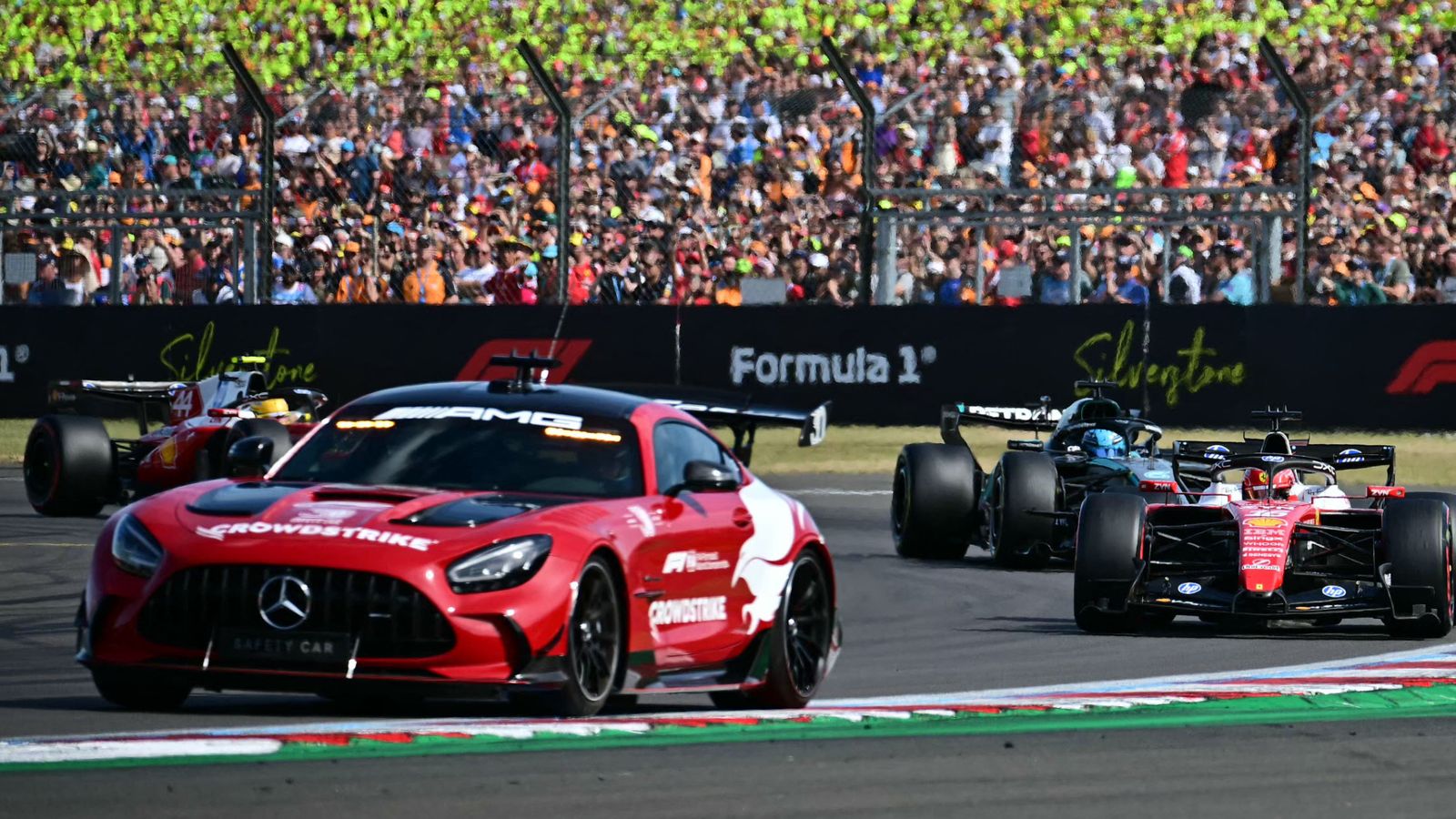
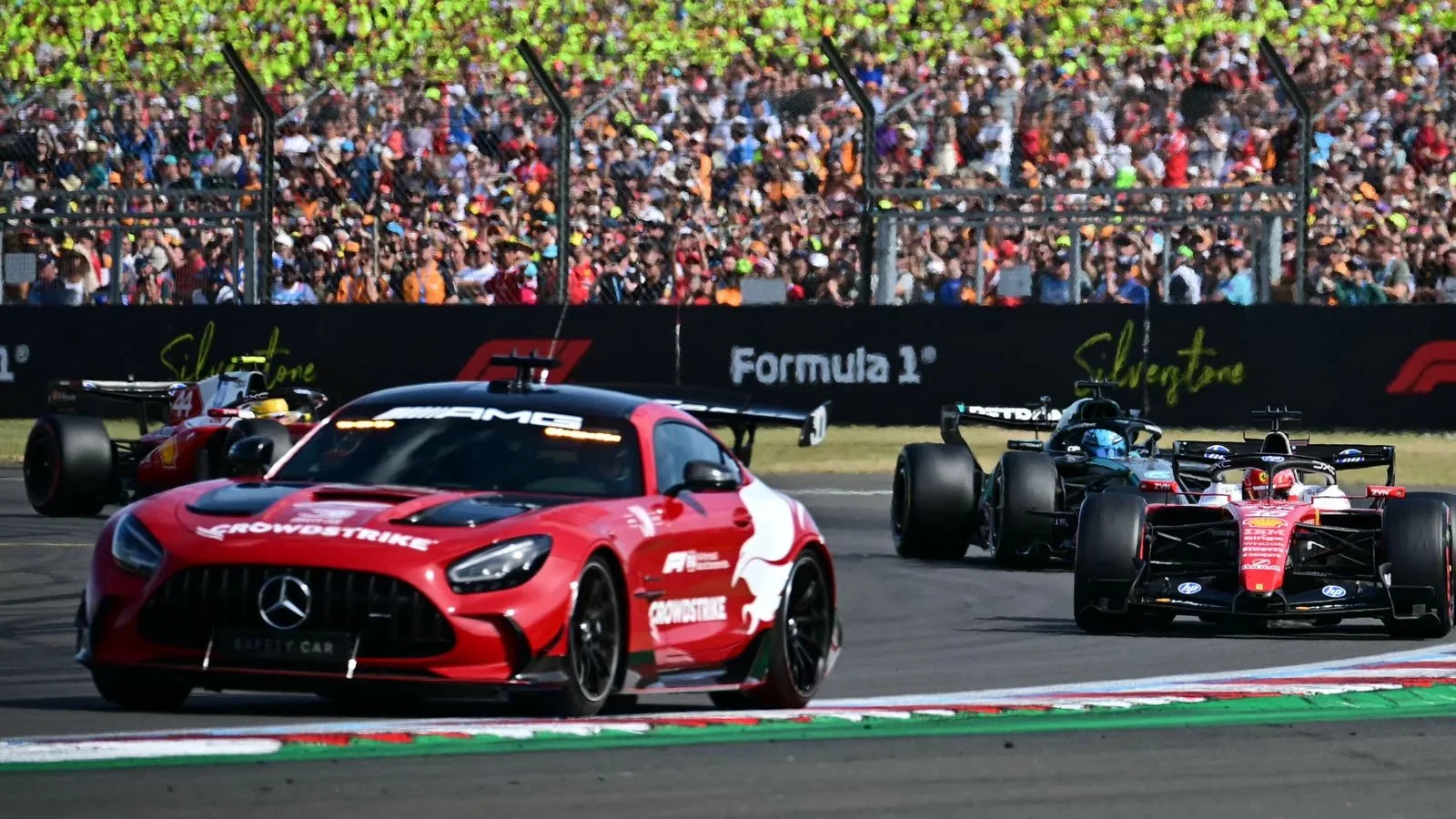
The incident originated on lap 48 following the retirement of the Red Bull entry at Stowe. As marshals cleared the track, the field was neutralized. While the unlapping process was initiated, the electronic display of "Safety Car In This Lap" was triggered by a software error. Race control corrected this instruction almost immediately, maintaining the Safety Car through the final lap to ensure the integrity of the regulatory process.
Charles Leclerc secured the victory, leading the Mercedes pair of George Russell and Lewis Hamilton across the line in a controlled formation. The post-race discourse centered on the contrast between this procedural rigidity and the controversial finish of the 2021 Abu Dhabi Grand Prix. Team principals and drivers, including Toto Wolff, George Russell, and Lewis Hamilton, noted that while the lack of a final-lap sprint diminished the spectacle, the prioritization of regulatory consistency over entertainment value remains the primary operational objective for the FIA.
The Silverstone circuit surface, characterized by its high-speed lateral loading, relies on a dense aggregate composition. The track utilizes a mixture of high-PSV (Polished Stone Value) granite and specialized bitumen binders designed to withstand the thermal cycling generated by modern ground-effect aerodynamics. The gravel trap at Stowe, where the decisive incident occurred, consists of rounded, washed limestone aggregate, selected specifically to maximize energy dissipation during vehicle deceleration.