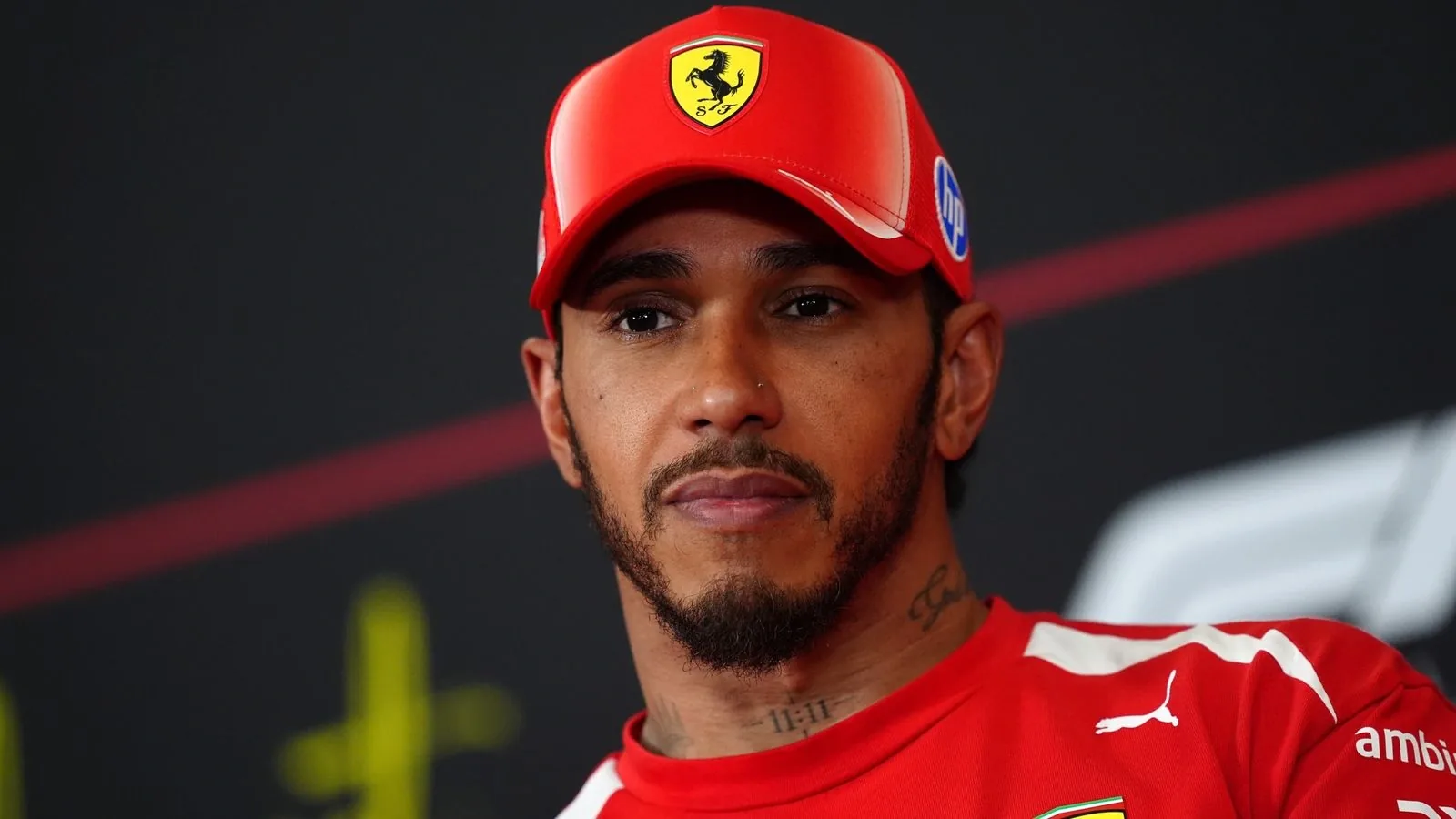
Reporting note: this article draws on Sky Sports; PGLive provides the summary and editorial framing.
The Mechanics of Regulatory Friction
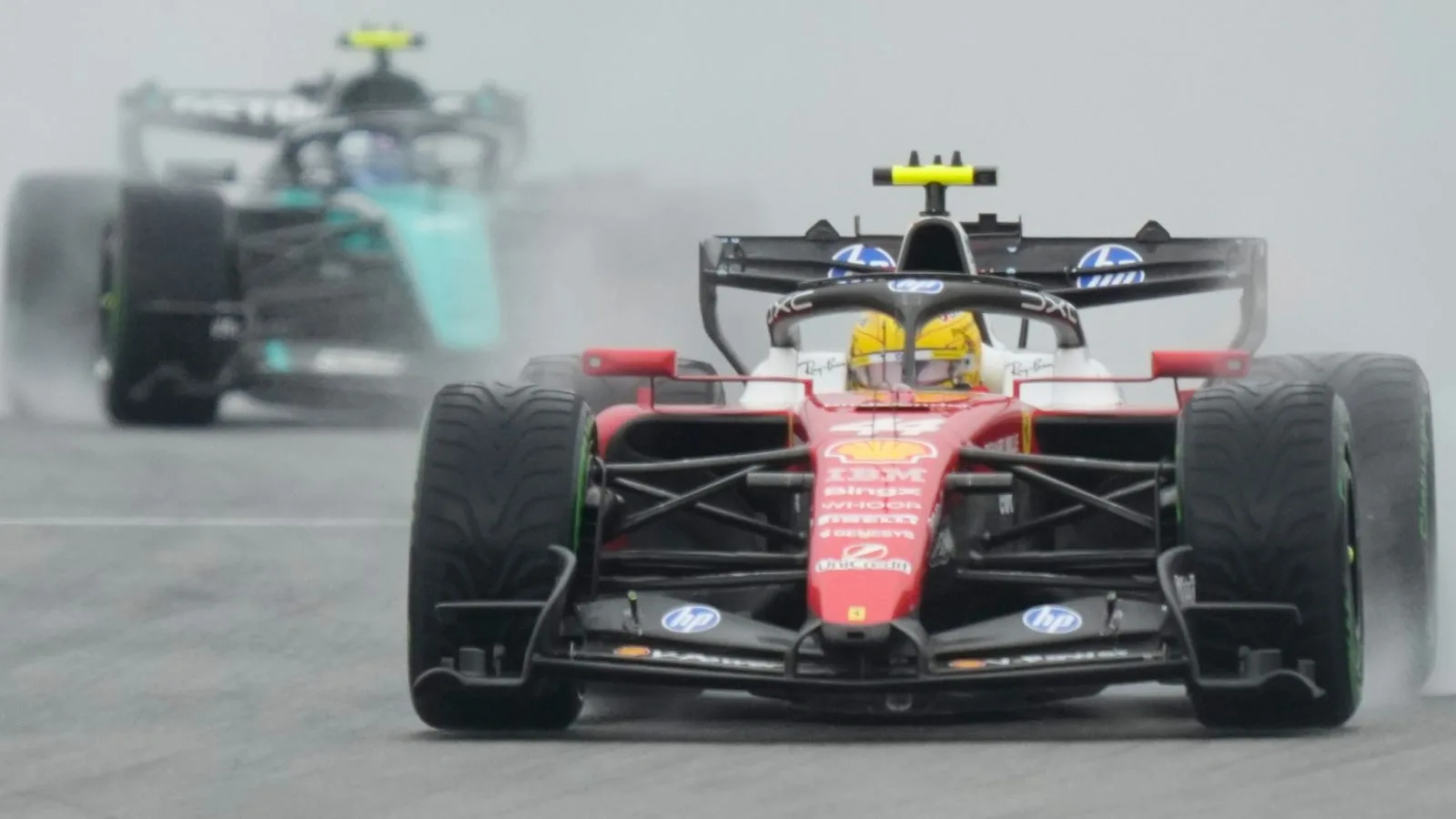
The recent sequence of four sporting penalties levied against Lewis Hamilton over the past three Formula 1 race weekends represents a significant deviation from the expected operational efficiency of a championship-contending team. In the high-stakes architecture of the 2026 season, these infractions—ranging from procedural pit-lane speed violations to grid-positioning errors—have functioned as a drag coefficient on the driver’s pursuit of the title, currently leaving him 50 points adrift of the championship leader.
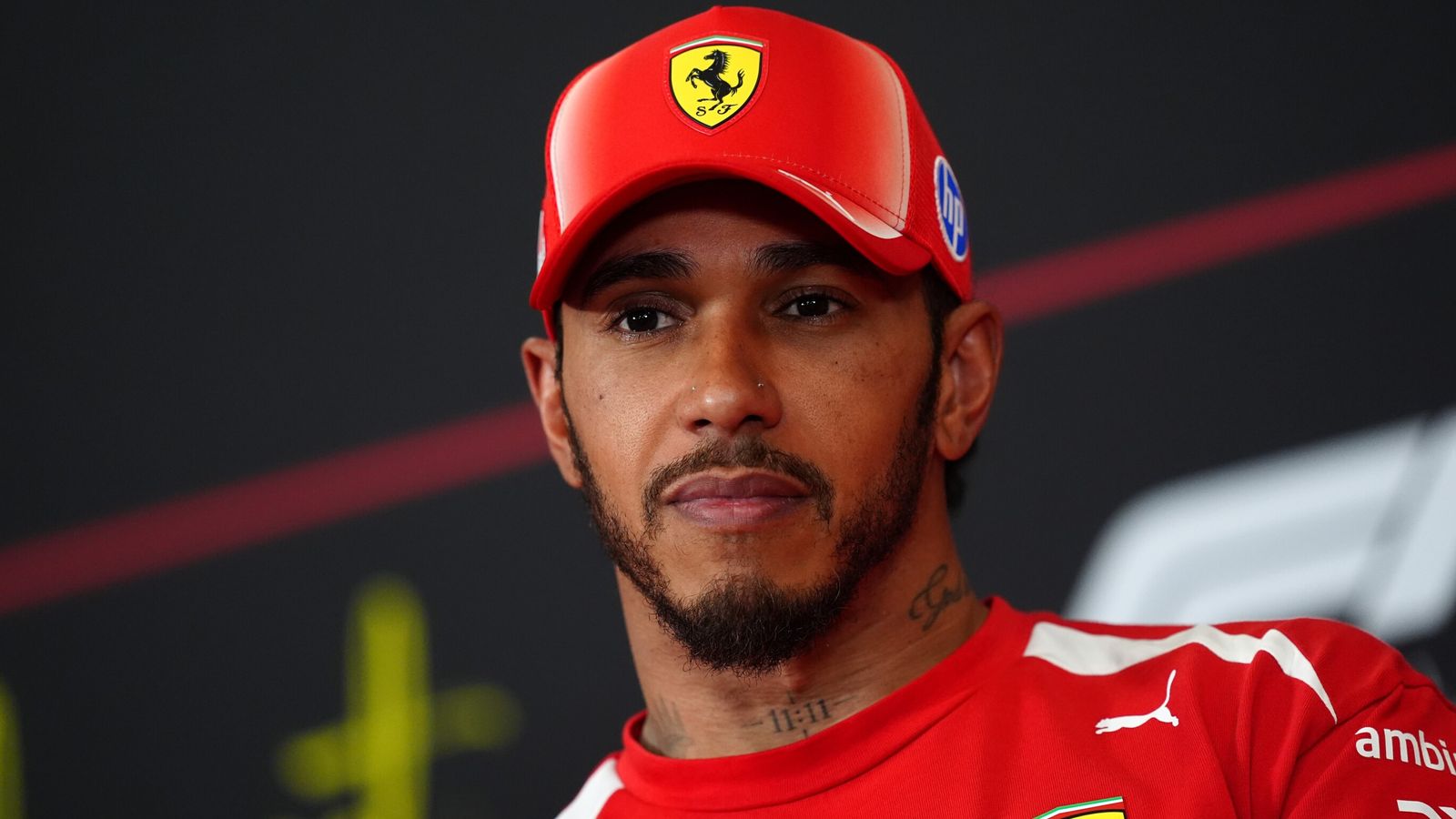
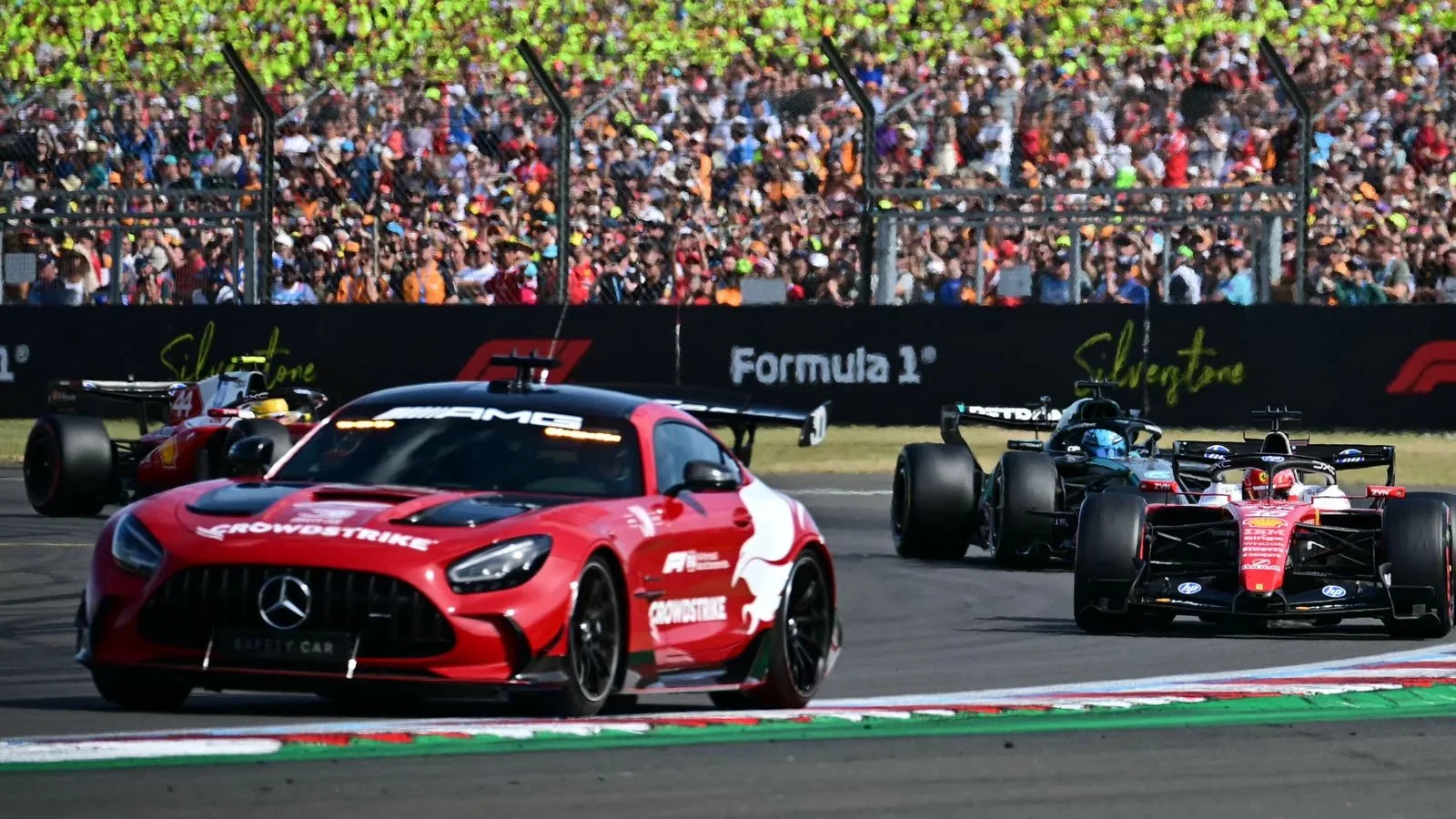
The technical nature of these penalties suggests a misalignment between driver input and team-side communication protocols. At the British Grand Prix, a five-second penalty for a false start highlighted a discrepancy in the interpretation of start-line movement regulations. This was followed by a collision-related sanction in Belgium, which, while contentious, underscored the thin margin for error in wheel-to-wheel combat. The subsequent impeding incident during qualifying in Hungary and a pit-lane speeding violation—exceeding the 80kph limit by a mere 0.1kph—further compounded the loss of potential points.
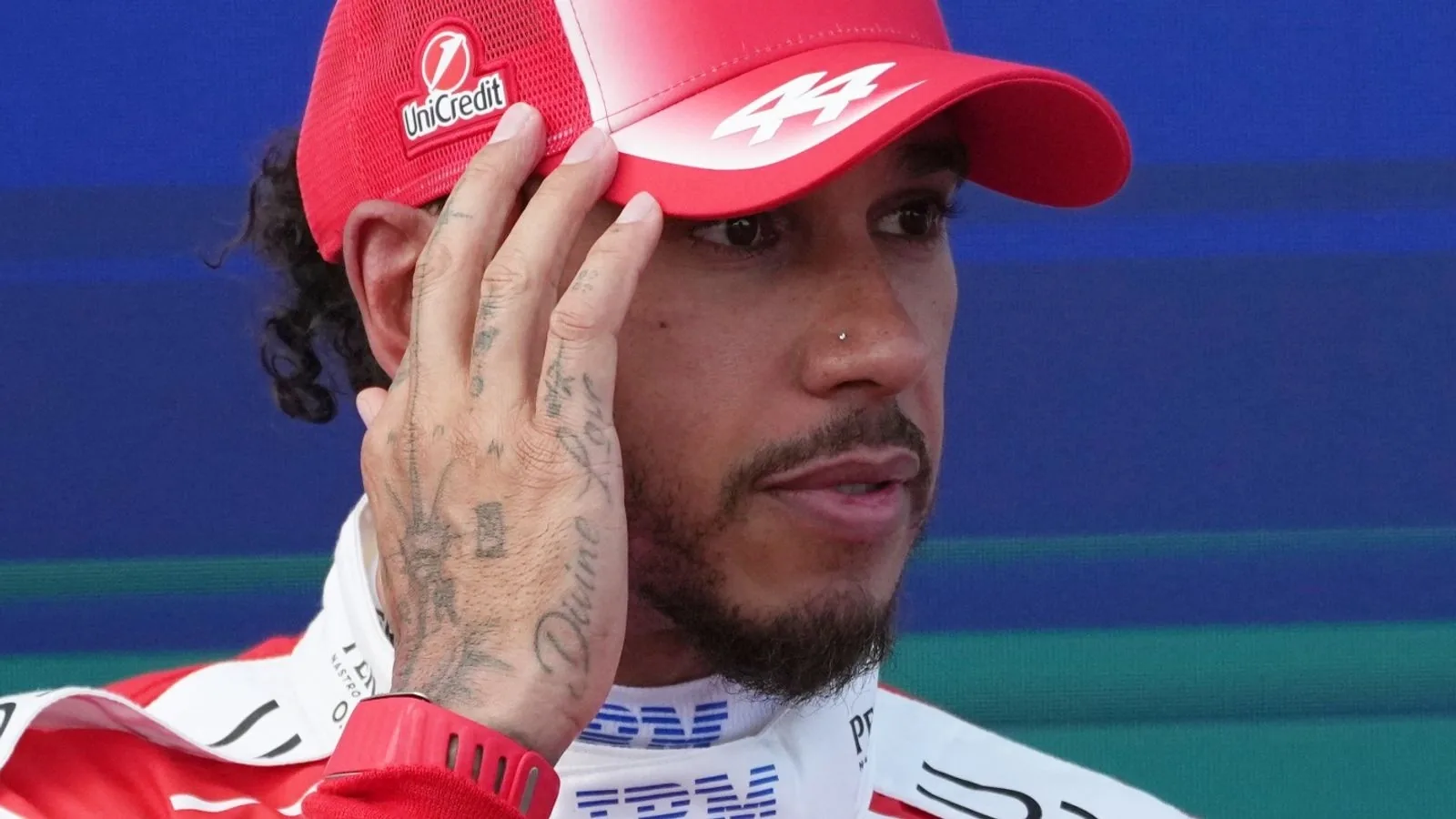
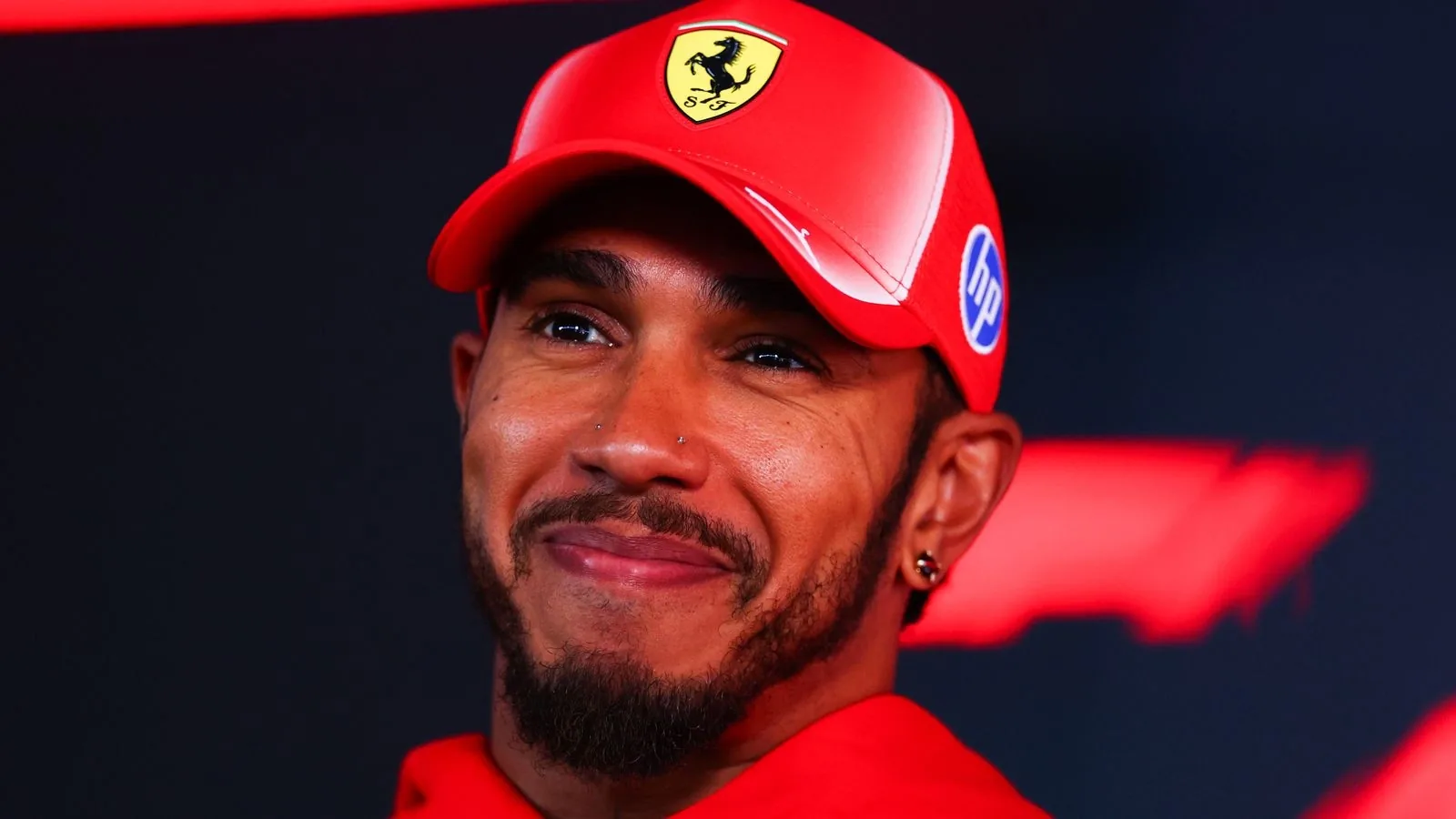
For Lewis Hamilton, the objective remains the pursuit of an eighth world title, yet the current trajectory is hampered by these unforced errors. The driver has acknowledged the necessity of eliminating these regulatory triggers, noting that the stewards' current enforcement threshold leaves no room for ambiguity. As Ferrari engineers refine the car's performance, the focus must shift toward optimizing the communication loop between the pit wall and the cockpit to ensure that operational discipline matches the vehicle's raw pace.
The championship battle against Kimi Antonelli remains the primary narrative for the remainder of the 2026 calendar. With the season set to resume at the Dutch Grand Prix, the focus will be on whether Ferrari can stabilize its internal processes. The track surface at the Hungaroring, characterized by its high-grip, technical aggregate and abrasive nature, often demands precise tire management and pit-stop execution; failures in these areas have proven costly, serving as a reminder that championship campaigns are as much about the avoidance of penalties as they are about the accumulation of podiums.