Reporting note: this article draws on The Guardian; PGLive provides the summary and editorial framing.
Institutional Friction Over Commercial Restructuring
FIFA has formally responded to mounting opposition regarding its proposal to sell minority stakes in a new commercial entity, Fifa Forward Enterprise (FFE). The governing body maintains that “nobody is selling football,” characterizing the widespread backlash from confederations as a misunderstanding fueled by inaccurate media reporting. The plan, which would see external investors acquire up to 20% of the entity, remains under a proposed consultation process despite an emergency boycott threat from UEFA member associations.
Confederation Opposition and Governance Concerns
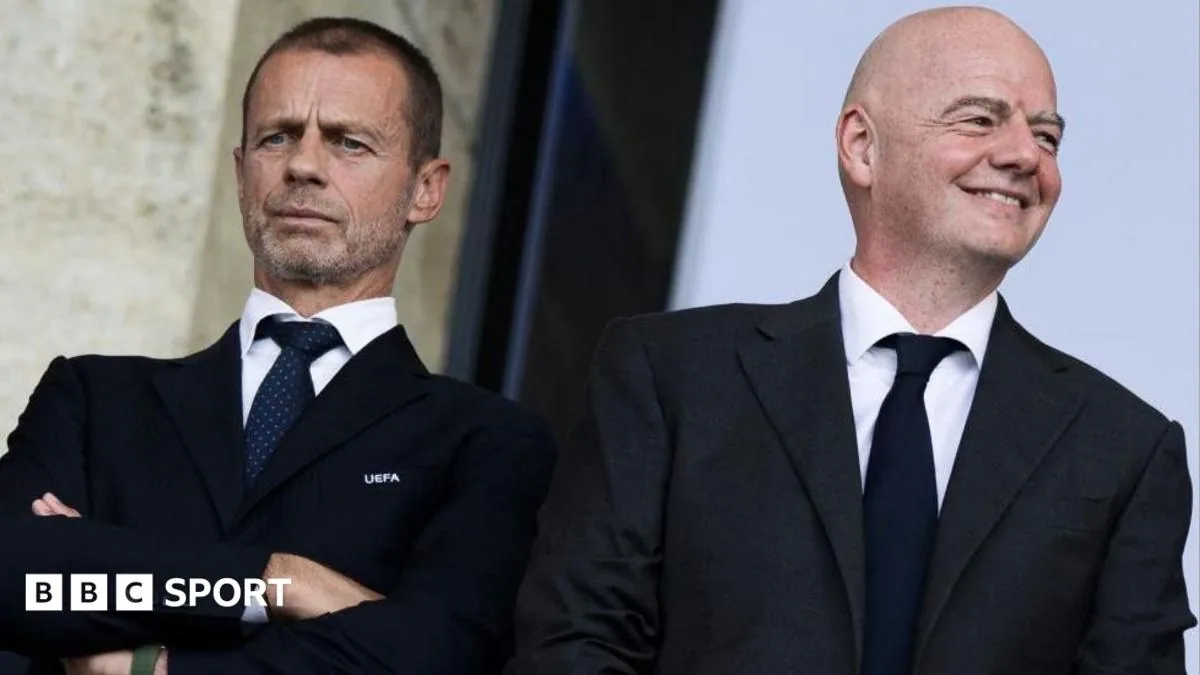
The proposal has triggered a significant diplomatic crisis within the sport. UEFA has explicitly threatened to boycott all FIFA tournaments, including the FIFA World Cup 2026™, unless the project is abandoned. The opposition is not limited to Europe; CONCACAF has formally rejected the proposal, while the AFC has criticized the lack of prior consultation and the absence of detailed operational data, labeling the communication process as “totally unacceptable.”
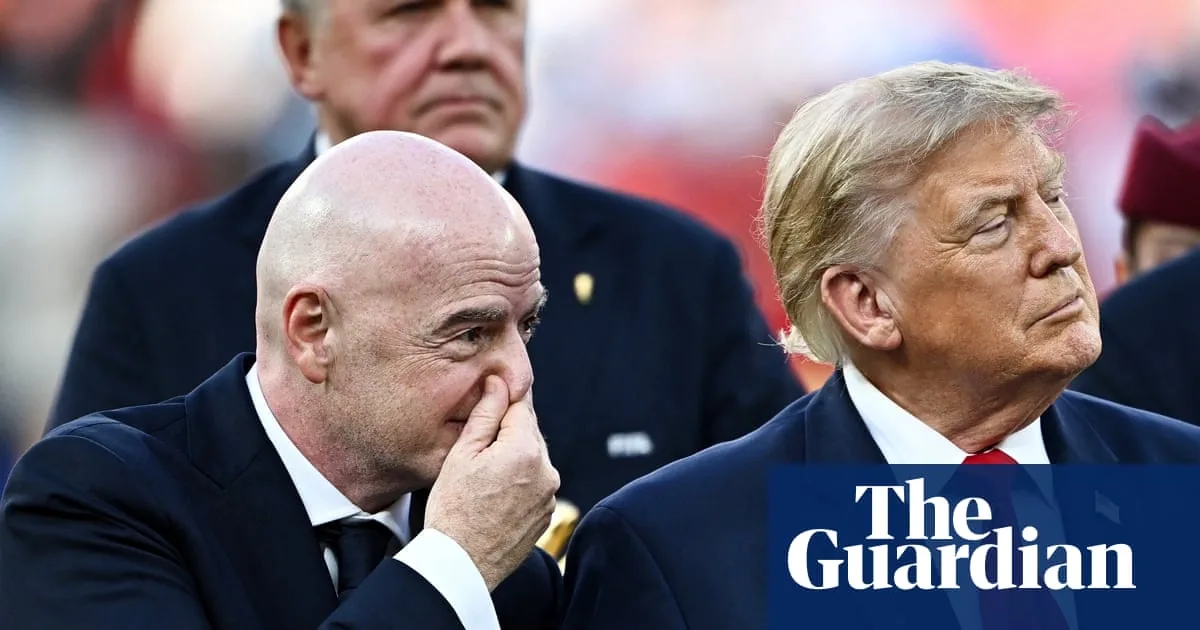
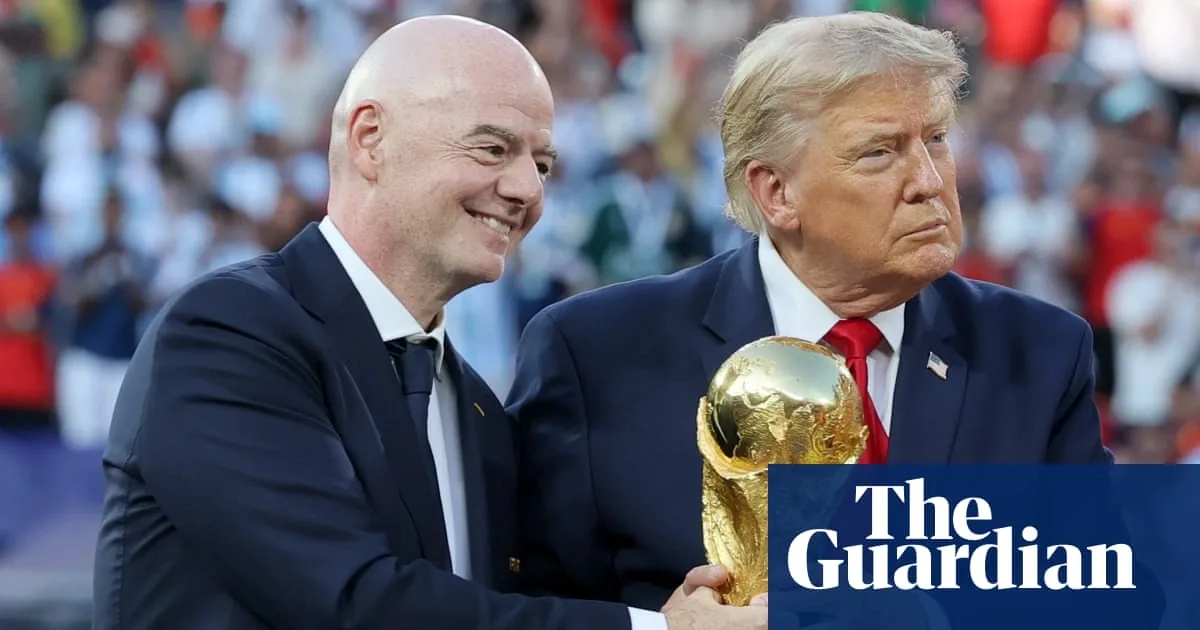
At the center of the dispute is the structure of FFE, which FIFA claims is designed to provide national federations with “meaningful ownership” of commercial opportunities. FIFA President Gianni Infantino has positioned the move as a democratic effort to allow member associations to shape their own financial futures. However, critics argue that the move compromises the governing body's core mission and governance integrity.
Consultation Process and Next Steps
Despite the threat of a mass withdrawal from FIFA-sanctioned events, the governing body has refused to withdraw the proposal. FIFA’s official statement insists that the consultation process will continue to ensure that each of the 211 member associations can review the facts and vote independently. The organization maintains that no single entity represents the collective will of its members, and it remains open to individual or collective rejection, approval, or amendment of the plan.
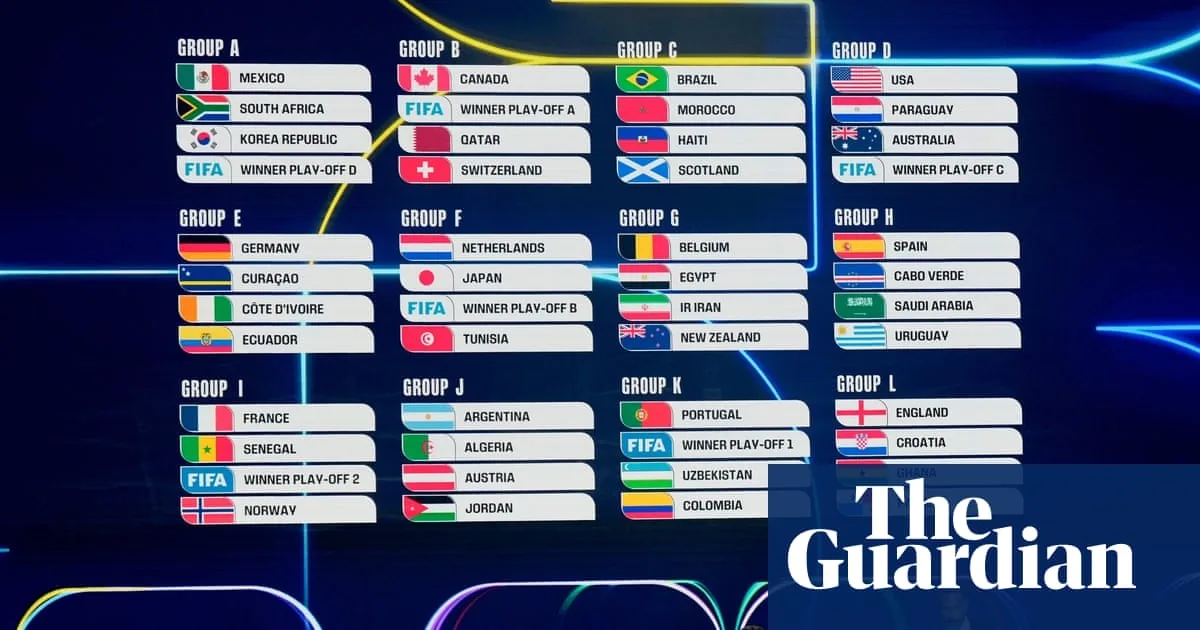
As the industry monitors the FIFA World Cup 2026 standings and the broader FIFA World Cup 2026 bracket, the tension between commercial expansion and institutional governance remains the primary point of failure. While FIFA continues to push for dialogue, the current impasse suggests that the structural stability of future international tournaments remains in flux.