Reporting note: this article draws on The Guardian; PGLive provides the summary and editorial framing.
FIFA Moves to Expand World Cup Format
FIFA has initiated an accelerated research process to evaluate expanding the World Cup to 64 teams, beginning with the 2030 tournament. The governing body has opened a tender for external agencies to assess the economic and strategic feasibility of this expansion, with a remarkably tight deadline for delivery. Interested parties must submit proposals by August 7, with a selection made on August 14 and a final report due by September 11. This timeline suggests that FIFA intends to reach a formal decision before the end of the current year.
Governance and Stakeholder Friction
The move follows a period of significant internal and external volatility for FIFA. Reports indicate that member associations were not consulted prior to the issuance of the tender, further straining relations between the governing body and continental confederations. UEFA and CONCACAF have already expressed vocal opposition to the prospect of further expansion, raising the possibility of intensified conflict within the global football ecosystem.
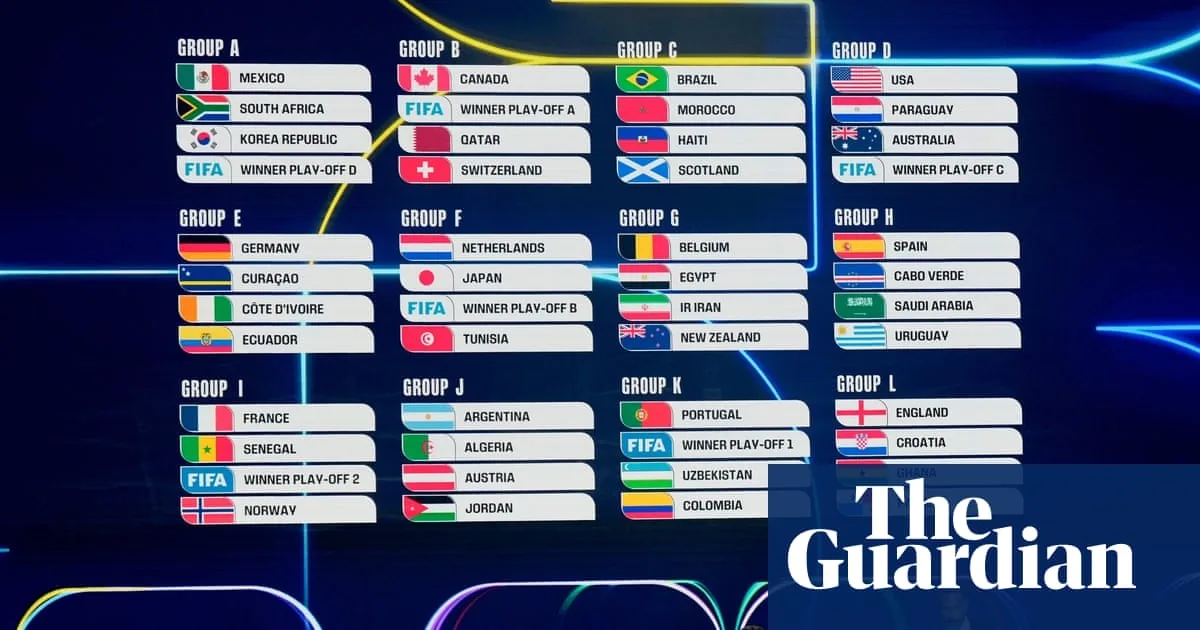
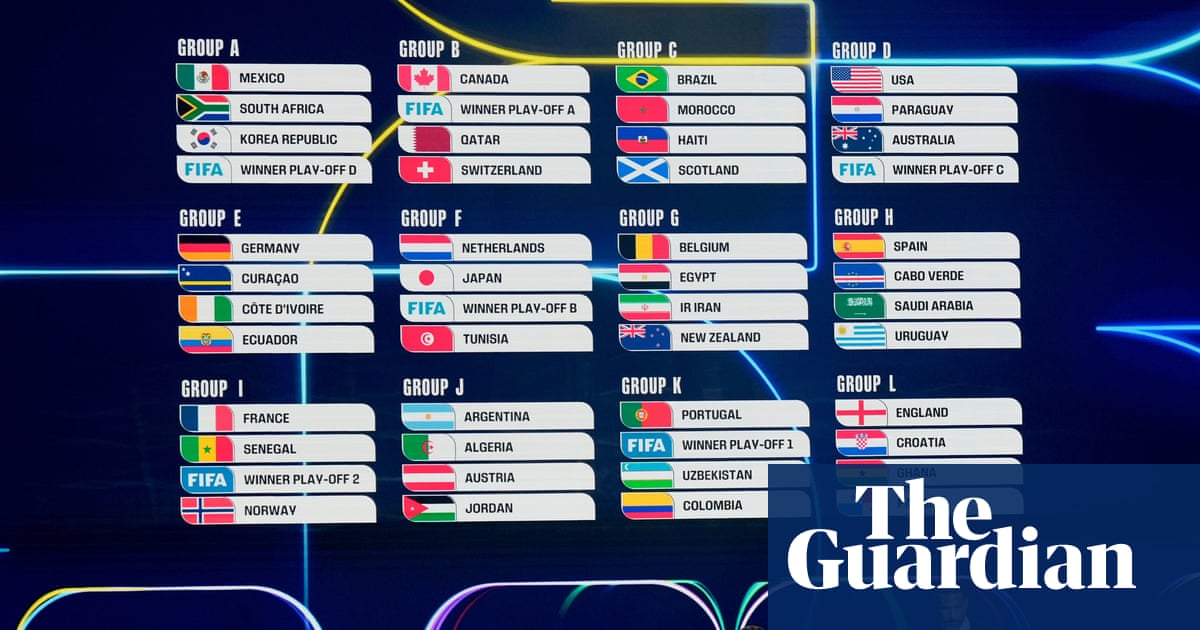
This development arrives in the wake of widespread backlash regarding separate proposals to sell commercial stakes in the World Cup to private investors—a plan FIFA has since moved to scrap. The current 48-team format, which debuted during the 2026 tournament, may now have a significantly shorter lifespan than anticipated if the 64-team transition proceeds.
Economic and Operational Implications
The research brief issued by FIFA mandates an analysis of potential revenue growth from ticketing, sponsorship, and media rights under a 64-team model. Beyond financial metrics, the study is tasked with evaluating the impact on player welfare, the quality of the tournament product, and the constraints of the international football calendar.
For the 2030 tournament—which is set to be hosted by Morocco, Portugal, and Spain, with additional matches in Argentina, Paraguay, and Uruguay—a 64-team expansion would fundamentally alter the logistics of the event. It would likely necessitate that the host nations accommodate entire groups, significantly increasing the operational burden on the participating countries.