Reporting note: this article draws on BBC Sport; PGLive provides the summary and editorial framing.
The Financial Restructuring of the World Cup
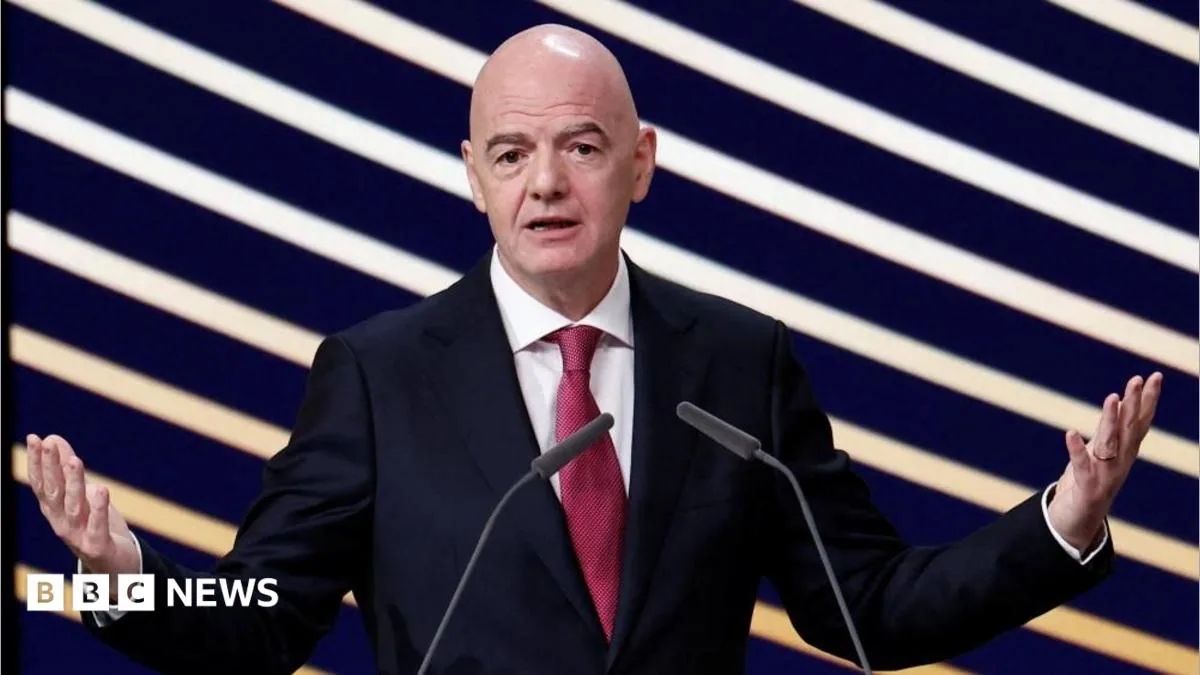
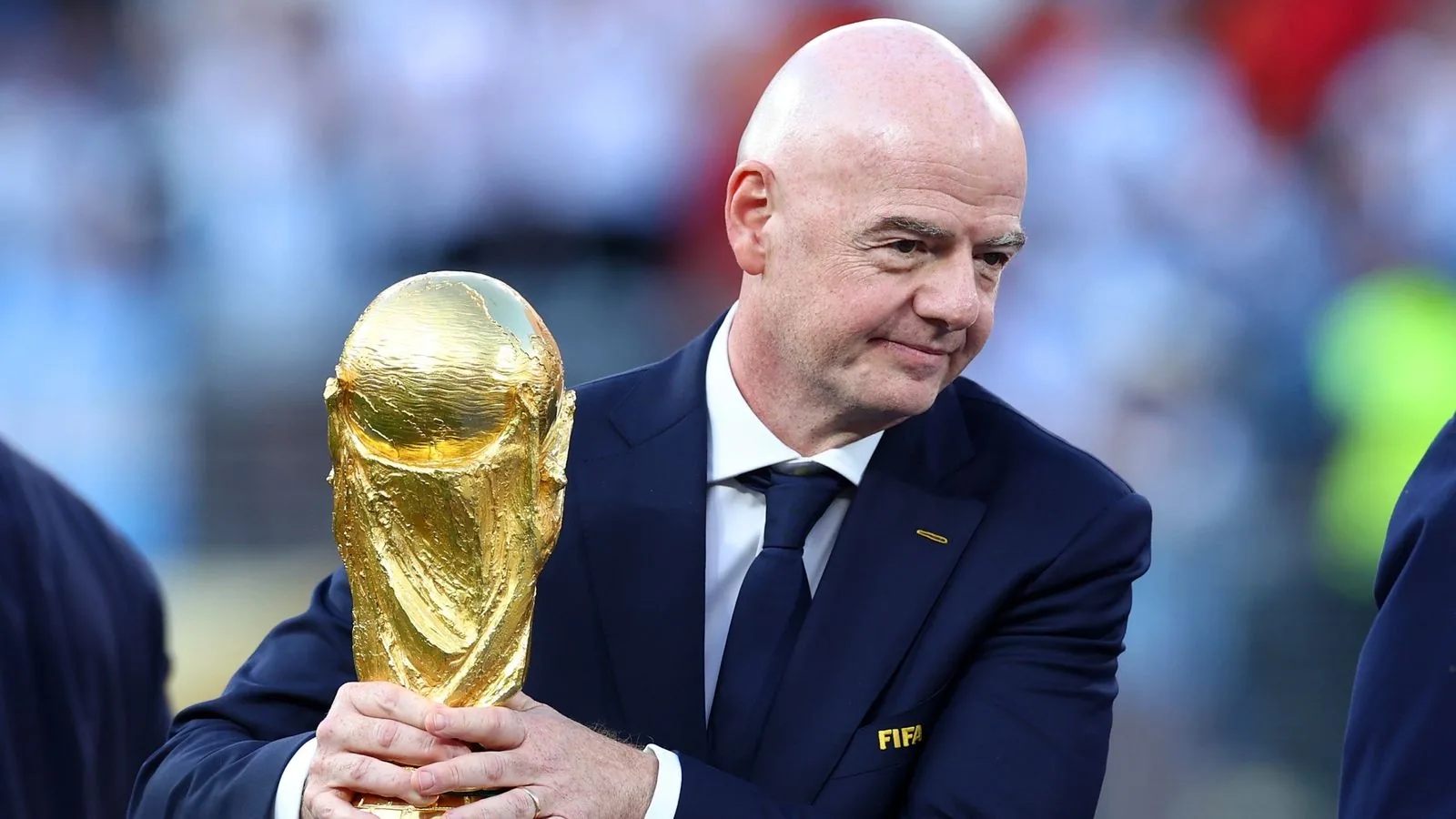
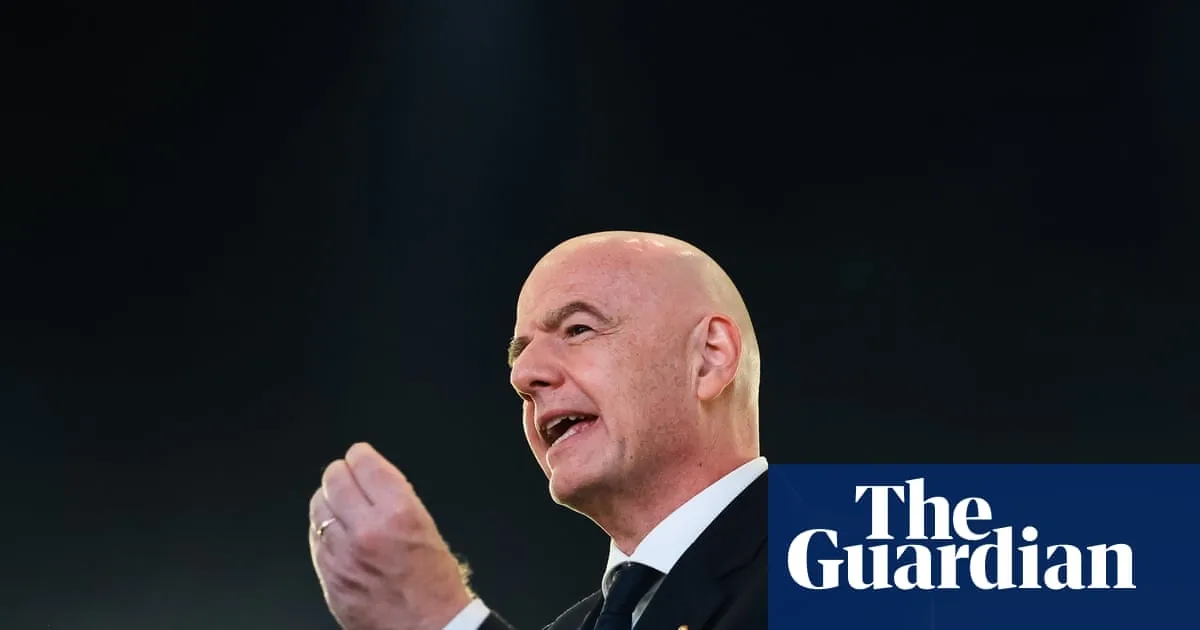
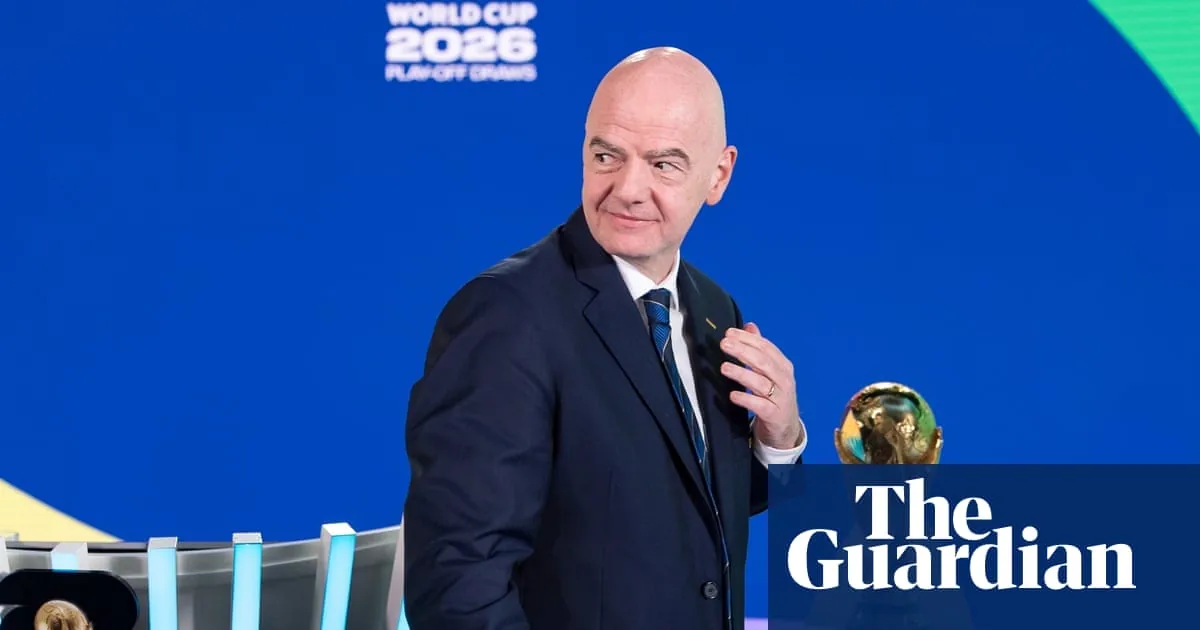
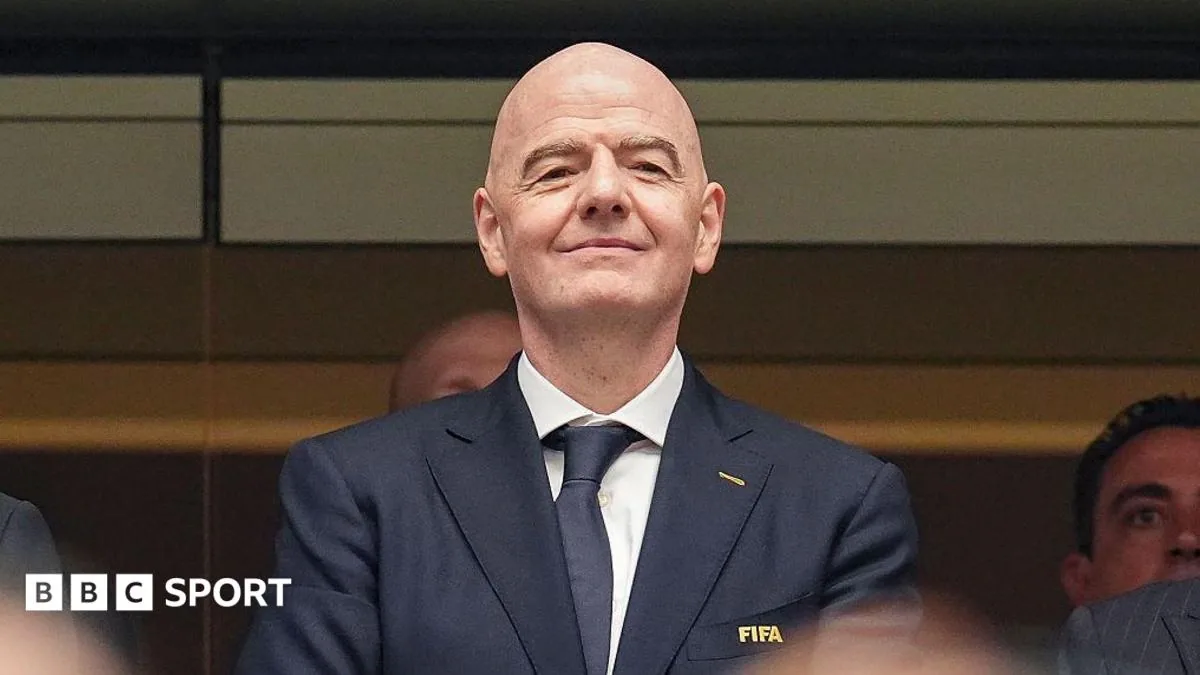
FIFA President Gianni Infantino has initiated a proposal to sell minority stakes in the organization’s football competitions, including the FIFA World Cup 2026™, to private investors. The plan, which involves discussions with associates of former US President Donald Trump, represents a significant shift in the governing body’s financial model. Infantino frames the move as a democratization of the sport, promising a $20 million (£15 million) windfall for each of FIFA’s 211 member nations to support domestic development starting January 1, 2027.
Consolidating Power and Patronage
Infantino’s strategy relies on securing a simple majority vote from FIFA’s membership. His administration has cultivated a strong base of support in Africa, Asia, and the Americas through previous initiatives, including the expansion of the World Cup to 48 teams and consistent direct funding. For many smaller football nations, the proposed $15 million injection is a powerful incentive, potentially outweighing concerns regarding the long-term commercial dilution of the tournament.
Critics, including former FIFA governance committee chairman Miguel Maduro, have characterized the proposal as a form of "legalized bribe." Maduro argues that the existing system of patronage already lacks transparency, and this new influx of private equity could further obscure how funds reach grassroots levels. The involvement of Thrive Capital, led by Josh Kushner, has also drawn scrutiny due to the firm's proximity to the Trump family, deepening the political dimensions of the deal.
The UEFA-FIFA Conflict
The proposal has exacerbated the ongoing friction between FIFA and UEFA. European governing bodies have expressed significant opposition, with reports suggesting that some nations are considering a boycott of the World Cup to block the plan. The tension is rooted in a broader struggle for control over elite football, particularly following FIFA’s expansion of the Club World Cup, which directly competes with the UEFA Champions League. While UEFA remains the most powerful regional entity, its leverage is complicated by the fact that Spain and Portugal are primary hosts for the 2030 tournament.
Market Trends and Future Implications
Infantino’s move mirrors broader trends in sports economics, where organizations like La Liga and Ligue 1 have previously sold portions of their operations to private equity firms like CVC Capital Partners. However, as a non-profit organization under Swiss law, FIFA’s pivot toward profit-sharing with private investors marks a departure from its stated mandate. The ultimate impact of this structural change remains uncertain, as the organization weighs immediate financial gains against the potential loss of long-term control over its most valuable asset.