Reporting note: this article draws on BBC Sport; PGLive provides the summary and editorial framing.
The Impending Conflict Over FIFA’s Commercial Restructuring
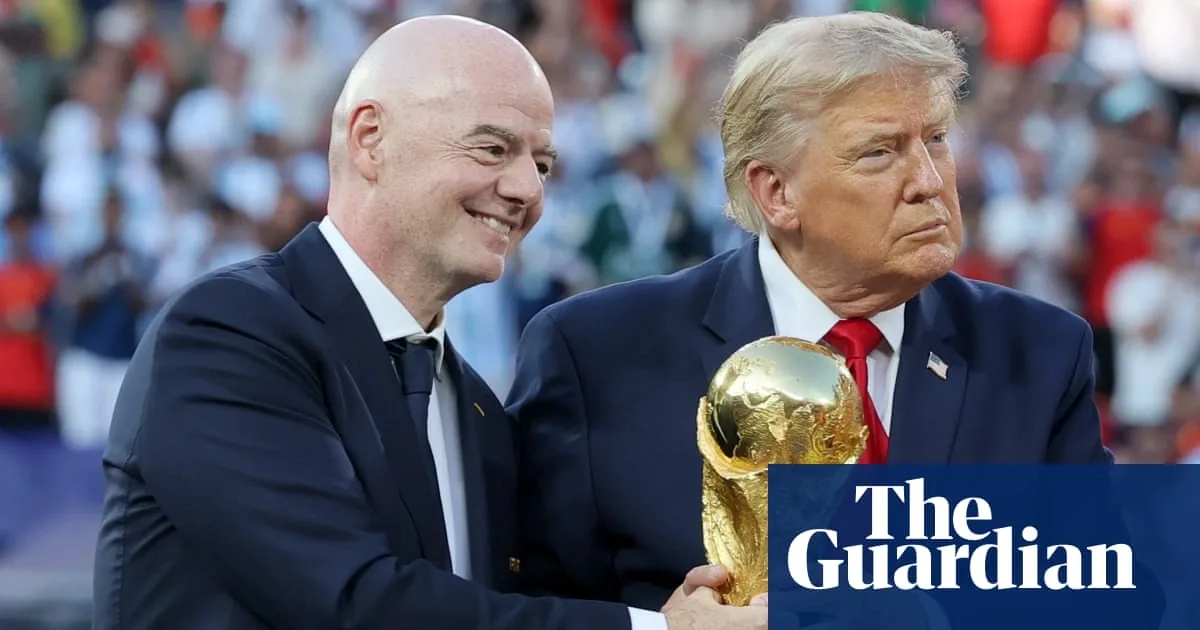
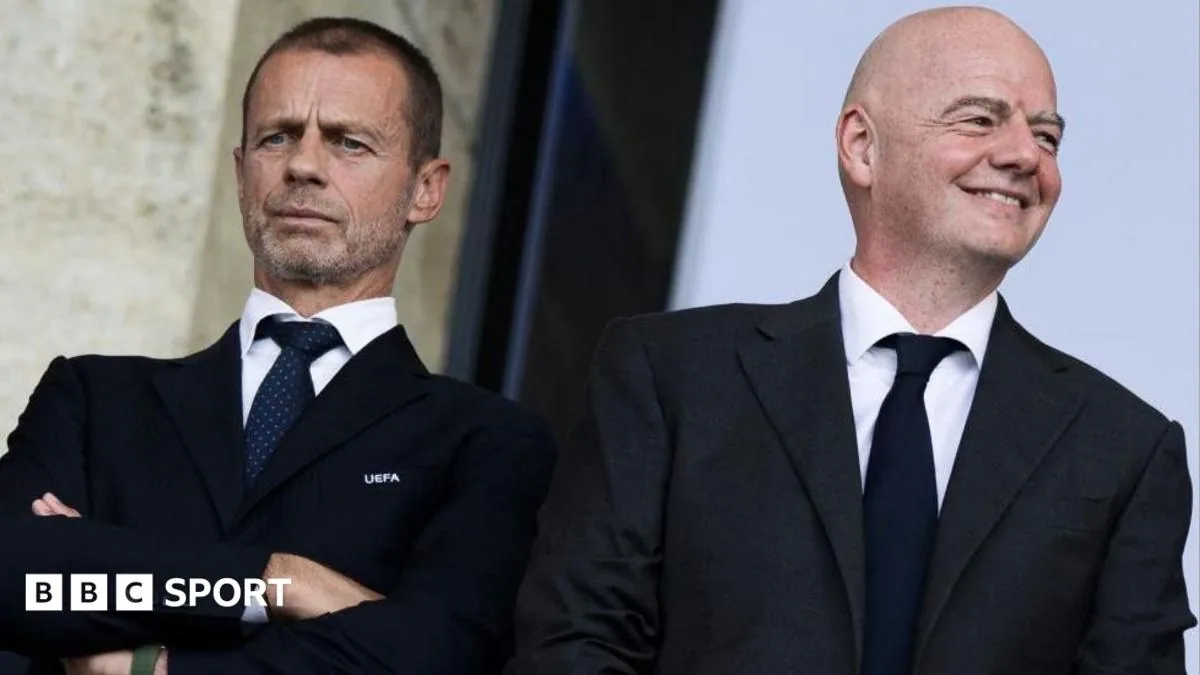
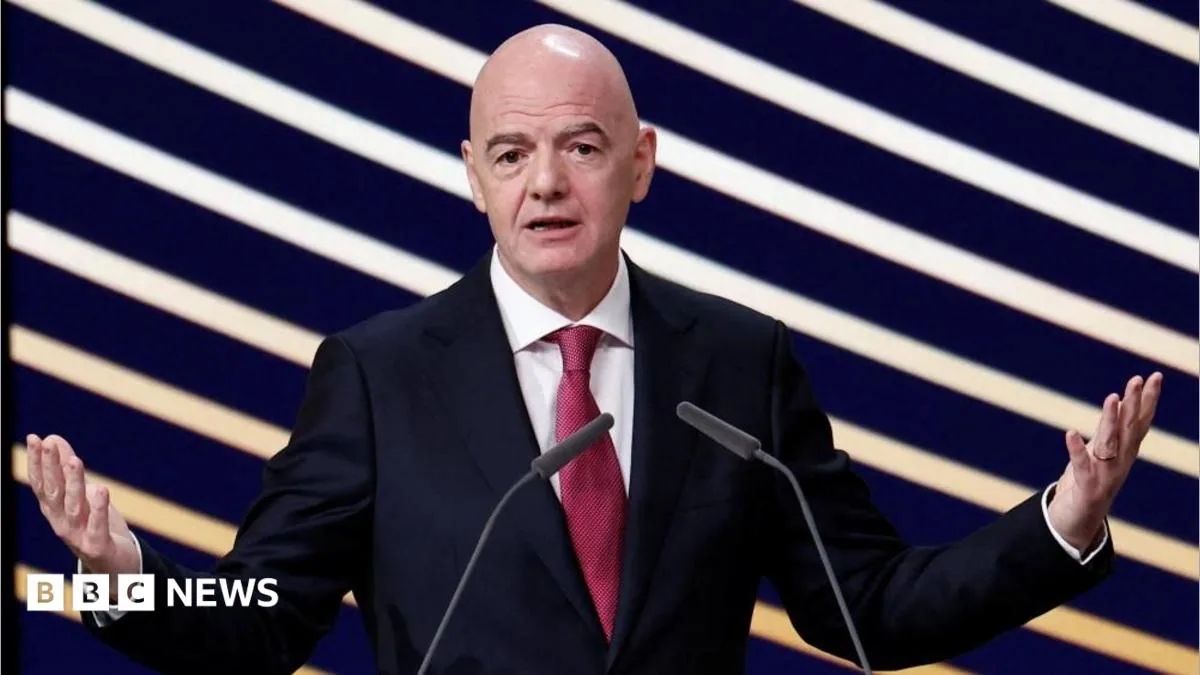
Women’s football faces an immediate threat of disruption as a growing coalition of football confederations moves to boycott FIFA competitions. The standoff centers on FIFA President Gianni Infantino’s proposal to sell minority stakes in a new commercial subsidiary, Fifa Forward Enterprise (FFE), to private investors, including the venture capital firm Thrive Eternal.
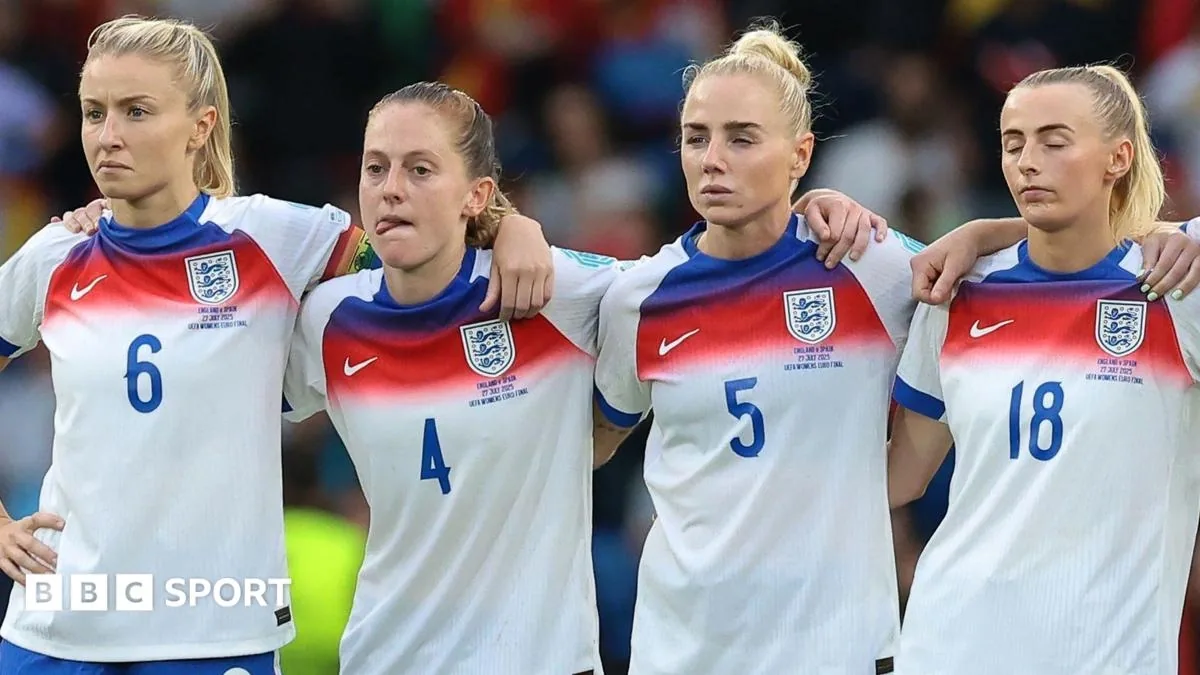
Former England defender Anita Asante has warned that women’s tournaments are the “first casualties” of this dispute. The boycott, initiated by UEFA’s 55 member associations, has already cast uncertainty over upcoming fixtures, including the FIFA Under-20 Women’s World Cup scheduled to begin on 5 September in Poland. While the Polish Football Association (PZPN) reports that preparations remain on track, the broader international calendar—including October qualifiers for the Women’s World Cup in Brazil and the Under-17 Women’s World Cup in Morocco—remains in jeopardy.
Global Opposition and Internal Resignations
The resistance to the FFE proposal has widened beyond Europe. Both the Confederation of North, Central America and Caribbean Association Football (Concacaf) and the Asian Football Confederation (AFC) have formally expressed solidarity with UEFA, rejecting the plan. The controversy has also reached FIFA’s internal ranks, with senior adviser Carlos Cordeiro resigning, labeling the deal a “bad deal for football” that risks mortgaging the sport's future.
Baroness Sue Campbell, former FA director of women’s football, echoed concerns that commercial interests must not supersede the integrity of the game. Critics point to a 25-page document prepared by JP Morgan, which outlines plans to increase payouts to member associations through “new business initiatives” but notably omits any mention of the women’s game.
What Happens Next
FIFA maintains that “nobody is selling football” and claims the consultation process has been misrepresented by media reports. Despite the backlash, Infantino has set a 19 September deadline for federations to accept the proposal. As the deadline approaches, the stability of the international match calendar—including the path toward the 2035 FIFA Women’s World Cup—depends on whether FIFA can reconcile with its member confederations or if the boycott will force a total suspension of scheduled tournaments.