Reporting note: this article draws on The Guardian; PGLive provides the summary and editorial framing.
FIFA Proposes Commercial Restructuring
FIFA has announced plans to establish a new entity, FIFA Forward Enterprise (FFE), to manage the commercial rights of its major tournaments, including the men’s and women’s World Cup and the Club World Cup. The organization is working with JPMorgan to sell a significant minority stake in these rights to private investors, with the venture valued at approximately $20bn.
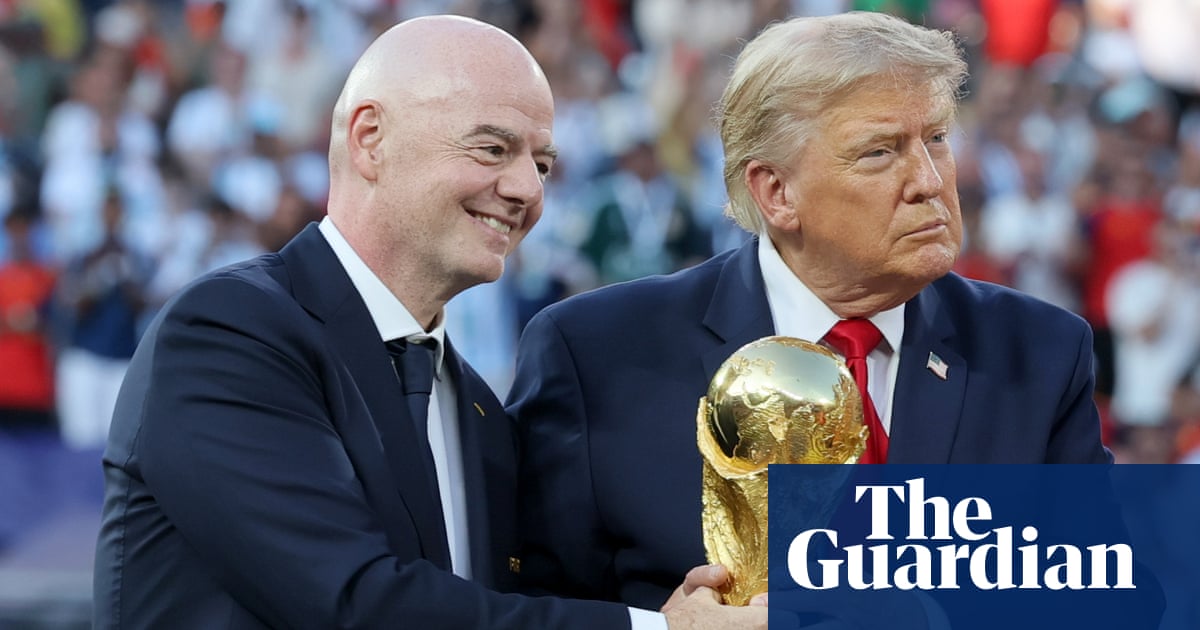
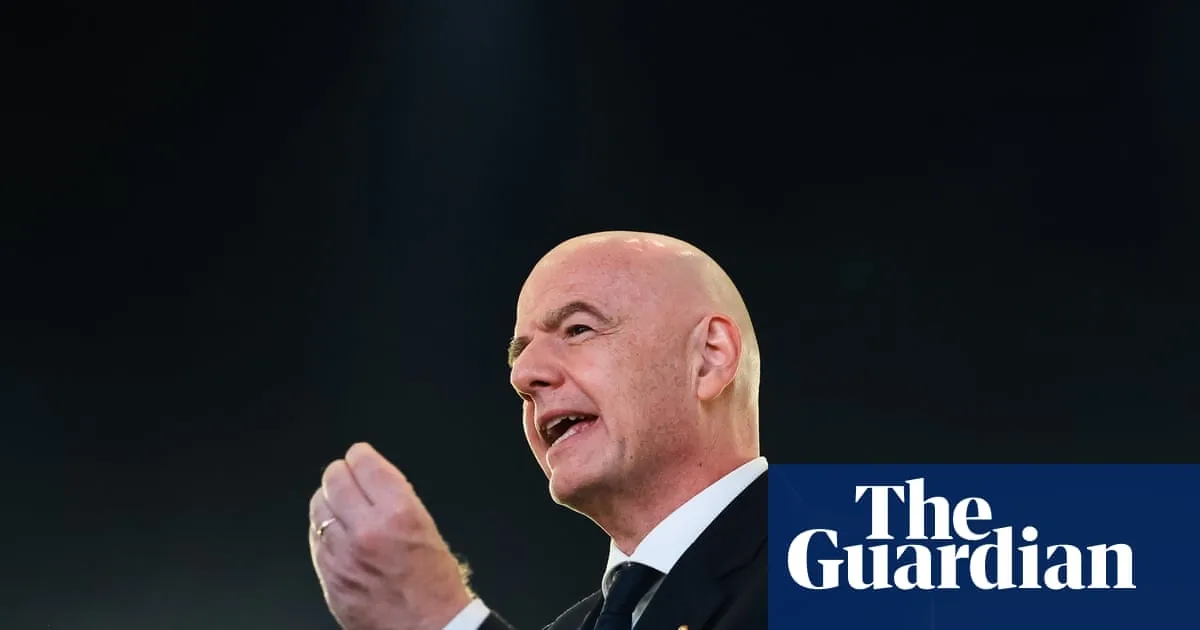
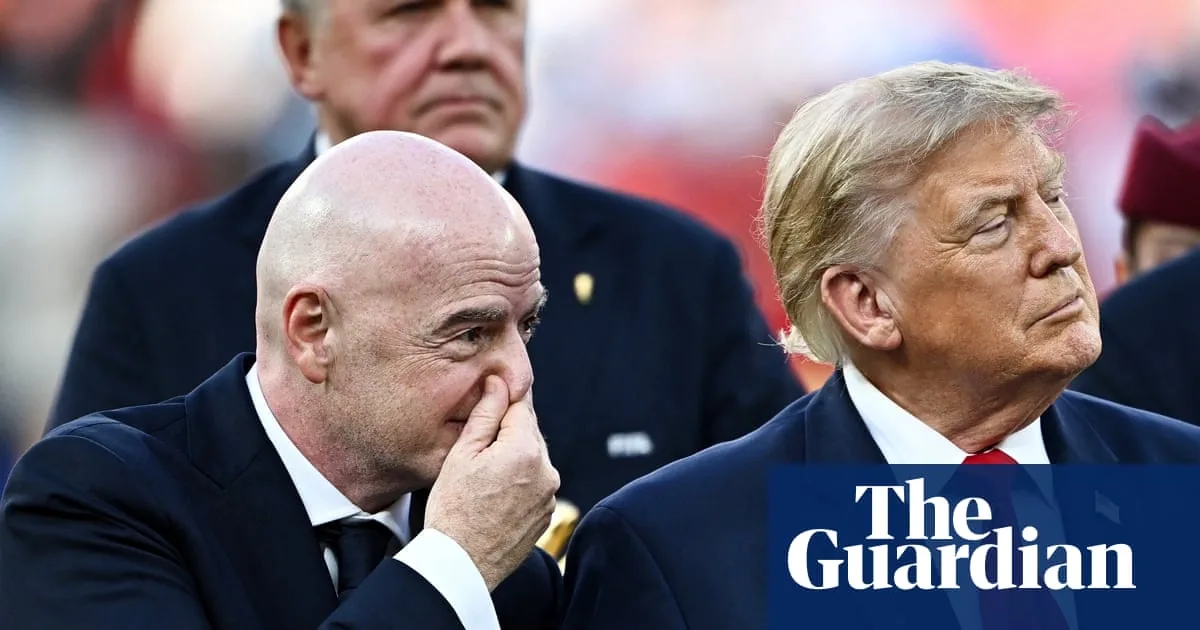
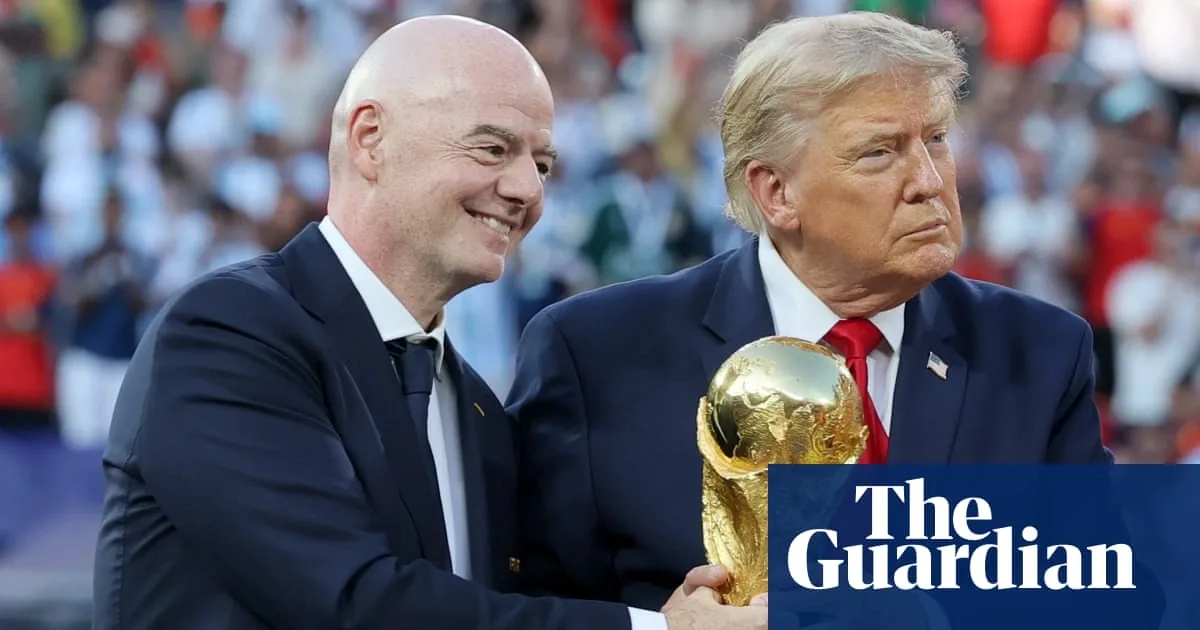
FIFA President Gianni Infantino stated that the move is intended to treat the commercial side of the game as a "focused, dedicated business," with the goal of increasing annual funding for each of the 211 member associations from $8m to $20m. Thrive Capital, led by Joshua Kushner, is reportedly spearheading the search for investors.
UEFA and Stakeholder Opposition
The proposal has triggered an immediate and sharp rebuke from UEFA, which accused FIFA of "attempting to sell the soul of football." In a strongly worded statement, UEFA argued that the governance and commercial assets of the sport are not for trade, particularly given the lack of transparency regarding the potential investors. Leading European clubs have also expressed significant private criticism of the plan.
The tension between the two governing bodies is currently at a historic low, exacerbated by recent disputes over FIFA’s intervention in tournament disciplinary matters. UEFA has indicated it is reviewing its legal position regarding the potential sale.
Governance and Future Implications
While FIFA maintains that it will retain full control over sporting governance and the international match calendar, critics fear that private investors could exert undue influence on the sport. Concerns have been raised that external financial stakeholders might prioritize more frequent tournaments or favor hosting in the most lucrative markets, such as the USA, to maximize returns.
The proposal requires approval from a majority of FIFA’s member associations, though the organization has not yet announced a date for a vote. FIFA Council members reportedly expressed surprise at the announcement, noting they were largely excluded from the initial decision-making process. FIFA President Gianni Infantino is expected to be re-elected unopposed next year, though he is required by statute to step down in 2031.