Reporting note: this article draws on The Guardian; PGLive provides the summary and editorial framing.
The FIFA Forward Enterprise Controversy
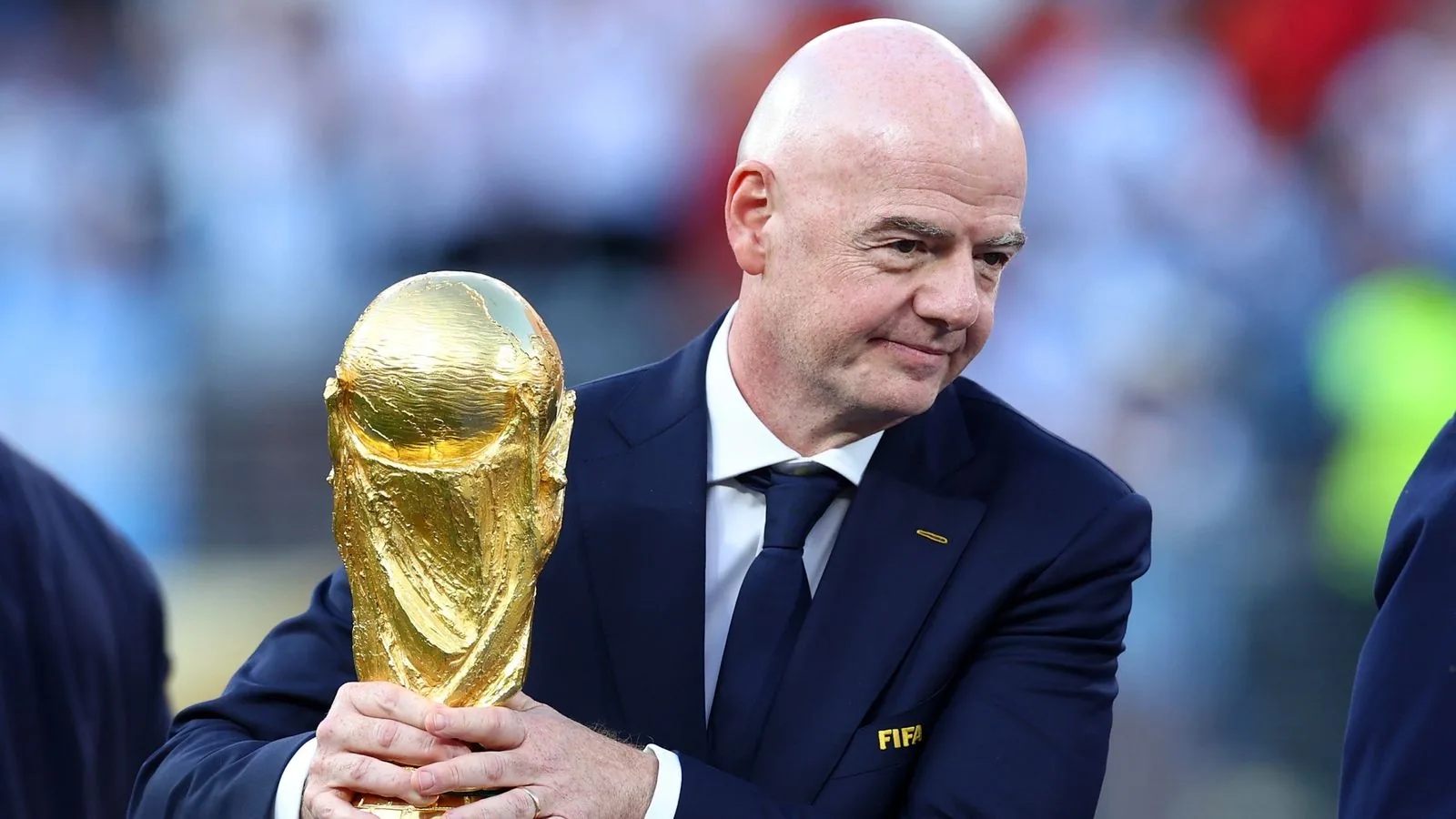
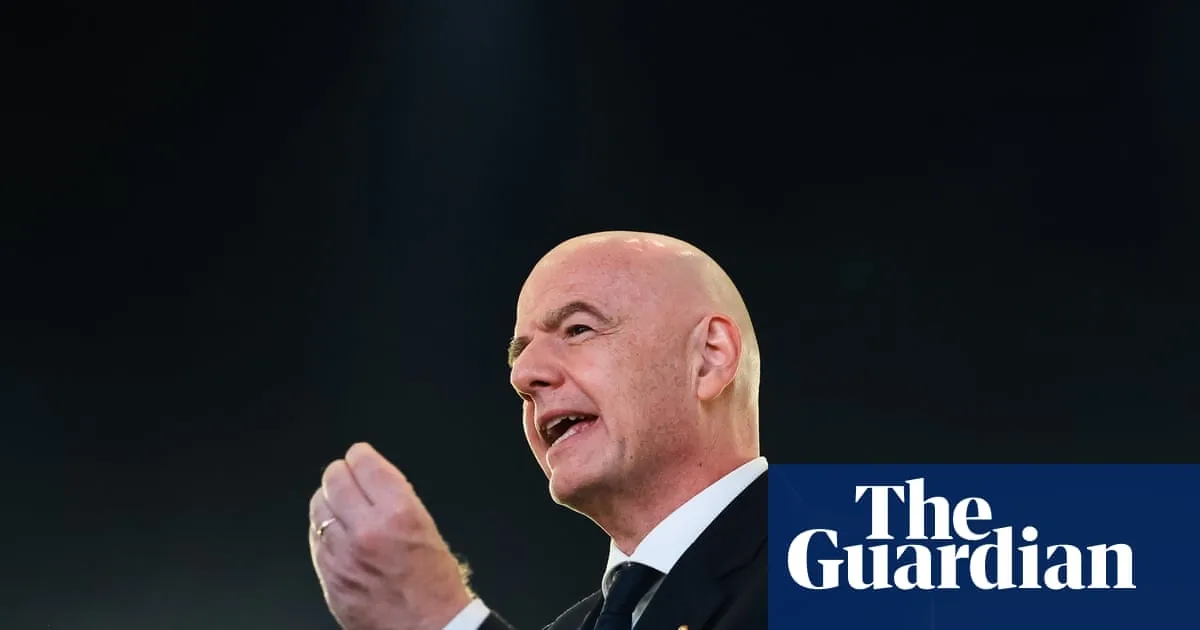
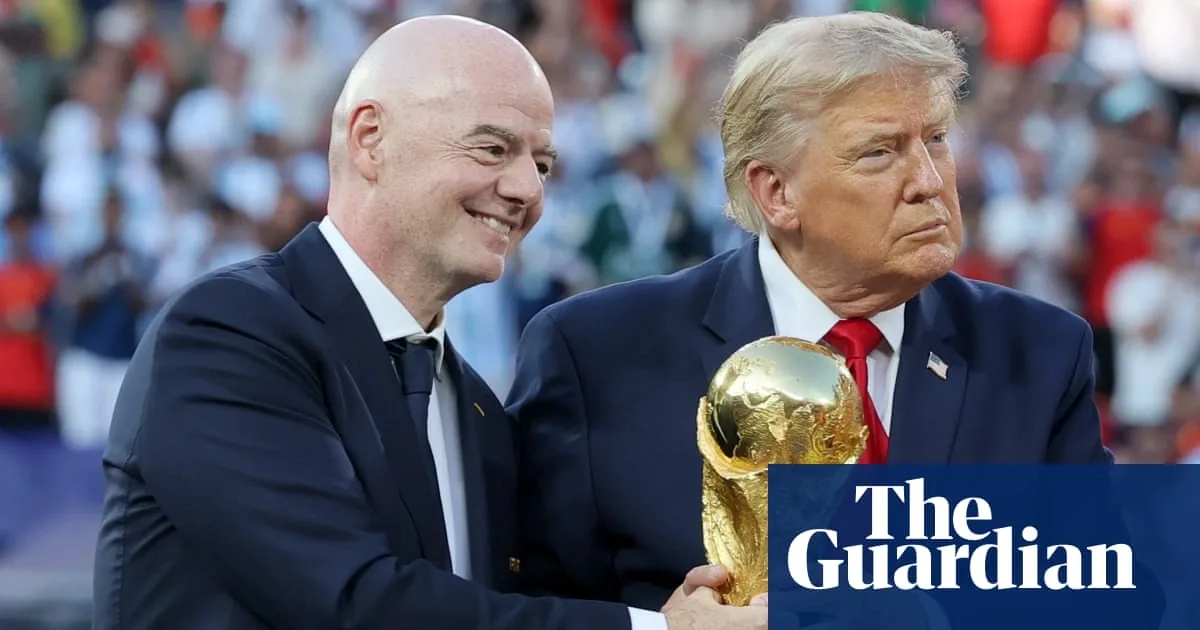
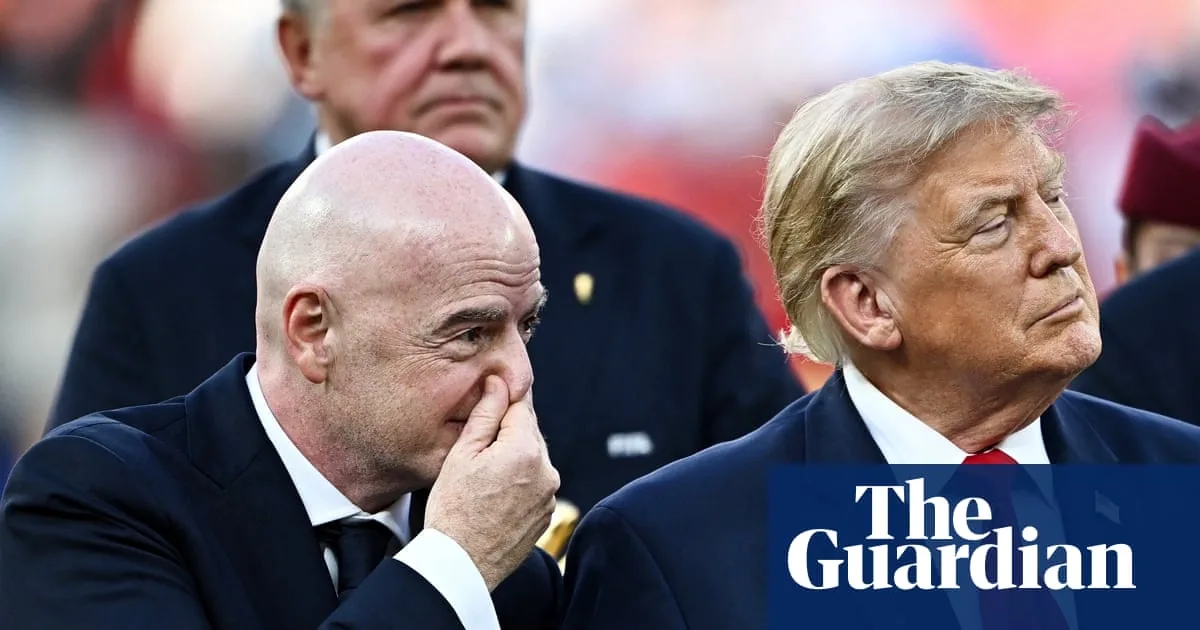
FIFA has faced intense scrutiny following reports of a plan to launch a new commercial vehicle, FifaForward Enterprise (FFE), designed to manage and sell stakes in the commercial rights of the World Cup. The proposal, which was not initially disclosed to the FIFA Council, aims to secure third-party capital and debt financing to increase revenues for member associations. FIFA President Gianni Infantino stated the venture could generate $10 billion in additional funding, though the plan has met with widespread institutional opposition.
Institutional Resistance and Boycott Threats
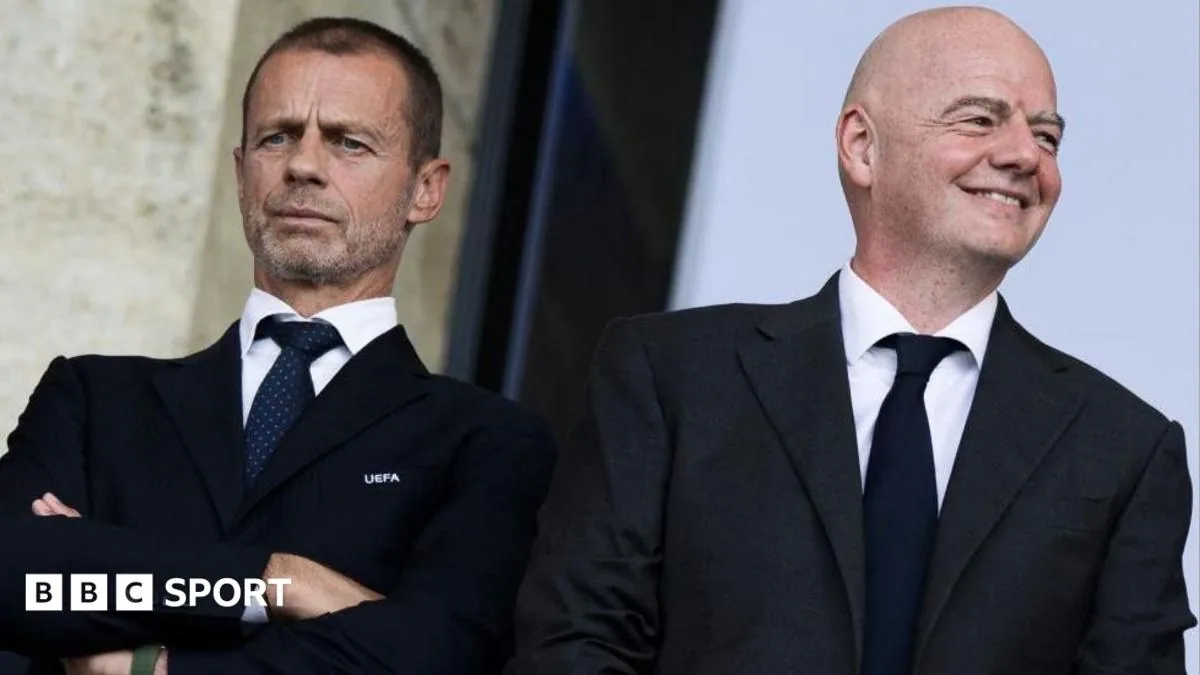
The announcement triggered immediate condemnation from major football governing bodies. UEFA, representing 55 member associations, held an emergency meeting and voted unanimously to boycott all FIFA tournaments if the FFE plan proceeds. UEFA officials argued that introducing external investors would shift the focus of the sport from competitive integrity to shareholder returns, permanently altering the nature of the game.
The Asian Football Confederation (AFC) and Concacaf have also issued statements criticizing the lack of transparency in FIFA’s decision-making framework. Domestically, the UK government and the English FA have voiced strong opposition, with UK Prime Minister Andy Burnham publicly questioning Infantino’s leadership.
Internal Turmoil and Future Outlook
The pressure on FIFA's leadership has intensified following the resignation of senior aide Carlos Cordeiro, who cited opposition to the deal. Despite the backlash, FIFA has maintained that the consultation process is ongoing and that the FFE proposal remains a voluntary option for member associations. Leaked documents suggest that FIFA has also explored expanding the men's tournament to 64 teams by 2030, a move aligned with the revenue-growth goals outlined in the FFE sales deck.
The controversy raises significant questions regarding the future of international tournaments, including the upcoming Women’s World Cup in Brazil. While FIFA has insisted it will proceed with its consultation process, the threat of boycotts from major confederations places the governing body in its most precarious position since 2015.