Reporting note: this article draws on Sky Sports; PGLive provides the summary and editorial framing.
Technical Volatility at Silverstone
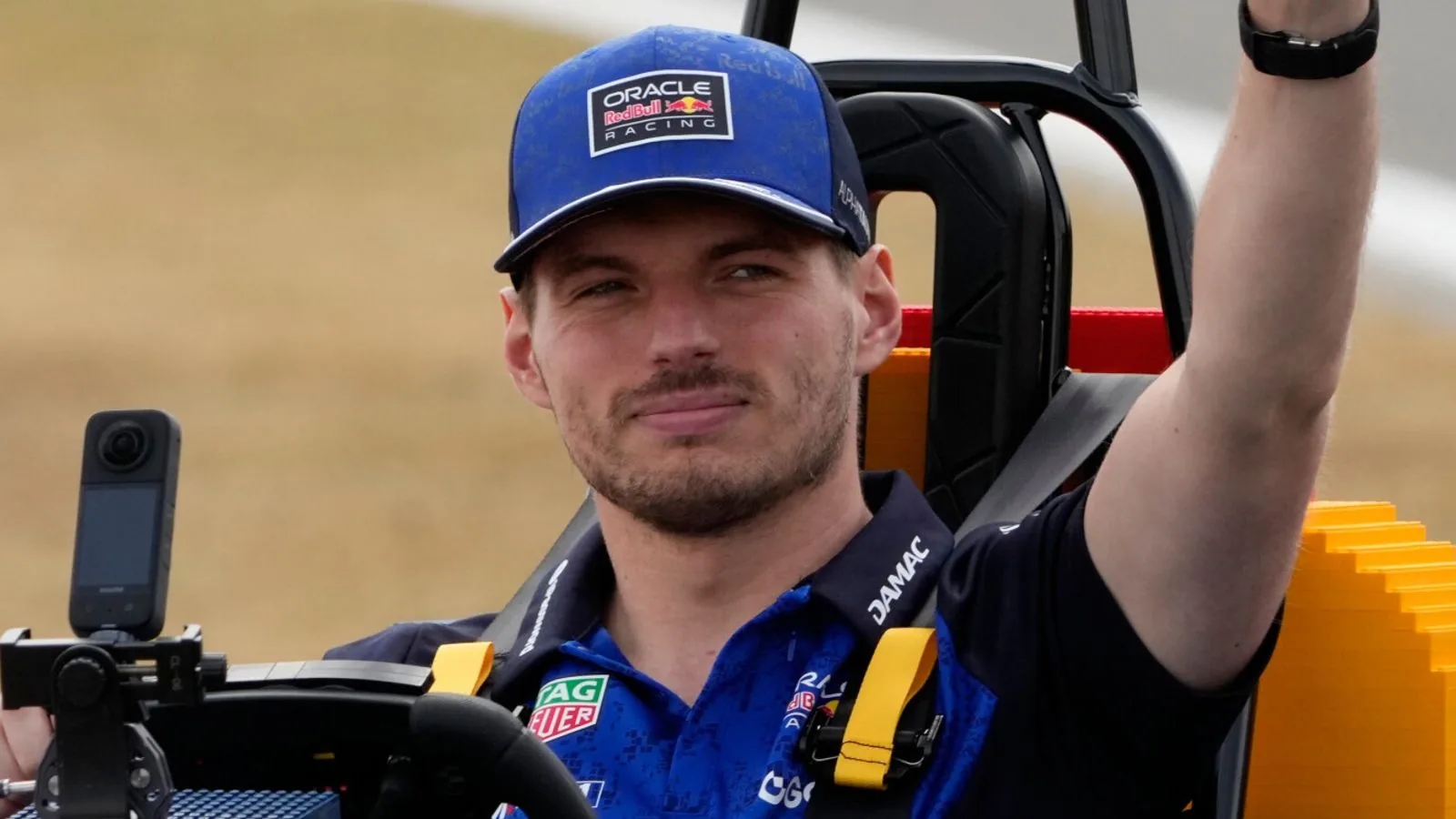
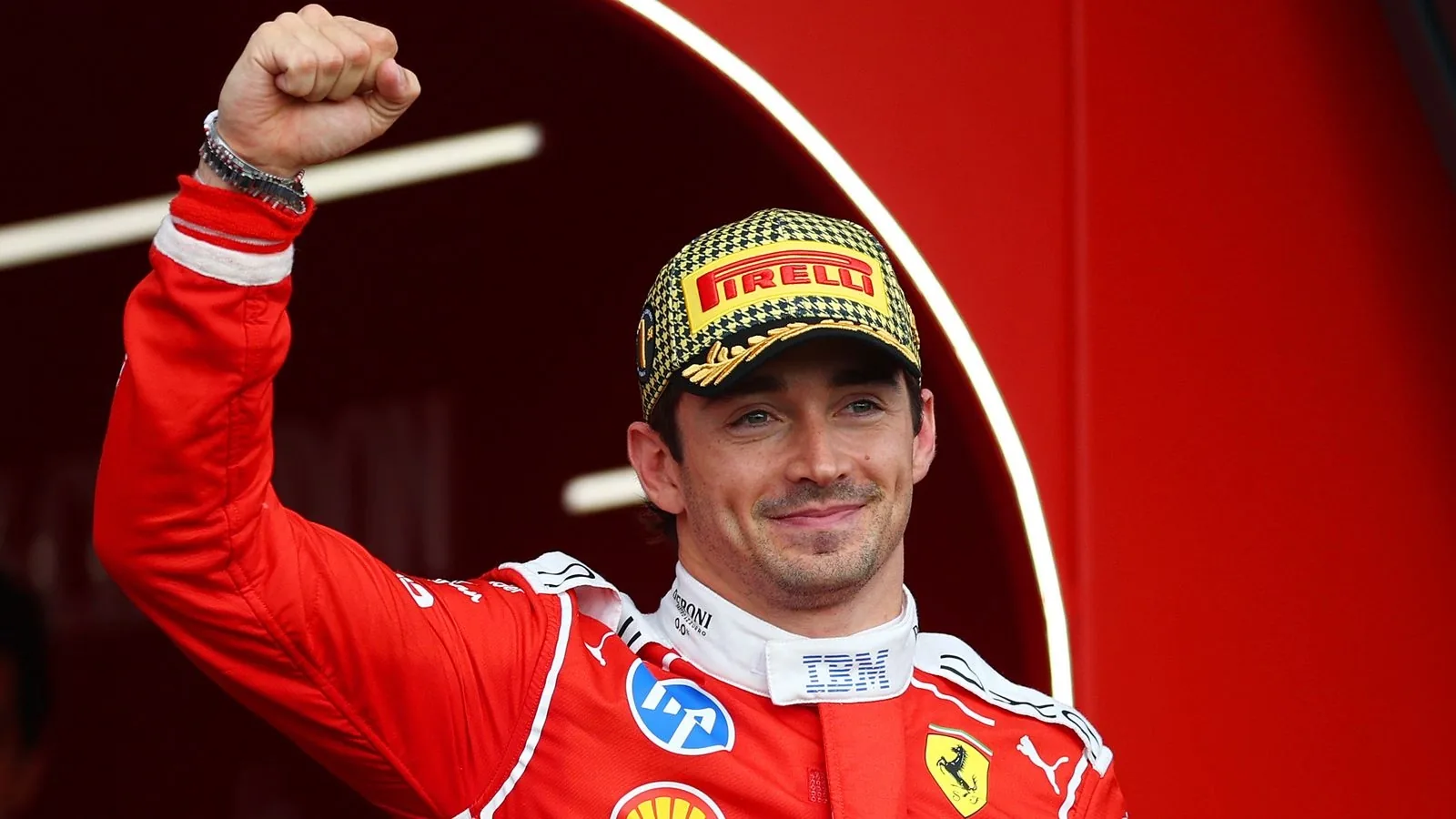
The British Grand Prix concluded with a victory for Charles Leclerc, a result dictated as much by mechanical attrition as by tactical execution. The race, defined by a late-stage Safety Car deployment following a collision involving Max Verstappen, saw the Ferrari pit wall capitalize on a strategic window that ultimately reshaped the upper echelons of the Drivers' Championship standings.
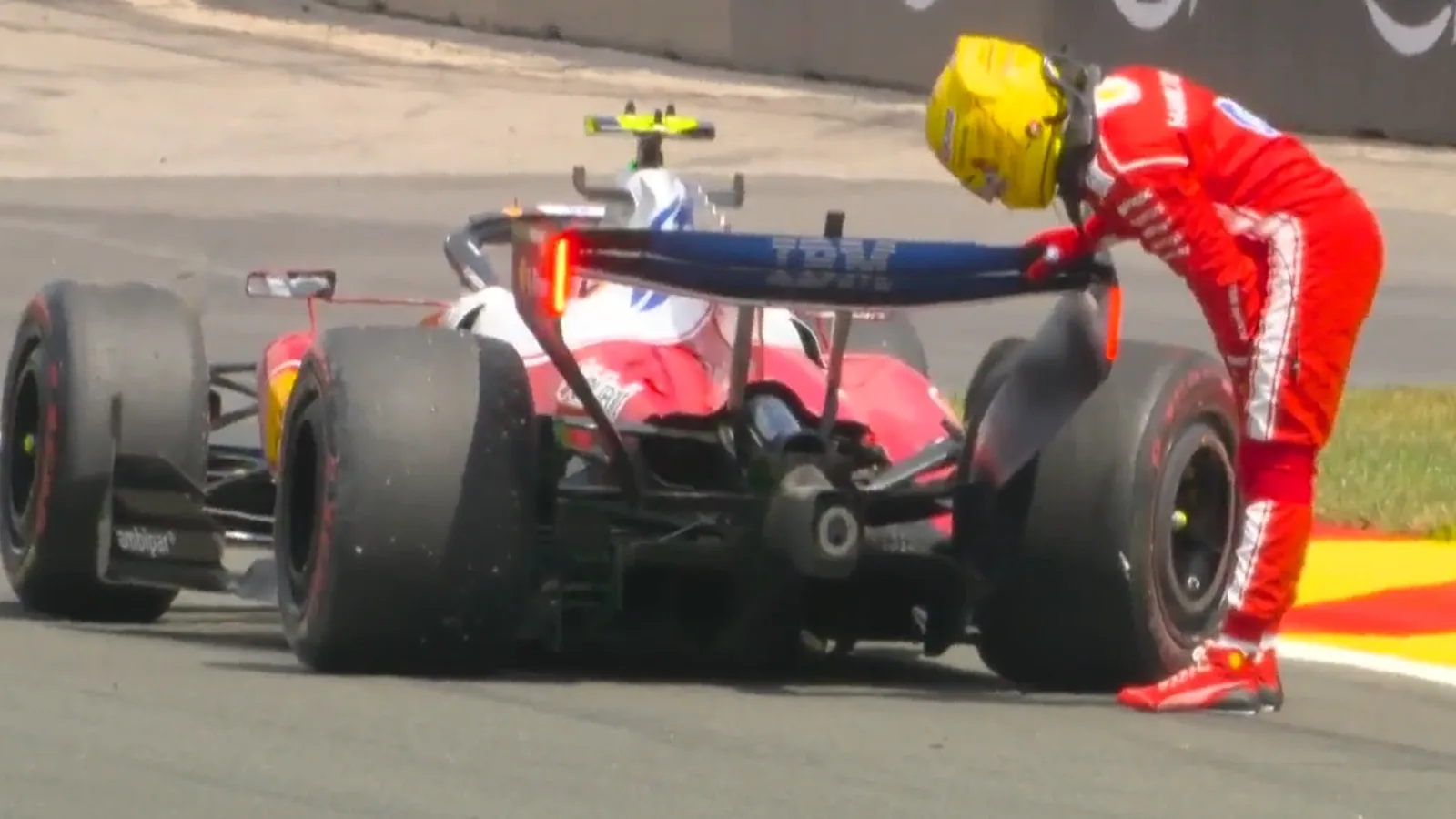
For the championship leader, Kimi Antonelli, the afternoon was an exercise in damage limitation that ultimately failed. Having started from pole position, the Mercedes driver saw his advantage evaporate following a front-left wheel shield failure. The resulting pit stops and subsequent steering instability relegated him to a 16th-place finish after a post-race penalty for track limit violations, effectively ending his points-scoring streak.
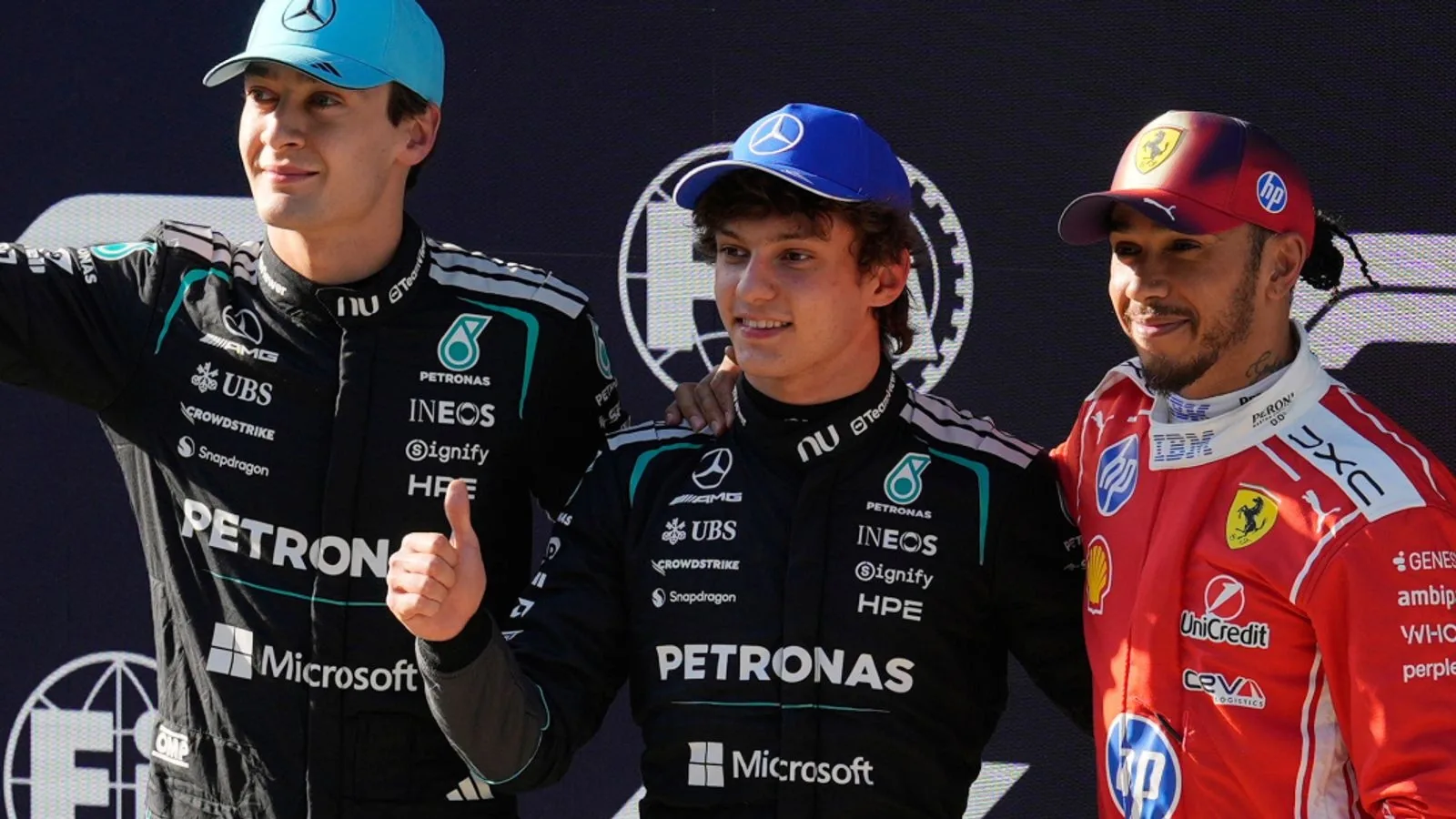
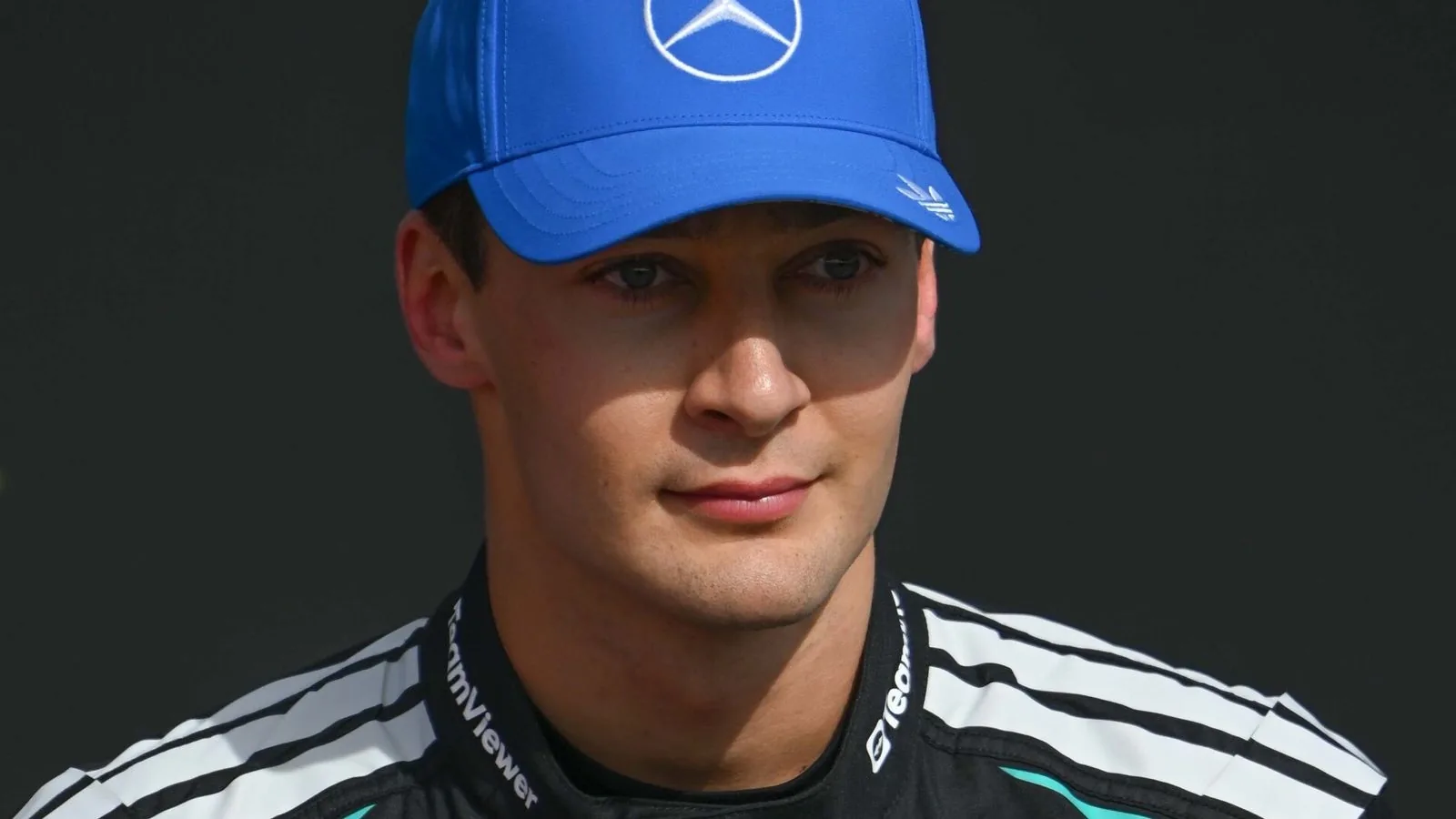
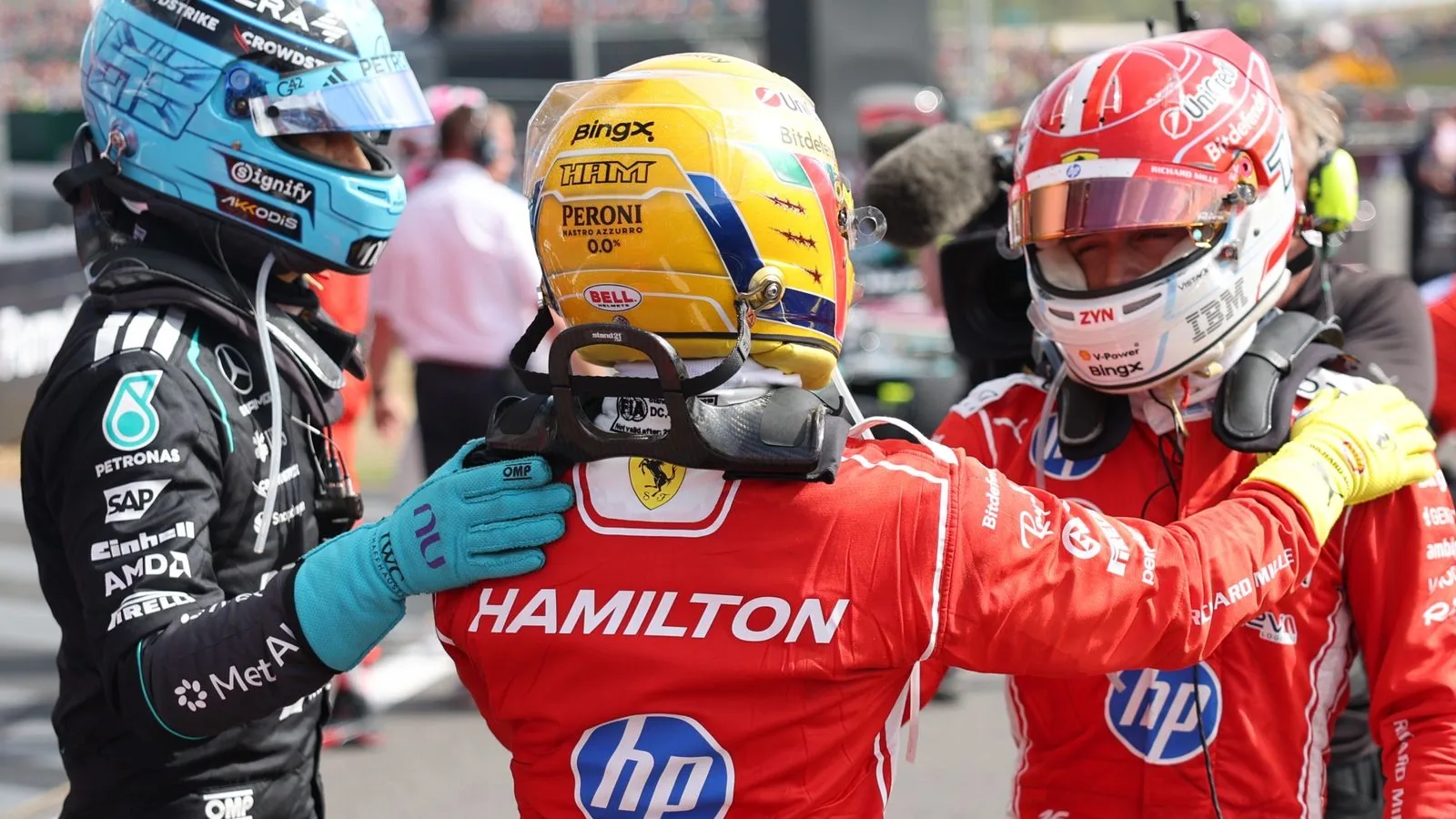
George Russell secured second place, a result that narrows the gap to Antonelli to 25 points. Lewis Hamilton followed in third, though his podium remains subject to an ongoing investigation regarding a potential yellow-flag infringement. The late-race Safety Car, which neutralized the field until the final corners, prevented any further movement, leaving the order stagnant during the closing sprint.
The current standings reflect a tightening of the field as the season approaches the Belgian Grand Prix. With two retirements in three races, Antonelli’s once-commanding 66-point lead has been significantly eroded, shifting the momentum toward the Ferrari and Mercedes challengers.
Track Surface Composition: The Silverstone circuit utilizes a high-friction asphalt aggregate, specifically designed to withstand the high lateral loads characteristic of the Maggotts-Becketts complex. The surface is composed of a dense granite-based mixture, engineered for rapid thermal dissipation to mitigate the risk of blistering during sustained high-speed cornering.