Reporting note: this article draws on Sky Sports; PGLive provides the summary and editorial framing.
Technical Setback at Spa-Francorchamps
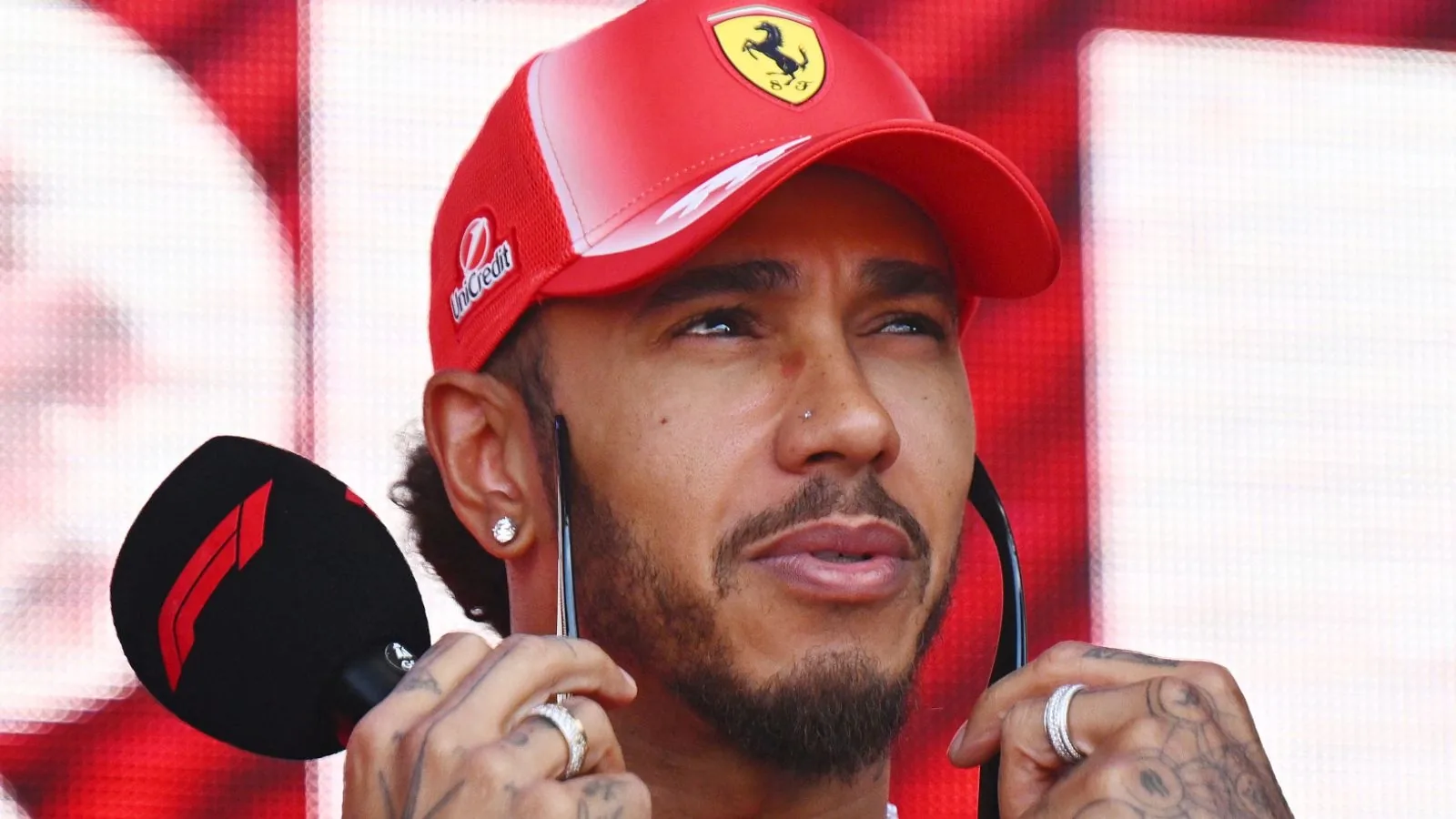
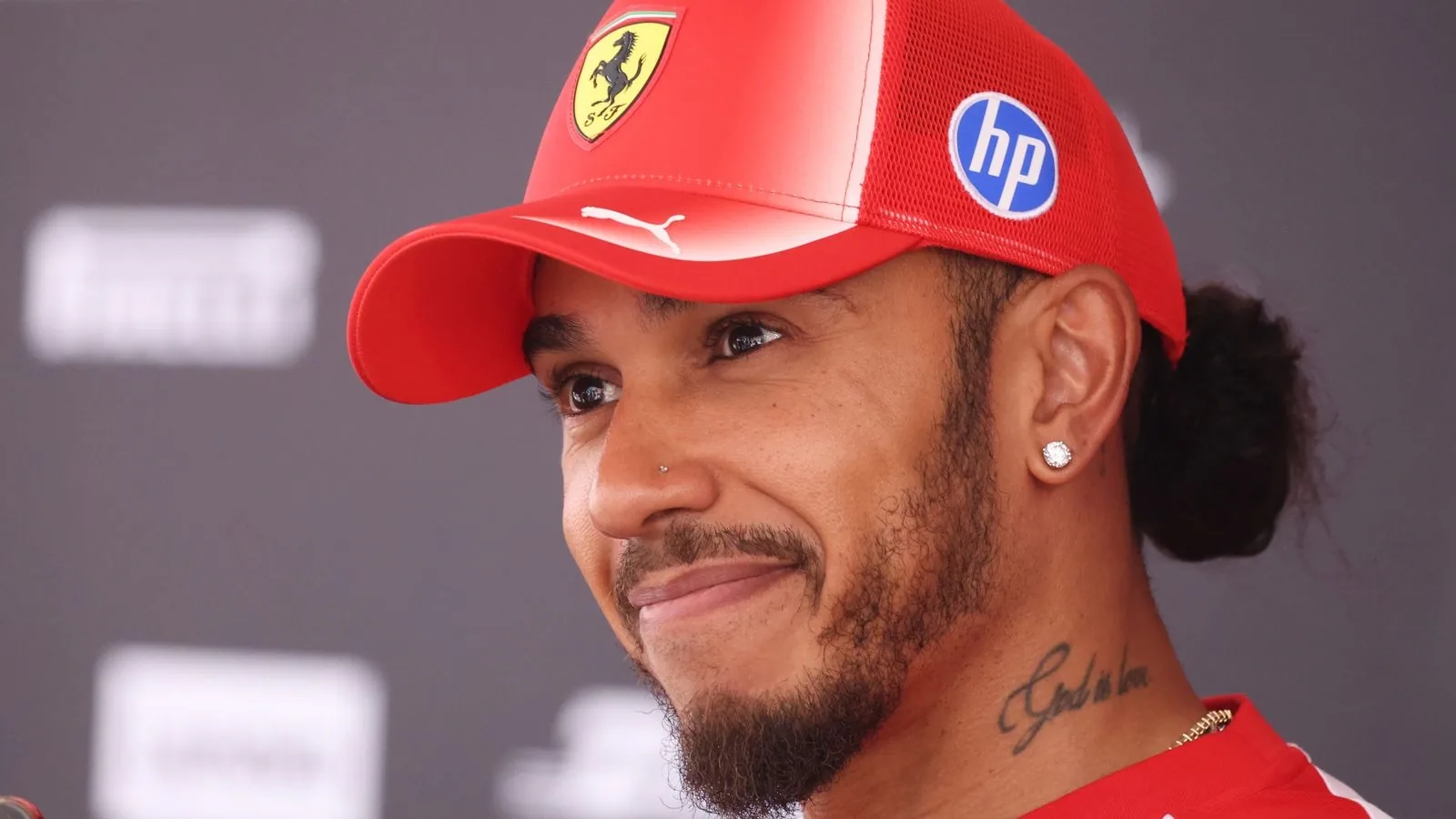
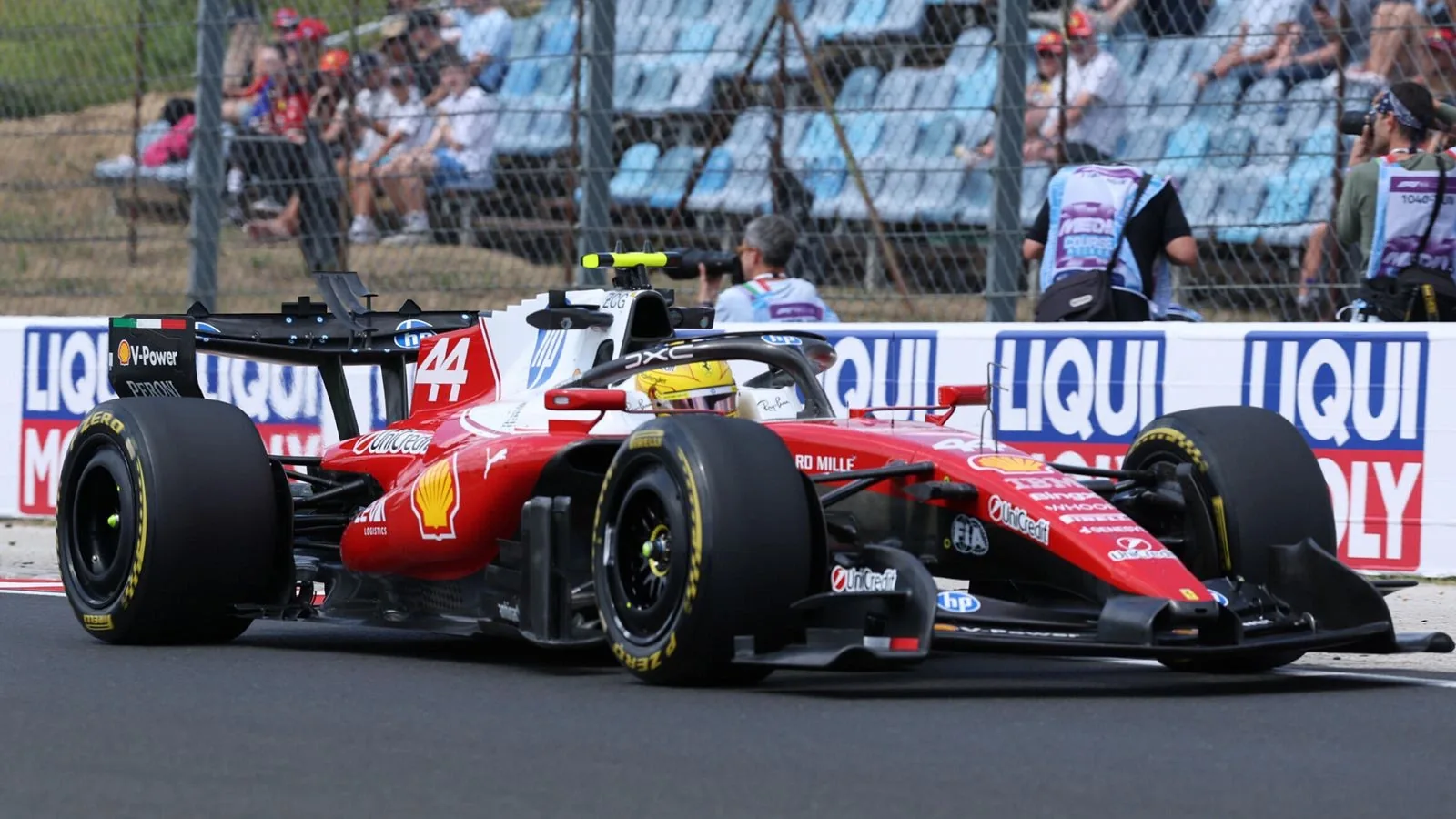
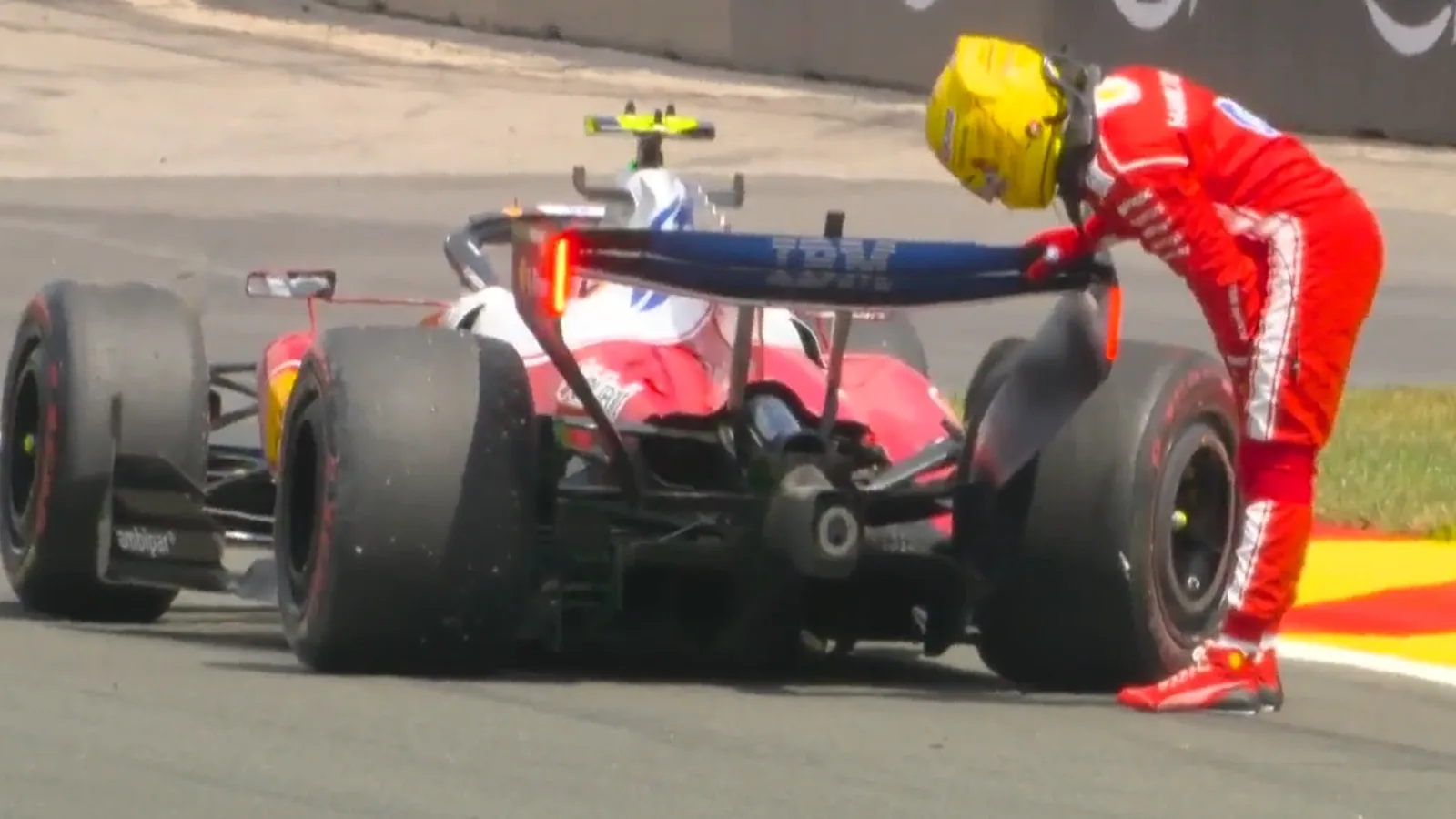
The Ferrari engineering crew is currently engaged in an intensive repair cycle following a significant impact during the final practice session at the Belgian Grand Prix. The incident occurred at Turn 13, where the SF-26 sustained substantial right-rear damage after a terminal excursion into the gravel trap. The structural integrity of the rear suspension assembly remains the primary concern for the team as they attempt to ready the chassis for the 3pm qualifying session.
The incident mirrors the mechanical failure experienced by the Alpine entry of Pierre Gasly on Friday, highlighting a critical sensitivity in the track's current surface aggregate at that specific apex. The driver, Lewis Hamilton, confirmed the severity of the contact via team radio, noting the inability to return the vehicle to the pit lane under its own power.
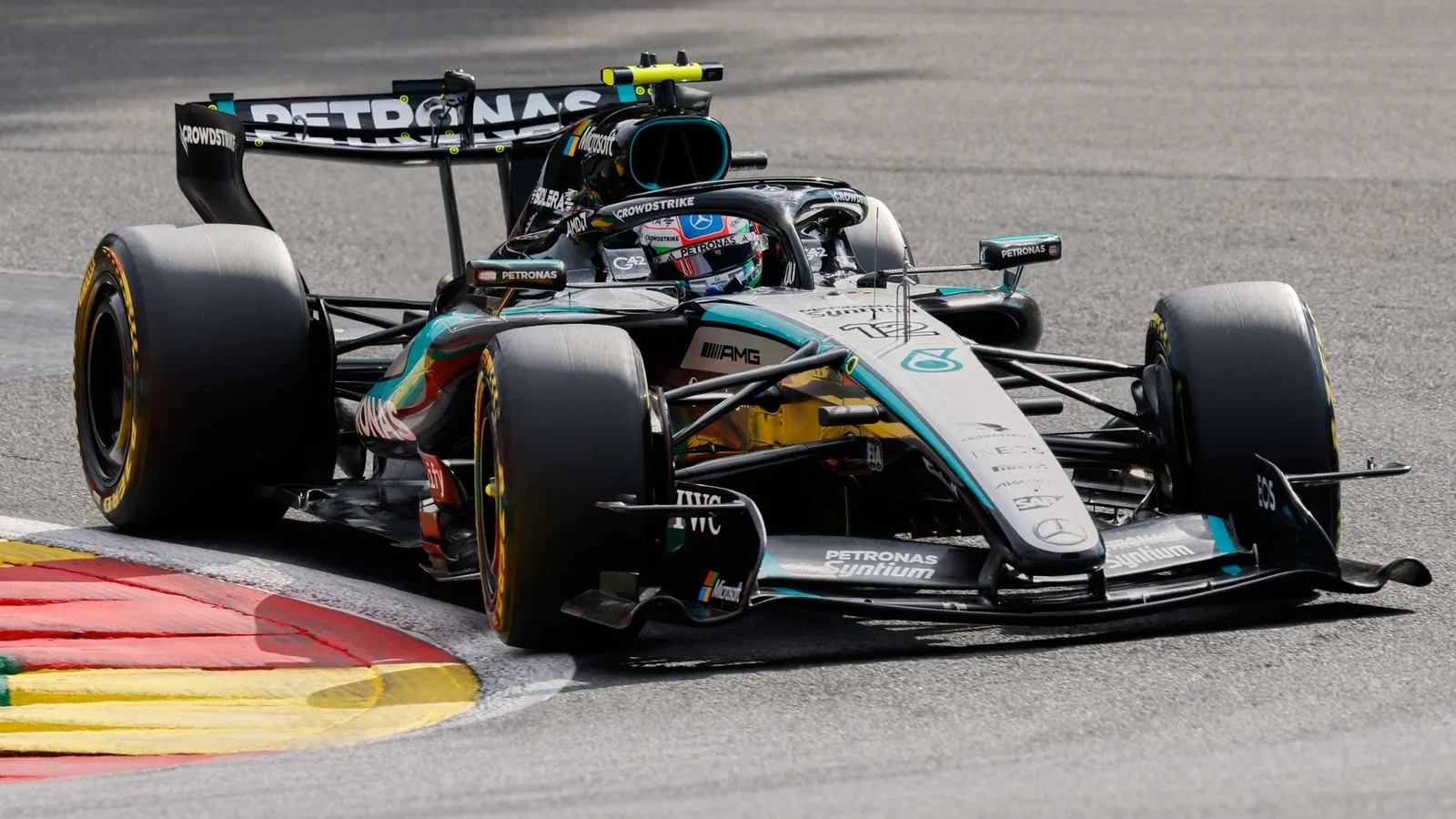
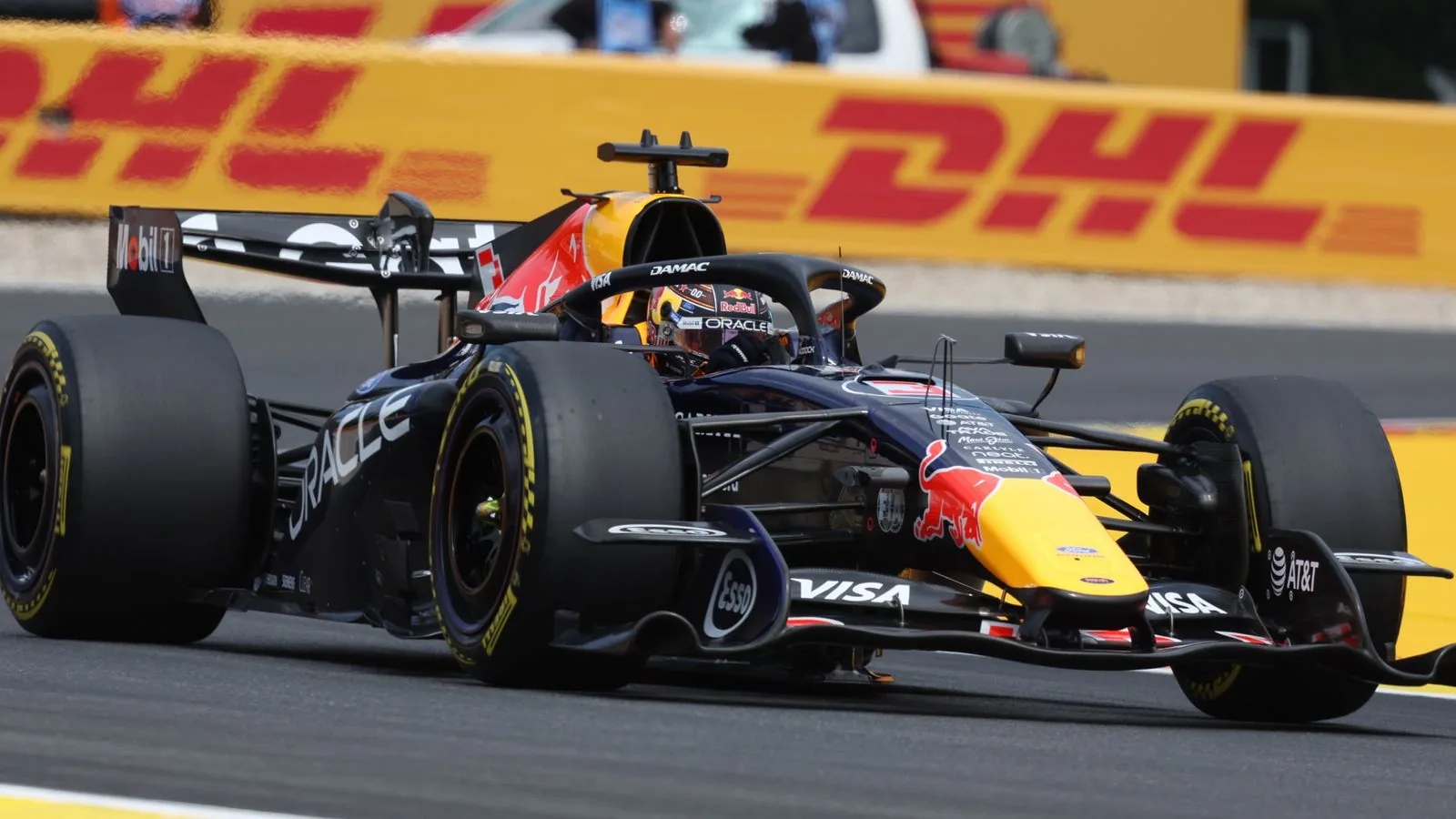
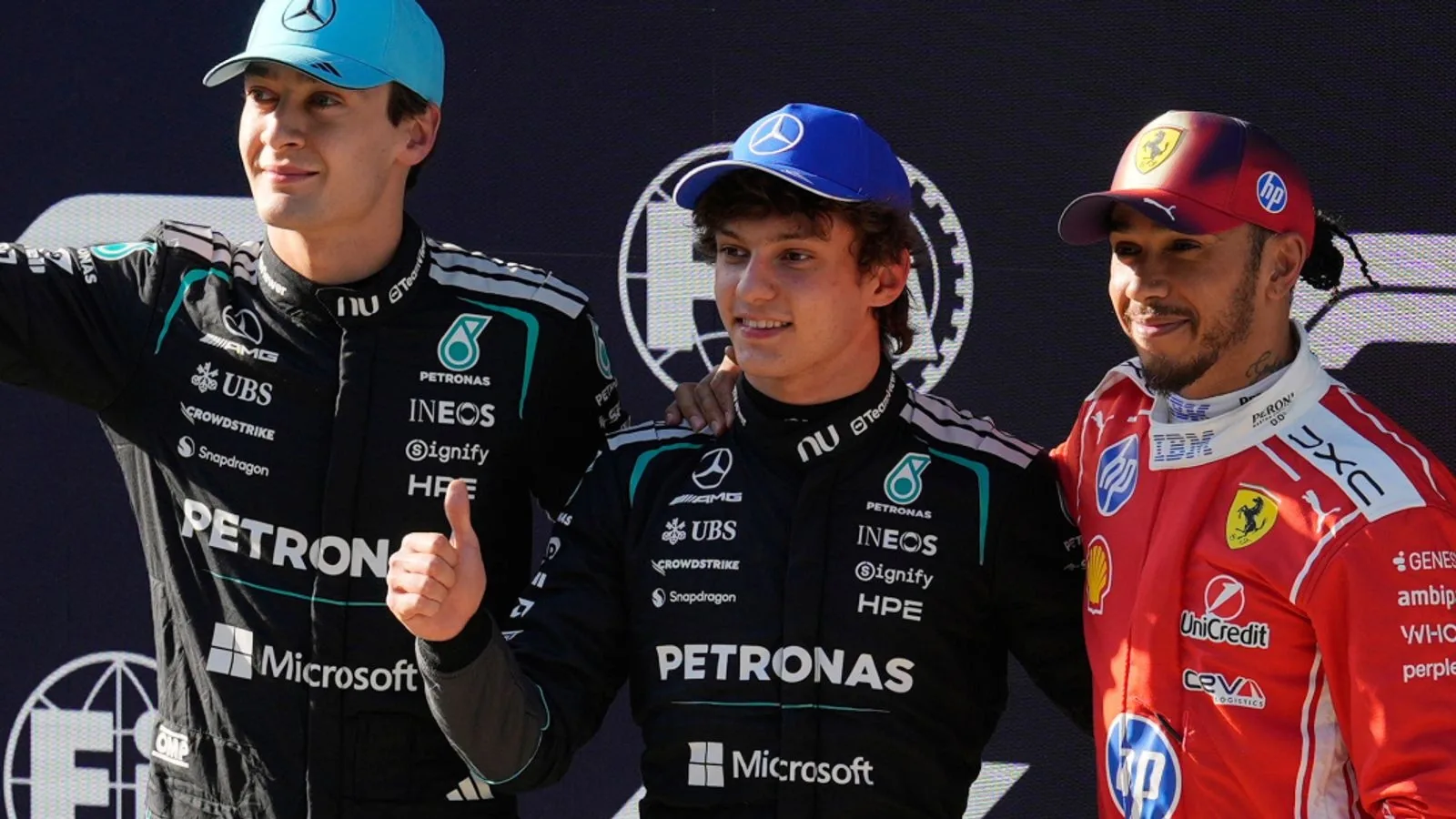
While the Ferrari garage manages the recovery, the session was defined by the clinical precision of Kimi Antonelli. The Mercedes championship leader continues to demonstrate a superior understanding of the circuit's thermal management requirements, topping the timesheets for the second consecutive session. Despite a reduced 25-point lead in the standings, Antonelli maintained a 0.1s advantage over Lando Norris and Max Verstappen, even without optimizing his final soft-tyre run.
George Russell secured the fourth-fastest time, followed by the Ferrari pair. McLaren’s Lando Norris, despite his pace, faces a 10-place grid penalty due to power-unit component changes, shifting the strategic burden for the Woking-based team onto Oscar Piastri. Further down the order, Audi’s Nico Hulkenberg and Gabriel Bortoleto showed improved form, while Isack Hadjar’s session was truncated by a mechanical stoppage in the pit lane.
Track Surface Composition
The Spa-Francorchamps circuit currently features a high-abrasion bituminous mixture with a high percentage of crushed porphyry aggregate. This specific composition is designed to maintain high friction coefficients under thermal stress, yet it exhibits a tendency to trap loose debris at the exit of high-speed corners like Turn 13. The resulting 'marbles'—a byproduct of tyre degradation—create a non-linear grip profile that complicates the chassis's aerodynamic balance during the transition from high-load cornering to acceleration.