Reporting note: this article draws on Sky Sports; PGLive provides the summary and editorial framing.
Technical Dominance at Spa-Francorchamps
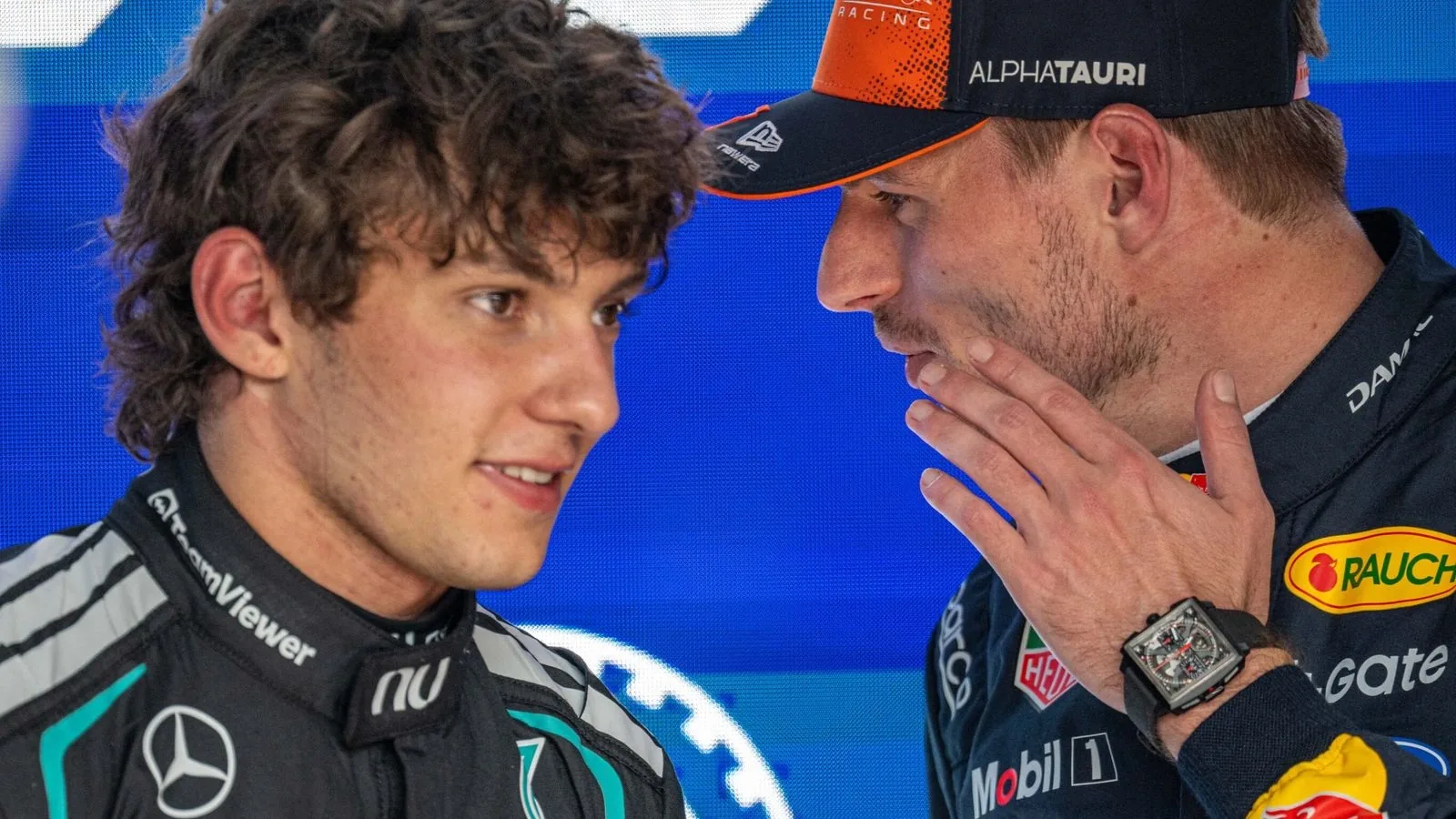
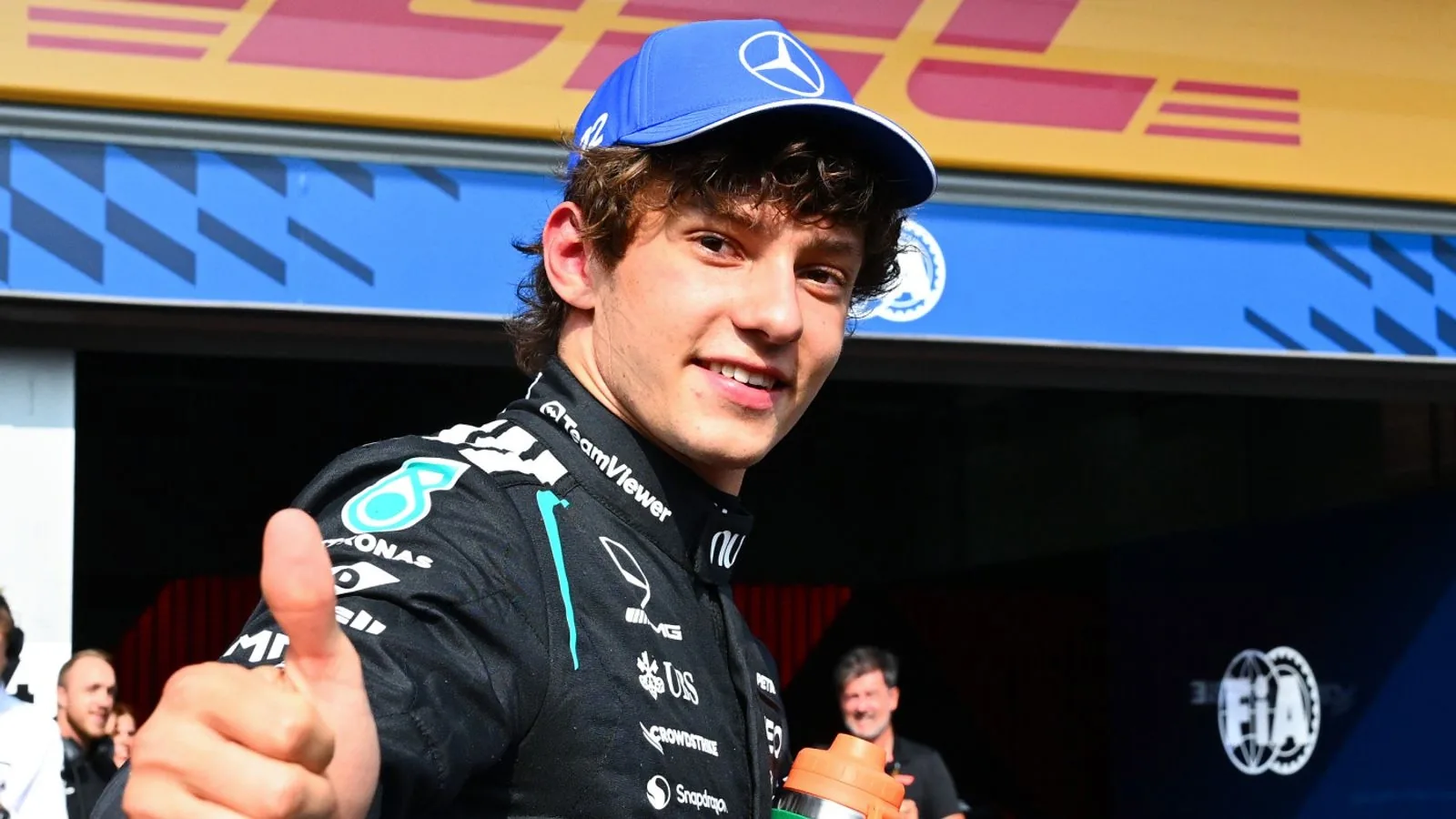
The second practice session for the Belgian Grand Prix saw a significant recalibration of the field, with championship leader Kimi Antonelli reclaiming the top spot after a lackluster opening session. The Mercedes driver utilized a series of aggressive setup adjustments to finish nearly two-tenths of a second ahead of McLaren’s Lando Norris. This performance underscores the ongoing engineering tug-of-war between the top constructors as they navigate the high-speed demands of the Spa circuit.
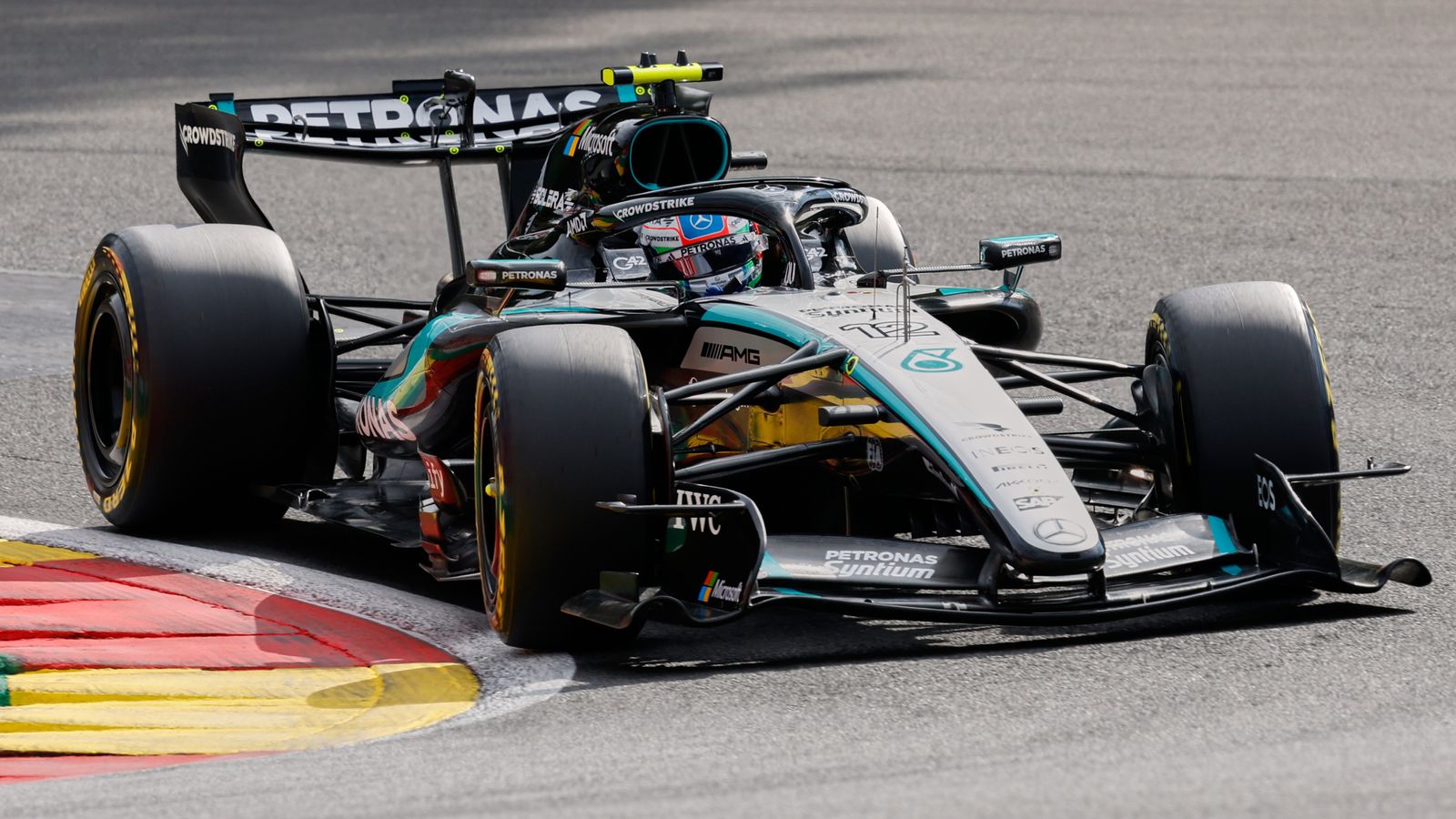
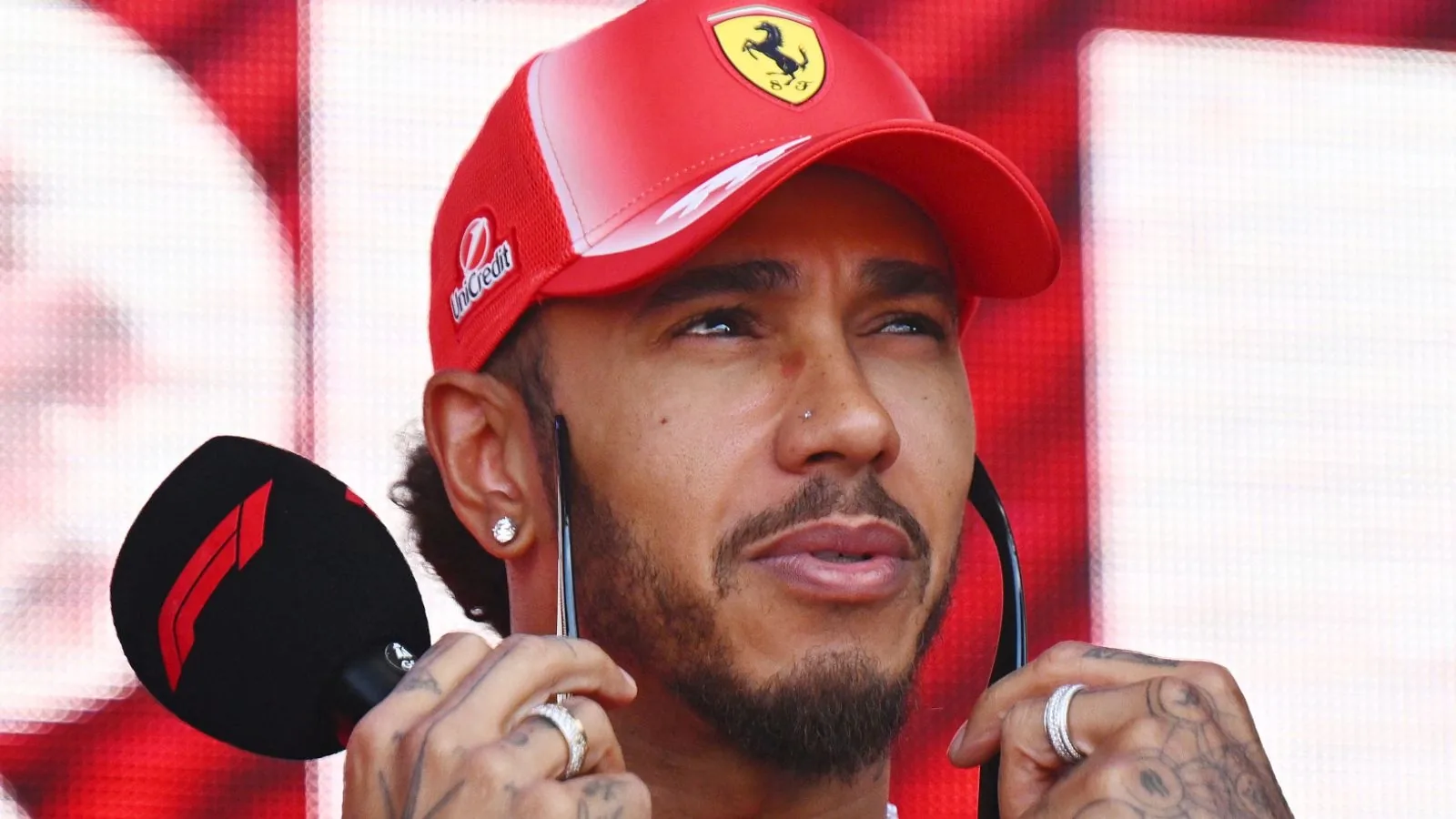
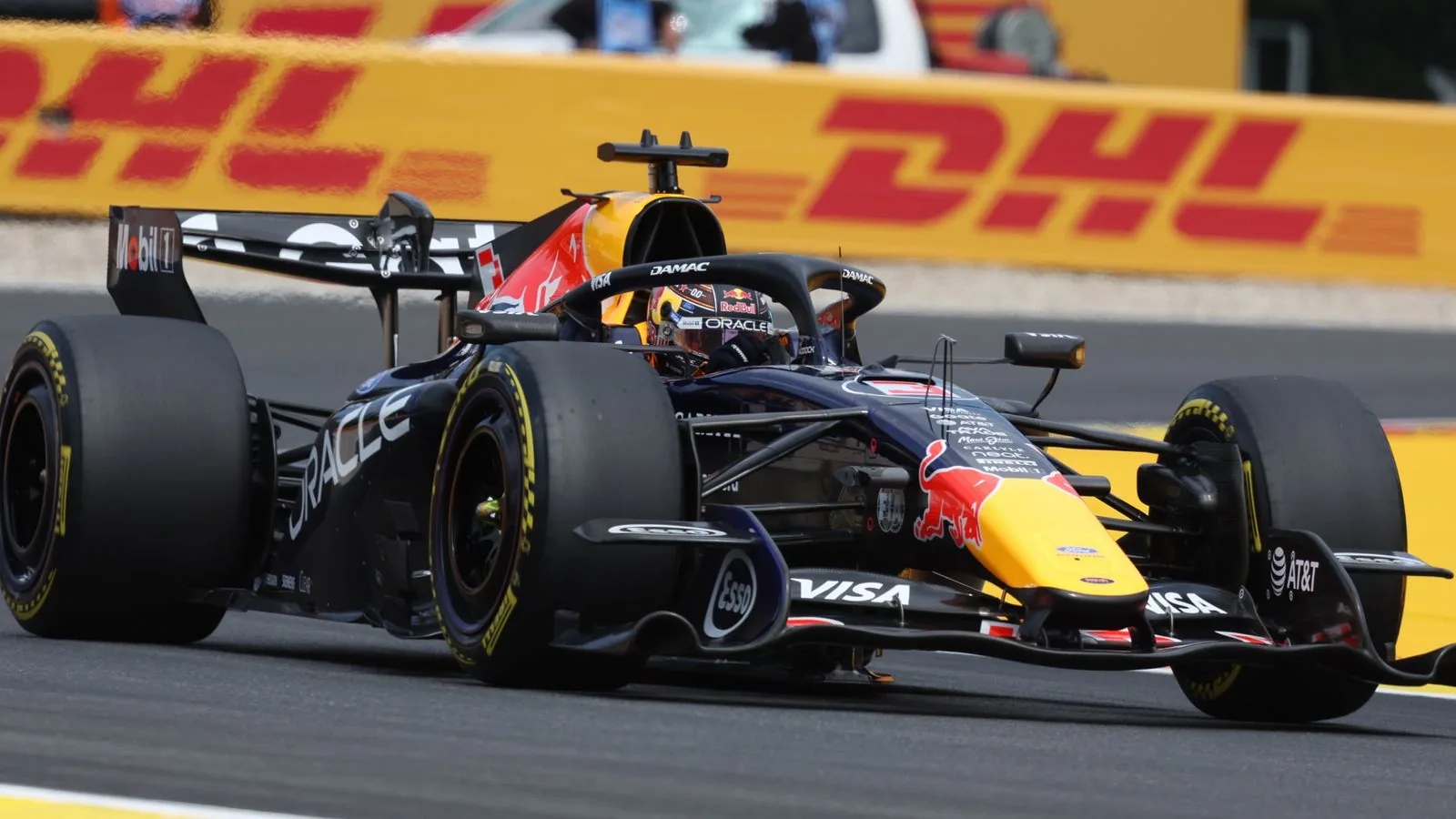
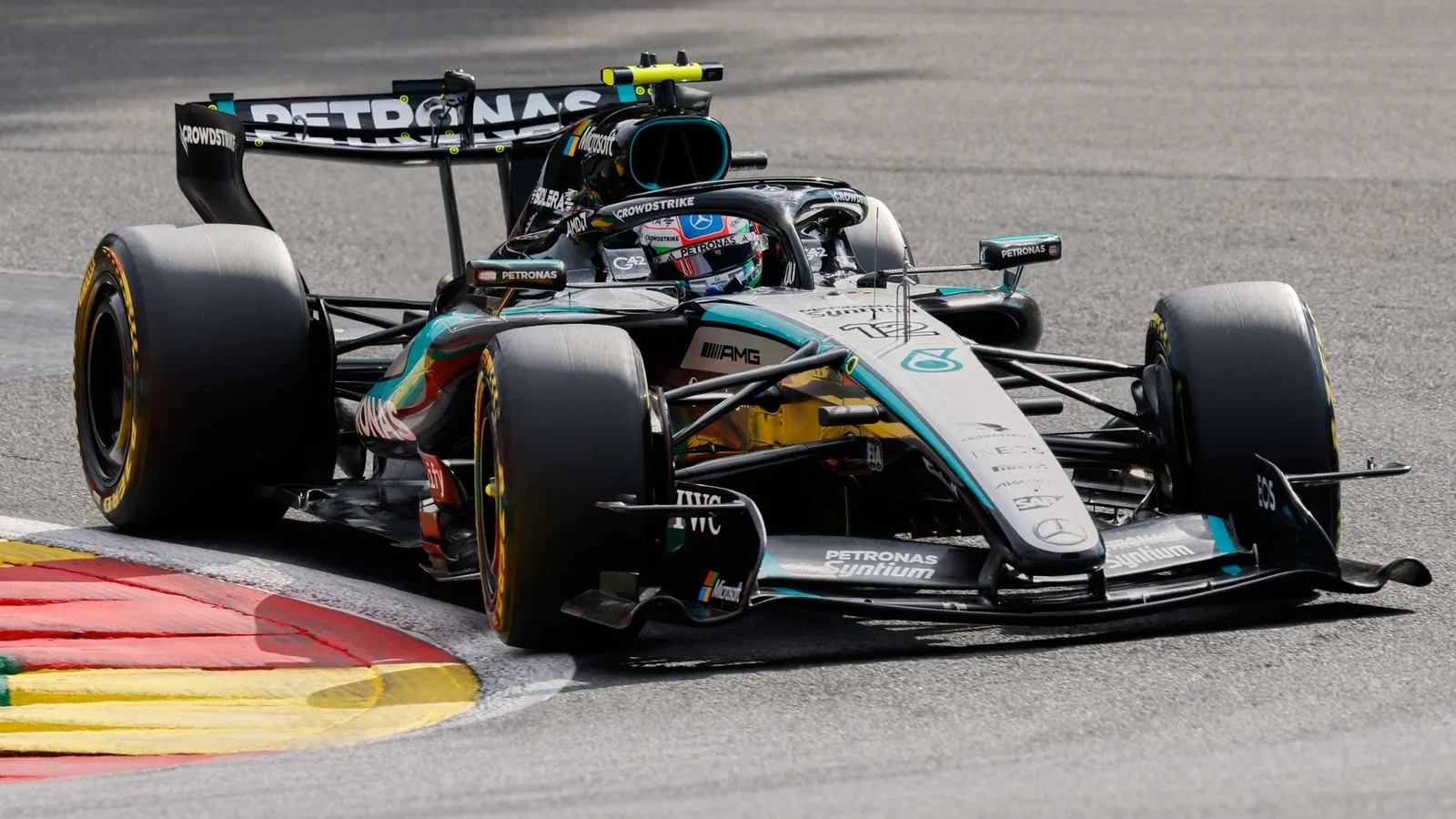
The session was characterized by significant variance in chassis performance. While Antonelli found a stable operating window for his W17, his teammate George Russell struggled to find mechanical grip, finishing eighth and over 1.2 seconds off the pace. Meanwhile, Lewis Hamilton, driving for Ferrari, secured fourth place, though he remained three-quarters of a second behind the benchmark set by the championship leader. Max Verstappen, representing Red Bull, rounded out the top three but spent much of the session expressing frustration over gear-shift synchronization, a critical variable in the complex telemetry of modern power units.
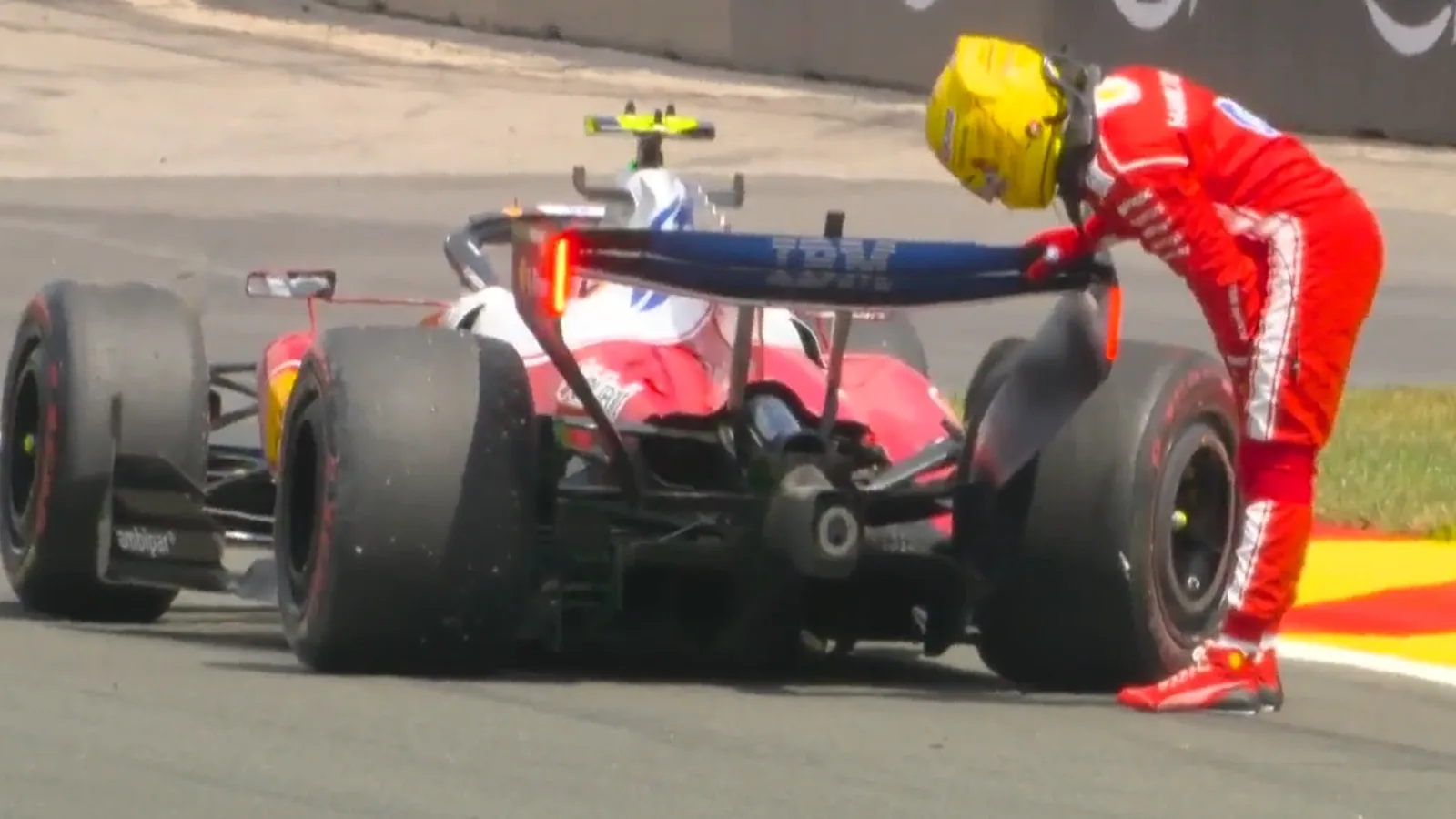
The broader standings context remains fluid as the season progresses. Antonelli’s ability to extract performance despite recent mechanical failures—specifically in Barcelona and Silverstone—suggests a robust development trajectory for the Mercedes engineering team. However, the grid remains volatile; Lando Norris and Isack Hadjar are already confirmed to serve 10-place grid penalties for exceeding engine component allowances. Furthermore, Ferrari faces potential regulatory scrutiny after failing to return tires to Pirelli in accordance with FIA protocols, a procedural oversight that could impact their starting positions.
The session was punctuated by two red-flag incidents, the most significant being a heavy impact involving Alpine’s Pierre Gasly, which effectively truncated the final quarter of the practice time. As teams move toward qualifying, the focus shifts to the track surface itself. The Spa-Francorchamps circuit features a complex aggregate composition, primarily consisting of high-friction limestone and bitumen binders designed to withstand the extreme lateral loads of the Eau Rouge and Blanchimont sections. The track’s drainage characteristics, influenced by its geological positioning in the Ardennes, remain a primary concern for tire degradation models as teams finalize their race-day strategies.