Reporting note: this article draws on Sky Sports; PGLive provides the summary and editorial framing.
Technical Assessment of the Belgian Grand Prix Practice Sessions
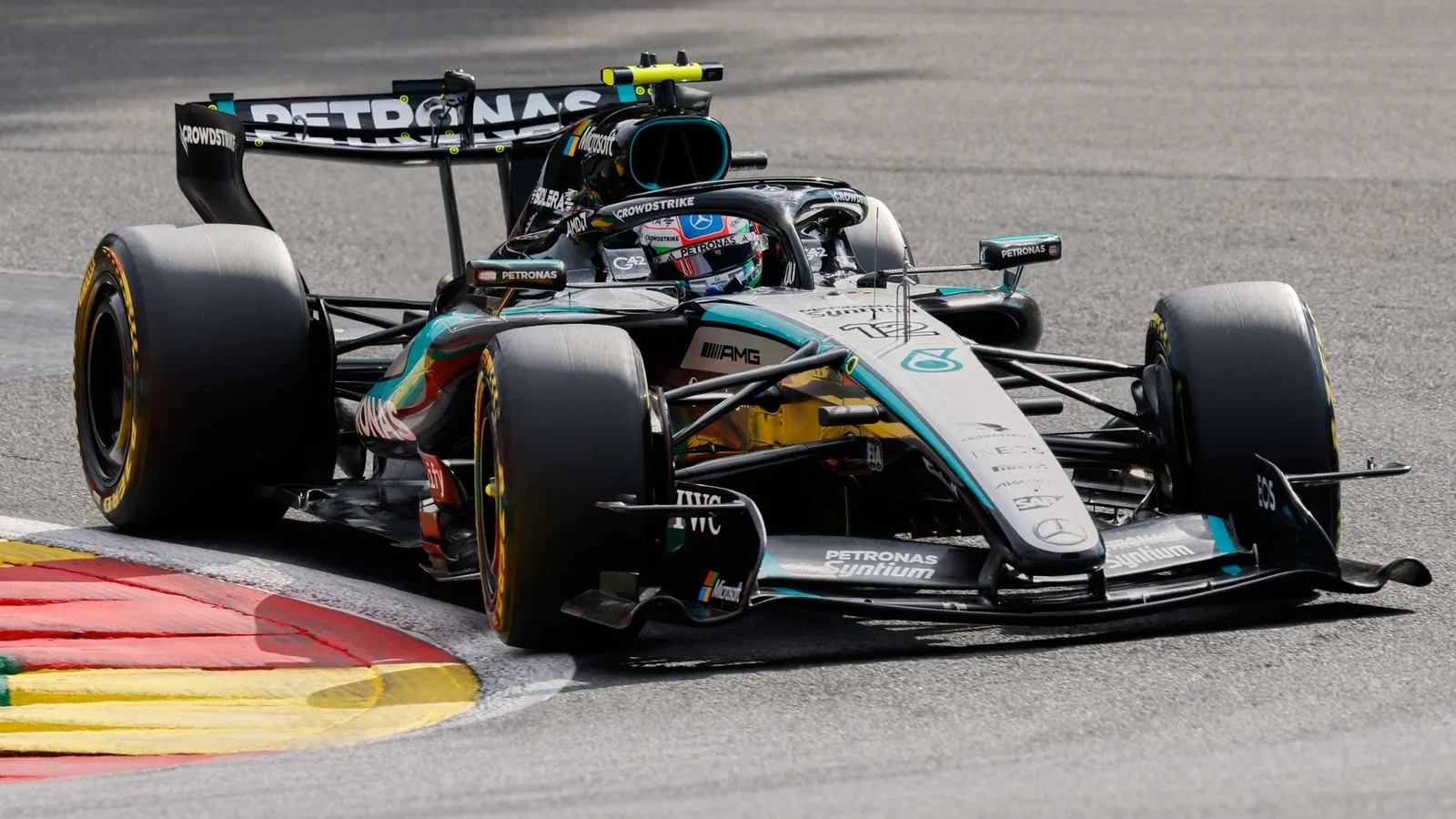
The opening day of the Belgian Grand Prix at Spa-Francorchamps has revealed a significant performance delta between the front-running Mercedes chassis and the Ferrari contingent. While the circuit remains a high-speed test of aerodynamic efficiency and power unit deployment, the current standings—led by Kimi Antonelli—underscore the mounting pressure on the chasing pack to bridge the gap before Saturday’s qualifying session.
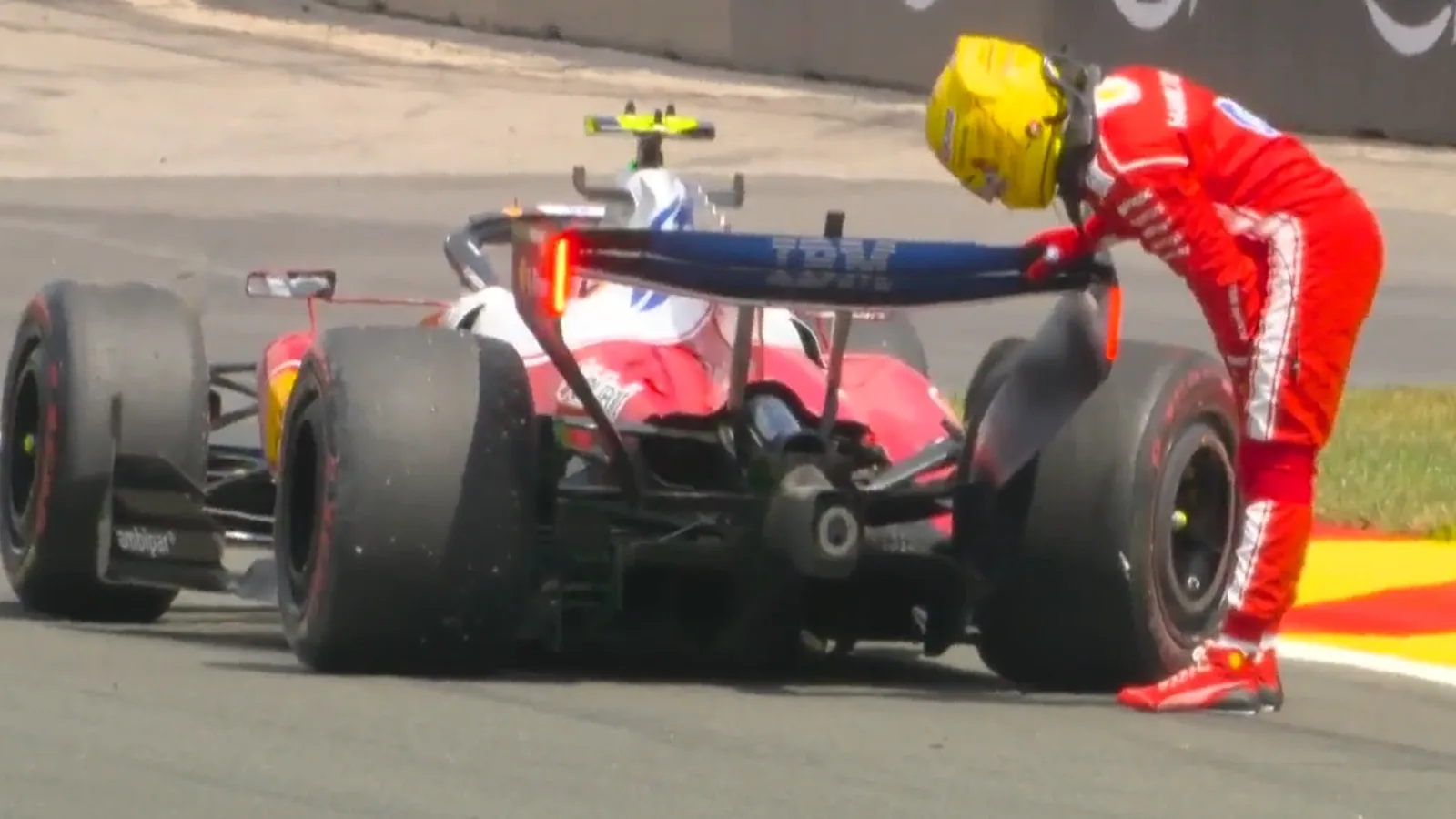
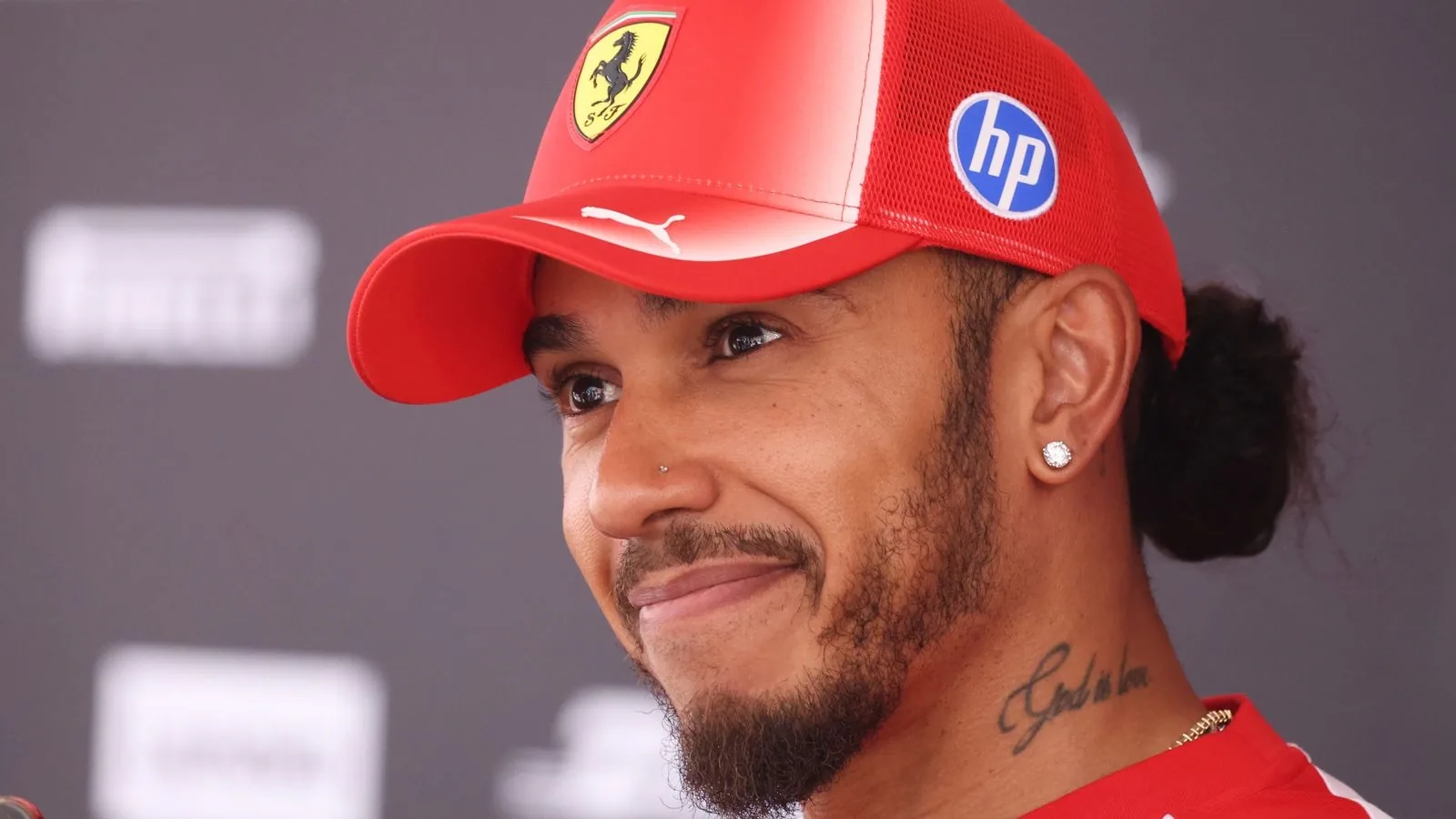
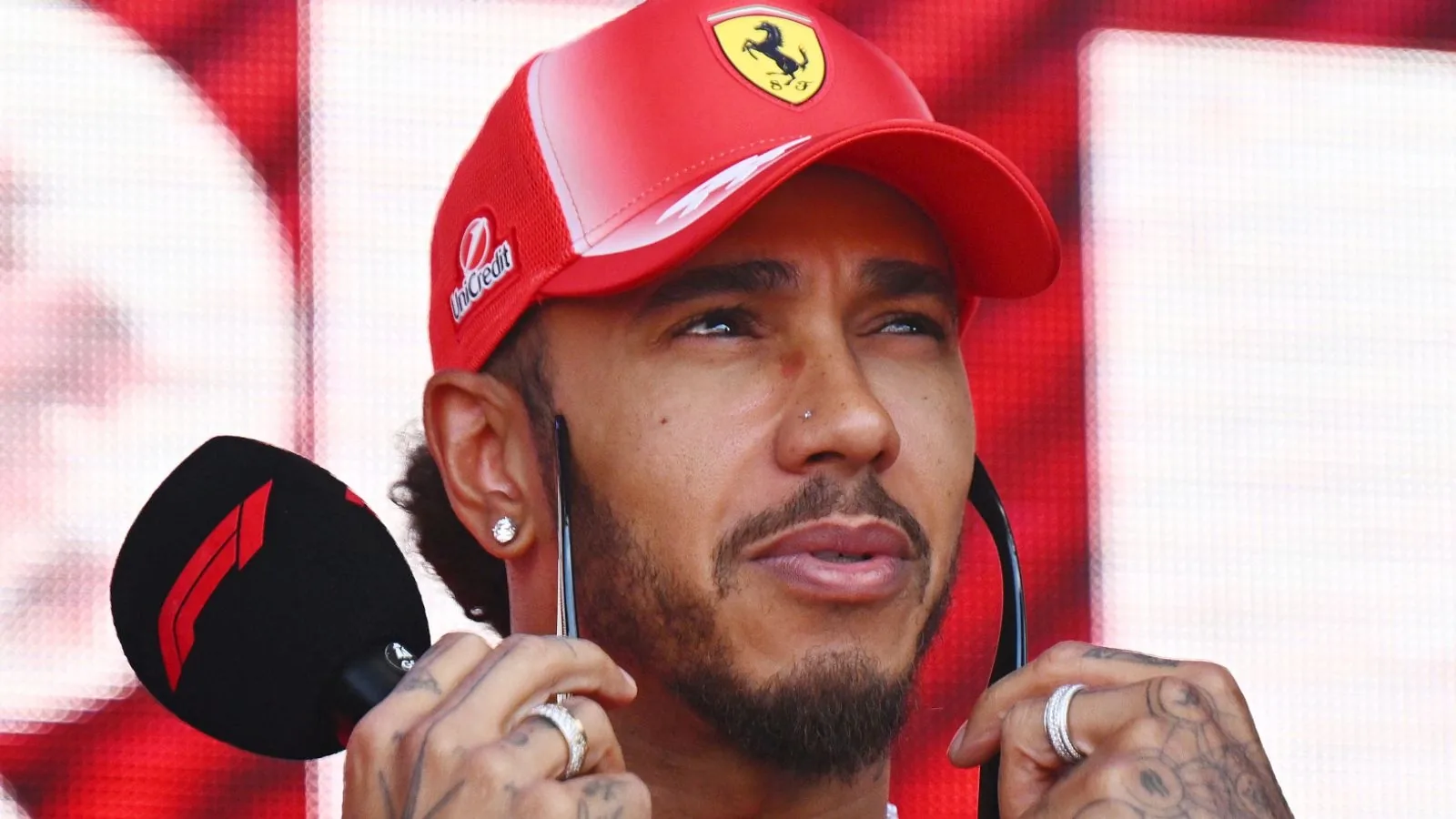
Lewis Hamilton, currently third in the championship standings, noted that the seven-tenth deficit observed in the second practice session was larger than the team’s initial simulations had predicted. Despite a relatively clean Friday, the Ferrari driver identified the technical challenges within the circuit's middle sector as the primary area requiring immediate calibration. Hamilton, who has secured four podium finishes in his last five outings, remains focused on refining the car's balance to better compete with the pace set by Antonelli and the McLaren of Lando Norris.
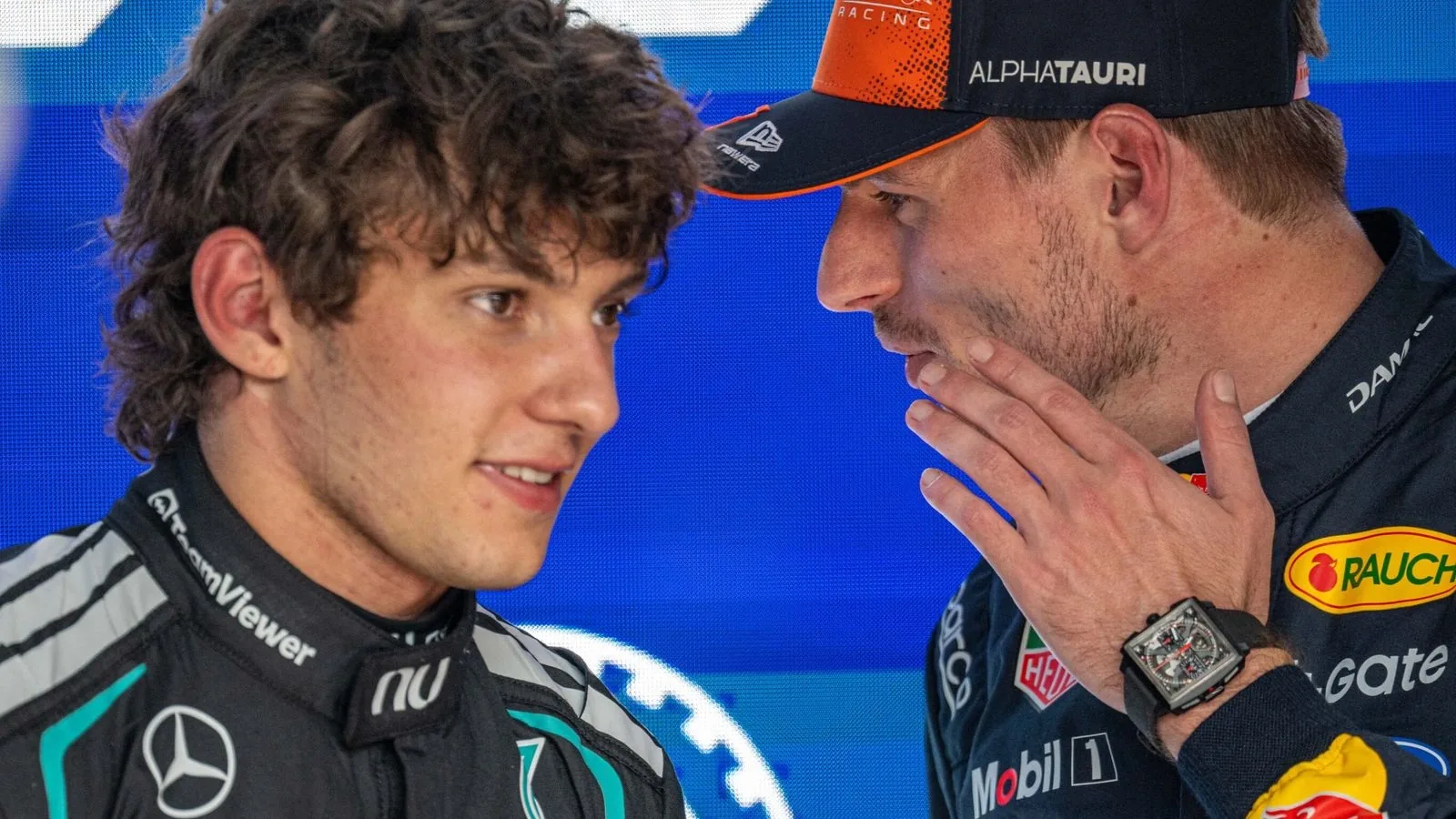
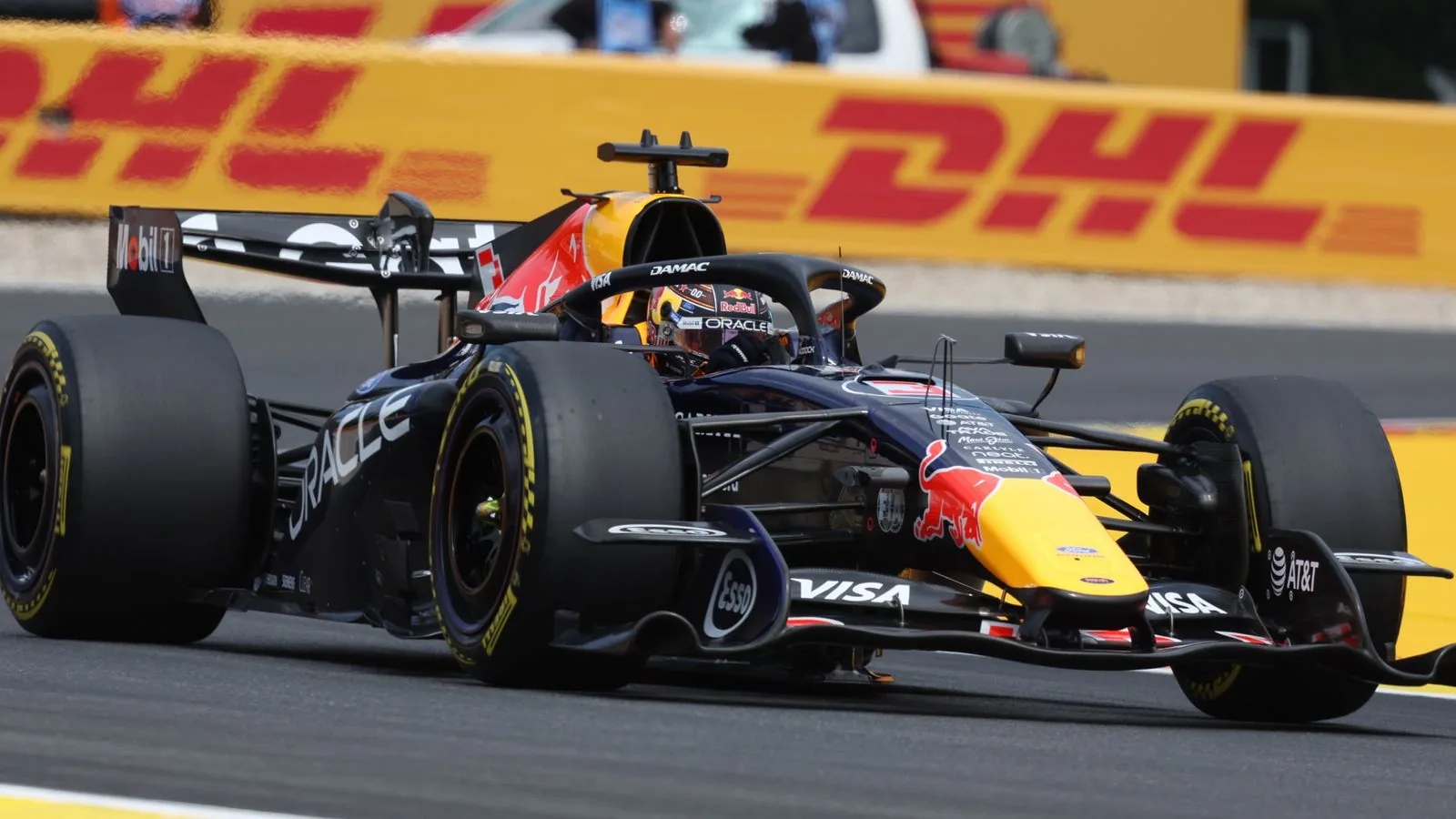
The current competitive landscape sees Kimi Antonelli holding a 25-point lead over George Russell, with Hamilton trailing by an additional seven points. As the field prepares for final practice and qualifying, the focus shifts to whether Ferrari can optimize their downforce levels to match the efficiency shown by the Mercedes and Red Bull packages. Max Verstappen, meanwhile, continues to manage his own technical package, noting that while the balance of his car was consistent, the true performance hierarchy remains obscured by varying fuel loads and engine modes across the grid.
The Spa-Francorchamps surface itself remains a critical variable in this weekend's proceedings. The track is characterized by a high-grip aggregate composition, featuring a dense mixture of crushed limestone and bitumen designed to withstand the extreme lateral forces generated through high-speed corners like Eau Rouge and Blanchimont. The thermal degradation of this surface, combined with the circuit's notorious micro-climates, often forces engineers to favor a compromise setup that balances high-speed stability with the mechanical grip required for the technical middle sector.