Reporting note: this article draws on Sky Sports; PGLive provides the summary and editorial framing.
Technical Disparity and Championship Proximity
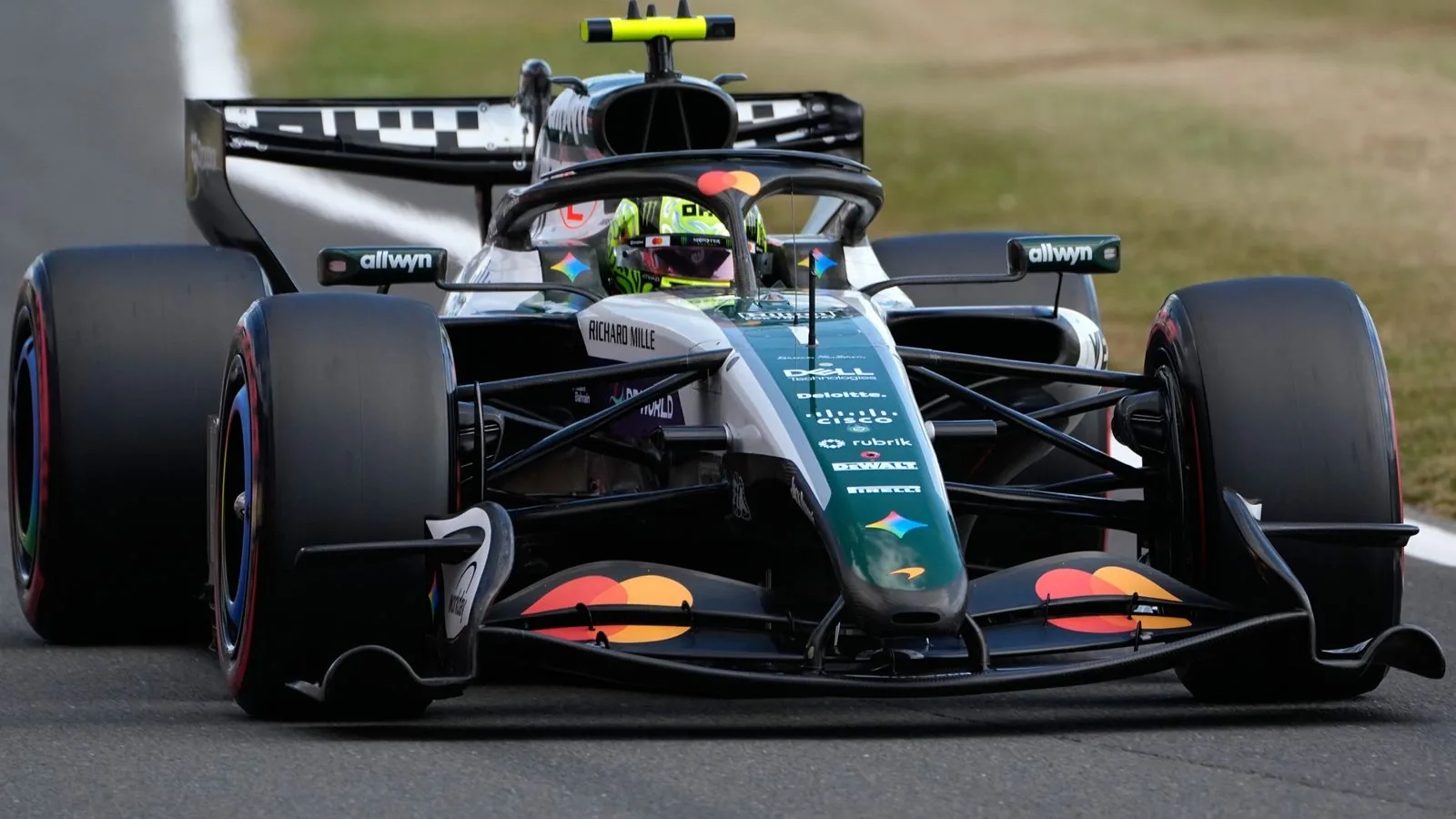
As the 2026 Formula 1 season approaches its mid-point, the competitive architecture of the Drivers' Championship remains unexpectedly compressed. Despite Mercedes maintaining a clear performance advantage in terms of raw chassis pace, the gap between the leaders and the chasing pack has failed to widen, largely due to intermittent reliability failures within the Silver Arrows' garage.
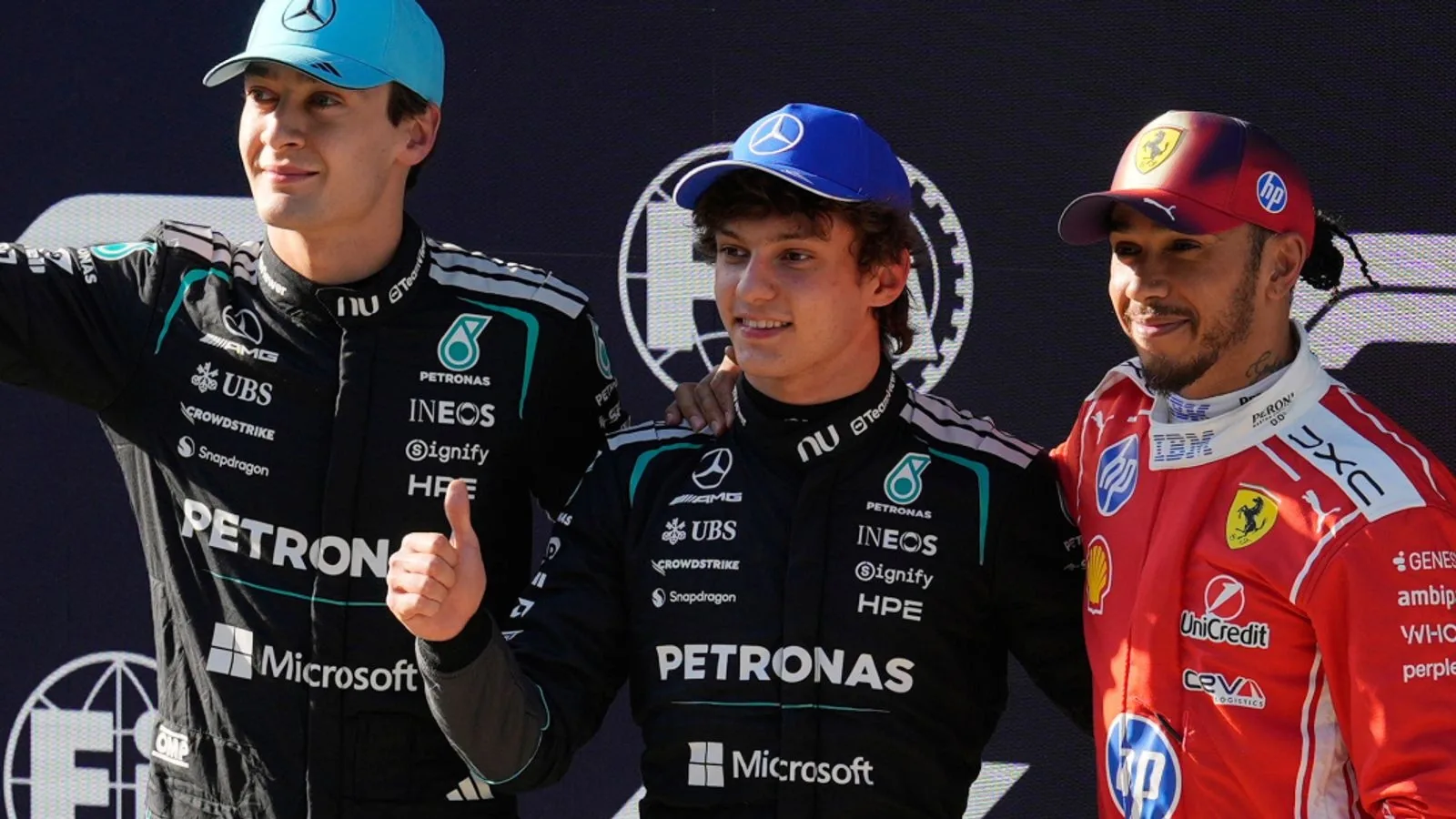
Kimi Antonelli currently holds the lead in the standings, sitting 25 points ahead of teammate George Russell. Lewis Hamilton, now driving for Ferrari, remains within striking distance, trailing the championship leader by 32 points. While Mercedes holds a commanding 78-point lead in the Constructors' Championship, the individual standings suggest a more volatile narrative driven by the mechanical consistency of the respective power units.
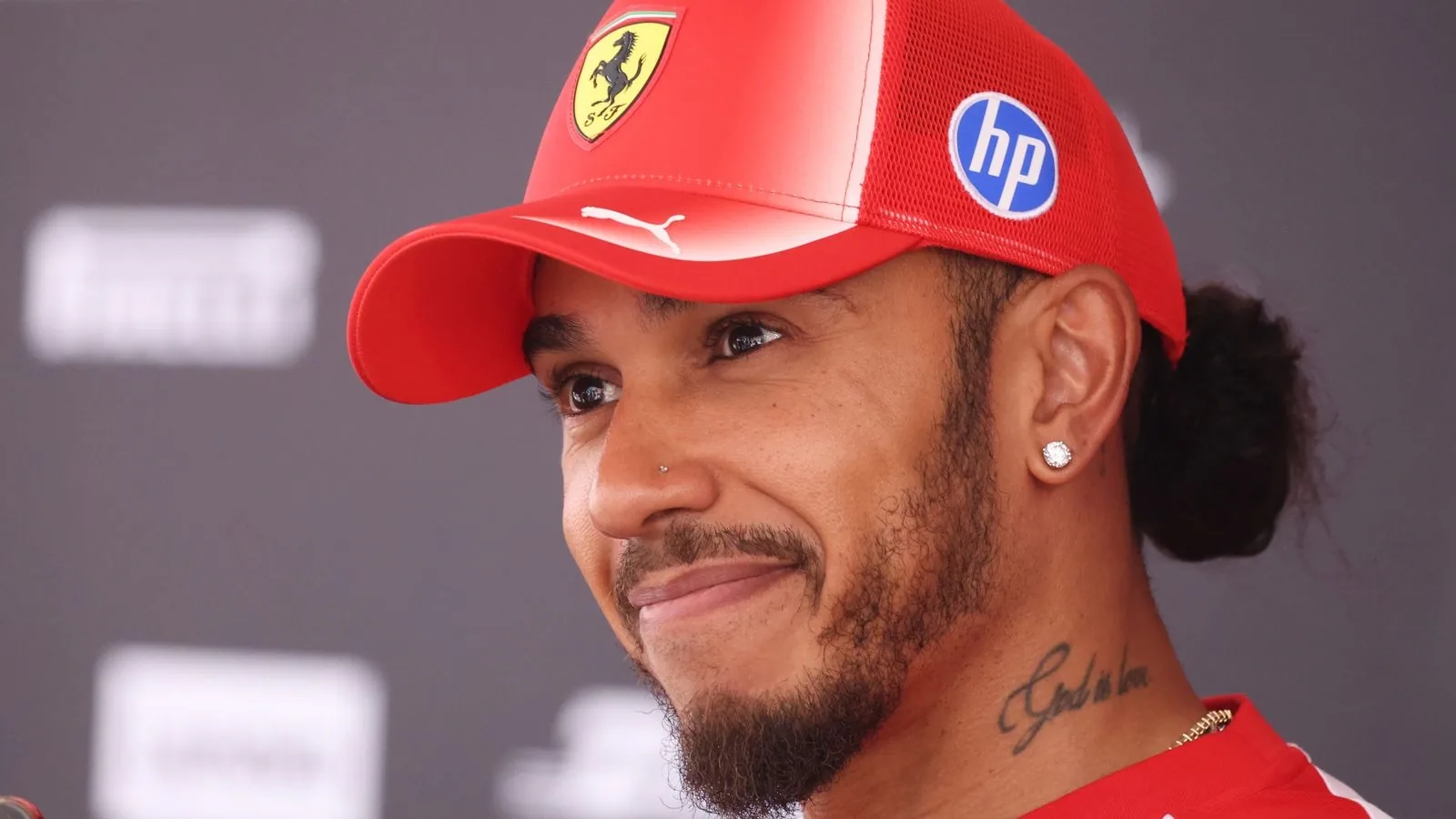
Reflecting on the current state of the table, Lewis Hamilton noted that the Mercedes duo of Kimi Antonelli and George Russell should theoretically be further ahead given the inherent speed of their machinery. Hamilton has maintained a consistent performance profile, having not finished outside the top six in any race this season, bolstered by four podium finishes in his last five outings, including a victory in Barcelona.
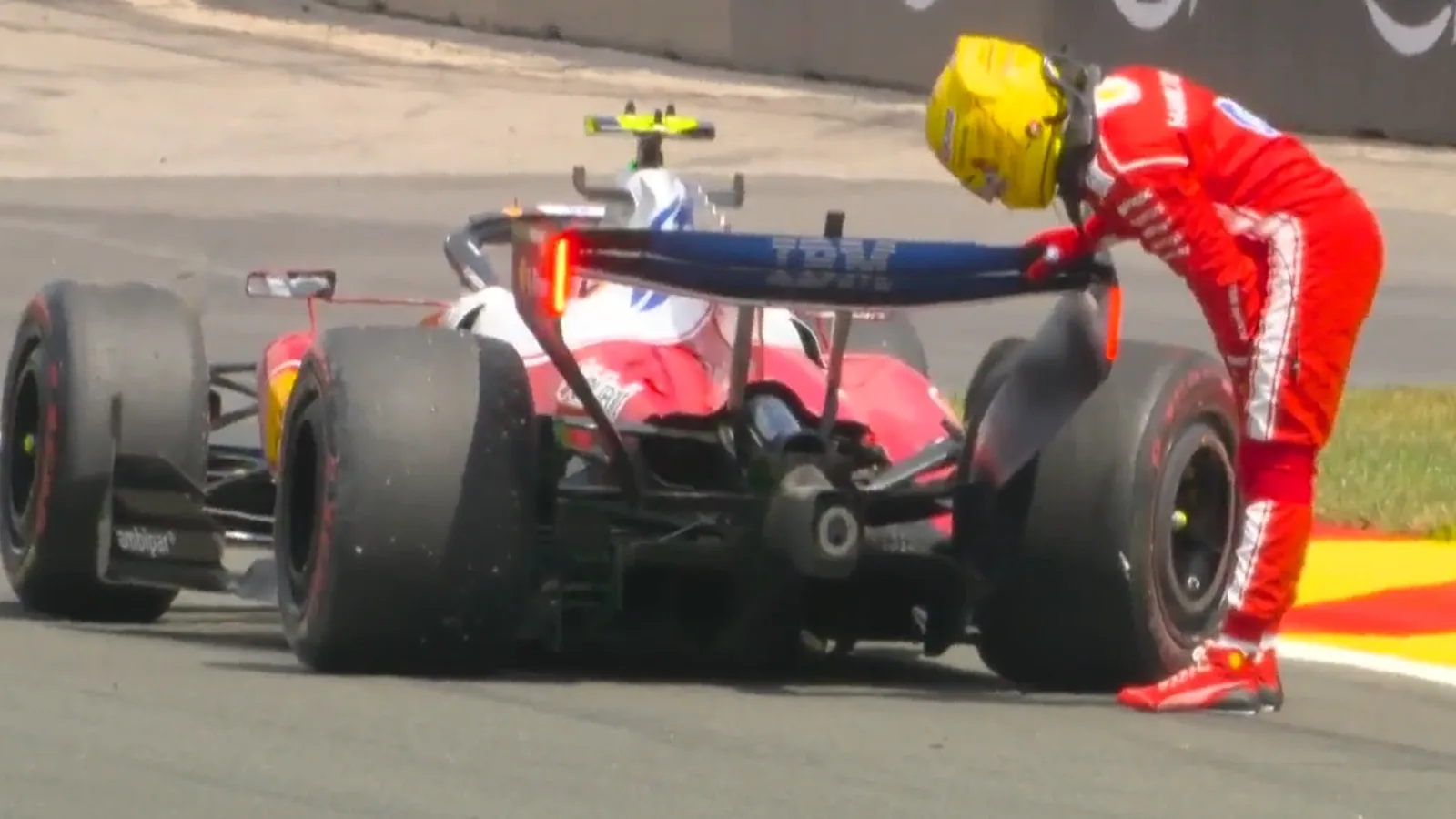
The reliability of the Ferrari package has emerged as a critical variable. Hamilton emphasized that the team’s ability to construct a car that balances high-speed output with mechanical longevity is the primary factor keeping his title aspirations alive. As the paddock moves to Spa-Francorchamps, the focus shifts to whether these reliability trends will hold through the final double-header before the summer break.
Away from the technical paddock, Hamilton expressed his disappointment regarding the recent result for the England football team at the FIFA World Cup 2026™. While the national team's exit in the FIFA World Cup 2026 bracket remains a point of reflection, the driver is now recalibrating his focus toward the upcoming Belgian Grand Prix, aiming to extract maximum point yield from the Ferrari chassis on a circuit defined by its high-speed demands and complex elevation changes.
The Spa-Francorchamps circuit itself remains a study in geological and engineering compromise. The track surface, laid over the undulating topography of the Ardennes, utilizes a high-friction aggregate composition designed to withstand the extreme lateral loads exerted by modern ground-effect cars. The bitumen binder, specifically formulated for the region's high thermal variance, requires precise tire pressure management to prevent surface degradation during the high-speed compression of the Eau Rouge-Raidillon sequence.