Reporting note: this article draws on Sky Sports; PGLive provides the summary and editorial framing.
The 2026 Championship Landscape
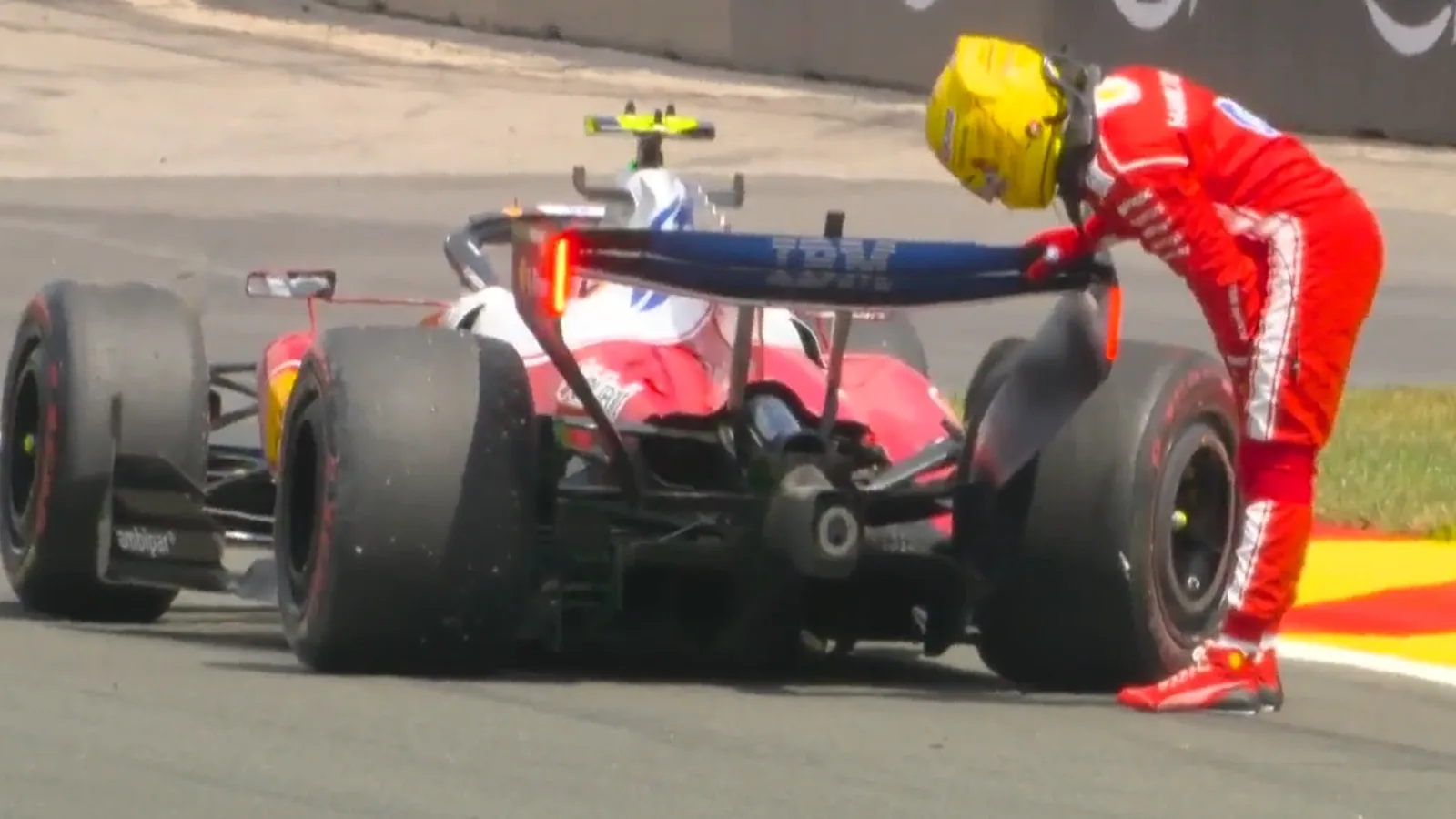
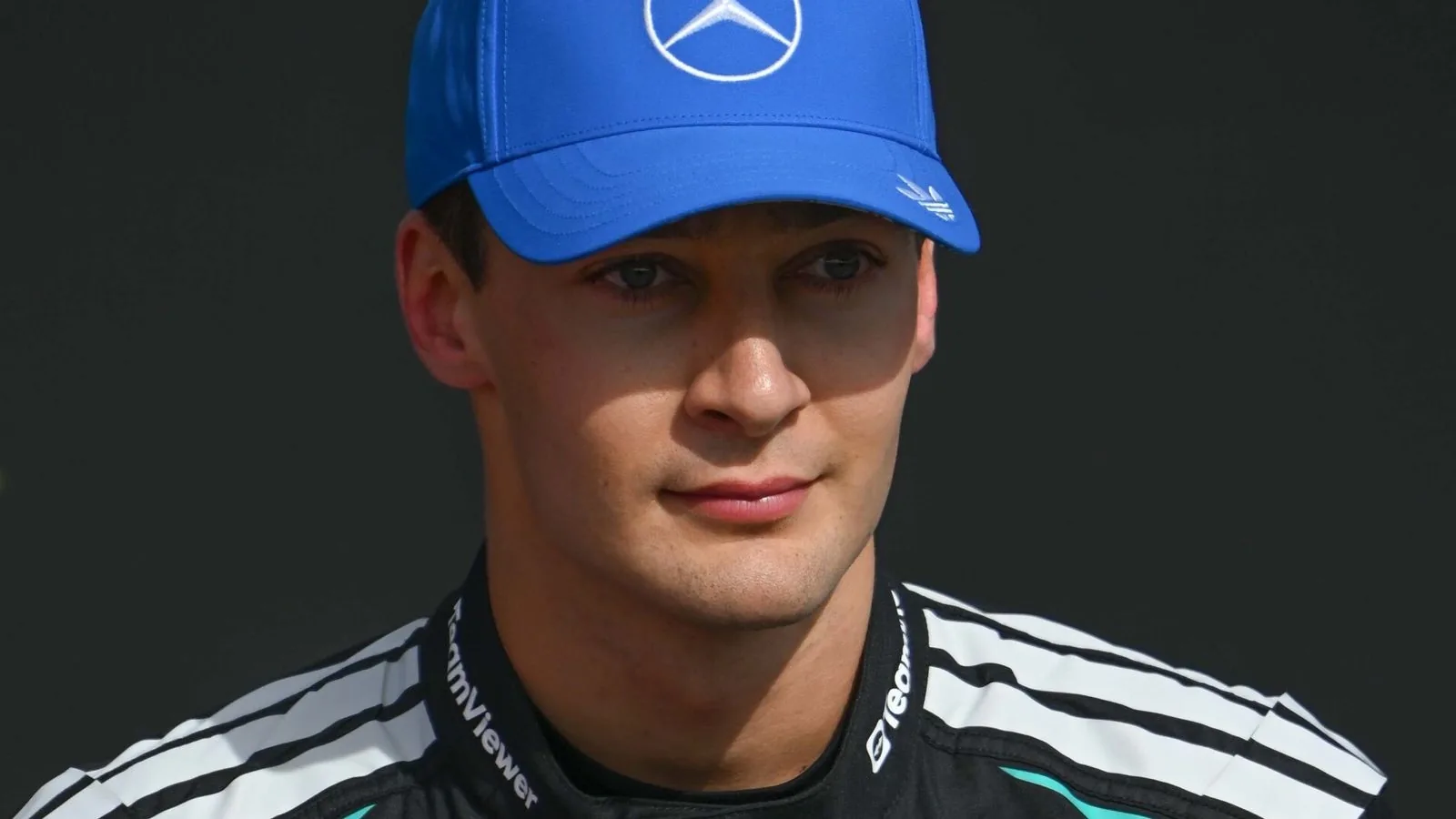
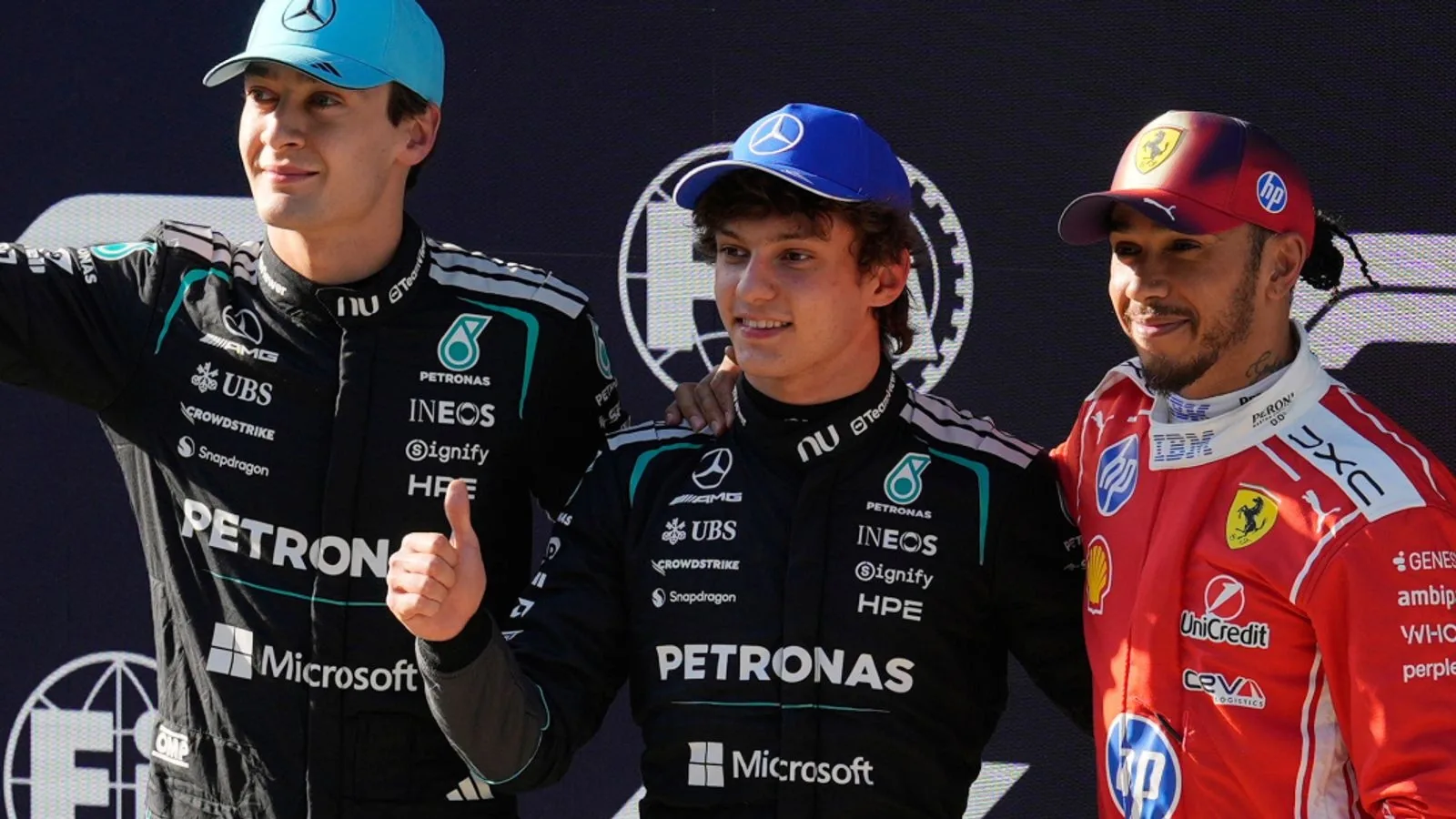
As the 2026 Formula 1 season approaches its mid-point, the championship standings remain in a state of flux. Kimi Antonelli currently leads the drivers' table, holding a 25-point advantage over his Mercedes teammate George Russell. Lewis Hamilton, now driving for Ferrari, sits a further seven points behind Russell, keeping the veteran within reach as the series heads into the critical Belgian and Hungarian Grands Prix before the summer break.
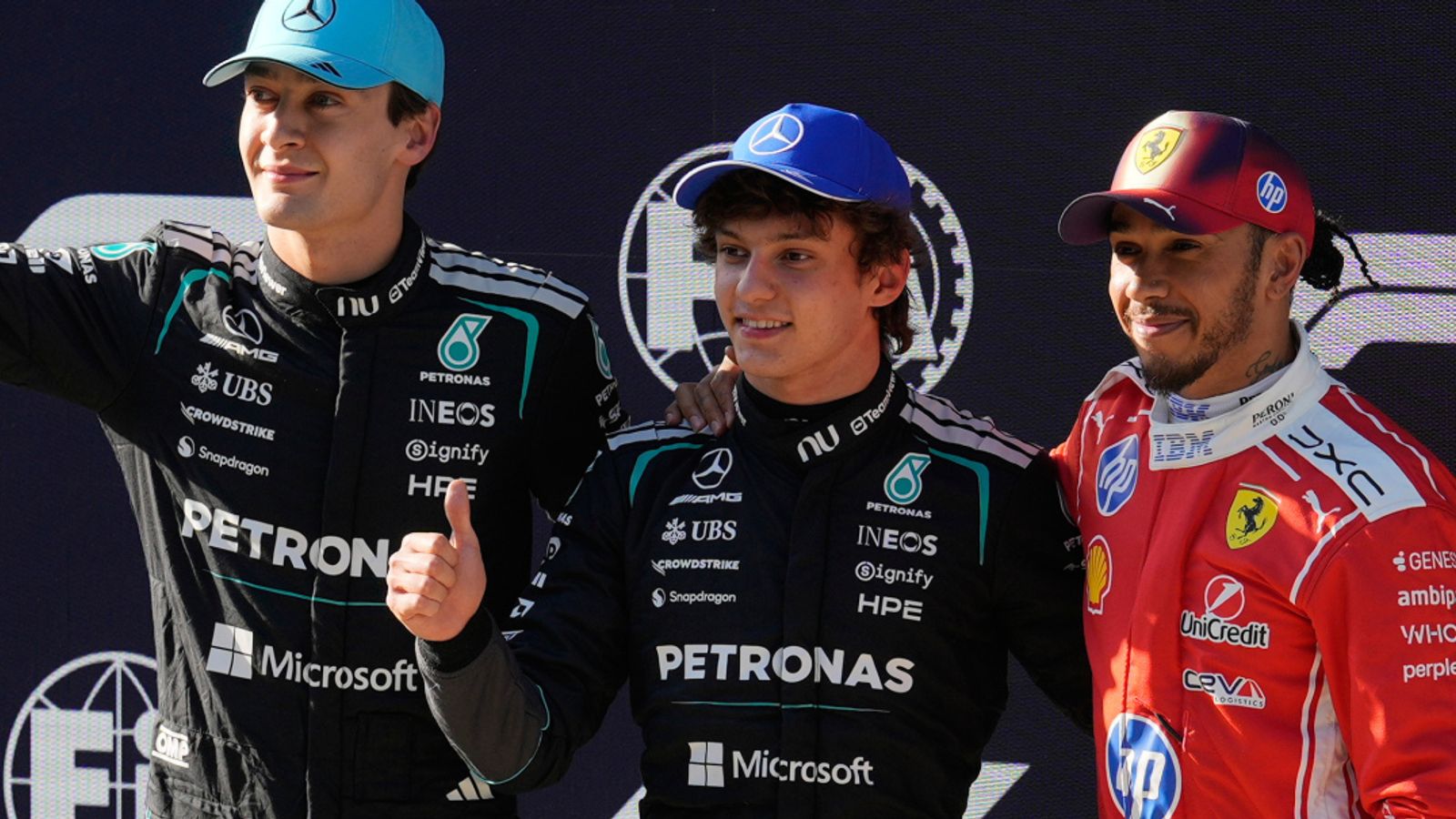
The current hierarchy is defined by a divergence in performance metrics. While the championship leader has demonstrated superior raw pace, recent mechanical failures and race-start inconsistencies have allowed the gap to his teammate to narrow by 41 points over the last three rounds. The internal dynamic at Mercedes remains the primary technical narrative, as the team manages the differing trajectories of their two drivers.
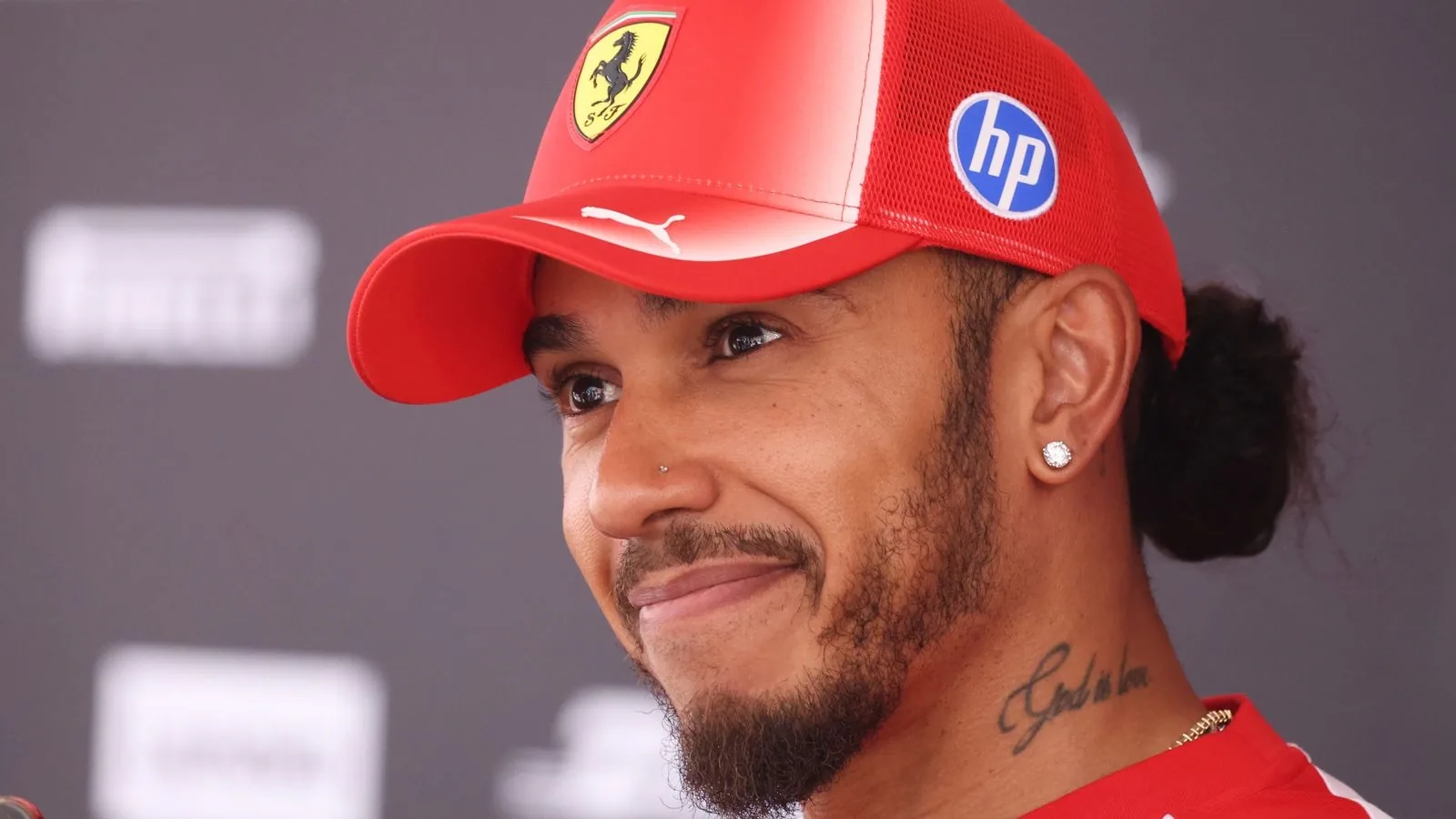
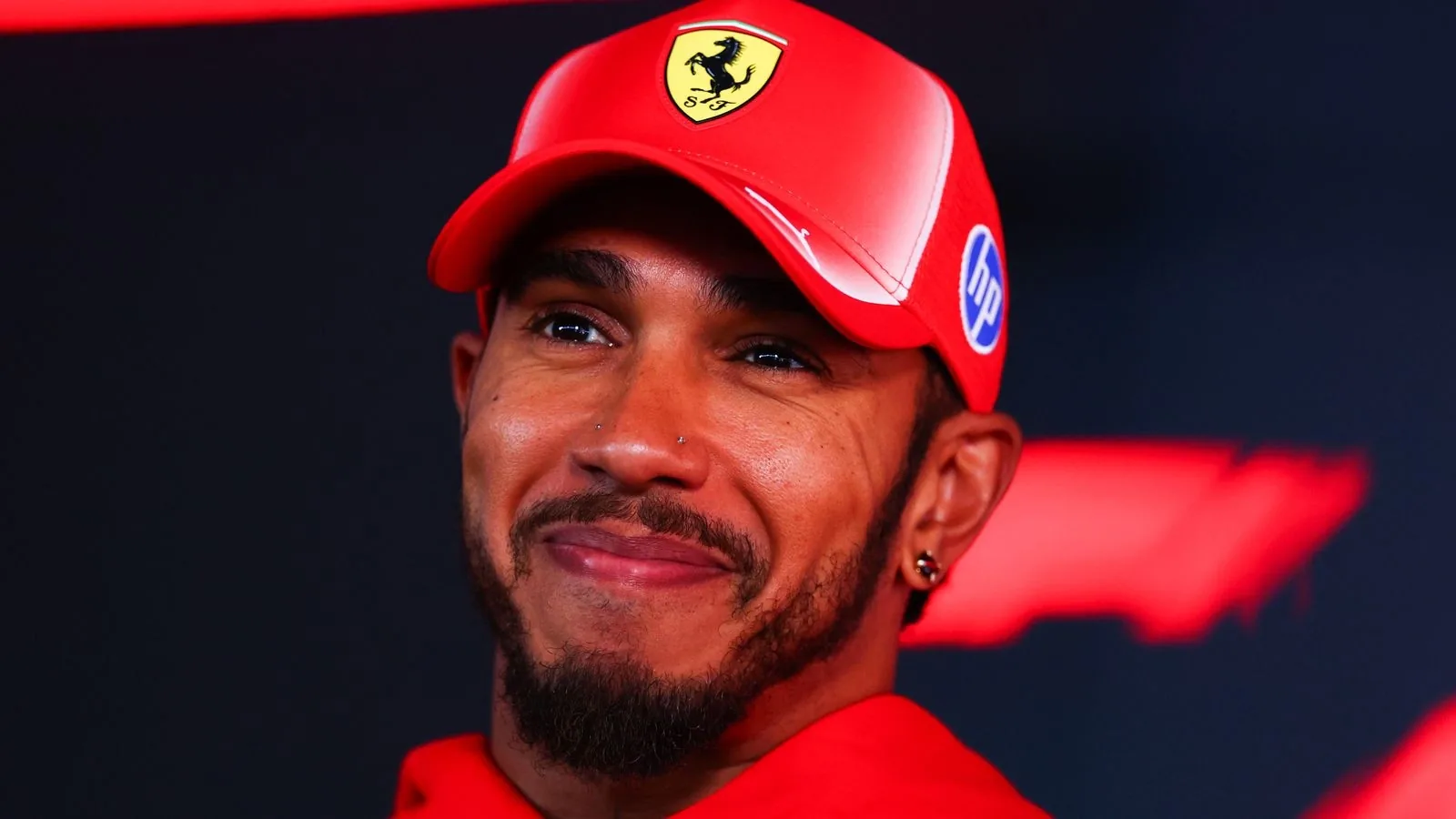
George Russell has struggled to match the pace of his teammate during race stints, despite maintaining competitive one-lap speed in qualifying. Conversely, Lewis Hamilton has leveraged a consistent podium run to remain in contention. Hamilton’s prospects are heavily tethered to Ferrari’s ongoing power unit development, with the team looking to bridge the performance deficit to the Mercedes chassis in the latter half of the season.
The upcoming races at Spa-Francorchamps and the Hungaroring serve as a vital stress test for these contenders. The outcome of this double-header will likely dictate the momentum heading into the extended summer hiatus, with the technical focus shifting toward engine mapping efficiency and thermal management on the high-speed sections of the Belgian circuit.
The track surface at Spa-Francorchamps is characterized by a high-abrasion aggregate, primarily composed of crushed limestone and bitumen binders. This surface geometry, combined with the circuit's significant elevation changes, imposes unique longitudinal loads on the tire contact patch, necessitating precise camber settings to manage the heat soak generated during the sustained full-throttle segments of the Kemmel Straight.