Reporting note: this article draws on Sky Sports; PGLive provides the summary and editorial framing.
Technical Assessment of the Mercedes Internal Dynamic
The current trajectory of the Mercedes W17 development cycle has revealed a widening delta in driver feedback and chassis optimization. As the Formula 1 season progresses through its ninth round, the internal competition between the two Mercedes entries has shifted from a narrative of misfortune to one of fundamental performance extraction. The engineering team is currently contending with a platform that remains elusive in its handling characteristics, requiring a precise calibration of the mechanical and aerodynamic balance that has yet to be fully mastered by the senior driver in the pairing.

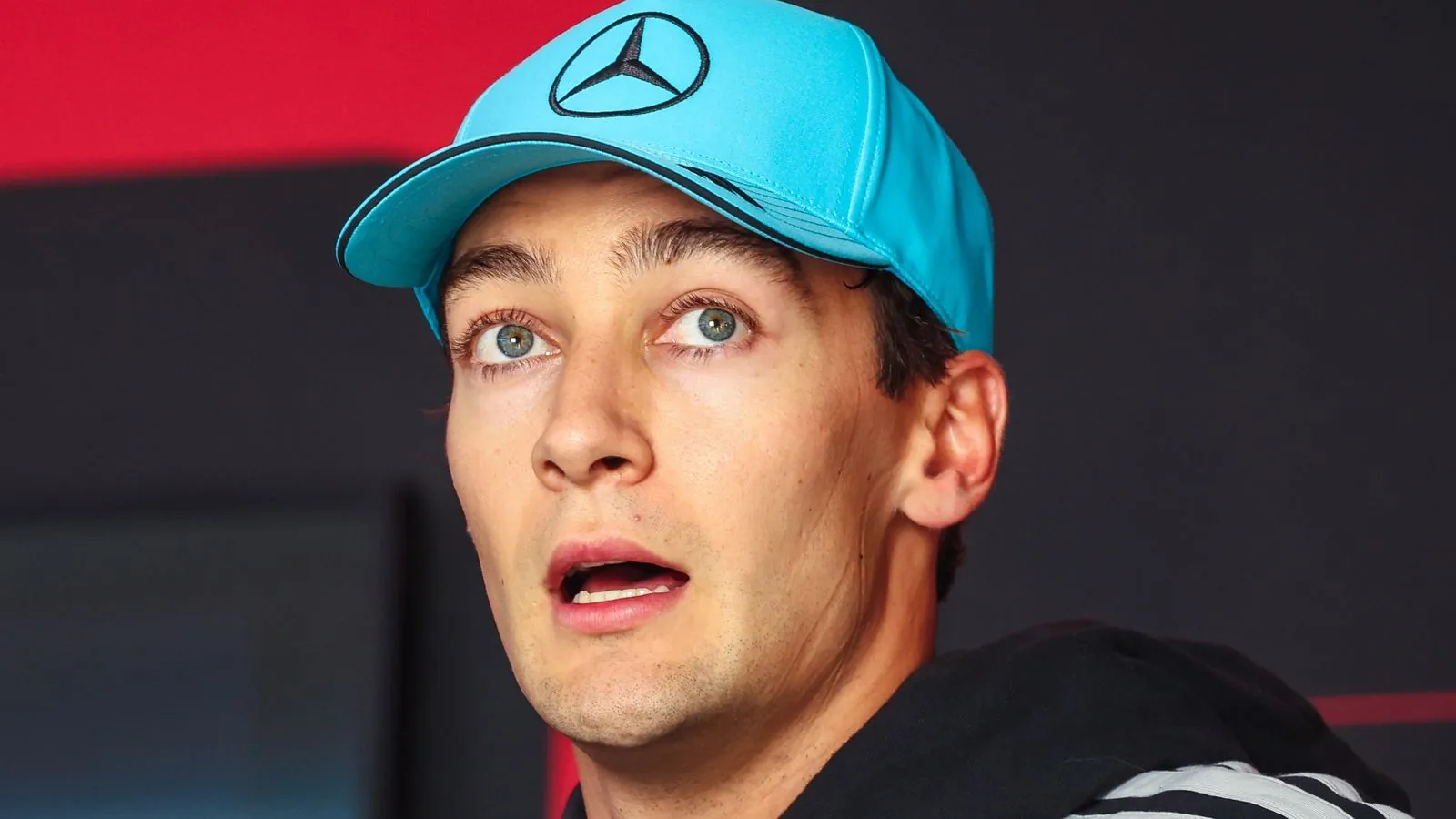
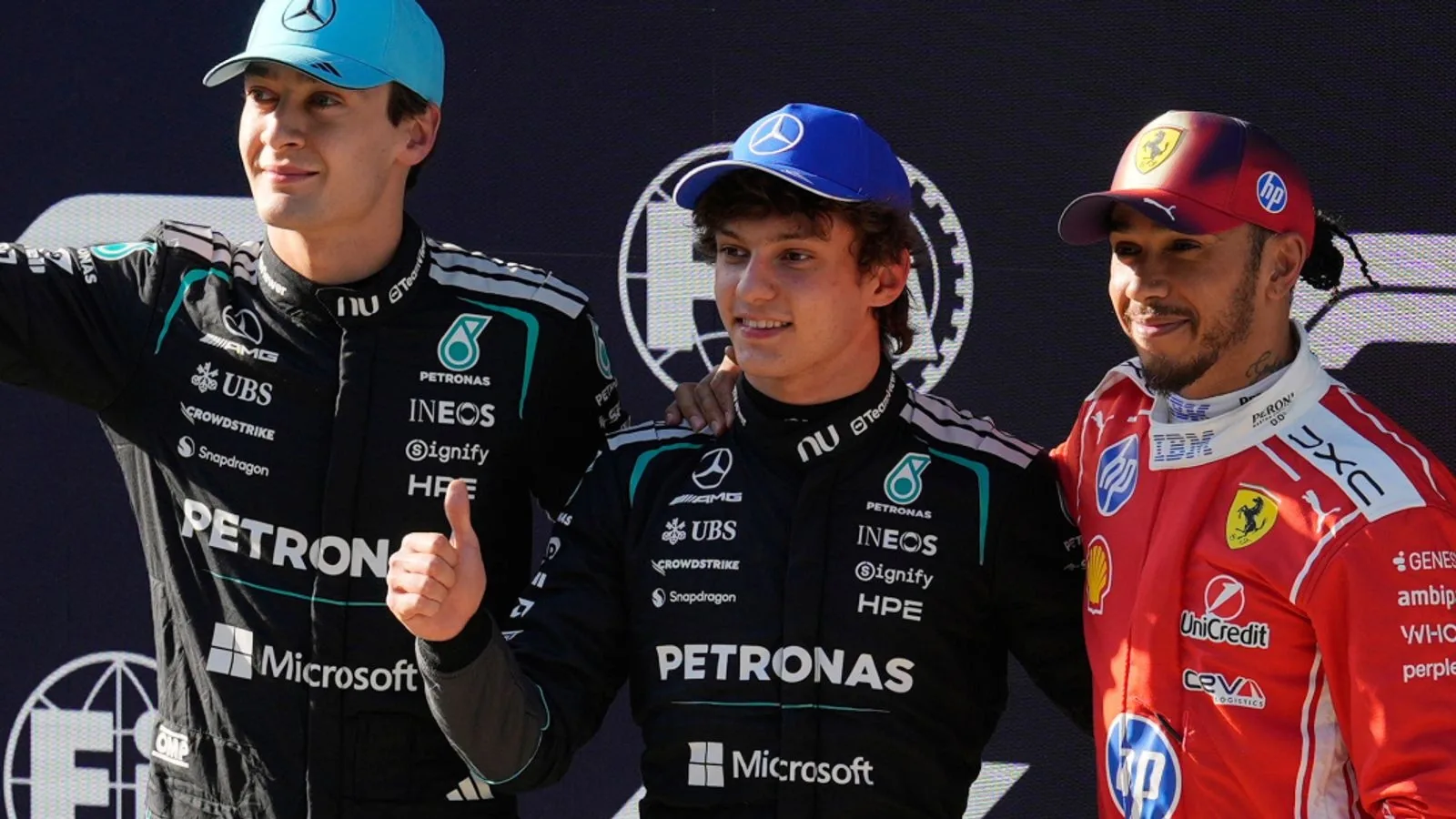
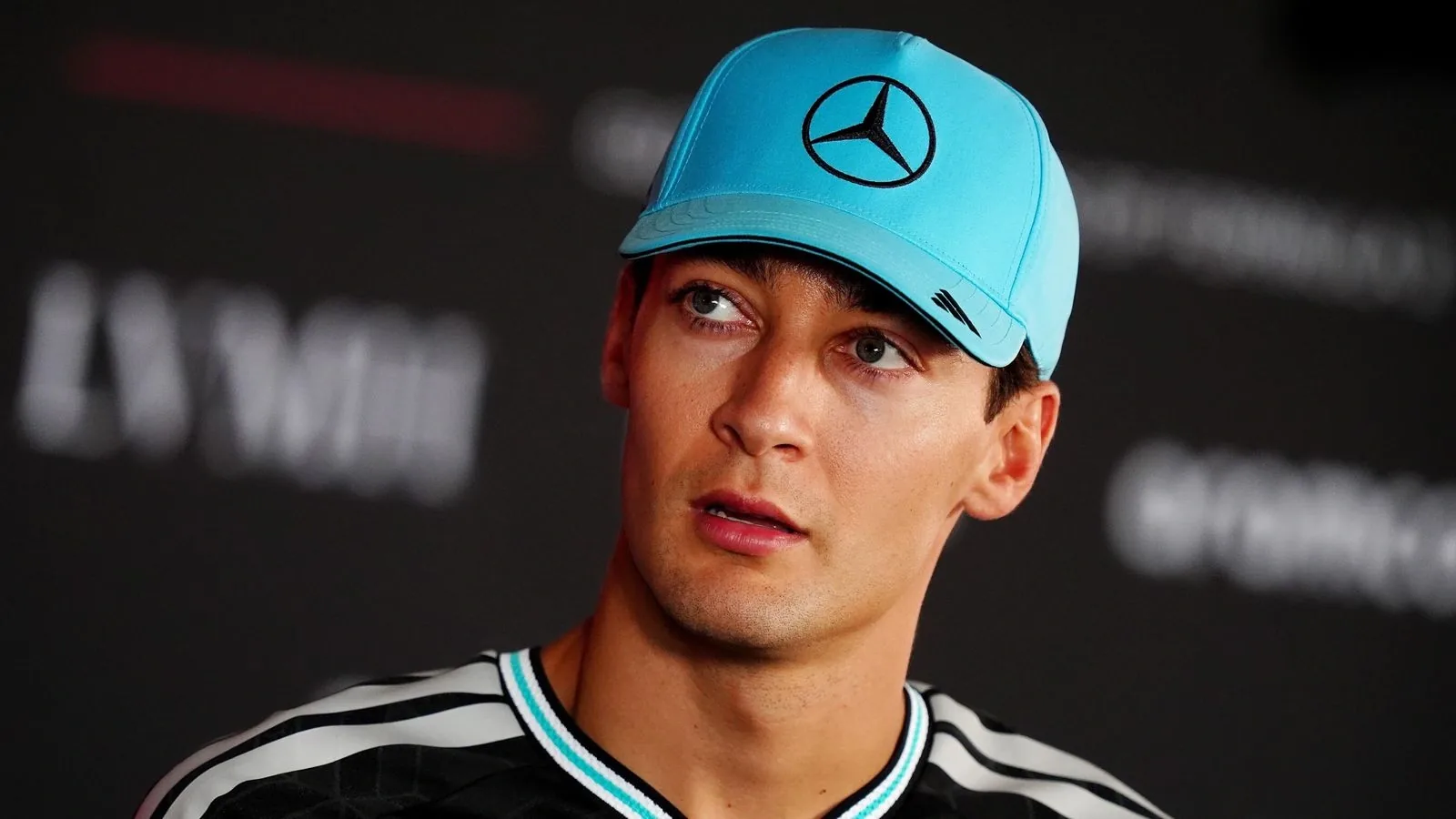
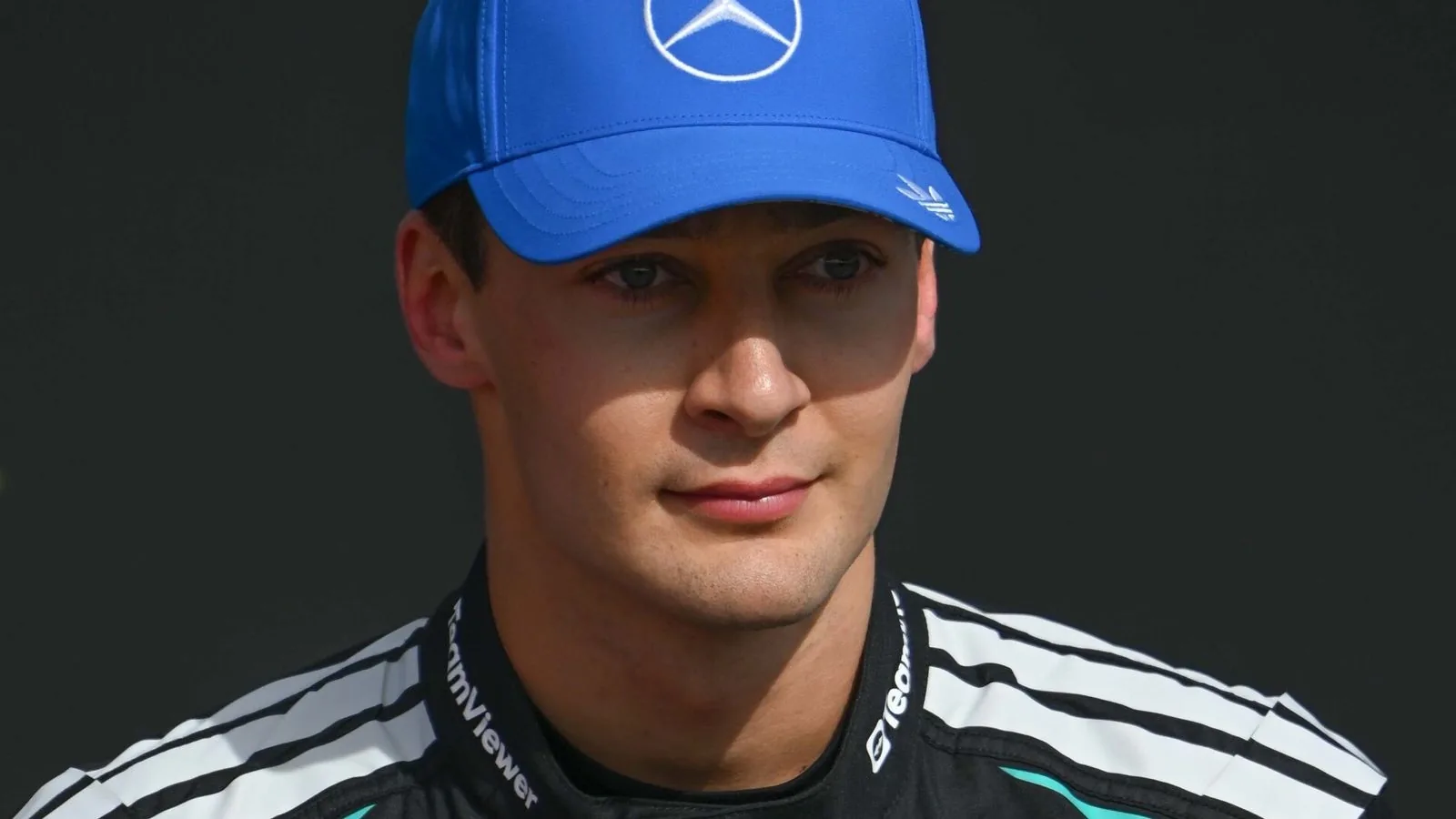
George Russell has publicly addressed his current standing, noting that his 25-point deficit to Kimi Antonelli is a reflection of the latter’s superior ability to adapt to the car’s current aerodynamic profile. While Russell’s podium finish at Silverstone provided a temporary reprieve in the points table, he characterized the weekend as unsatisfactory, citing a persistent struggle to reconcile theoretical pace with actual lap times. This technical disconnect has left the British driver searching for a more refined synergy with his engineering crew to bridge the gap in performance.
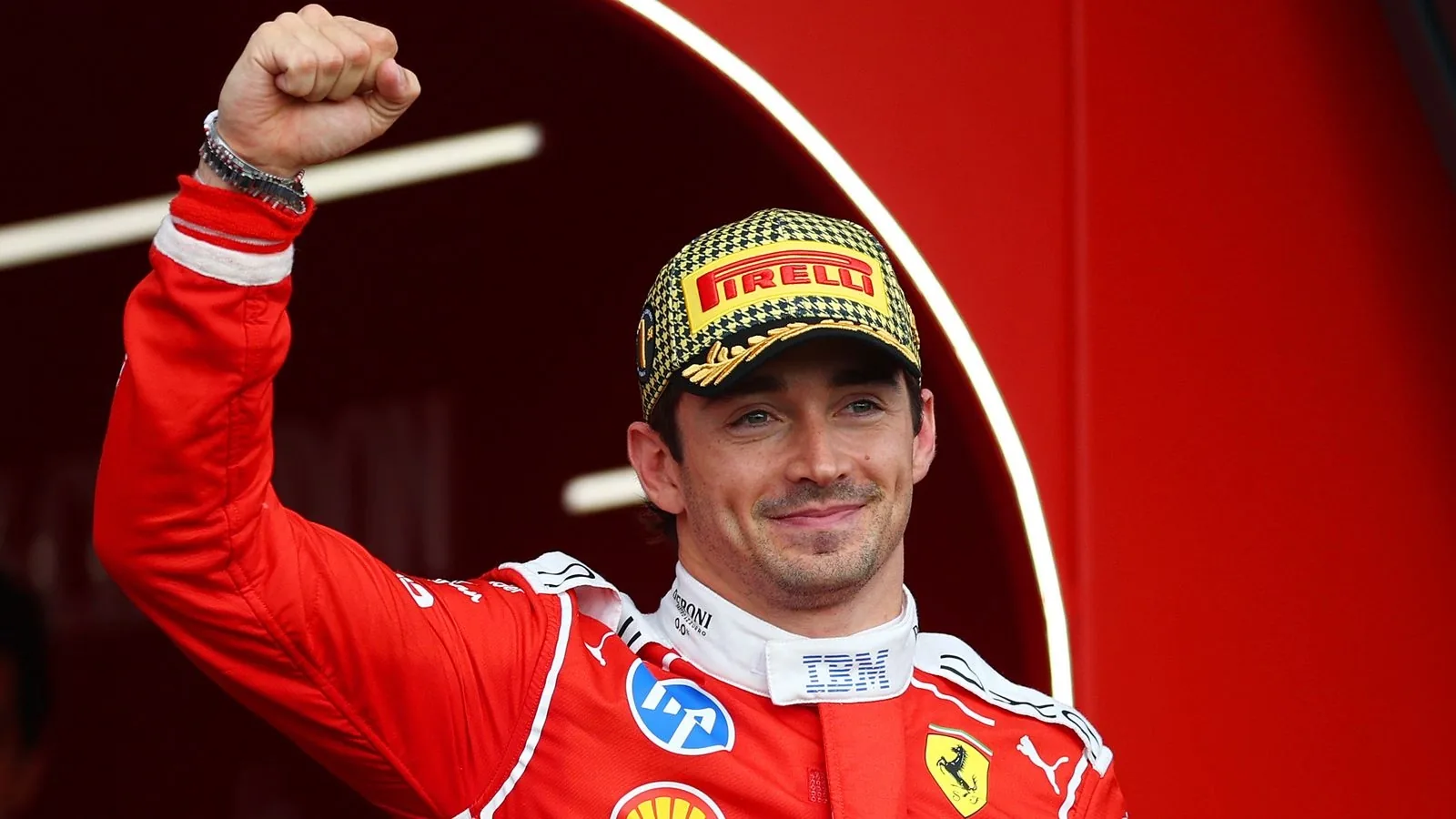
The standings remain tightly compressed, with Lewis Hamilton positioned only seven points behind Russell, further complicating the internal hierarchy at Mercedes. While Ferrari’s recent resurgence—highlighted by Charles Leclerc’s victory—has narrowed the gap in the Constructors' Championship to 78 points, the primary focus for the Mercedes garage remains the resolution of their own internal performance variance. Both Antonelli and Russell have faced significant technical setbacks, including engine failures and qualifying anomalies, yet the consensus within the team is that the current points distribution accurately mirrors the relative performance levels displayed across the opening nine rounds.
Track Surface Composition: Spa-Francorchamps
As the series moves to the Belgian Grand Prix, the focus shifts to the unique aggregate composition of the Spa-Francorchamps circuit. The track surface is characterized by a high-density bitumen binder mixed with crushed porphyry, a volcanic rock selected for its exceptional resistance to the high-shear forces exerted during the climb through Eau Rouge. The geological hardness of the aggregate provides a consistent friction coefficient, though the thermal conductivity of the stone often leads to rapid surface temperature fluctuations, necessitating precise tire pressure management for the upcoming sessions.