Reporting note: this article draws on Sky Sports; PGLive provides the summary and editorial framing.
Potential Return of the Malaysian Grand Prix
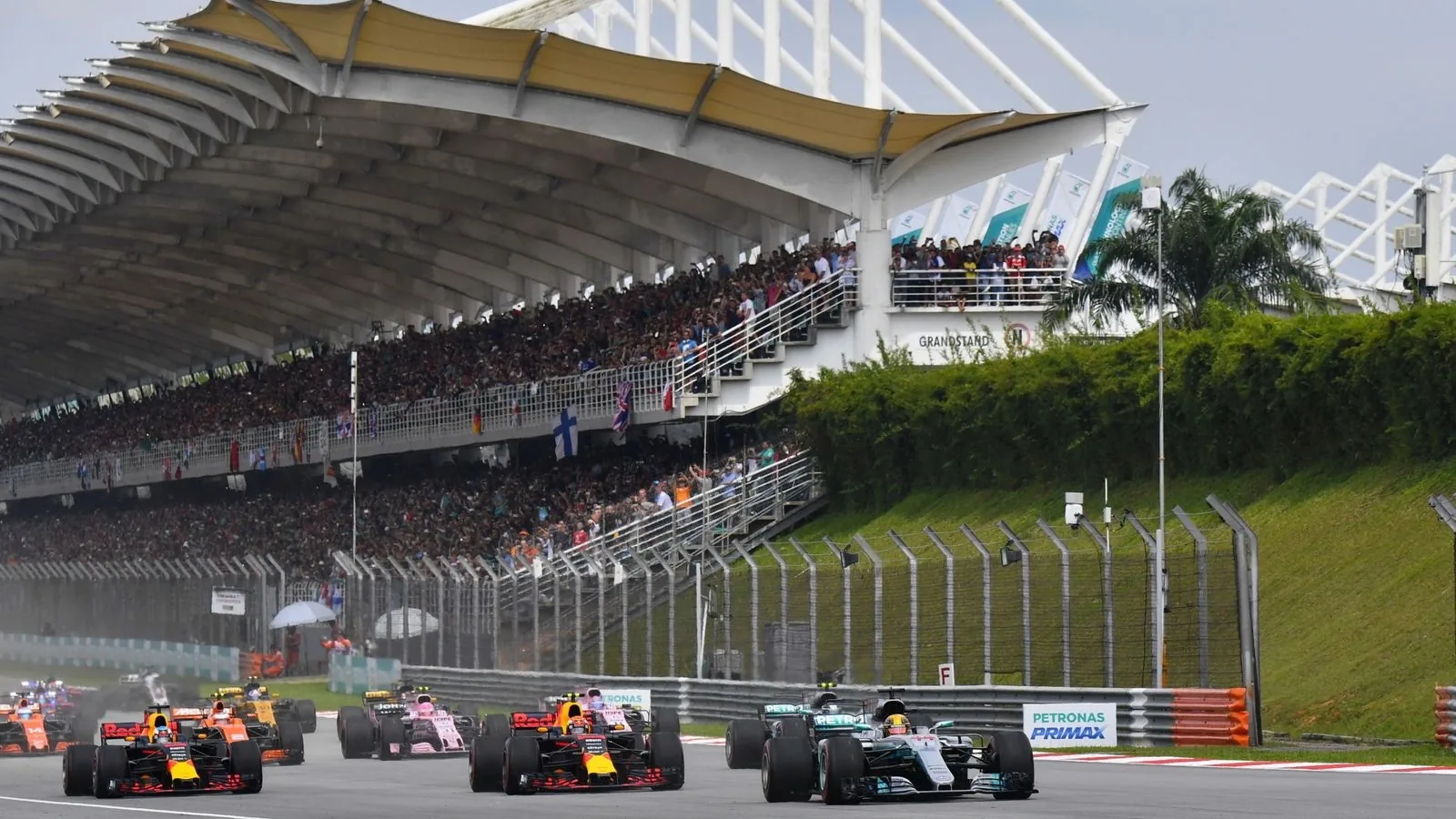
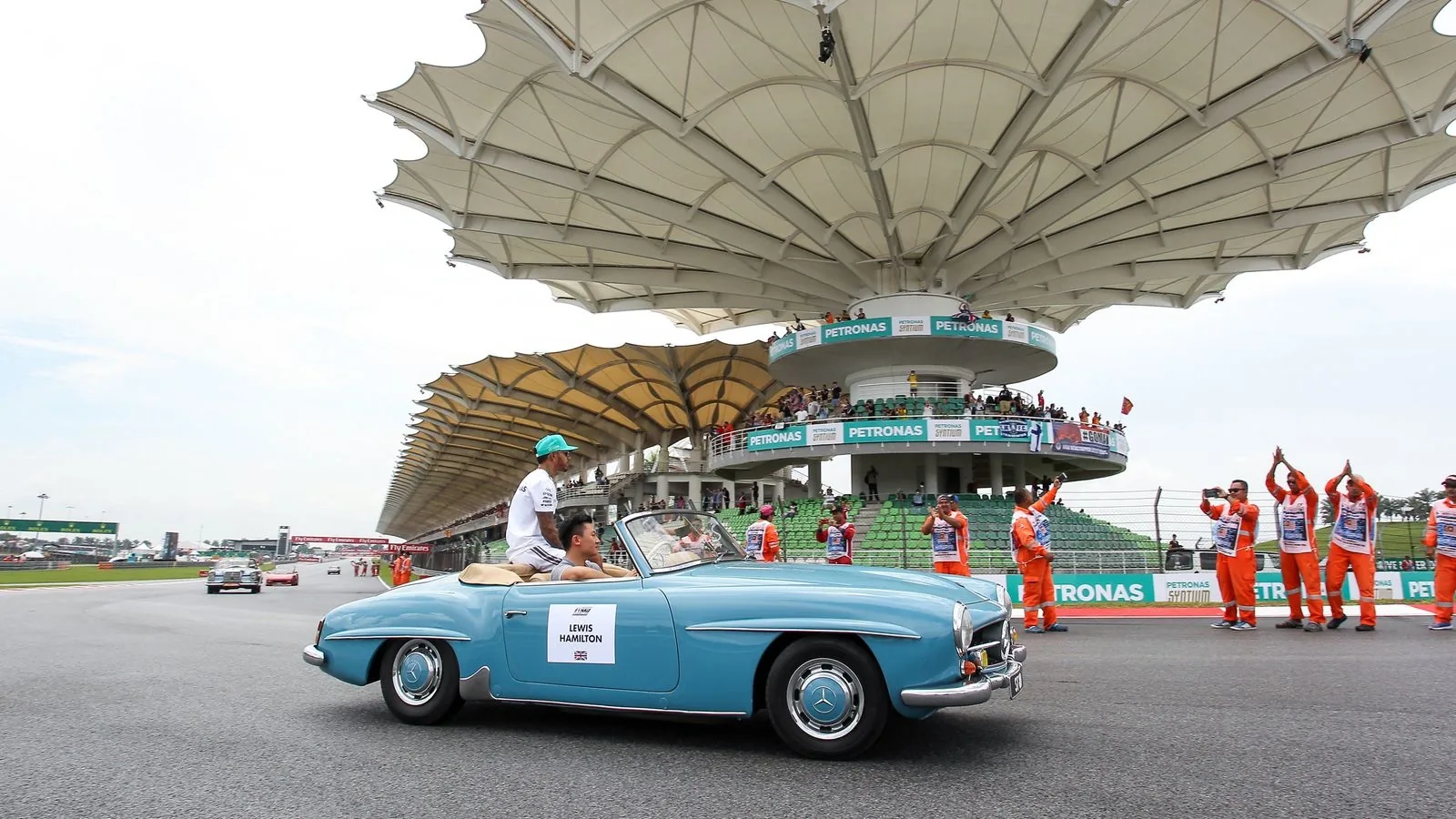
Formula 1 is currently evaluating the feasibility of reintroducing the Sepang International Circuit to the 2026 calendar. As the sport seeks to address gaps created by the cancellation of earlier rounds, organizers are exploring the possibility of inserting a race in Malaysia on October 4, positioned strategically between the Azerbaijan Grand Prix on September 26 and the Singapore Grand Prix on October 11.
The urgency for a replacement event stems from ongoing instability in the Middle East, which has complicated plans to reinstate the Bahrain Grand Prix. Furthermore, there remains uncertainty regarding the viability of the season's final rounds in Qatar and Abu Dhabi. Should those events fail to materialize, Formula 1 is assessing alternative venues, including potential European circuits like Portimão in Portugal or Istanbul Park in Turkey, though climate constraints remain a significant engineering hurdle for late-season logistics.
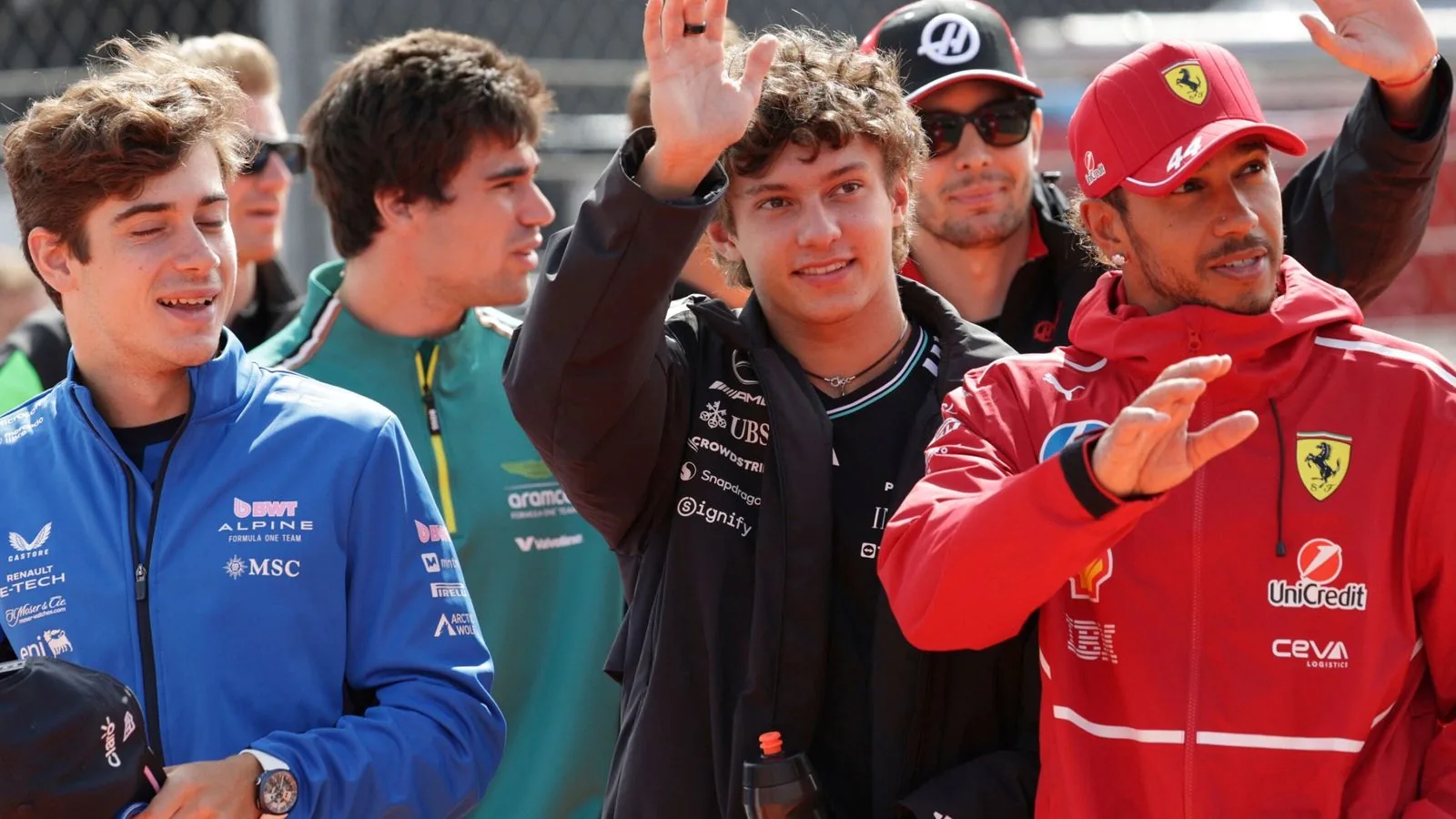
George Russell, currently third in the Drivers' Championship and trailing teammate Kimi Antonelli by 50 points, has expressed strong support for expanding the calendar to ensure a full 24-race season. Russell emphasized that his desire for additional competition is independent of his current standings, noting that the logistical challenge of filling the schedule is secondary to the necessity of maintaining a high-frequency racing cadence.
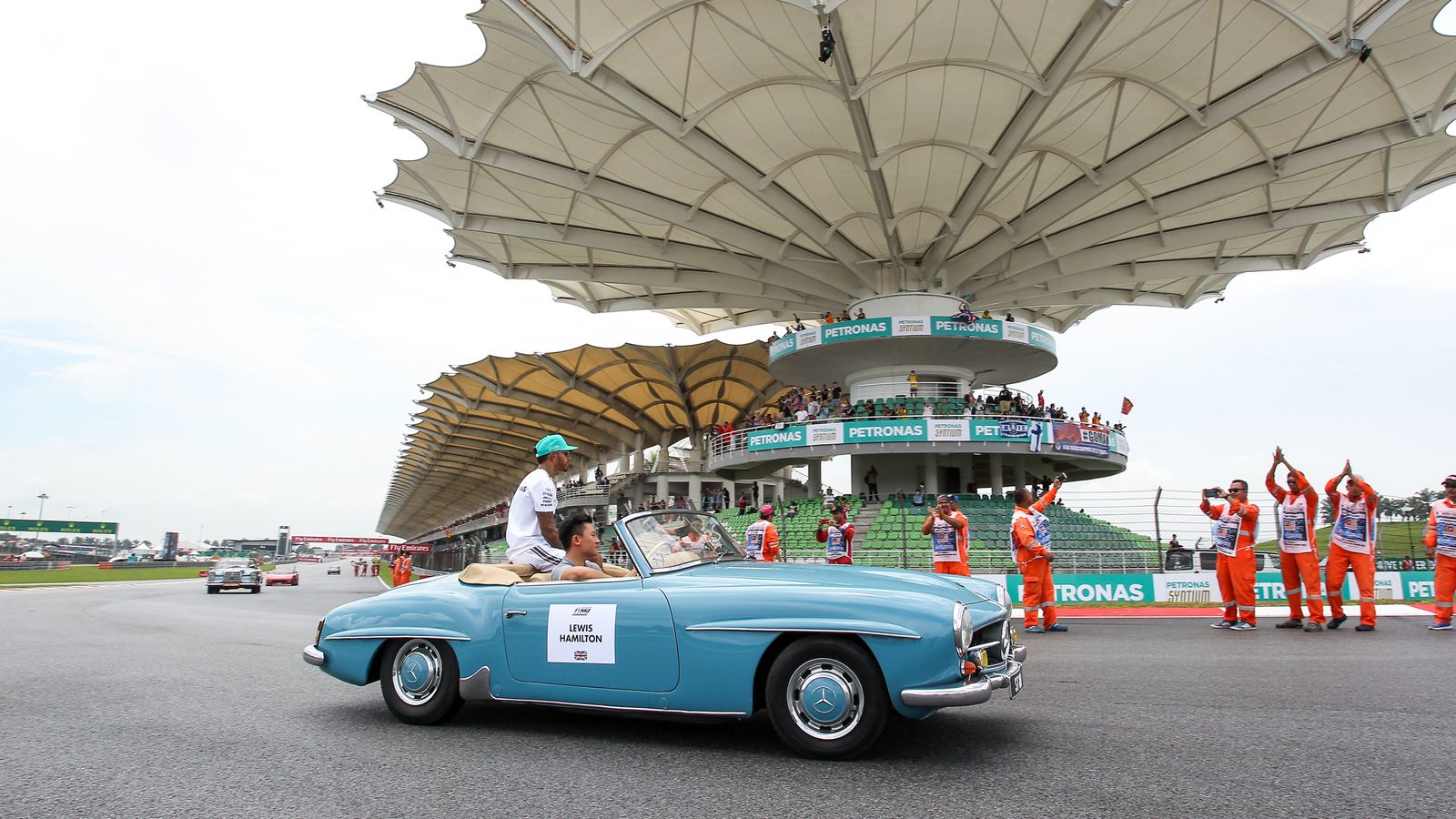
The Sepang circuit, which last hosted a Grand Prix in 2017, is historically noted for its demanding thermal profile. The track surface is characterized by a high-abrasion bituminous aggregate, engineered to withstand extreme tropical precipitation and rapid heat-soak cycles. The circuit’s drainage architecture relies on a complex network of sub-surface channels designed to mitigate the risks of hydroplaning during the region’s frequent monsoon-season downpours.