
Reporting note: this article draws on Sky Sports; PGLive provides the summary and editorial framing.
Aerodynamic Drag and Understeer Compromise Mercedes in Malaysia
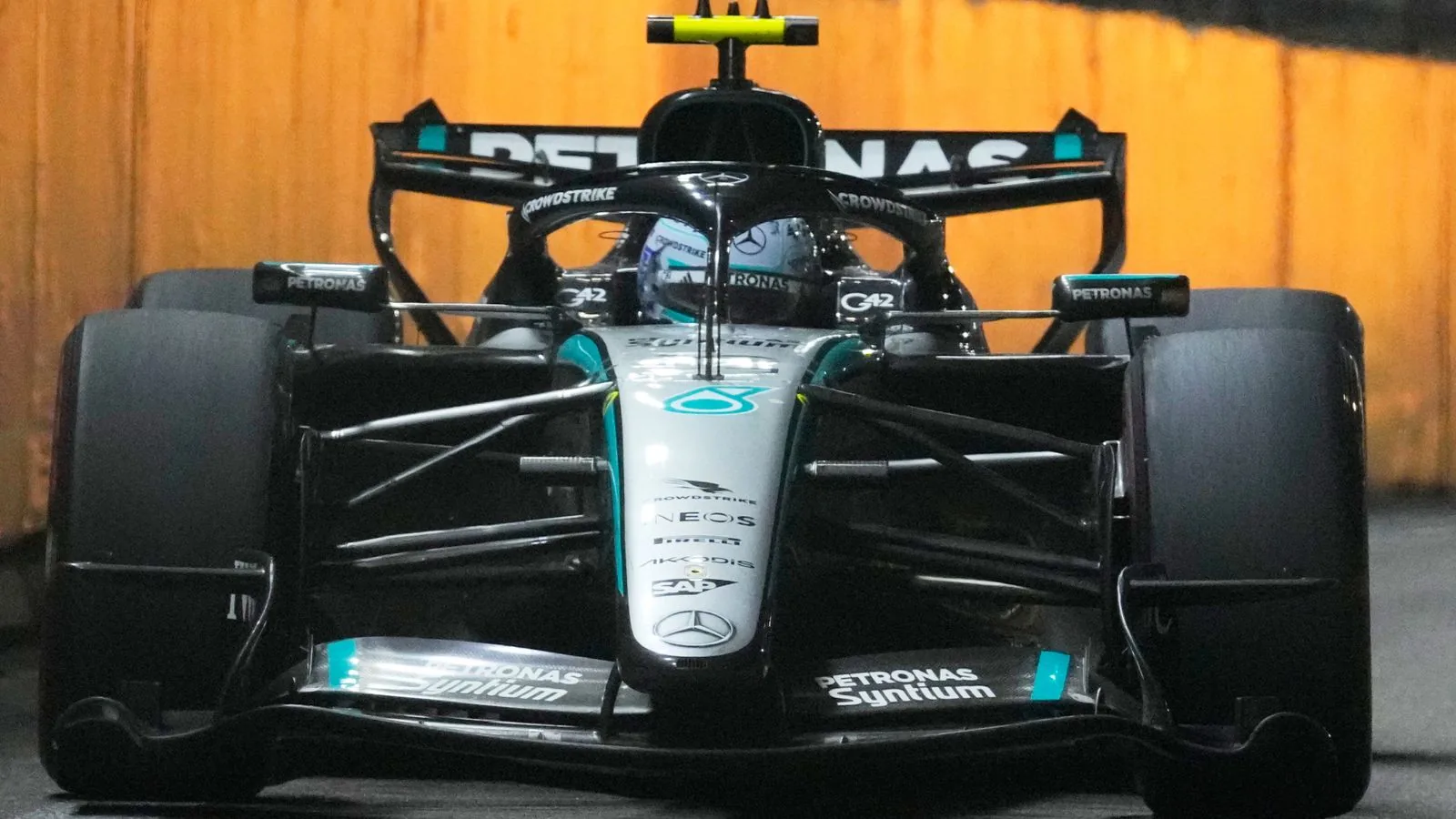
The aerodynamic efficiency calibrations intended to extend Mercedes' advantage in the 2026 Formula 1 championship unraveled during qualifying for the Bahrain Grand Prix at the Sepang International Circuit. Despite arriving off the back of three consecutive victories, the Brackley-based constructor saw its first major aerodynamic development package since May yield unexpected drag penalties on the straights and persistent low-speed understeer in the extreme Malaysian heat.
Telemetric data highlighted an immediate divergence from Friday expectations. Rather than delivering the simulated three-tenths gain across the lap, the mechanical platform proved recalcitrant in rotation through tight radius turns, leaving the chassis lagging three to five tenths behind benchmark speeds.
Grid Classification and Teammate Deficits
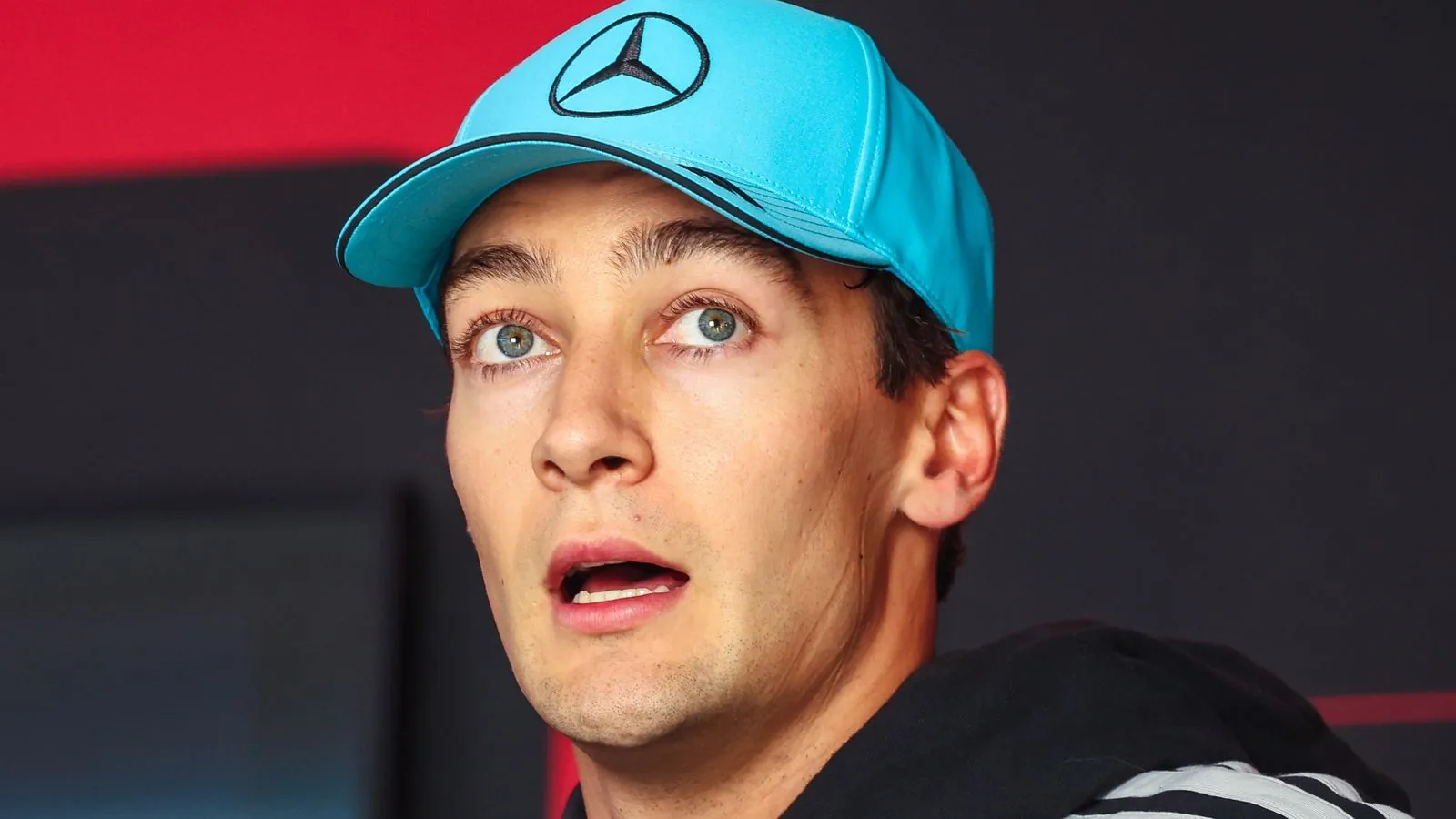
Red Bull Racing's Max Verstappen capitalized on the shifting conditions to secure his first pole position of the season by an emphatic margin, outpacing Ferrari's Lewis Hamilton on the front row. Drivers' Championship leader Kimi Antonelli qualified fourth after an excursion beyond track limits in Q2 forced him onto a compromised single-run tyre allocation for the final session. Teammate George Russell concluded the session in eighth, several tenths further back, though both Mercedes entries will advance one grid slot due to a penalty assessed to third-placed Isack Hadjar.
"It looks like we are very draggy, because it's the first time that we are losing a lot of time on the straights, especially to Max," said Mercedes team principal Toto Wolff. "And then through the low-speed, we are not able to turn the car. There's just too much understeer. So, overall, things we haven't seen this year."
Degradation Metrics and Sunday Outlook
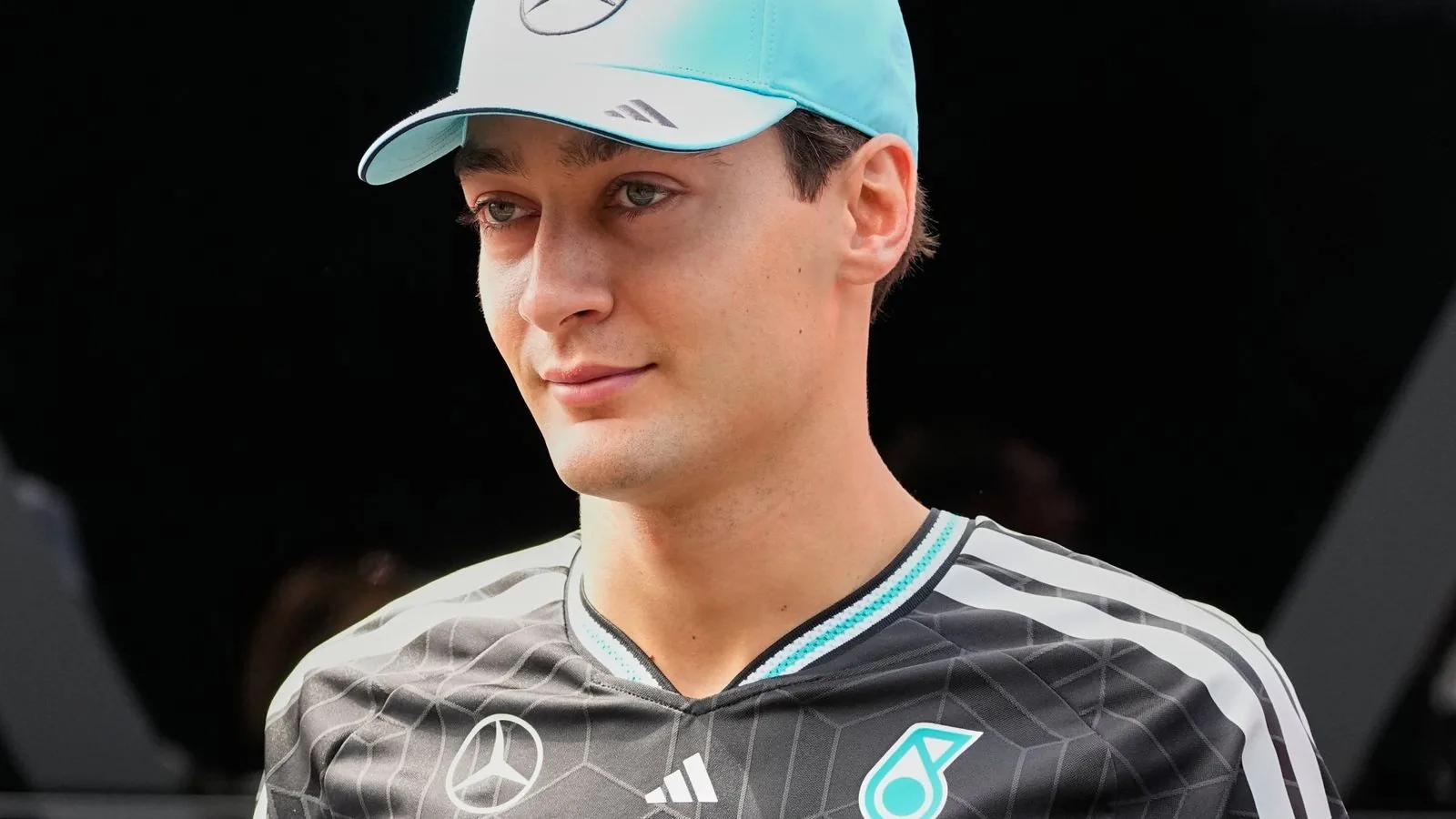
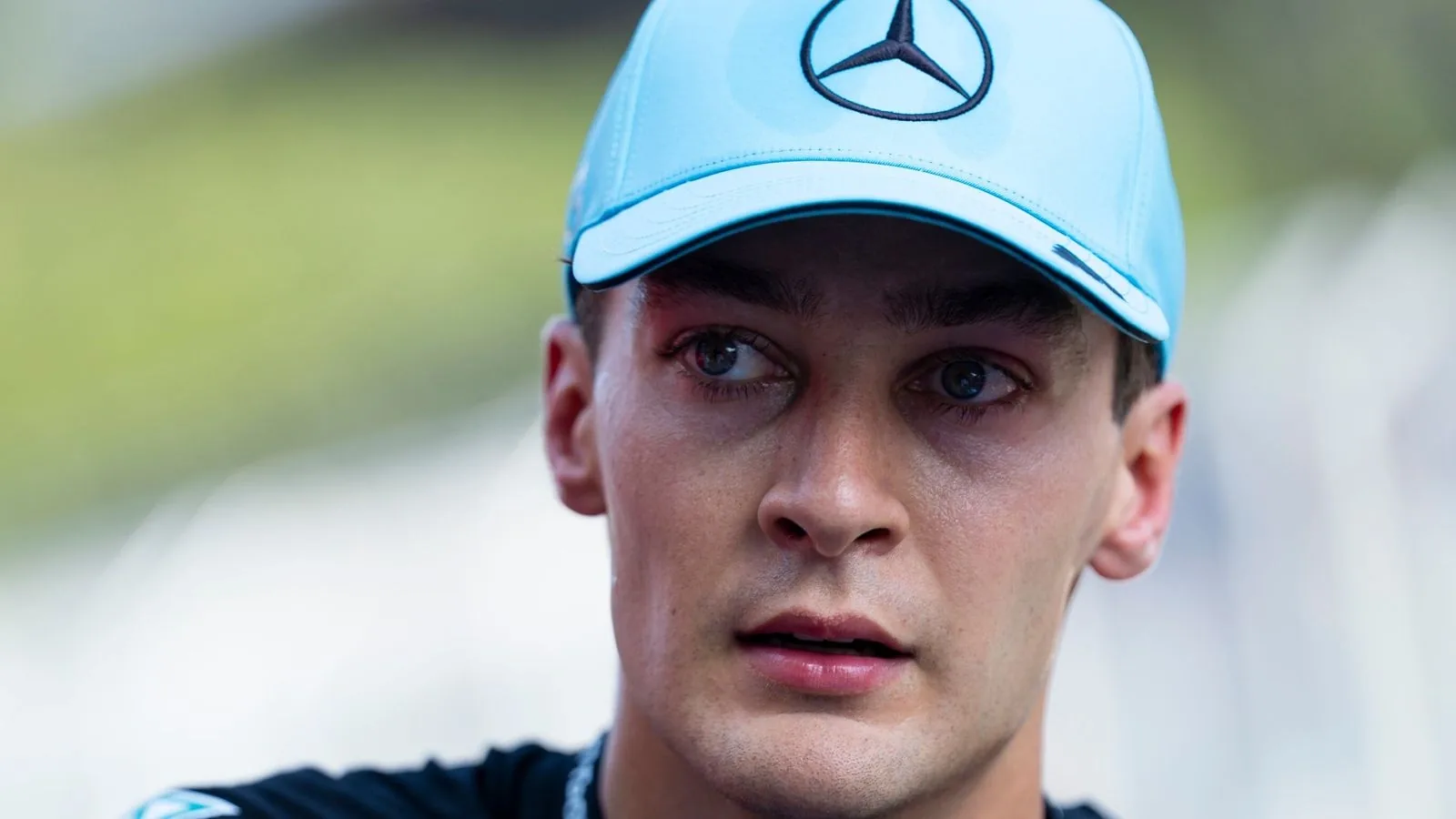
Russell noted that the thermal degradation through Sepang's prolonged lateral loading phases compounded Mercedes' operational window deficits, neutralizing the setup baseline established during practice. With race temperatures projected to remain elevated, tyre preservation over long stints will dictate whether the Mercedes package can recover ground against Ferrari and Red Bull.
A critical variable remains the circuit's degraded aggregate matrix. Sepang's macrotexture features heavily weathered basalt aggregates bound by a heat-fractured bitumen sub-layer, creating an abrasive topography with high micro-roughness indices. This granular surface profile accelerates localized tyre shear and induces elevated thermal blistering, exacerbating the front-axle scrubbing that hindered Mercedes throughout qualifying.