Reporting note: this article draws on Sky Sports; PGLive provides the summary and editorial framing.
F1 Maintains Flexibility for 2027 Schedule
Formula 1 President Stefano Domenicali has confirmed that the organization is developing contingency plans for the 2027 race calendar to account for the ongoing conflict in the Middle East. While F1 typically releases its schedule for the following year by this point in the season, the official 2027 announcement has been delayed until the autumn to allow for further monitoring of the geopolitical situation.

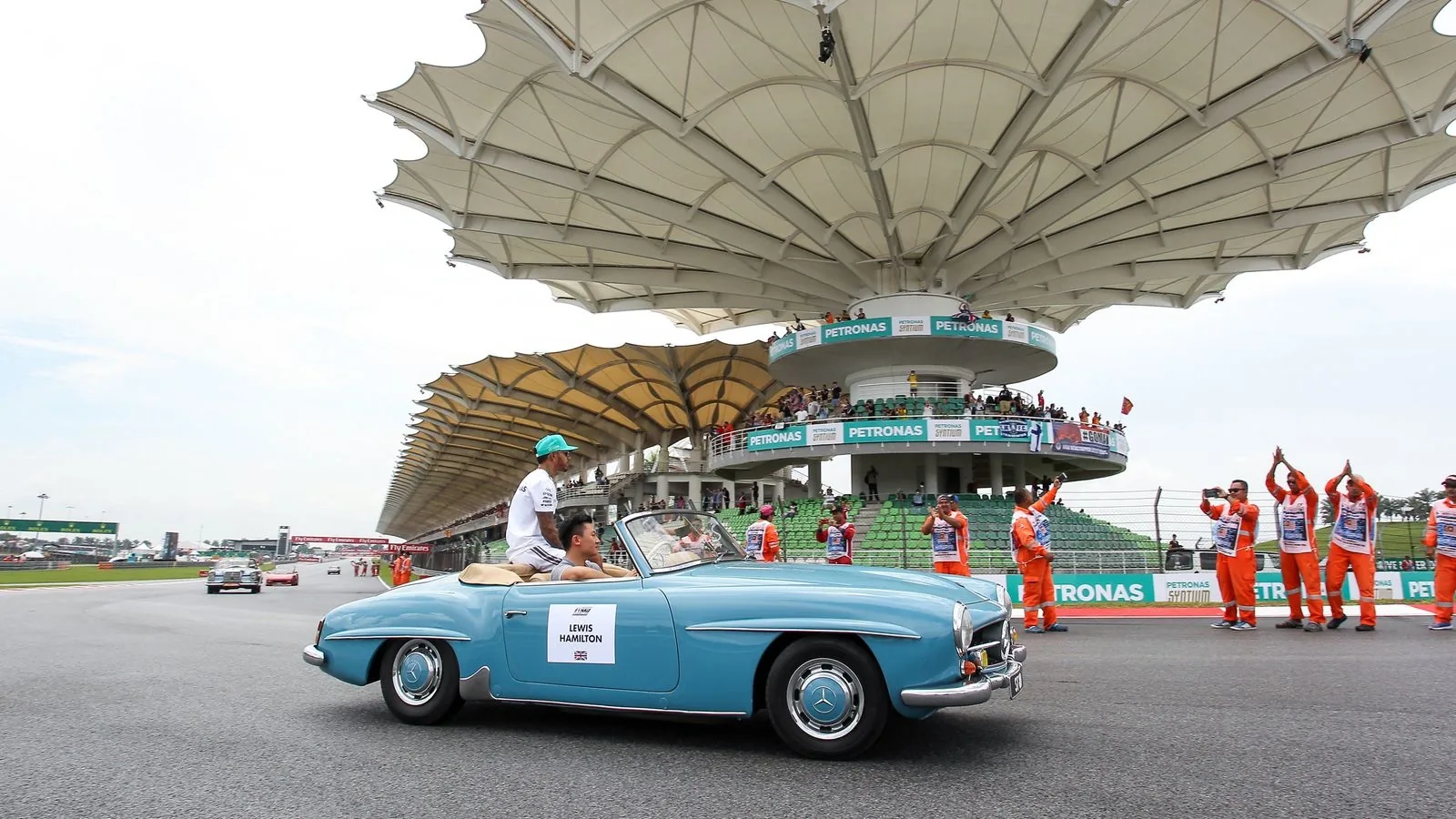
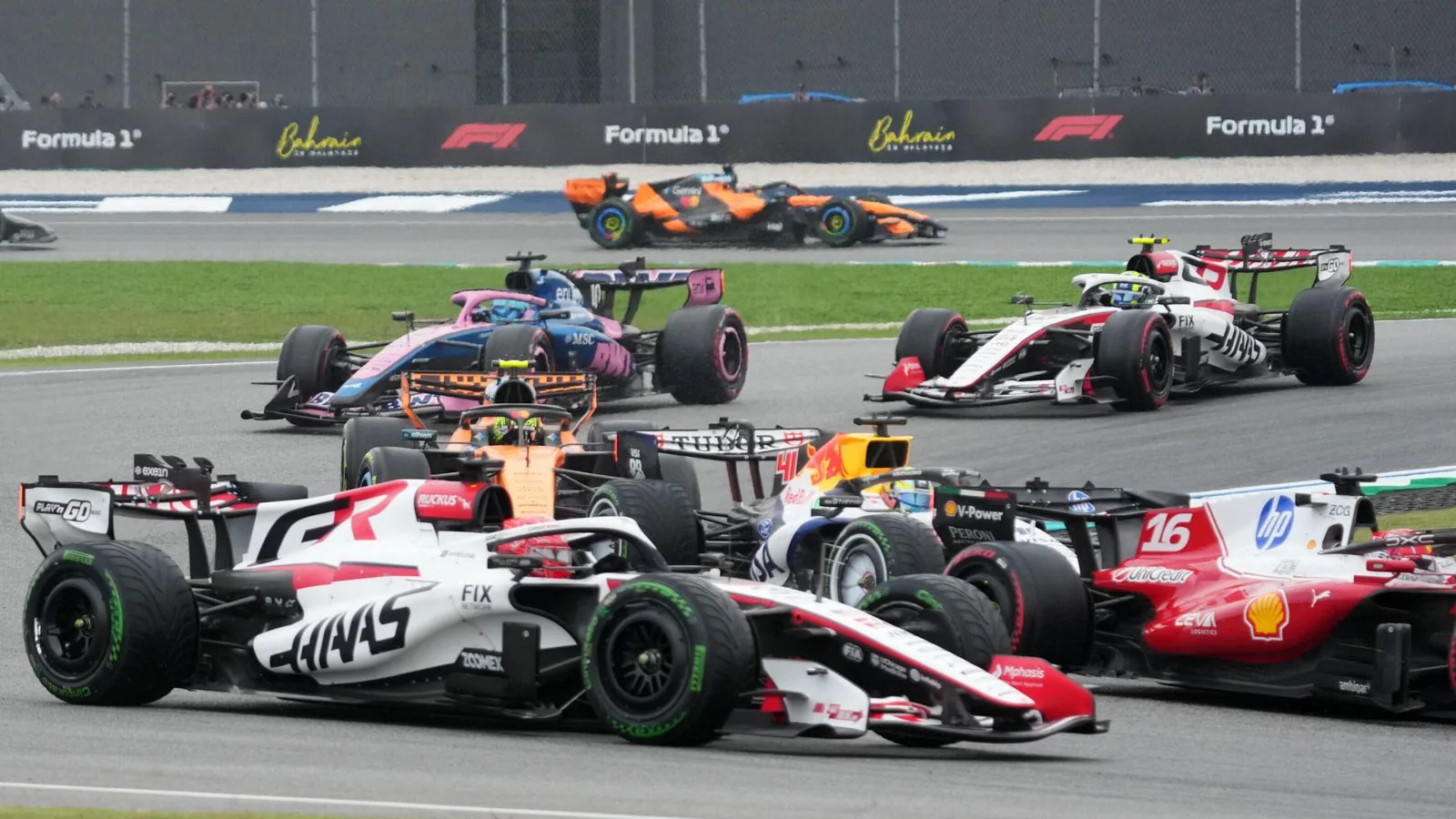
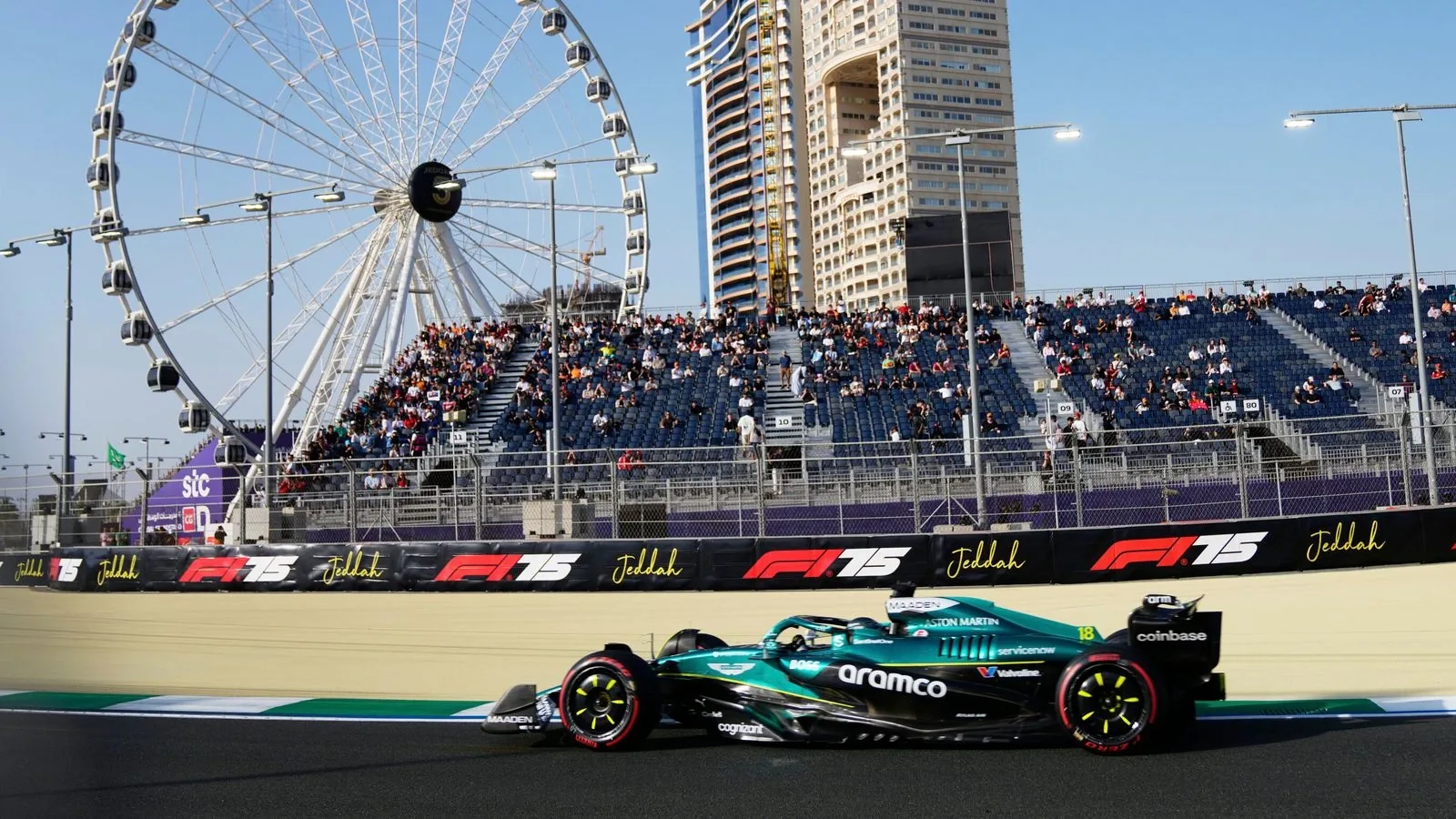
The current 2026 season has already seen significant disruption, with the Bahrain and Saudi Arabian Grands Prix cancelled. F1 has implemented measures to maintain a full schedule, including the recent addition of Malaysia to host the Bahrain Grand Prix in October. Domenicali emphasized that while the goal remains to host 24 races in 2027, the sport is prepared to pivot if regional instability persists.
Expansion and Venue Negotiations
Beyond immediate scheduling adjustments, Formula 1 is actively evaluating long-term growth and potential new venues. While any new additions would not join the calendar until at least 2028, negotiations are underway with several regions:
- Africa and South America: Discussions are progressing regarding potential races in Rwanda, South Africa, and Argentina. Interest in Argentina has been bolstered by the recent rise in popularity following Franco Colapinto’s entry into the sport.
- Europe: Hockenheim has emerged as a potential candidate for a return to the schedule. The venue is currently undergoing development under a new ownership and investment model, with F1 noting a renewed market interest in European events.
- Asia: F1 is fielding increased interest from Japan and China, though the organization intends to maintain its current single-race presence in China to ensure market consolidation.
The 2026 season is set to resume following the summer break with the Dutch Grand Prix from August 21-23. As the sport looks toward the future, the focus remains on balancing global expansion with the logistical realities of the current international climate.