Reporting note: this article draws on Sky Sports; PGLive provides the summary and editorial framing.
Former Red Bull Chief Ends Paddock Absence Following Gardening Leave Expiration
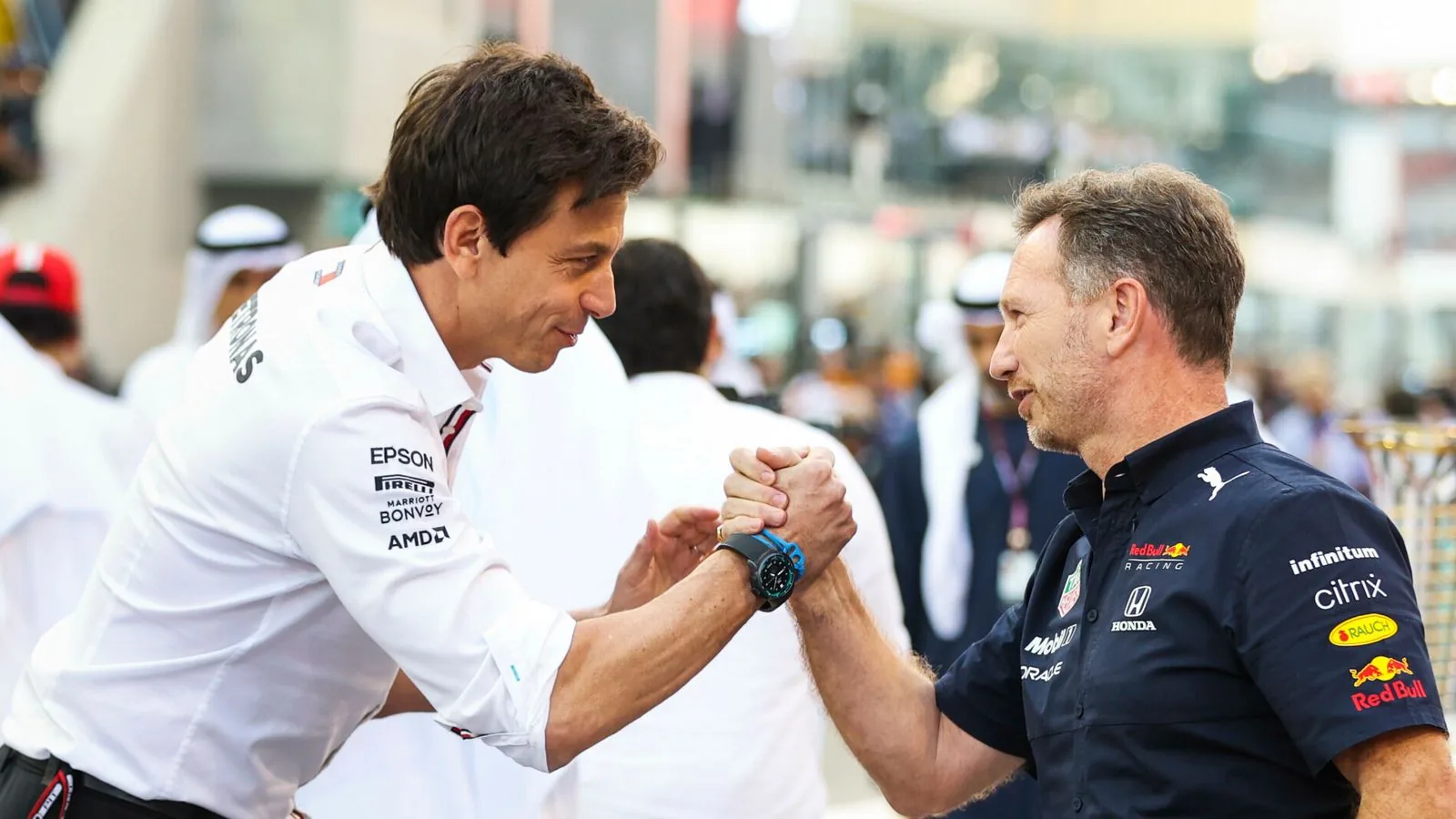
The Formula 1 paddock at Silverstone saw the return of its longest-serving former team principal on Sunday, marking his first on-site appearance at a Grand Prix since his departure from Red Bull Racing twelve months ago. The appearance coincides with the formal expiration of his non-compete obligations, shifting paddock discussion from historical achievements toward structural ownership maneuvers across the grid.
During a two-decade tenure overseeing operational and technical frameworks at Milton Keynes, the management structure yielded eight Drivers' World Championships and six Constructors' titles. Following his departure three days after last July's British Grand Prix, financial terms included an estimated payout in the region of £75m. That figure was adjusted downward specifically to compress the duration of his contractual gardening leave, clearing the runway for an operational return ahead of the upcoming technical regulation cycle.
Equity Stake Requirements and Grid Expansion Scenarios
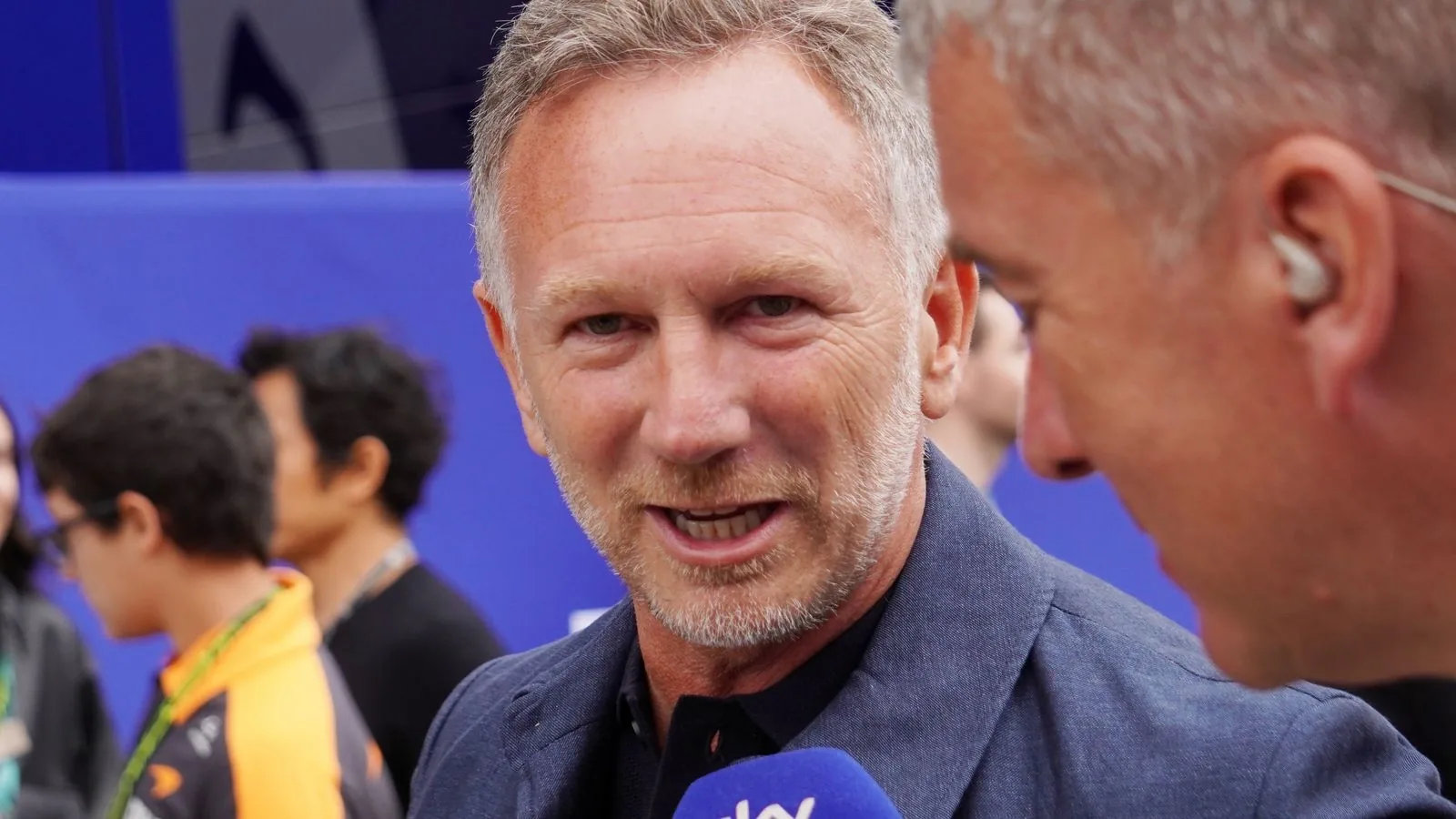
Christian Horner addressed the immediate speculation regarding his next venture, emphasizing that any prospective project must possess viable competitive architecture. Unlike his previous executive mandate at Red Bull, where governance remained tied entirely to corporate parentage without equity participation, future involvement is understood to be contingent upon holding an ownership stake in the competing entity.
Three distinct pathways currently dominate paddock analysis:
- Alpine minority investment: A consortium involving Horner remains positioned as a bidder for the minority shareholding currently controlled by US investment group Otro Capital.
- Aston Martin operational roles: Renewed paddock paddock chatter linked the veteran administrator with leadership restructuring at the Silverstone-based team.
- Prospective 12th entry with BYD: Exploratory concepts surrounding a new grid entry backed by Chinese automotive manufacturer BYD.
Speaking on arrival at Silverstone, Horner dismissed urgency regarding an immediate appointment while leaving entry parameters open. "It's great to be back here at Silverstone. Ultimately I'm a fan and the British Grand Prix is in town," Horner stated. Addressing the circulating links to Alpine, Aston Martin, and potential new entrants, he added: "There's so much speculation. One week it's Aston, the next is Alpine, the next is somewhere else... I'm in no rush. For me, I'd only look at doing the right thing, something that really had an opportunity to win at the end of the day."
Contextual Landscape
With the championship moving next to the Belgian Grand Prix at Spa-Francorchamps, the broader paddock environment remains hyper-focused on commercial positioning and long-term technical infrastructure ahead of future engine and chassis overhauls. Silverstone's abrasive, highly evolved asphalt aggregate—composed of high-friction porphyry and bitumen binders engineered to withstand peak lateral lateral-load coefficients through Maggotts and Becketts—provided a familiar, high-stress backdrop for the reopening of Formula 1's most persistent executive market saga.