Reporting note: this article draws on Sky Sports; PGLive provides the summary and editorial framing.
Strategic Roster Rotations at the Hungaroring
The opening practice session of the Hungarian Grand Prix will feature a significant shift in personnel as five Formula 1 teams utilize their mandatory rookie-driver requirements. Regulations stipulate that each team must field a rookie in at least two practice sessions per car over the course of the season. With the Hungaroring offering a stable, non-Sprint format, teams have opted to fulfill these obligations now to gather essential telemetry data.
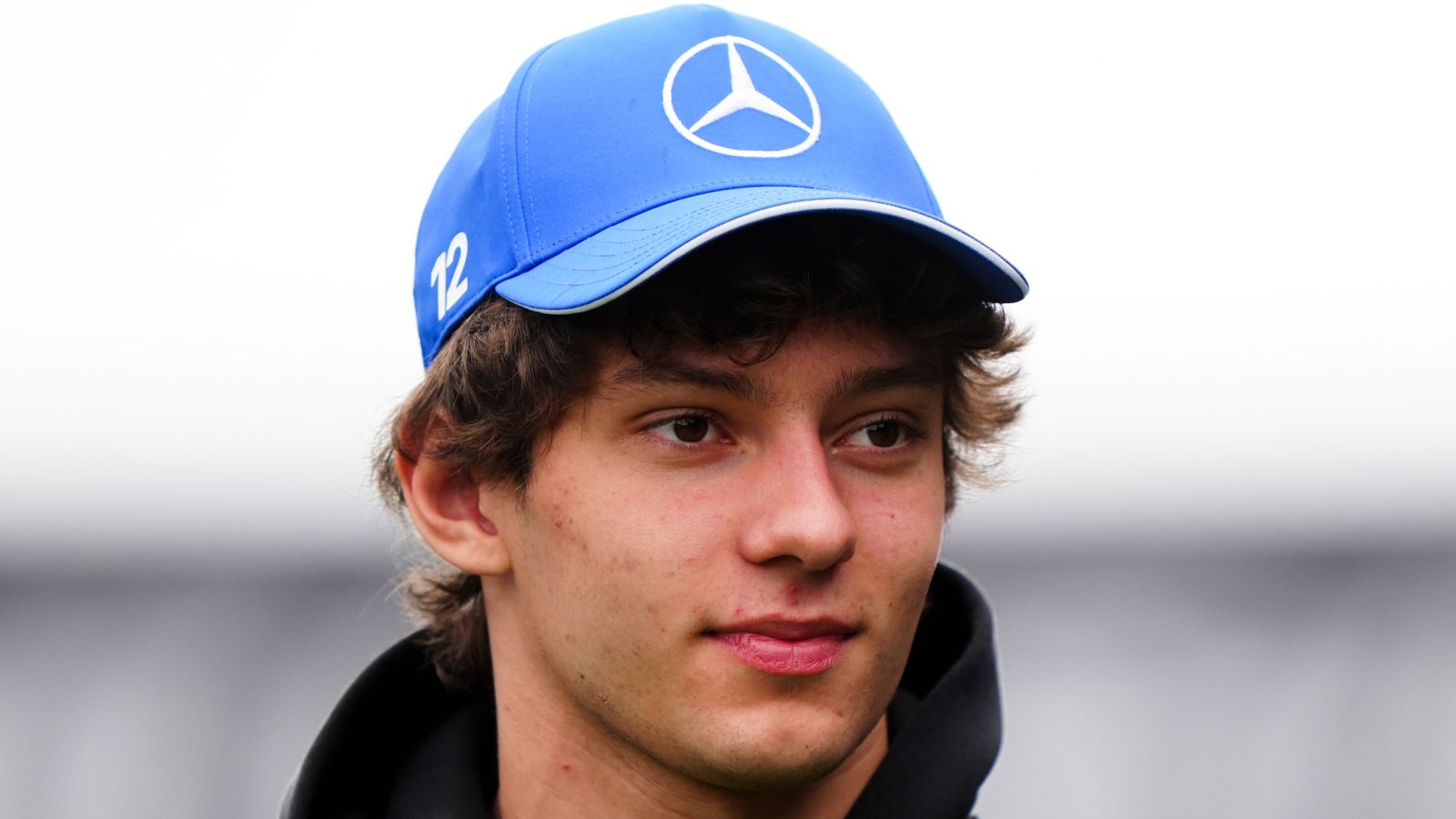
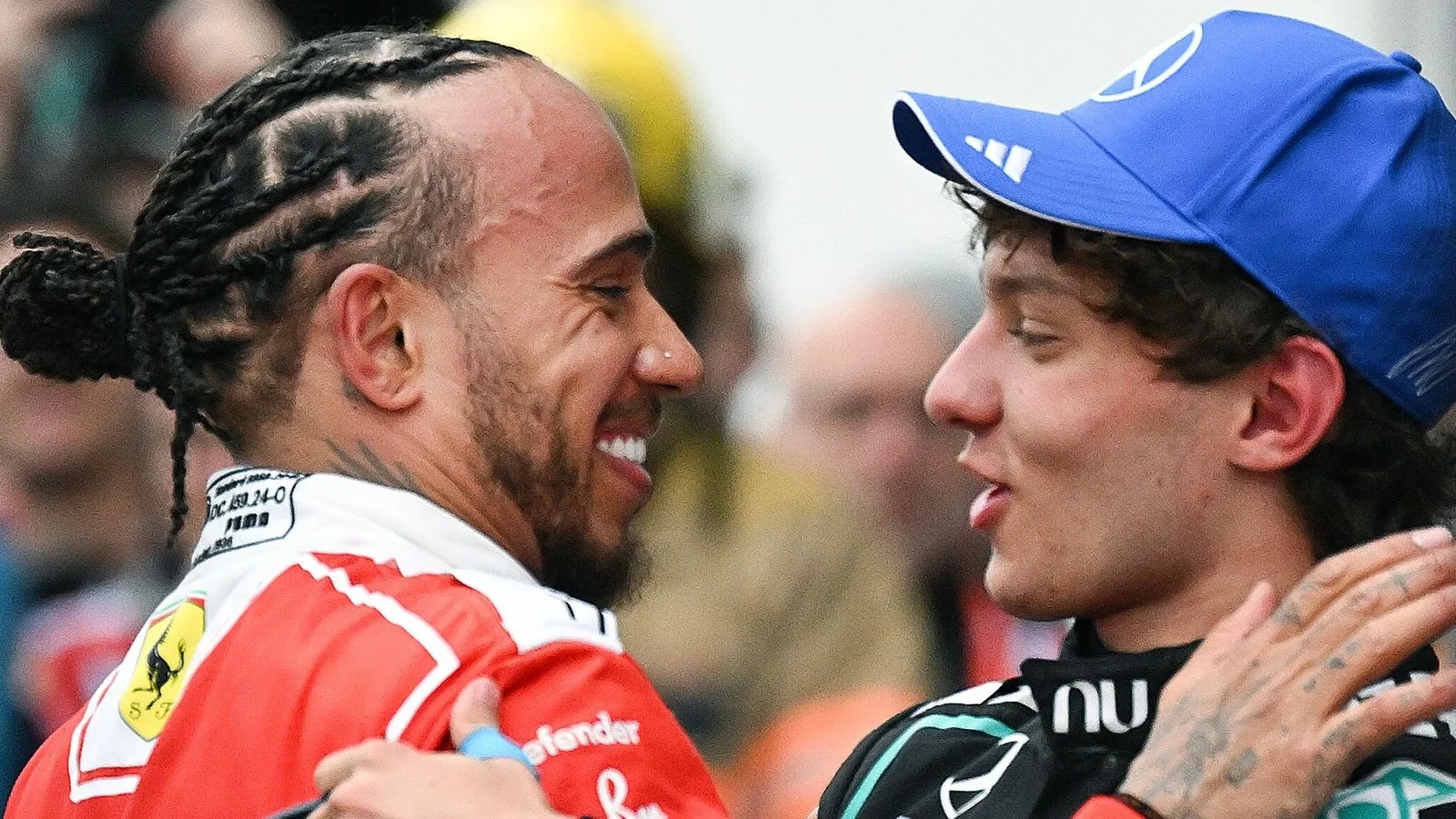
The championship leader, Kimi Antonelli, is among those stepping aside for the initial session. The Mercedes driver, who currently holds a 45-point advantage over Lewis Hamilton and a 50-point lead over George Russell, will cede his seat to reserve driver Frederik Vesti. Vesti, the 2023 Formula 2 runner-up, previously piloted the W17 in Barcelona and is tasked with further refining the team’s baseline setup for the weekend.
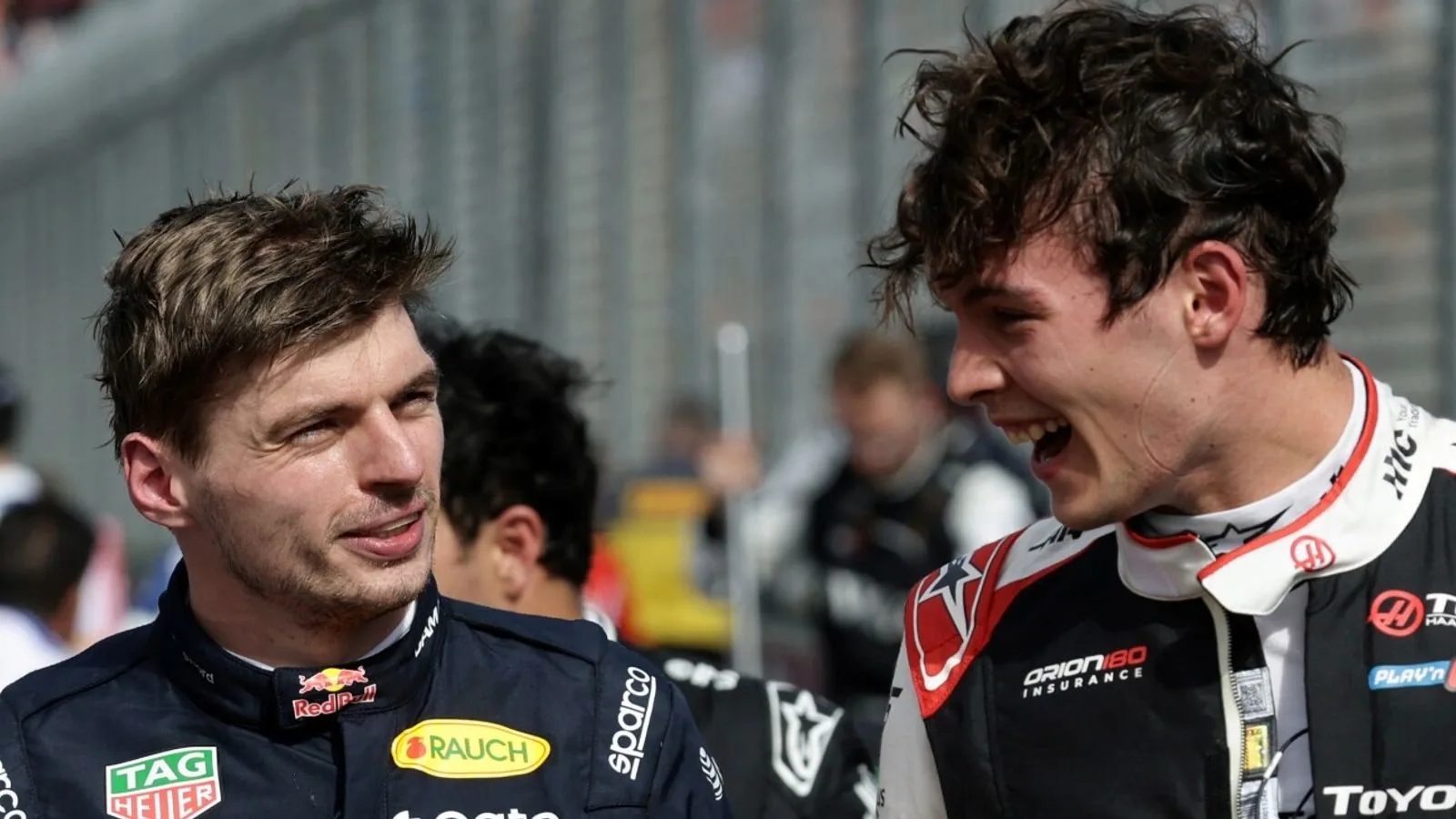
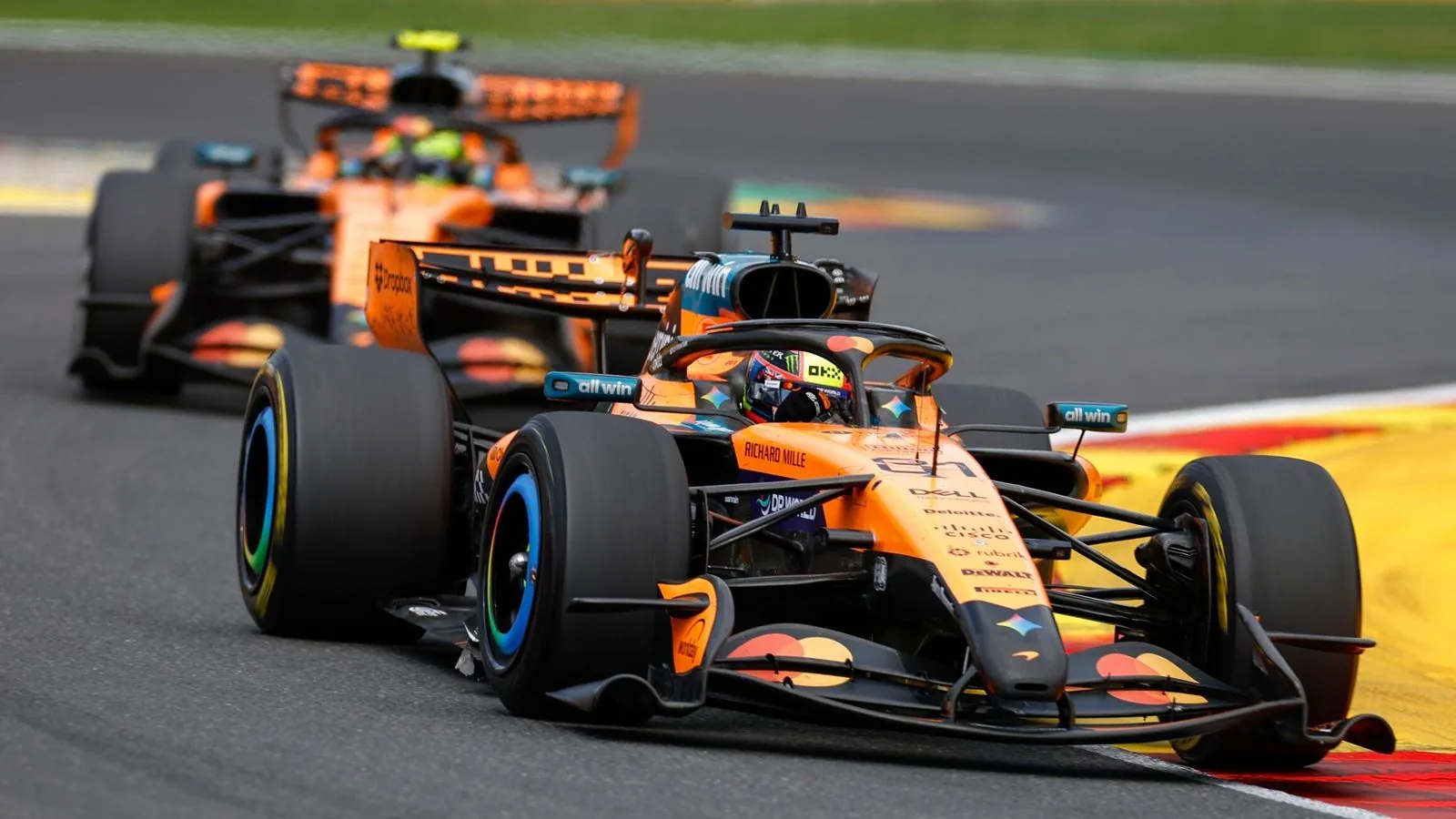
The session also serves as a focal point for the 2026 driver market. Reigning Formula 2 champion Leonardo Fornaroli is scheduled to take over Oscar Piastri’s McLaren, marking his second outing of the season. Fornaroli’s presence is particularly noteworthy given persistent rumors linking the Italian to a potential full-time seat at Haas for the 2027 season, potentially as a replacement for Esteban Ocon. Haas team principal Ayao Komatsu has acknowledged the team is keeping its options open, noting that Fornaroli performed well during a recent TPC (Testing of Previous Cars) session.
The remaining rookie entries for FP1 include:
- Ryo Hirakawa: Stepping in for Oliver Bearman at Haas.
- Paul Aron: Driving Franco Colapinto’s Alpine, marking his third appearance of the 2026 campaign.
- Colton Herta: Making an appearance in Valtteri Bottas’s Cadillac.
Technical Context: The Hungaroring Surface
The Hungaroring circuit is characterized by a high-grip, low-abrasion asphalt composition. The aggregate is primarily composed of crushed limestone and bitumen, which, when subjected to the thermal cycling of the Central European summer, tends to produce a 'greasy' surface layer as the bitumen migrates to the top. This necessitates a delicate balance in mechanical grip, as the track surface is notoriously sensitive to rubber deposition throughout the weekend, often resulting in a rapid evolution of the racing line's friction coefficient.