Reporting note: this article draws on Sky Sports; PGLive provides the summary and editorial framing.
The Mechanics of the 2026 Driver Market
As Formula 1 enters its mandatory summer break, the sport’s internal architecture—the complex interplay of contractual exit clauses and engineering talent migration—has reached a state of heightened volatility. The current "silly season" is defined by the potential movement of two primary figures whose decisions serve as the fulcrum for the entire grid's stability.
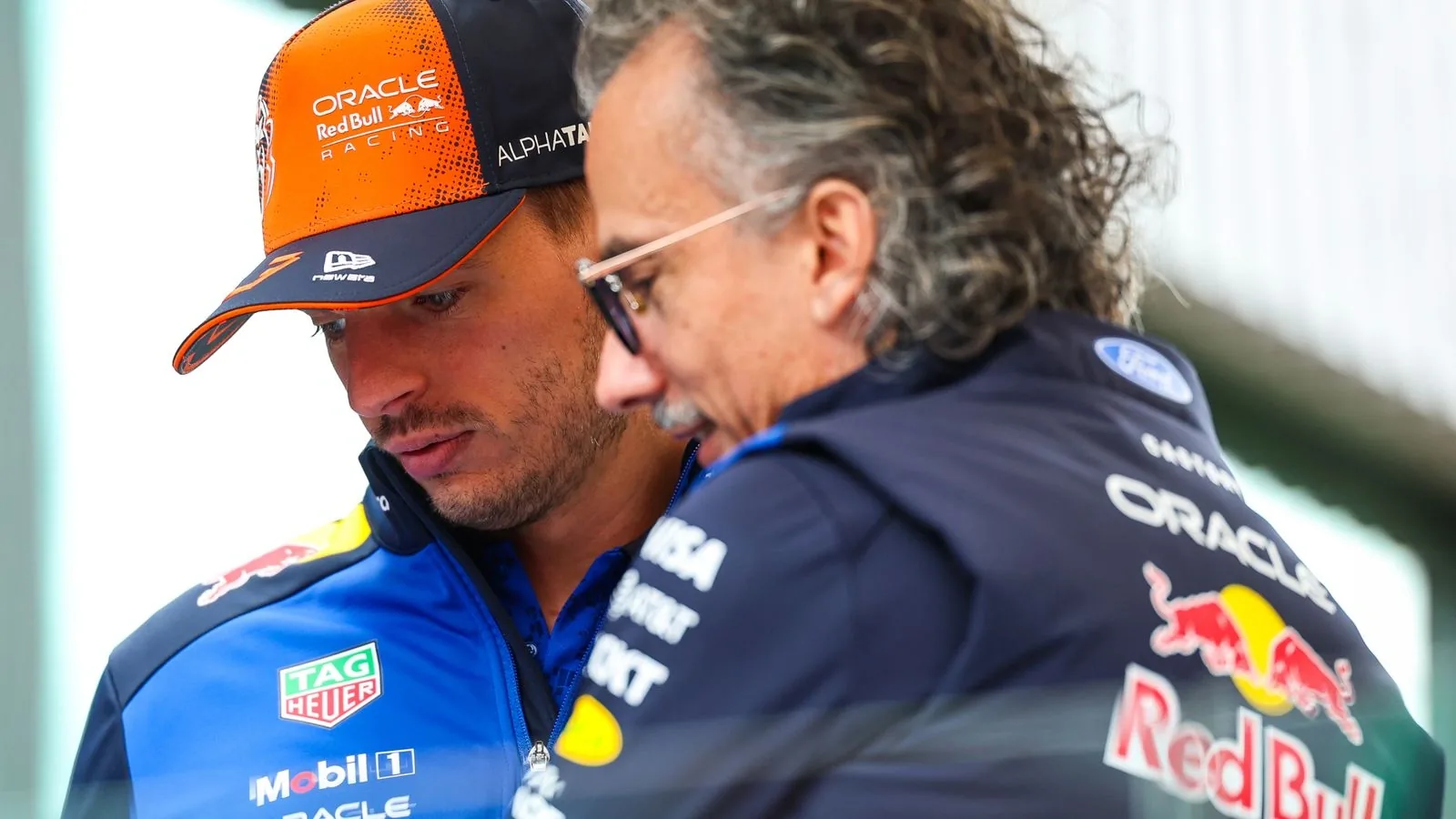
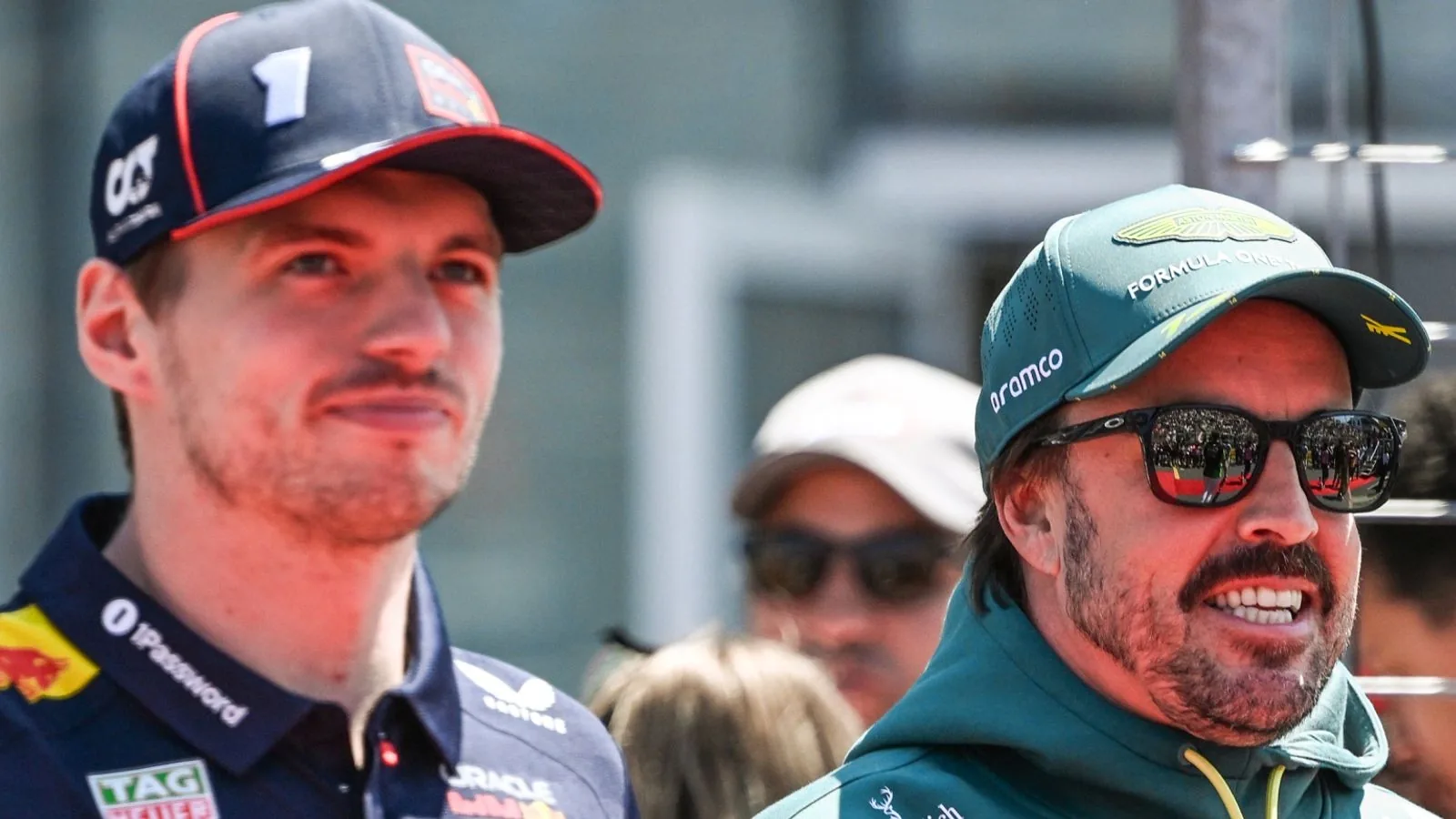
The first point of focus is the status of the four-time world champion currently at Red Bull. Despite a contract extending to 2028, an exit clause has been triggered following his position outside the top two in the Drivers' Championship at the break. While social optics, including recent holiday sightings with Mercedes team principal Toto Wolff, have fueled speculation, the internal dynamics at Mercedes remain anchored by the performance of Kimi Antonelli. Conversely, McLaren has emerged as a technical destination, particularly given the move of race engineer Gianpiero Lambiase to the Woking squad, though the team's recent performance trajectory remains the primary variable in any potential transition.
The second pillar of market instability is the future of the 45-year-old Aston Martin veteran. His decision to continue or retire will dictate the availability of a premium seat. Aston Martin’s technical direction, now under the stewardship of Adrian Newey, is currently focused on chassis refinement, while the competitiveness of their Honda power unit remains a critical unknown. The team is expected to await the results of a significant engine upgrade at the Dutch Grand Prix before finalizing their strategy for the 2027 season.
Impact on the Wider Grid
The ripple effects of these two decisions are already being felt by drivers currently occupying high-stakes positions. Should the Red Bull seat become vacant, George Russell at Mercedes and Oscar Piastri at McLaren face potential displacement. Both would likely be considered for a Red Bull vacancy, though the team may also look toward external candidates such as Carlos Sainz or Oliver Bearman.
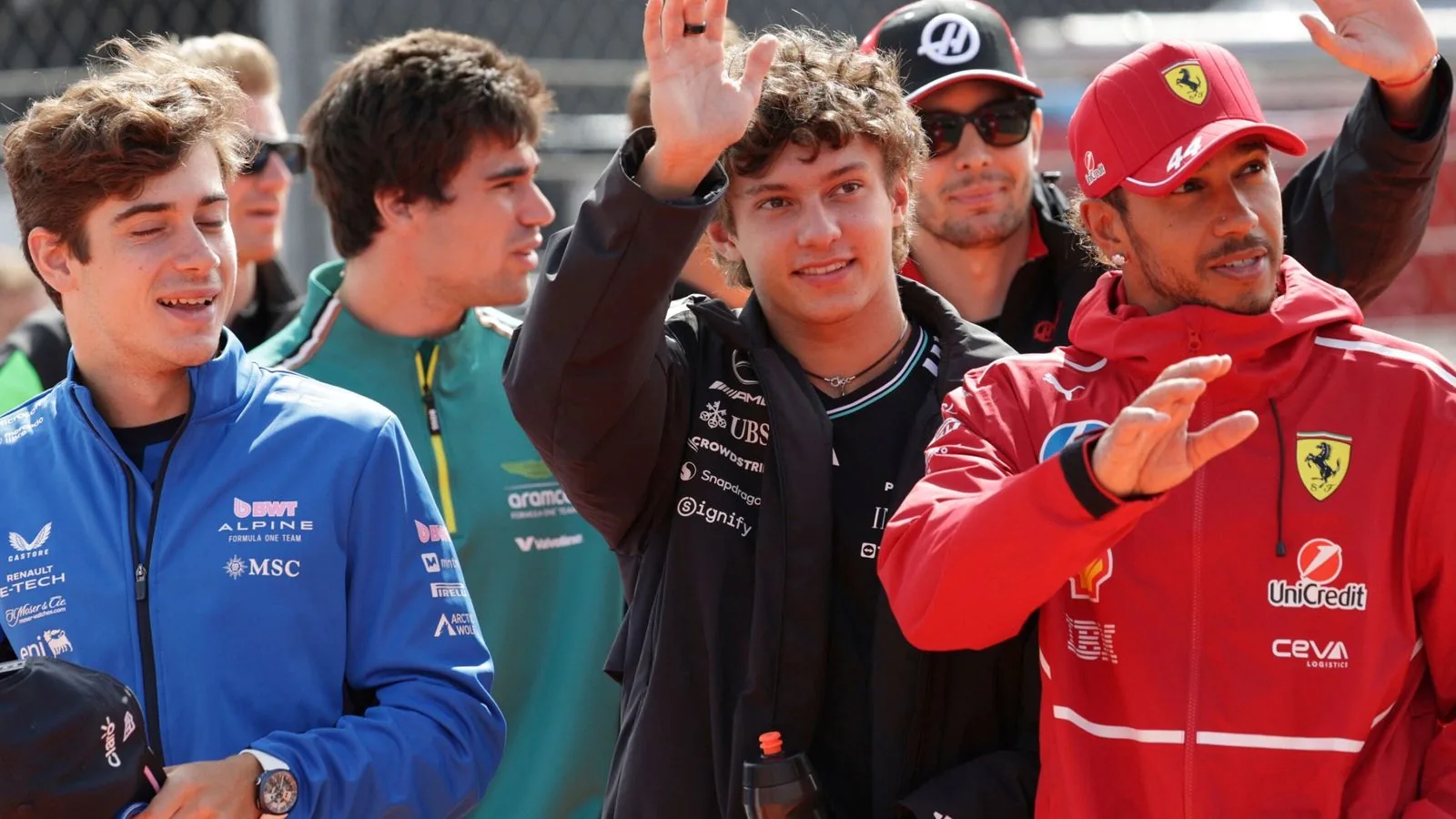
In the midfield, the stability of the grid is contingent on these primary moves. If the status quo is maintained, teams like Alpine and Racing Bulls may prioritize internal academy talent, such as Arvid Lindblad or Nikola Tsolov, while Esteban Ocon’s position at Haas remains subject to ongoing evaluation regarding the Ferrari academy pipeline.
Technical Note: Track Surface Composition
The Hungaroring, where the final pre-break race concluded, utilizes a high-grip aggregate composed primarily of crushed limestone and bitumen binders. The surface is engineered for high thermal retention, which accelerates tire degradation—a critical factor in the recent performance parity observed between the Red Bull and McLaren chassis configurations.