Reporting note: this article draws on Sky Sports; PGLive provides the summary and editorial framing.
Dramatic Reset and FIA Software Intervention
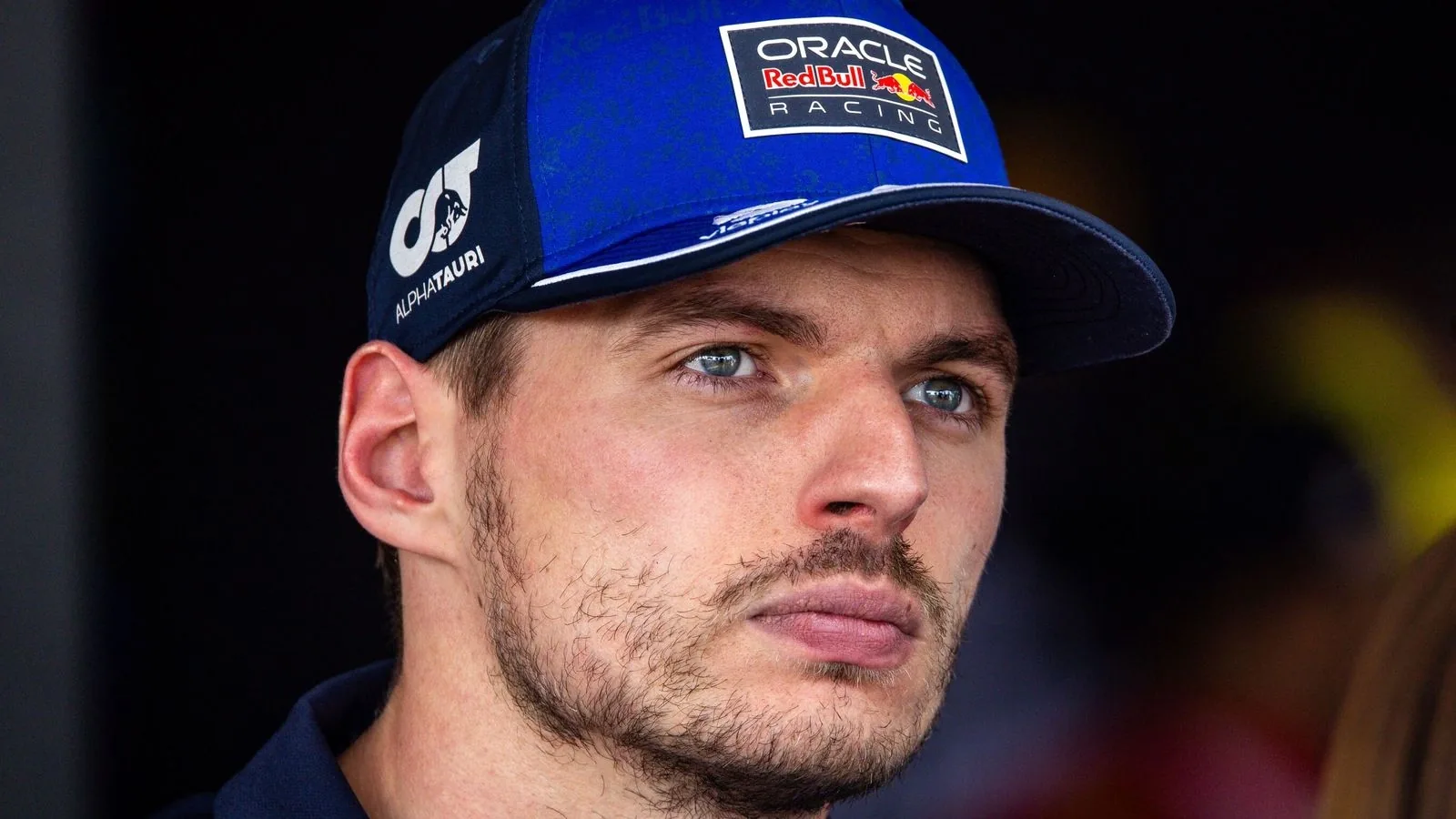
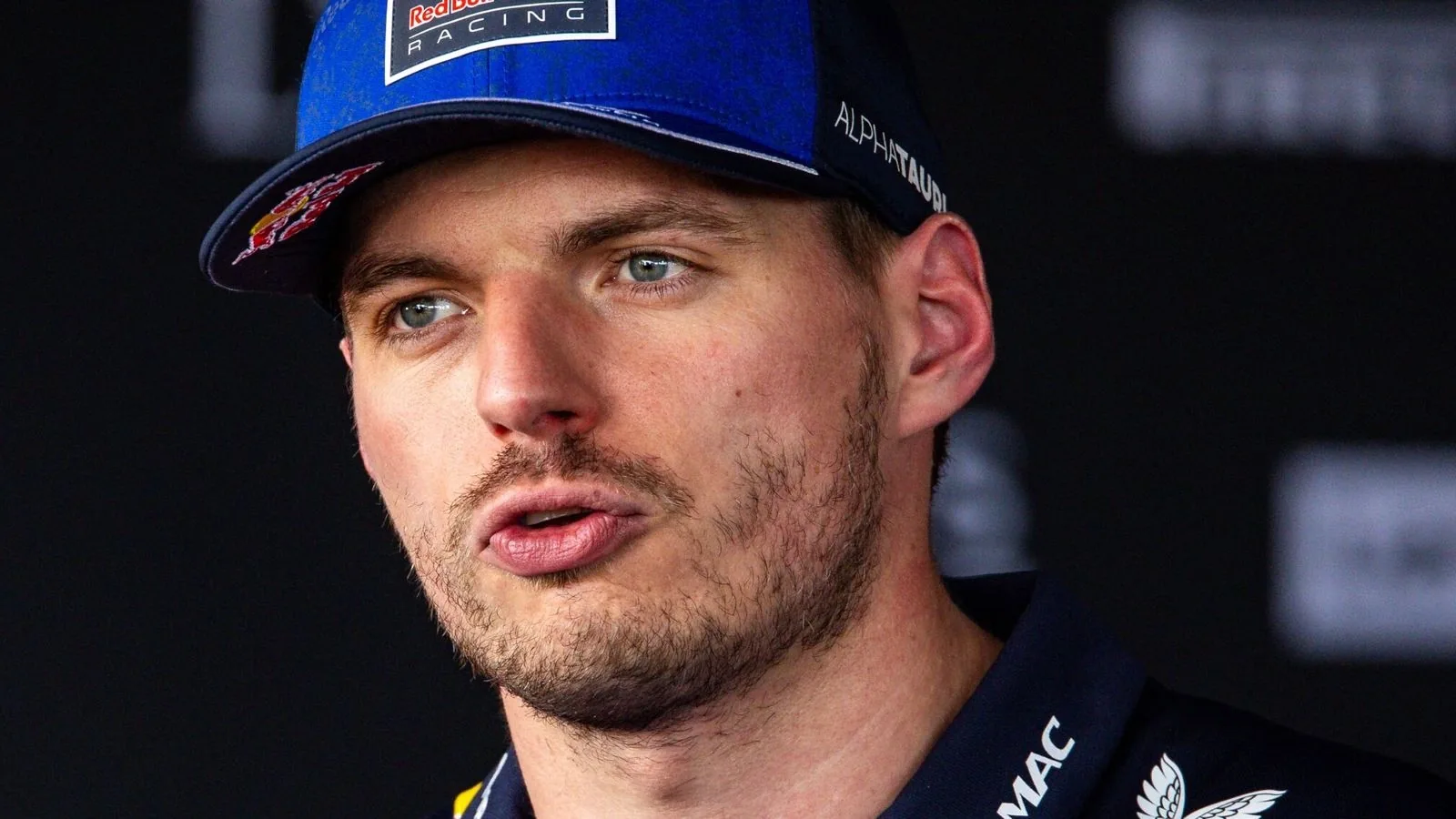
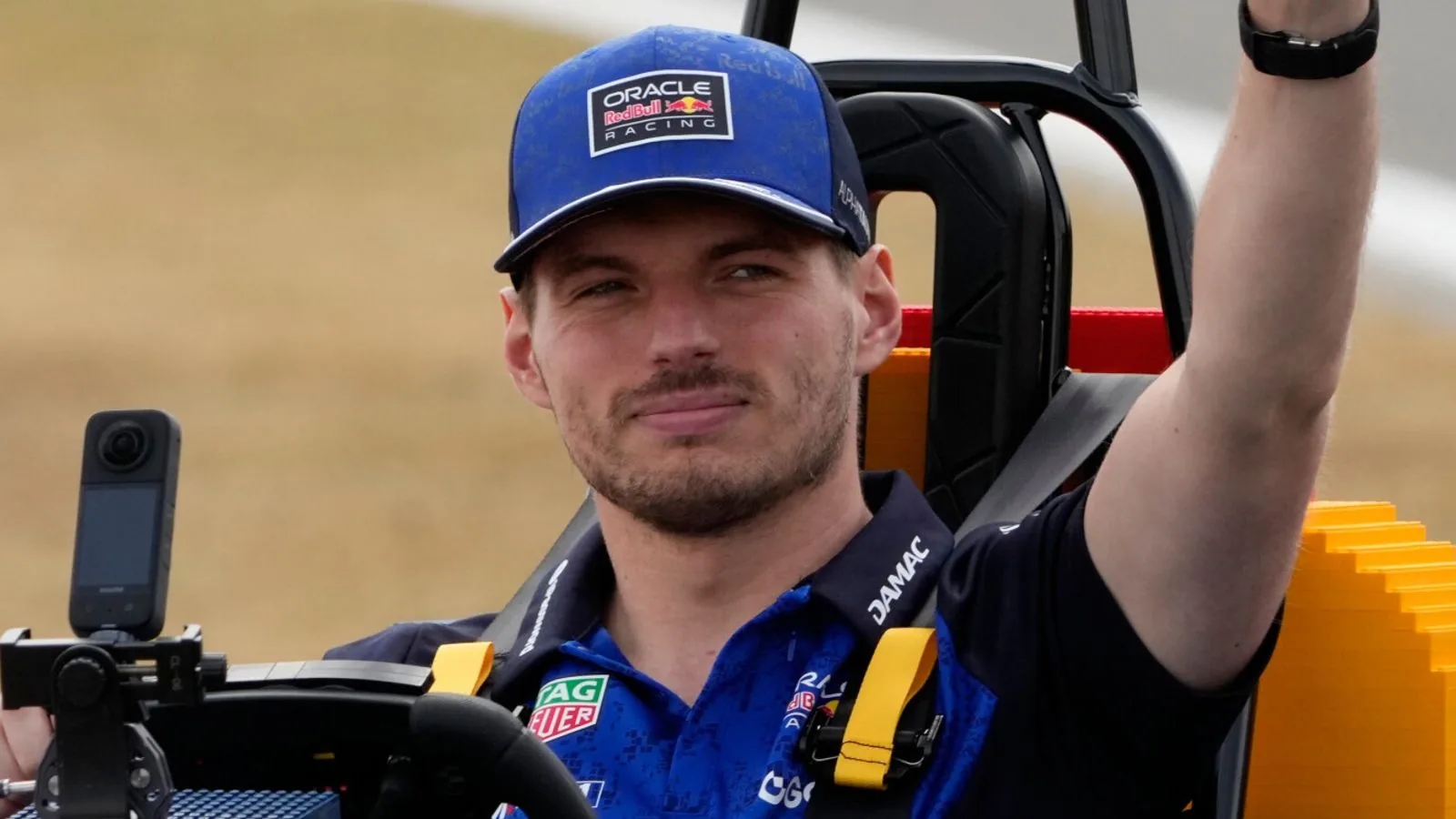
The Bahrain Grand Prix in Malaysia delivered an afternoon of operational disruption and strategic recovery, culminating in Max Verstappen securing his first victory of the 2026 Formula 1 season. The triumph marks the maiden win for the new Red Bull-Ford power unit and preserves Verstappen's unbroken run of winning in every campaign with Red Bull since 2016.
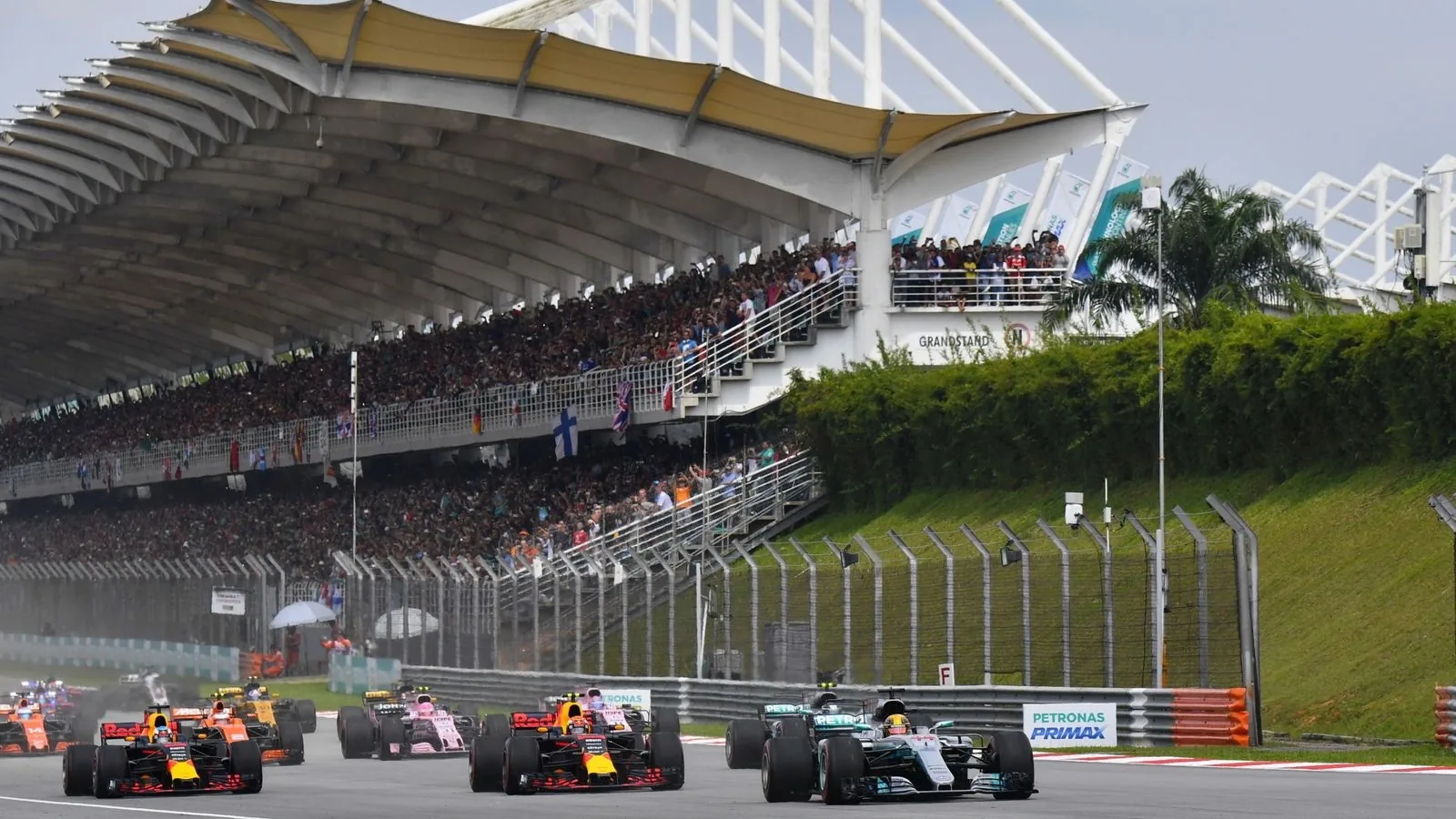
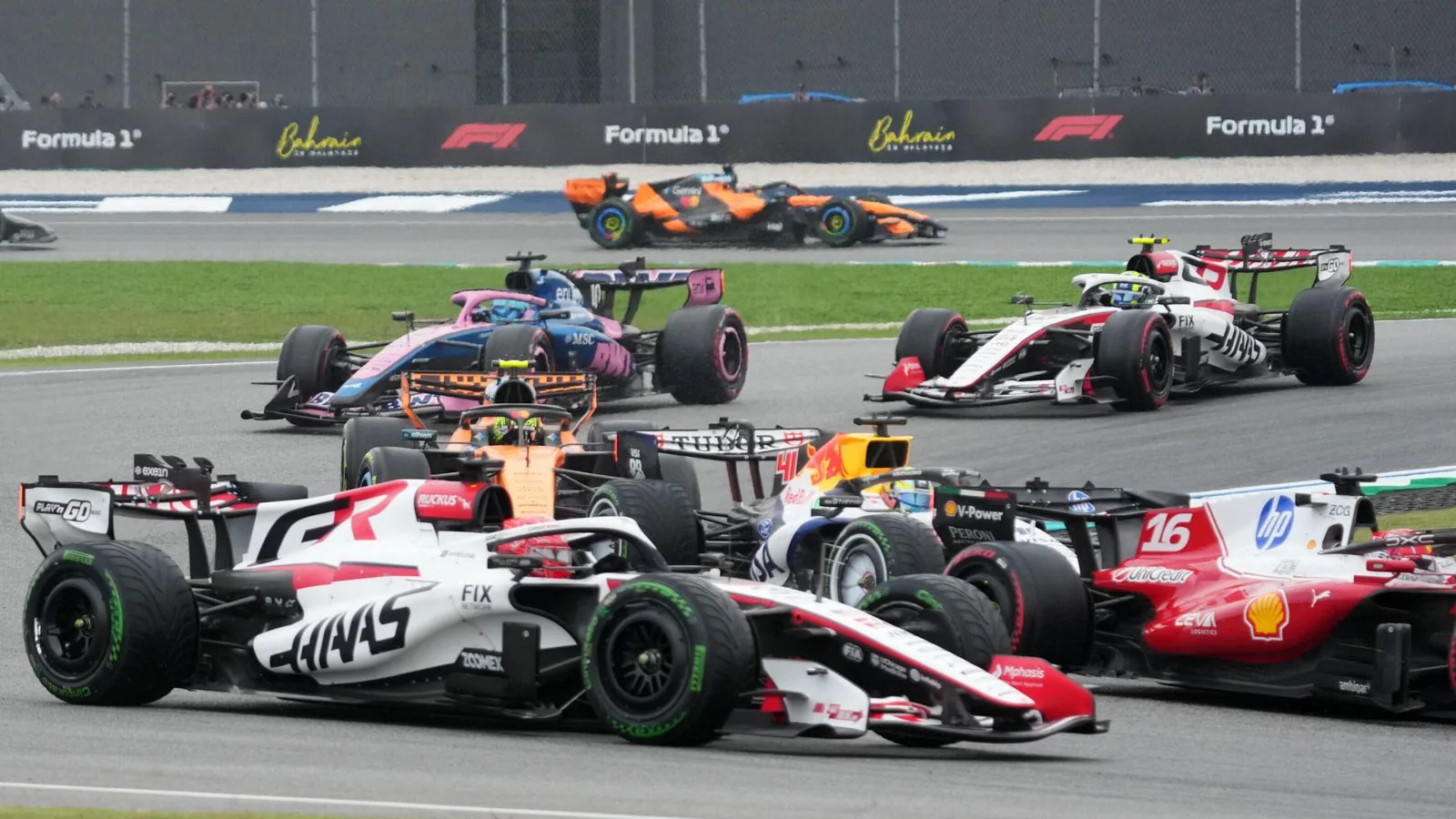
The event experienced an immediate halt when a sudden tropical downpour flooded the circuit right as cars took to the grid. Following an initial delay, race control attempted two formation laps behind the Safety Car for a standing start. However, standard FIA electronic control unit (ECU) software failed to process the extremely low crawl speeds, automatically shutting down power delivery across multiple cars. Ferrari-powered runners, select Red Bull Powertrains, and McLaren machinery ground to a halt or slowed dramatically.
Race control abandoned the procedure and brought all cars back to pit lane. During a 40-minute pause, the FIA deployed a software patch adjusting power unit parameters under 50 km/h, resetting the field to their original starting grid positions before conducting a clean restart.
Tyre Miscalculations on Worn Asphalt
Despite a bone-dry pit straight, the aging, high-wear circuit surface retained water deep within its micro-pockets, behaving like an unyielding sponge in cooler race-day temperatures. This misled several front-running teams into starting on dry slick tyres rather than intermediate wet compounds:
- Slick Starters: Ferrari (Lewis Hamilton, Charles Leclerc), McLaren (Lando Norris), Audi, and Aston Martin gambled on slick tyres, instantly losing heavy lap time in wet sectors such as turns three and five.
- Intermediate Starters: Mercedes duo Kimi Antonelli and George Russell, alongside Verstappen, seized early control at the front.
By lap nine, slick runners trailed the leaders by over a minute. A first-lap wing-damaging touch forced Leclerc to switch early to intermediates, while Hamilton endured the low-grip phase on his soft tyres to preserve track position.
Safety Cars Reshuffle the Order
The strategic divide narrowed on lap 13 when Valtteri Bottas spun his Cadillac into the gravel at Turn 13, prompting a full Safety Car. The neutralization allowed the intermediate runners to switch onto slicks under a reduced pit-stop delta, while Hamilton’s decision to avoid pitting vaulted him back into contention across a 31-lap stint on starting softs.
Late-race drama resurfaced on lap 42 when Alex Albon’s Williams stopped near Turn 3. Under the subsequent Safety Car intervention, Russell suffered a terminal power unit failure, extinguishing a podium run. In the ensuing slowdown, Norris narrowly avoided rear-ending teammate Oscar Piastri, skipping across the gravel at Turn 1 and dropping to ninth.
Race Classification and Championship Outlook
Verstappen controlled the final restart to capture the victory, followed by Antonelli in second and Hamilton in third. Leclerc finished fourth, ahead of Red Bull’s Isack Hadjar in fifth.
- Drivers' Championship: Antonelli expanded his championship lead to 84 points over his title rivals.
- Constructors' Standings: Red Bull's strong haul narrowed the gap to McLaren to just 18 points in the fight for third place.
- Midfield Points: Liam Lawson finished seventh and Arvid Lindblad claimed 10th for Racing Bulls, while Fernando Alonso secured eighth for Aston Martin.
As dusk settled and cumulus clouds dispersed over the final corner, the paddock packed up for the upcoming Singapore Grand Prix Sprint weekend, where Mercedes faces power unit component scrutiny following Russell's late breakdown.