Reporting note: this article draws on Sky Sports; PGLive provides the summary and editorial framing.
Strategic Refinement at Maranello
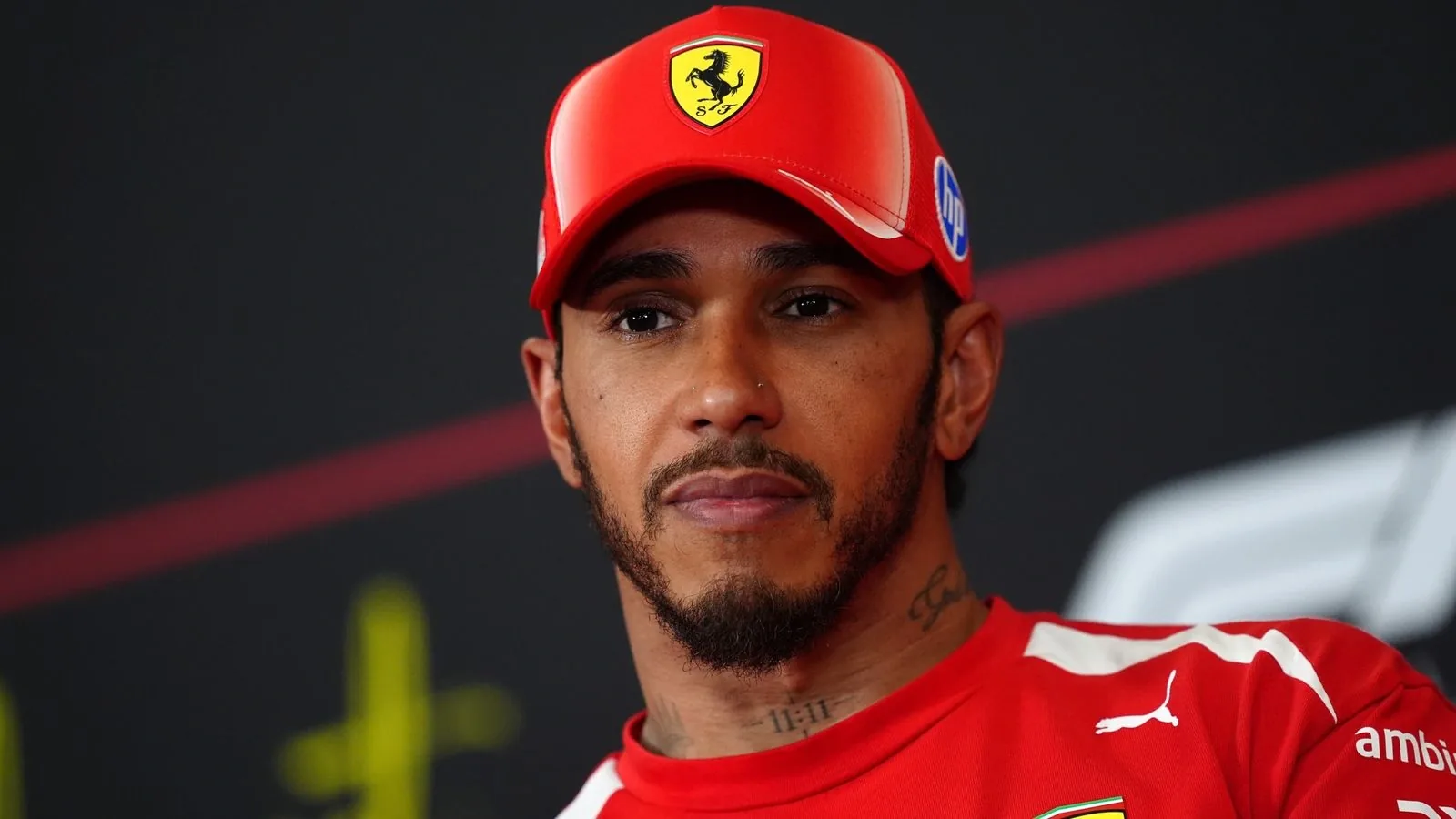
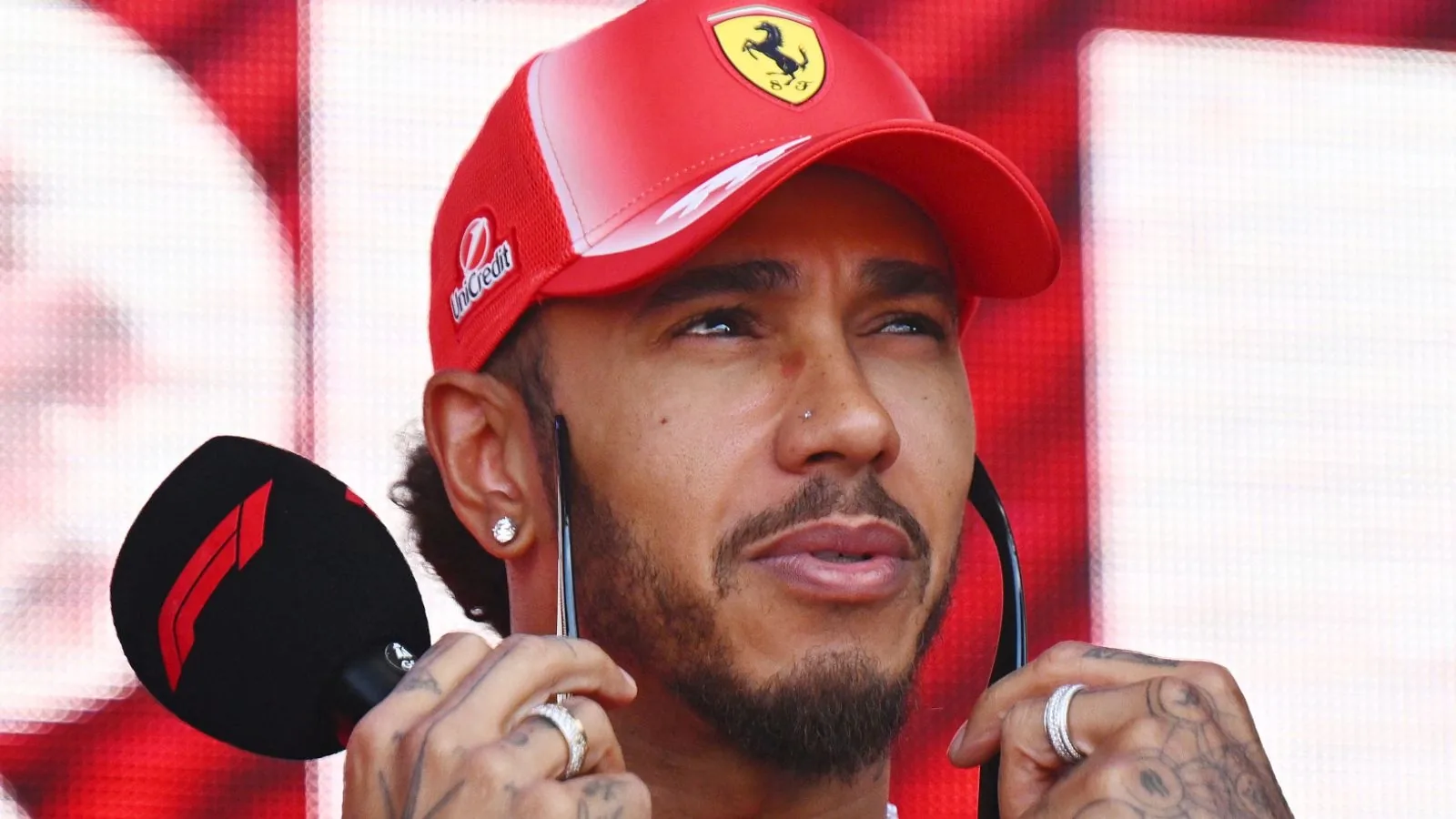
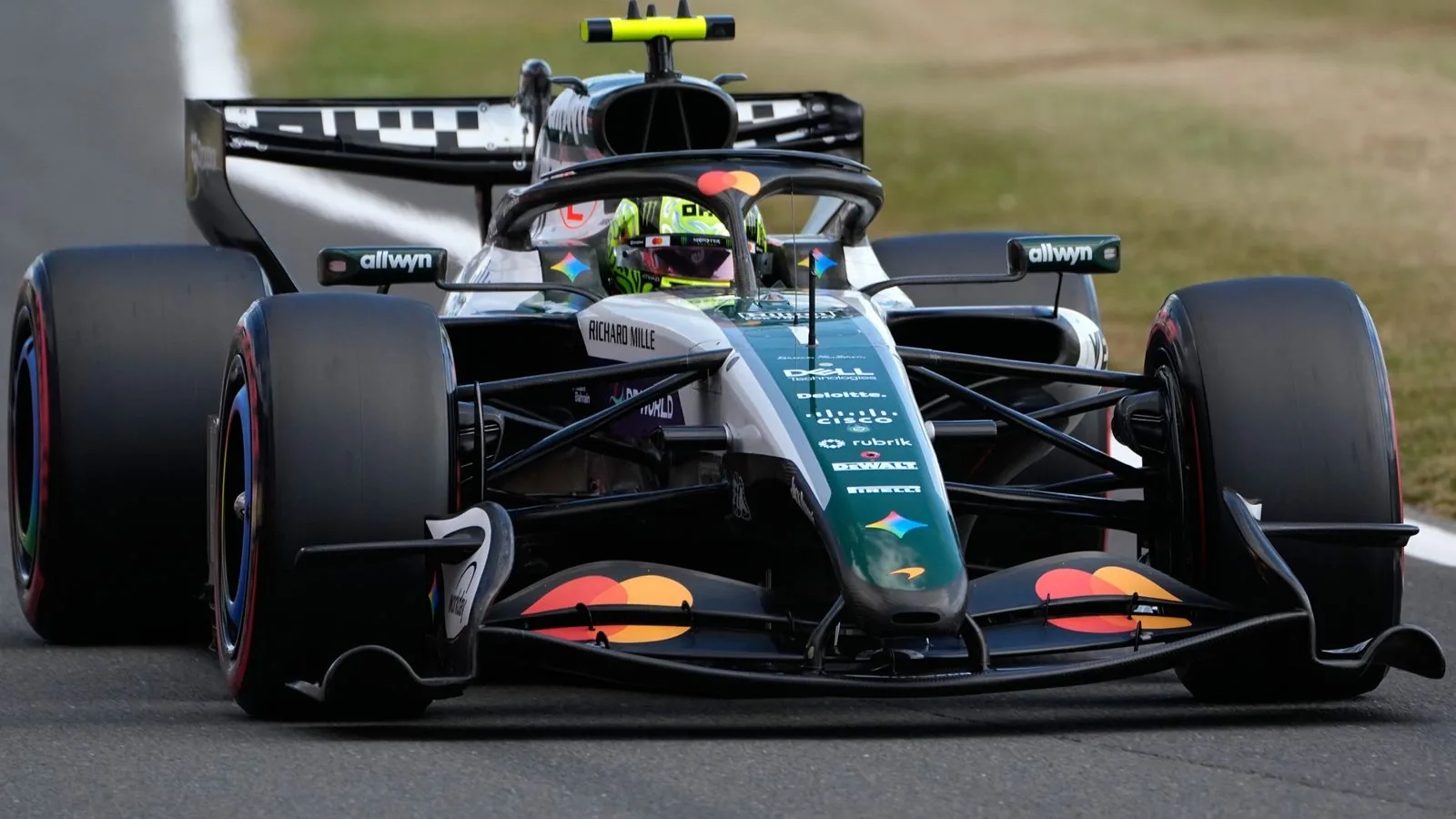
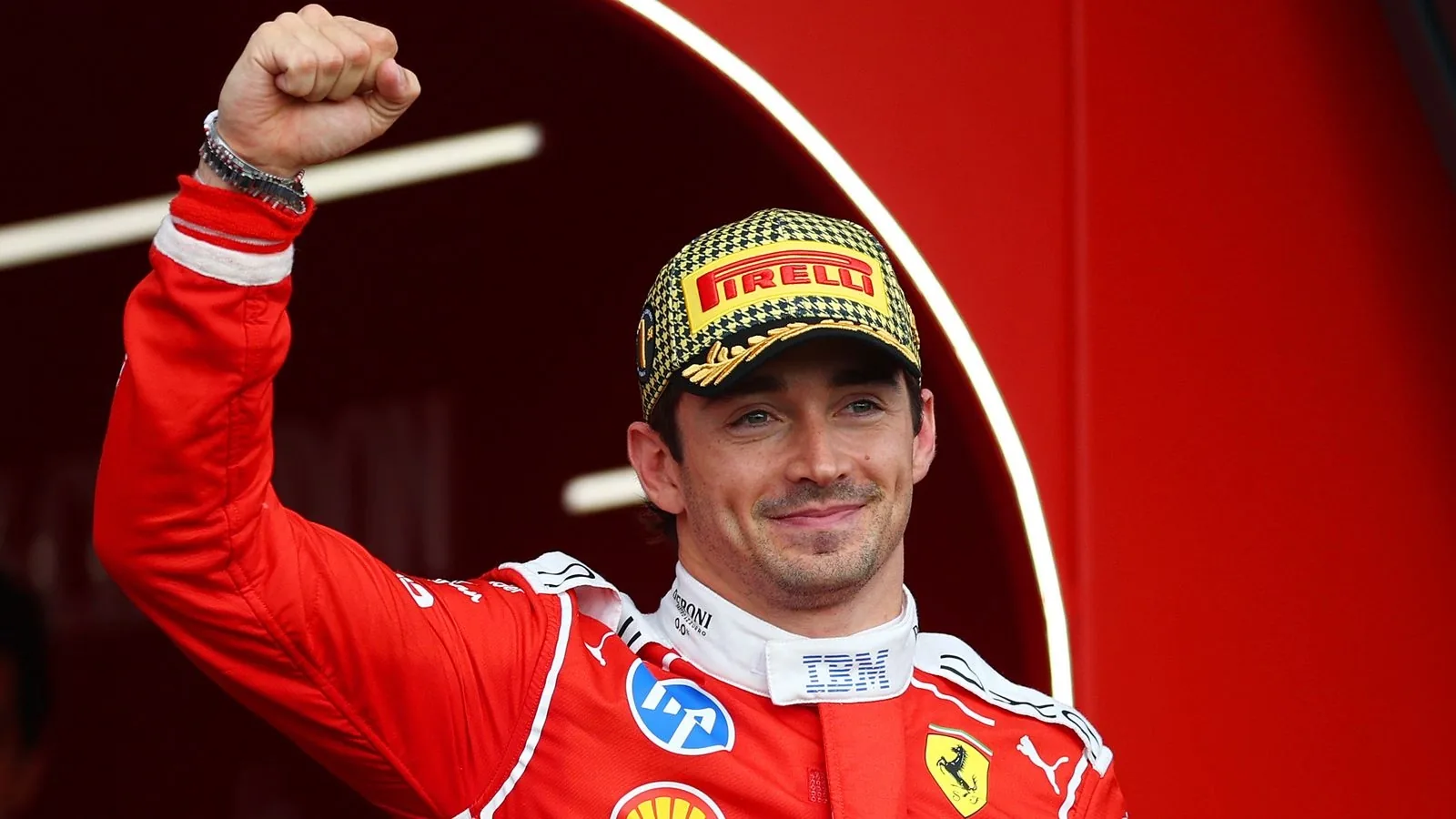
As the 2026 Formula 1 season enters its mid-year hiatus, Ferrari Team Principal Frederic Vasseur has identified critical operational and mechanical vectors for development. The team currently trails Mercedes in both the Drivers' and Constructors' Championships, with a 50-point deficit separating Lewis Hamilton from the current leader, Kimi Antonelli.
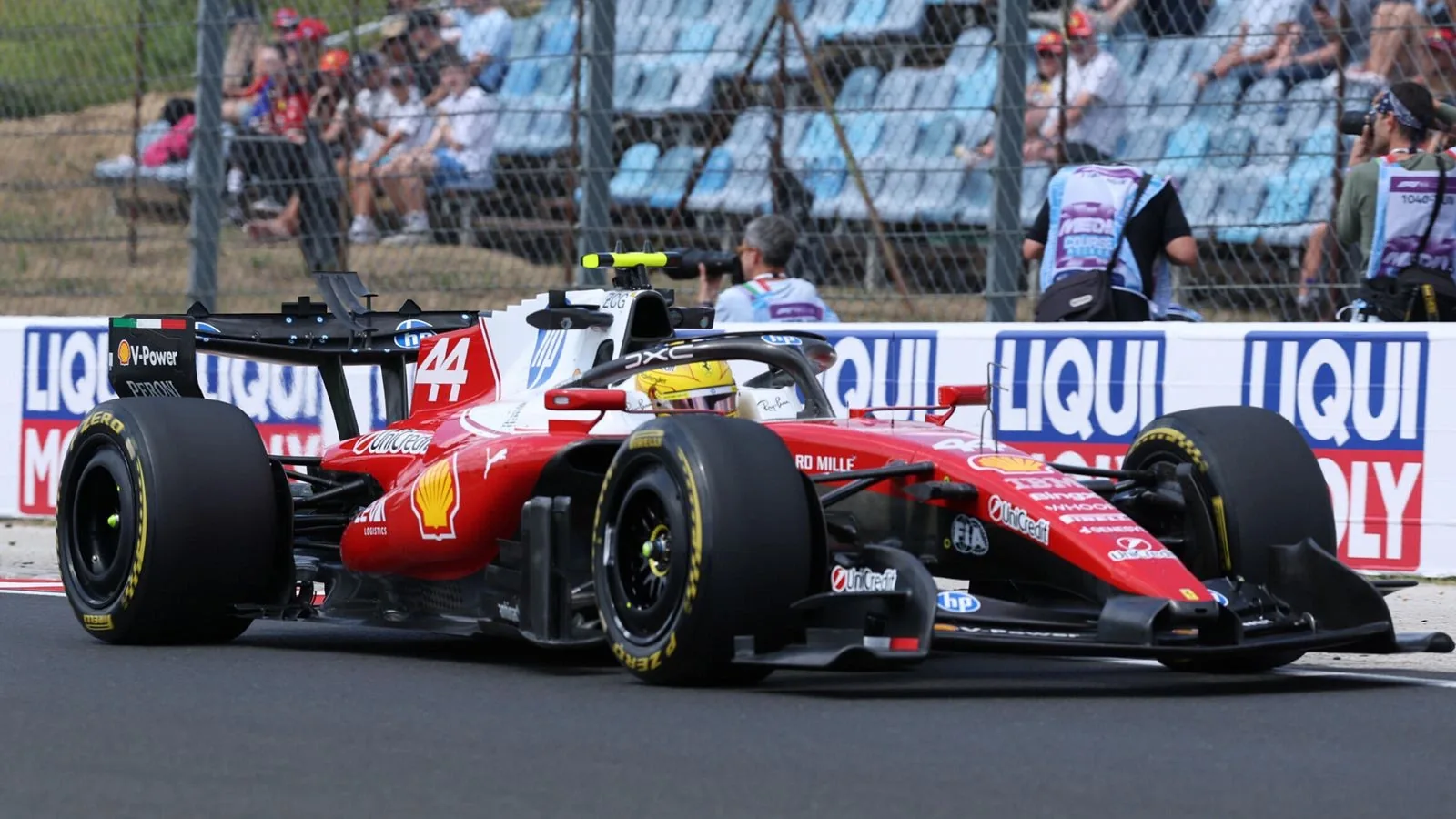
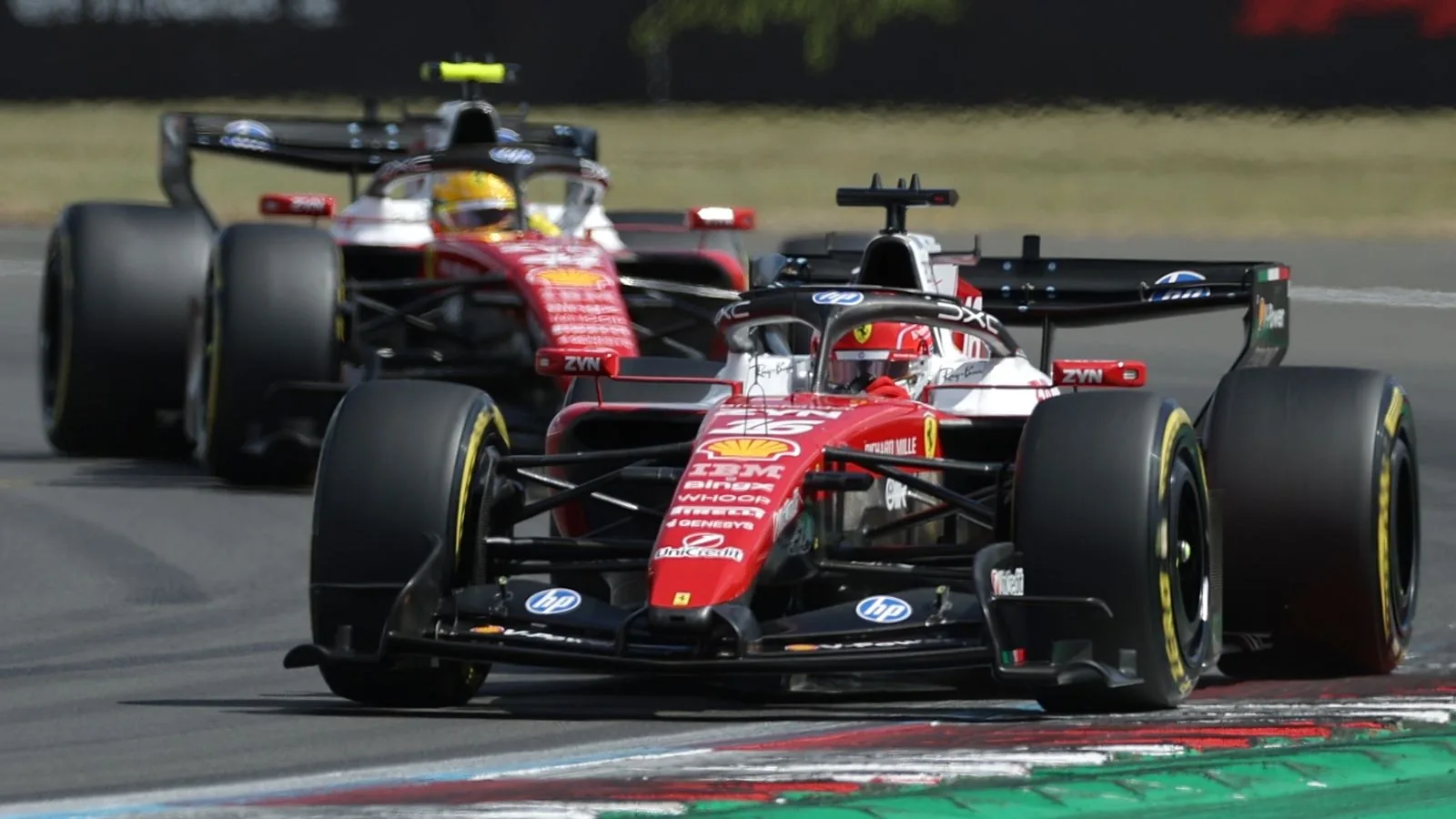
Vasseur’s assessment follows a mixed performance in Hungary, where the team’s race execution faltered despite the inherent speed of the chassis. While the team has successfully outscored Mercedes in several recent rounds, Vasseur emphasized that the second half of the season requires a dual-track approach: refining the power unit and maintaining a consistent cadence of aerodynamic updates.
Technical Hurdles and Development Philosophy
The internal consensus within the paddock suggests that the Ferrari chassis is among the most competitive on the grid. However, Vasseur acknowledged that the power unit remains a primary area for optimization. Unlike the chassis, which allows for rapid, iterative updates, the engine’s development cycle is constrained by higher inertia and stricter regulatory oversight regarding performance balancing.
Regarding the competitive landscape, Vasseur contrasted Ferrari’s incremental development strategy with the philosophy of rivals such as McLaren. While McLaren has opted for significant, large-scale upgrade packages, Ferrari continues to introduce smaller, frequent modifications at every race. Vasseur maintains that this steady momentum is essential to closing the 72-point gap in the Constructors' Championship over the remaining 12 races.
Geological and Surface Considerations
The upcoming Dutch Grand Prix at Zandvoort presents a unique challenge regarding track surface interaction. The circuit is characterized by a high-grip, modified bitumen aggregate, often infused with polymer binders to withstand the lateral loads of the banked corners. The track’s abrasive composition requires precise tire thermal management, as the mechanical load on the outer shoulder of the tires is significantly higher than at traditional flat-circuit venues.