
Reporting note: this article draws on BBC Sport; PGLive provides the summary and editorial framing.
Defining the Divisions: Open vs. Quad
The distinction between the Open and Quad divisions in wheelchair tennis centers on the nature of the athlete's impairment. The Open division is designed for players with impairments affecting their lower limbs. In contrast, the Quad division is for athletes with impairments affecting three or more limbs, which includes reduced function in the arms or hands. This classification acknowledges that the additional upper-body impairment significantly alters the mechanics of racquet control and shot-making.
Technical Standards and Equipment
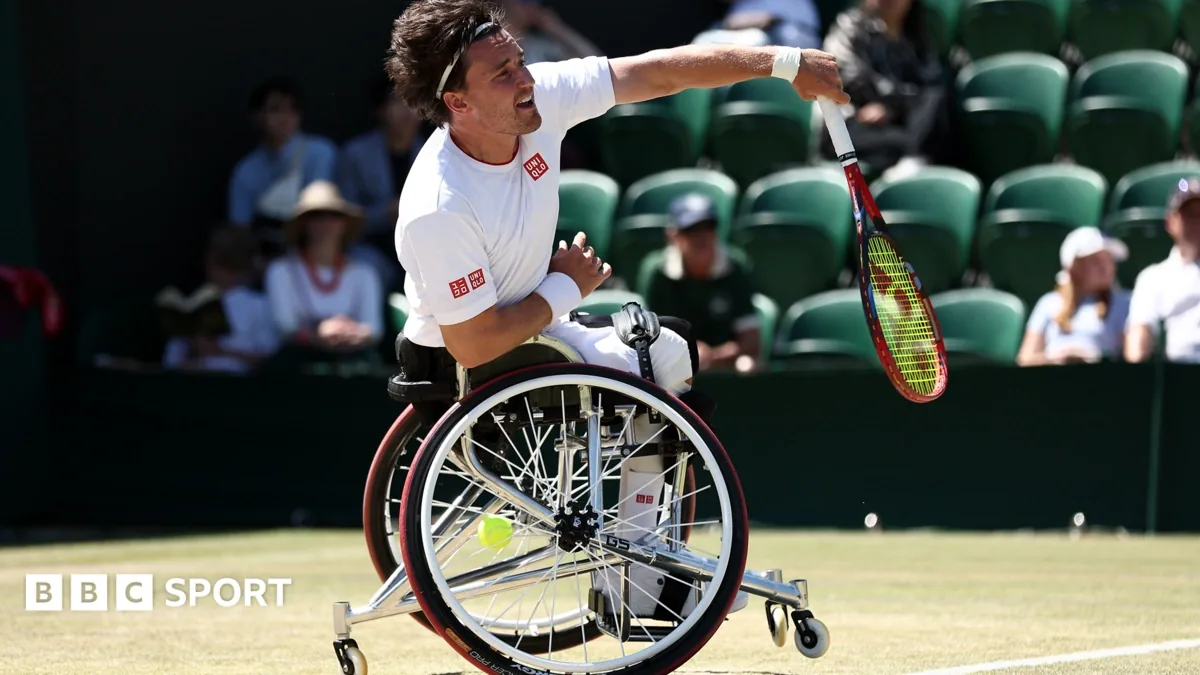
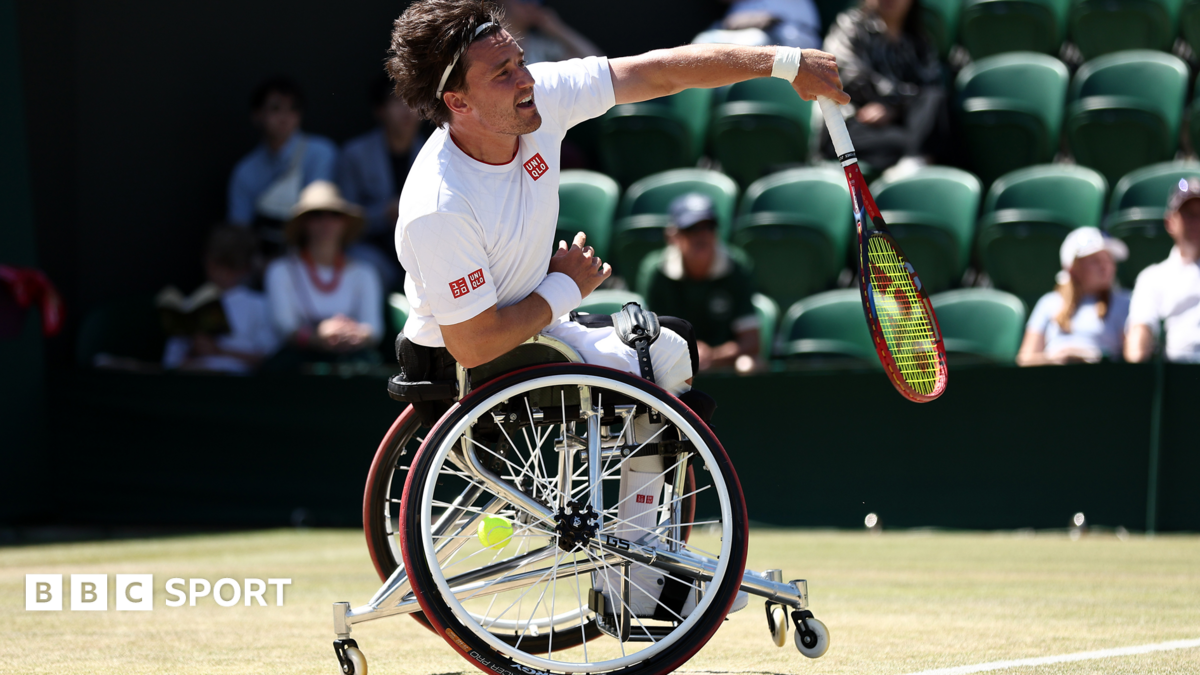
Despite the differences in mobility, the court dimensions and net height remain identical to those used in non-wheelchair tennis. Technology such as Hawk-Eye operates on the same principles, tracking the ball's trajectory regardless of the player's position, and in some instances, provides a clearer view than human line judges, who may have their sightlines obstructed by a wheelchair.
Equipment maintenance is a critical factor for performance, particularly regarding surface adaptation. Players often adjust tyre pressure—lowering the PSI on grass to prevent the wheels from digging into the turf. While the wheelchairs themselves are consistent for both singles and doubles, the materials used reflect the high-performance nature of the sport:
- Aluminium alloy: The industry standard for its balance of durability, weight, and cost.
- Titanium: A premium choice that offers superior vibration absorption and weight reduction, though at a higher price point.
- Carbon fibre: Frequently used for specific frame components to increase stiffness and acceleration.
Serve Mechanics and Regulatory Nuances
Serve speeds vary significantly across divisions, influenced by both the player's physical capability and their classification. In the Men's Open division, top servers like Tokito Oda can reach speeds of 112mph, with the elite tier occasionally hitting 120mph. Women's Open competitors, such as Diede de Groot, typically serve between 70-95mph, while Quad division speeds range from 50-90mph, reflecting the variance in upper-limb function. Other prominent figures in the sport, including Alfie Hewett and Gordon Reid, continue to push the boundaries of these technical standards.
Regulatory adjustments also exist to maintain the integrity of the game. A "wheel fault" serves as the wheelchair equivalent to a foot fault, occurring if the front wheel crosses the baseline before the serve is struck. Additionally, specific rules regarding castor width are enforced at venues like Wimbledon to protect the integrity of the grass surface.