Reporting note: this article draws on gmanetwork.com; PGLive provides the summary and editorial framing.
Niño Alcantara Asian Games return came days after becoming a father
Francis "Niño" Alcantara arrived in Nagoya for the 2026 Asian Games three days after his first child was born. The Philippine tennis player said competing as a new father was "super special" and unlike anything he had experienced in his career.
He described leaving his wife and newborn son behind as "very tough", and said he asked his wife whether he should make the trip at all. She told him to go, and he credited her support for making the decision possible.
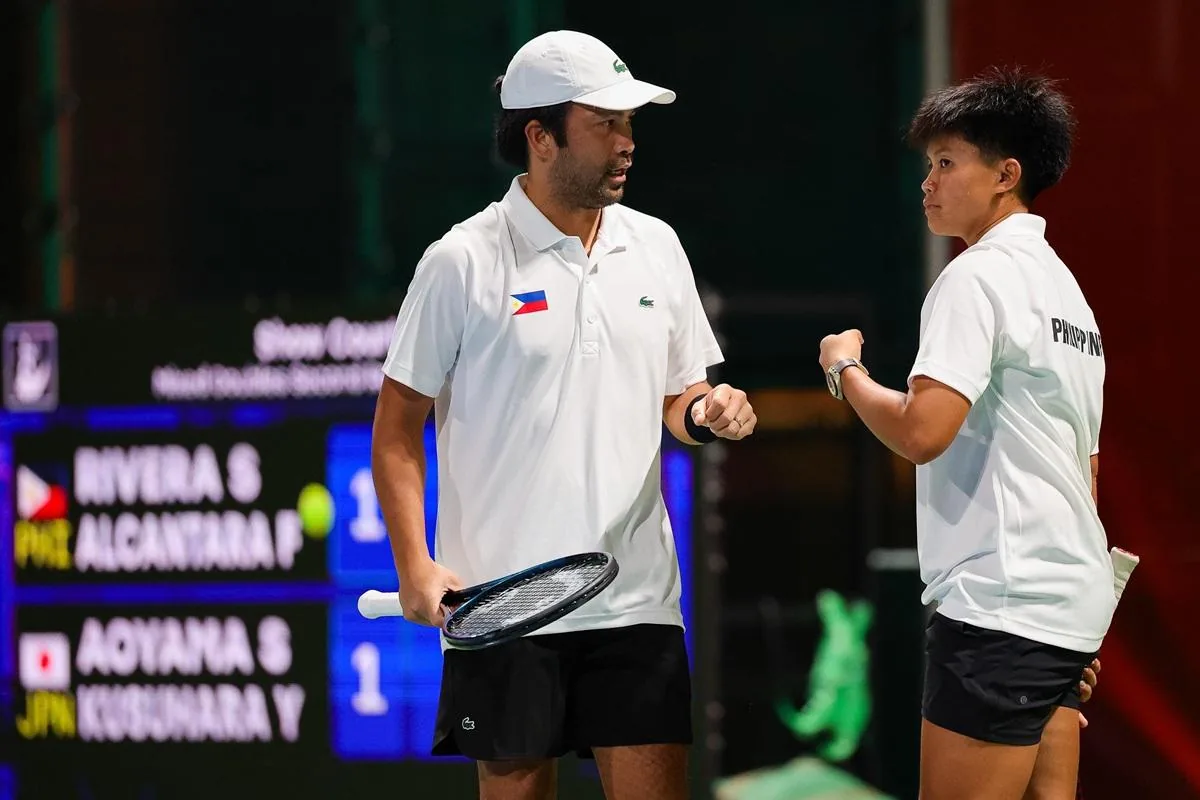
Heavy rain at the Higashiyama Koen Tennis Center repeatedly forced organisers to shift venues and reschedule matches, leaving the Philippine team waiting around the grounds for courts. Alcantara, playing mixed doubles with Shaira Hope Rivera, reached the Round of 16.
It was his third Asian Games, but the first in which he competed only in mixed doubles rather than his usual doubles events. He said he was thankful to be included in the squad at all.
A shoulder injury reshaped his singles ambitions
The clearest update on Alcantara's playing status is an old one that still shapes his schedule. He said a shoulder injury after college pushed him away from singles and toward doubles, where the physical load is easier to manage.
"Maybe I could have played more singles after college, but I got injured in my shoulder, so that's why I kind of stopped playing," he said. "So I wanted to preserve my body more, and so I can play longer in doubles."
That adjustment sits behind a long record. He won the boys' doubles title at the 2009 Australian Open, becoming the first Filipino junior Grand Slam champion, and reached No. 14 in the world junior rankings. He took SEA Games gold in Manila in 2019 and an Asian Games bronze in Hangzhou in 2023 alongside Alex Eala in mixed doubles.
His path there was not a straight line. He left Cagayan de Oro for Manila at around 11 or 12 to train, missing most of his high school years, backed by sponsors Rommie Chan, Lhuillier and Hilado who aimed for a US college scholarship. He said he received more than 30 Division I offers and has no regrets.
Philippine tennis team leans on rare time together
Alcantara said life on the professional tour is solitary, which made the Nagoya gathering unusual. "Usually when I'm on tour, I'm the only Pinoy," he said. "I never get to see Alex because she's playing in different tournaments."
As the senior figure on a squad otherwise made up of women, he described himself as the team's "kuya" — the older brother. "I was the only guy. It was like four little girls with me. And it was fun."
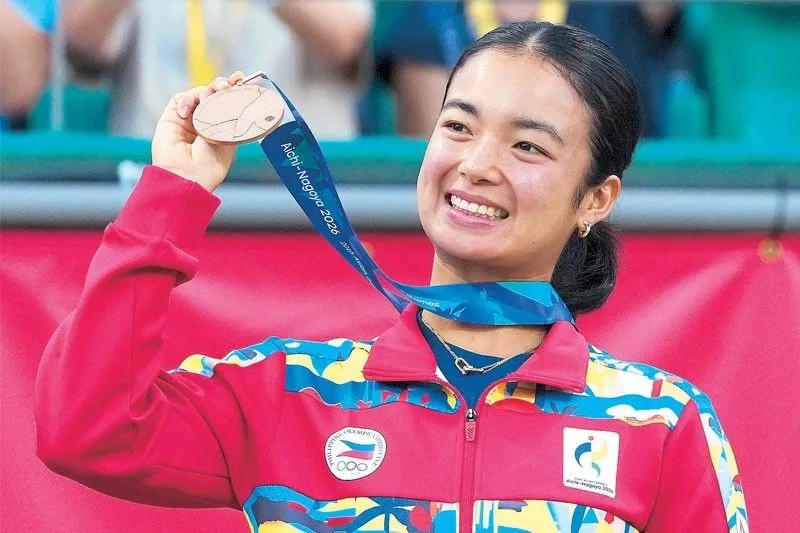
He has known Eala since she was seven or eight years old. She won bronze in women's singles, the only tennis medal for the Philippines at these Games, and Alcantara said he was happy to see her play again.
He did not hide the team's shortfall. "We all did our best. We all did our part. It was just not meant to be this time," he said, without bitterness.
What comes next for Alcantara
At 34, Alcantara said he still has tennis left in him. He plans two or three weeks of tournaments in Singapore and Thailand from late November, then a return to the long tour grind next year.
He is committed to the 2027 SEA Games in Malaysia and hopes to play one more Asian Games, though he is realistic about his body. "For Doha, I'm not sure yet," he said. "We'll see how the body is and how I'm doing during those years."
The original report was published by gmanetwork.com.