Reporting note: this article draws on BBC Sport; PGLive provides the summary and editorial framing.
A Shift in the Sporting Landscape
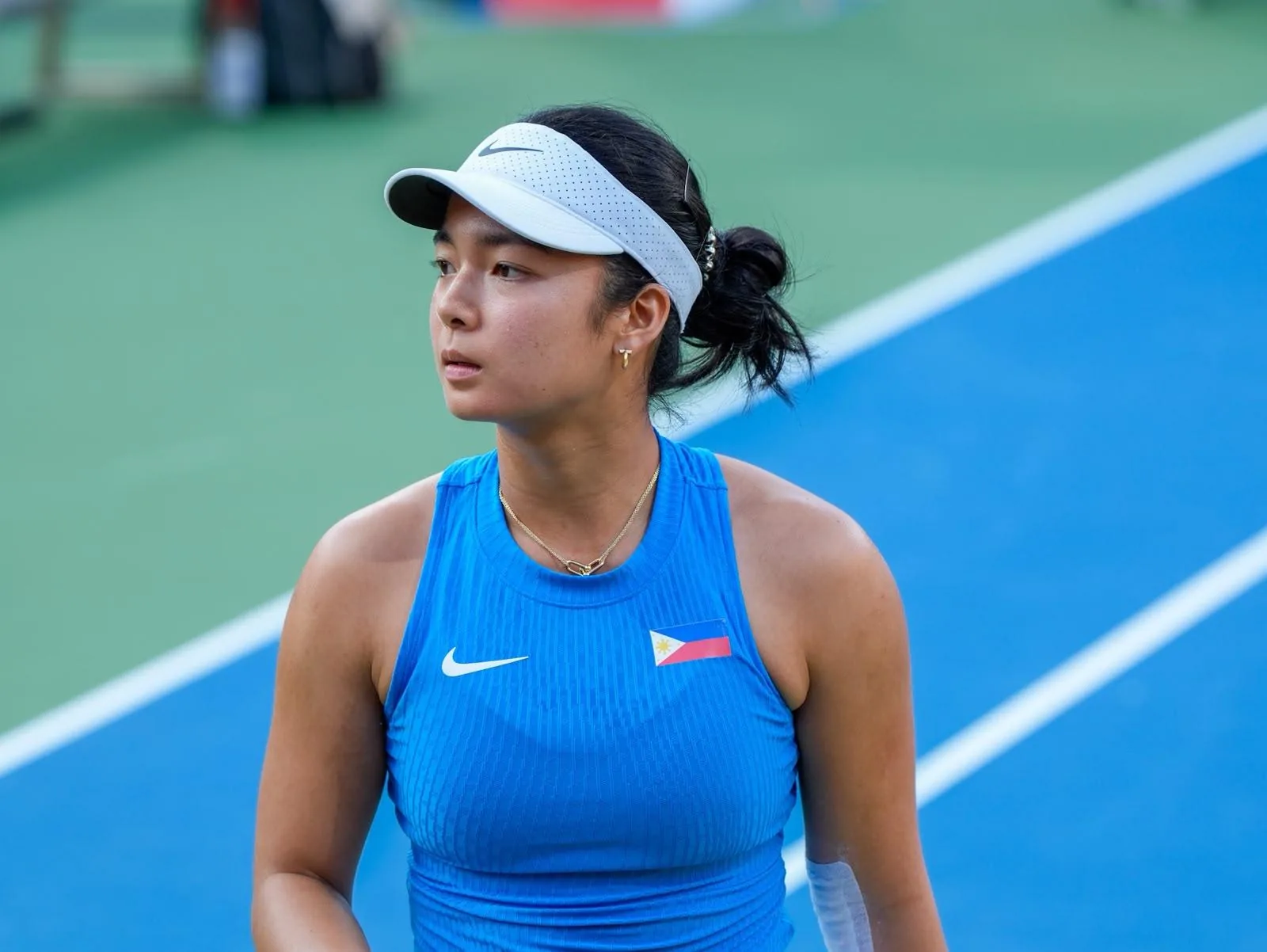
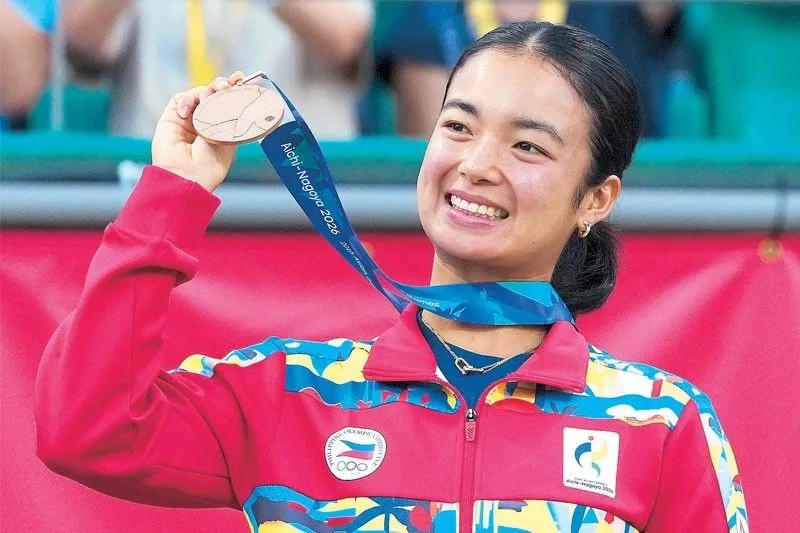
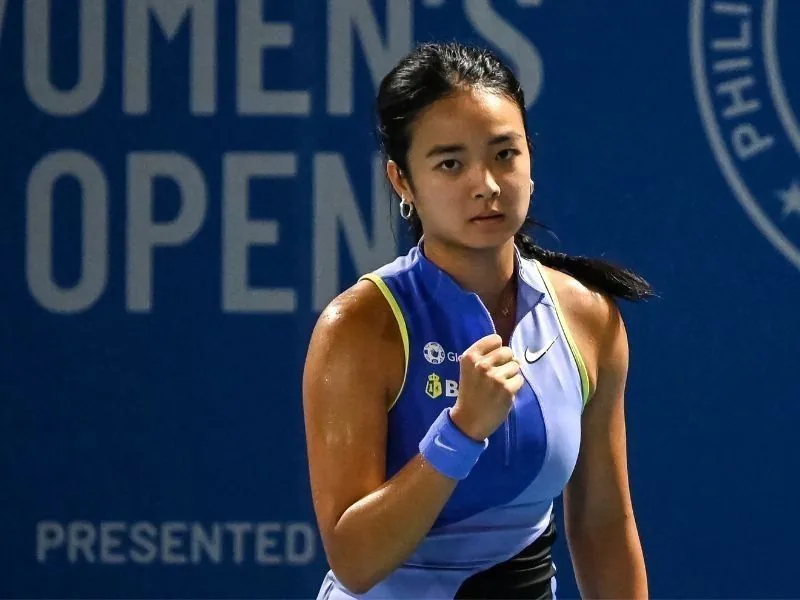
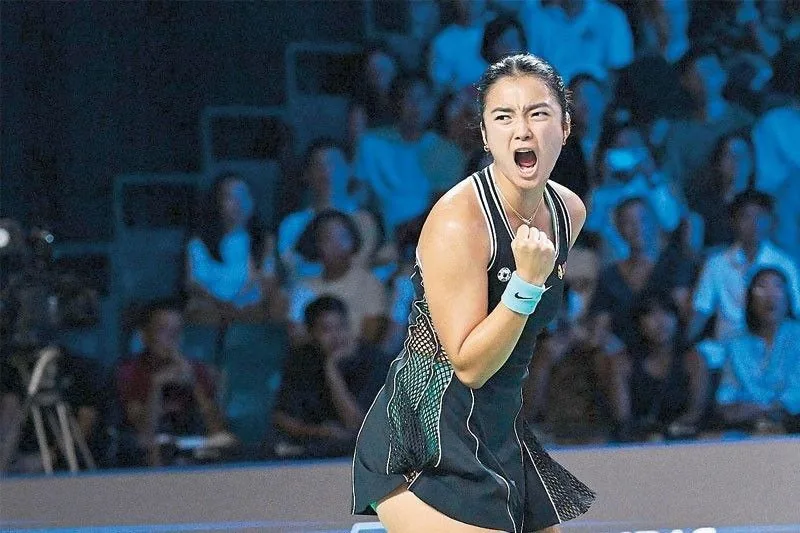
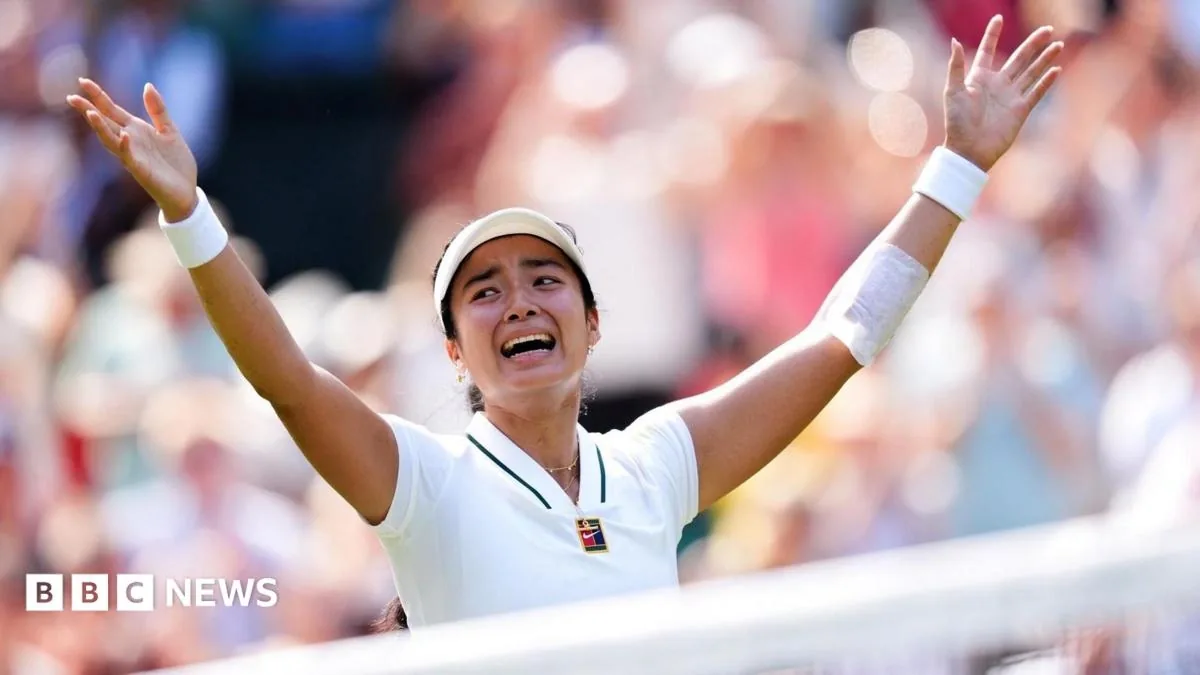
The recent historic performance of Alexandra Eala at Wimbledon—where she reached the fourth round and defeated defending champion Iga Swiatek—has triggered a notable rise in tennis interest across the Philippines. In a nation historically dominated by basketball, boxing, and beauty pageants, Eala’s success has begun to challenge the perception of tennis as an exclusive, elite pursuit.
The Barriers to Entry
Despite the newfound enthusiasm, the sport remains difficult to access for the average Filipino. Tennis infrastructure is largely concentrated in affluent enclaves, and the financial burden is significant. Court rentals in Manila can cost approximately 2,000 pesos ($32) per hour, a figure that represents a substantial portion of the local minimum wage. Furthermore, the high cost of equipment and limited public court availability have created a bottleneck for the growing number of hobbyists and aspiring professionals.
Grassroots Aspirations
The impact of Eala’s visibility is evident in the next generation of players. Young athletes, such as 14-year-old Maristella Torrecampo, are navigating significant logistical and financial challenges—including long-distance travel and crowdfunding—to compete in local tournaments. For these players, Eala serves as a tangible proof of concept, despite the criticism she has faced regarding her own elite training background at the Rafael Nadal Academy in Spain.
Infrastructure and Future Outlook
Urban planners like Felino Palafox have highlighted the spatial constraints of Metro Manila, where high population density makes the development of new tennis facilities difficult compared to the ubiquitous, multi-purpose basketball courts found in every village. Nevertheless, the surge in demand has led to shortages in tennis apparel and increased difficulty in securing court time, signaling a shift in recreational habits.
Eala is now preparing for the upcoming US Open, while local coaches like Jovy Barce—who rose from a ball boy to a professional instructor—continue to advocate for the sport’s accessibility. For many Filipinos, the focus remains on the long-term potential for the country to establish a broader footprint in international tennis.
"I hope that aspiring tennis players would get to reach their dreams too... because more kids will get inspired when they see people achieve great things in tennis," said Maristella Torrecampo.