Reporting note: this article draws on BBC Sport; PGLive provides the summary and editorial framing.
Scheduling Pressures Force High-Profile Withdrawals
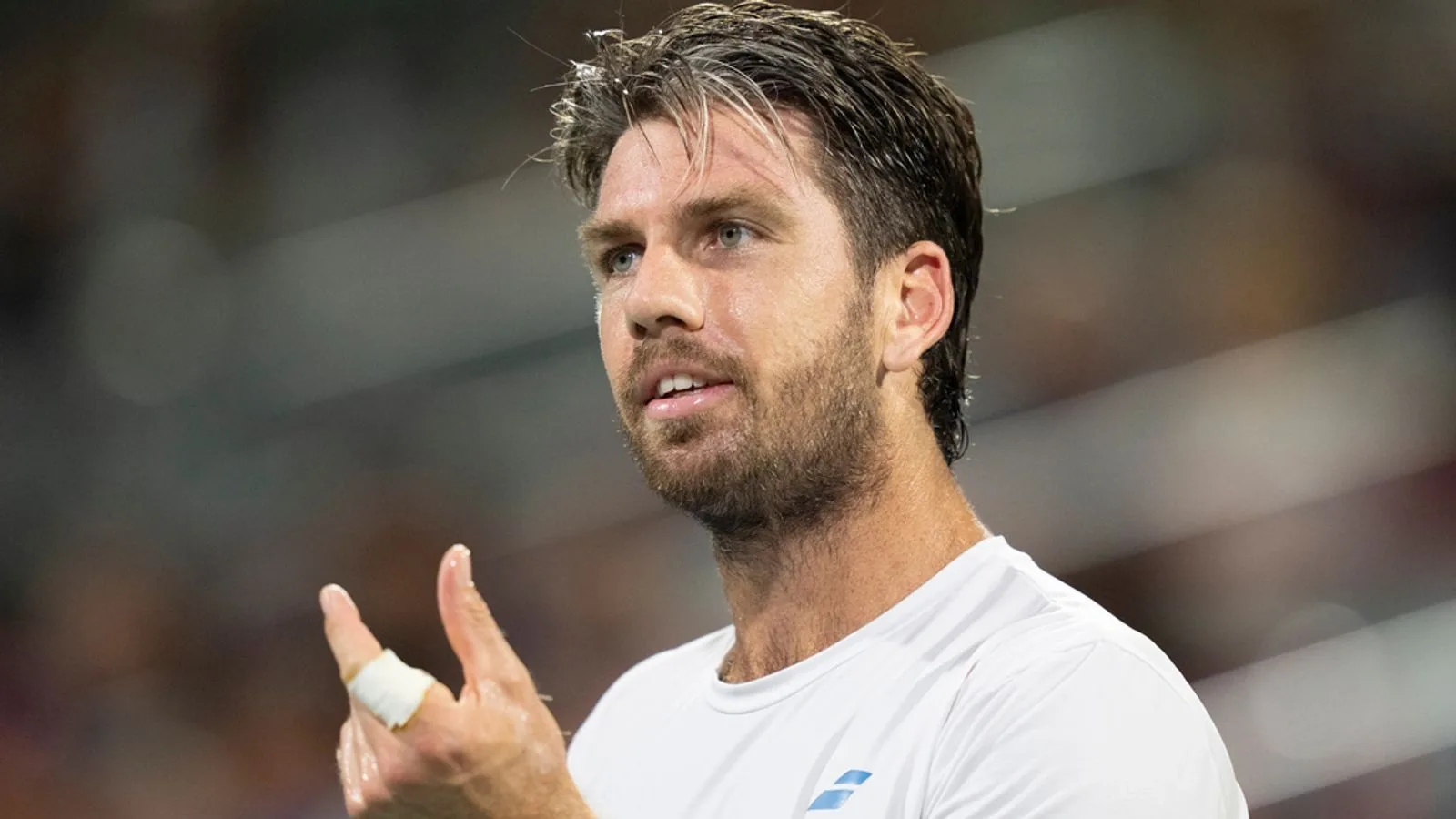
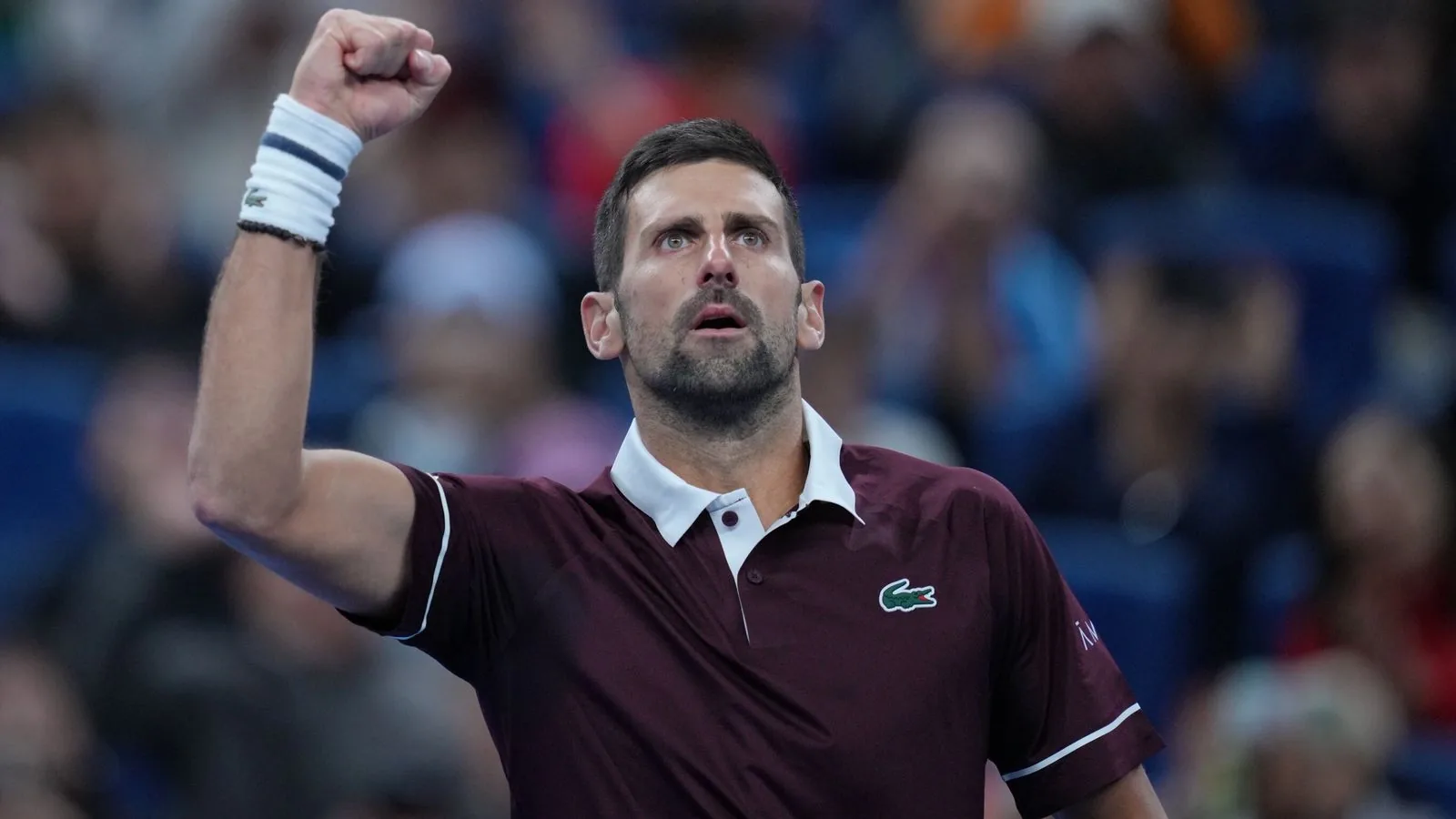
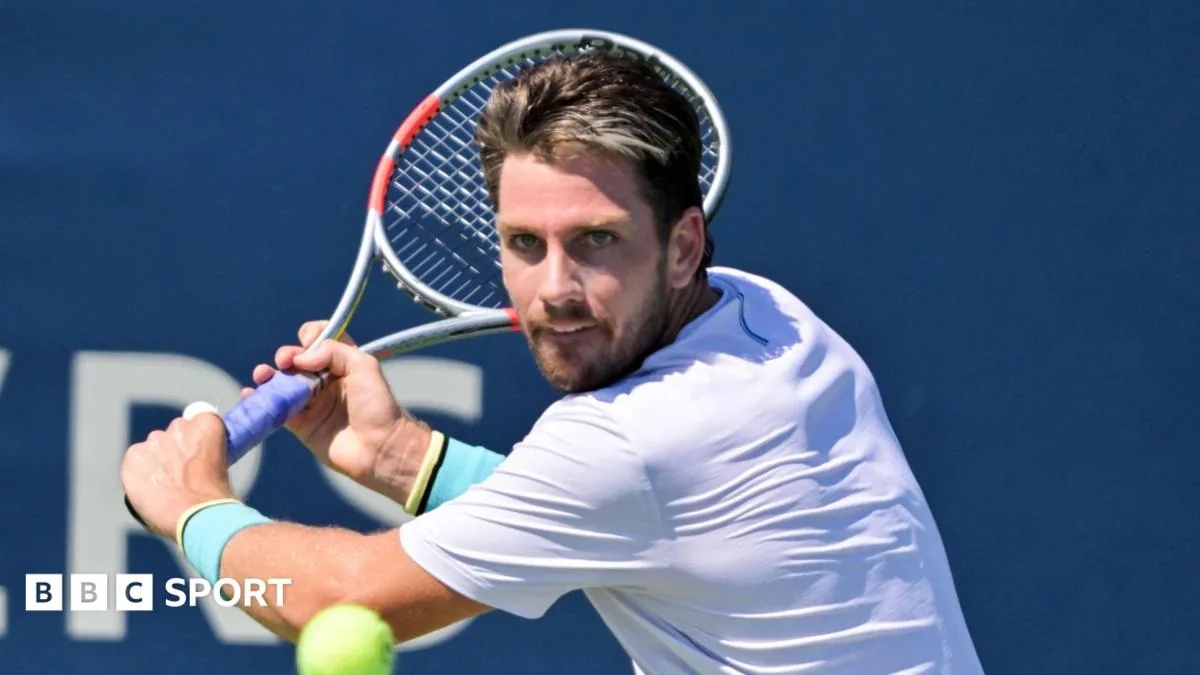
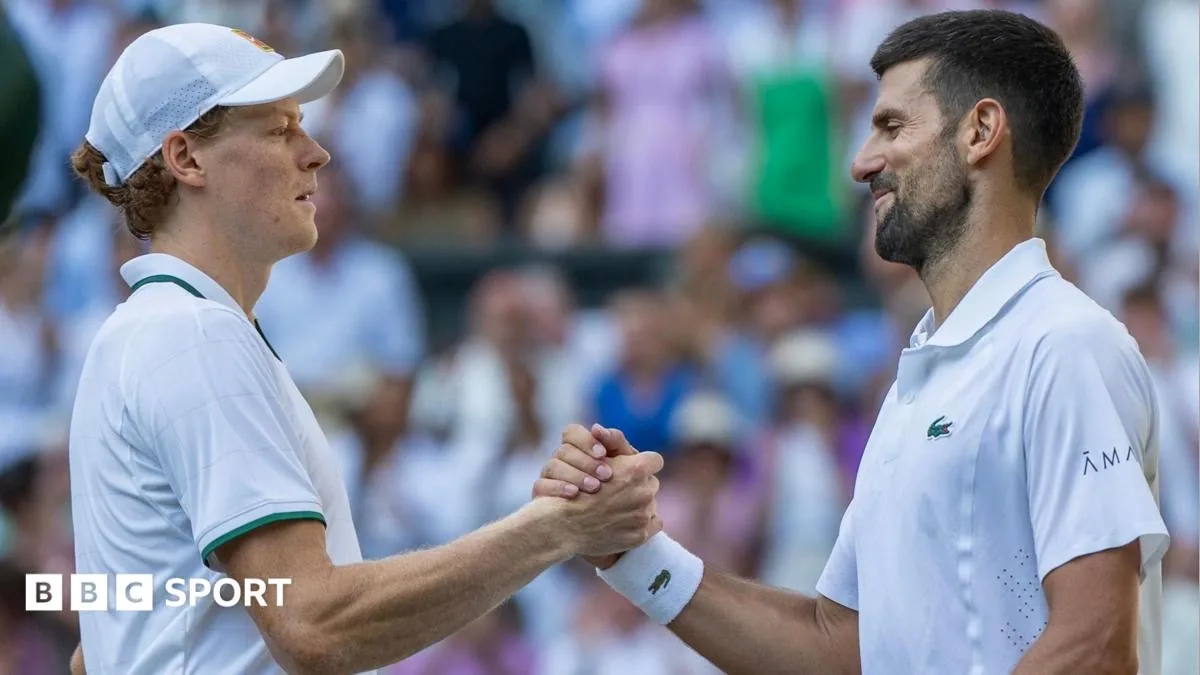
The Canadian Open (National Bank Open) faces a significant talent void this year as both Jannik Sinner and Novak Djokovic have withdrawn from the upcoming Masters 1000 event in Montreal. The tournament, scheduled for August 2–13, will proceed without two of the sport’s most prominent figures, prompting tournament director Valérie Tétreault to call for a formal review of the ATP’s increasingly congested calendar.

Sinner, who recently secured his Wimbledon title with a victory over Alexander Zverev, cited the need to prioritize his health following a grueling grass-court campaign. Carlos Alcaraz will also remain absent from the draw as he continues his recovery from a long-standing wrist injury.
The Debate Over Tour Intensity
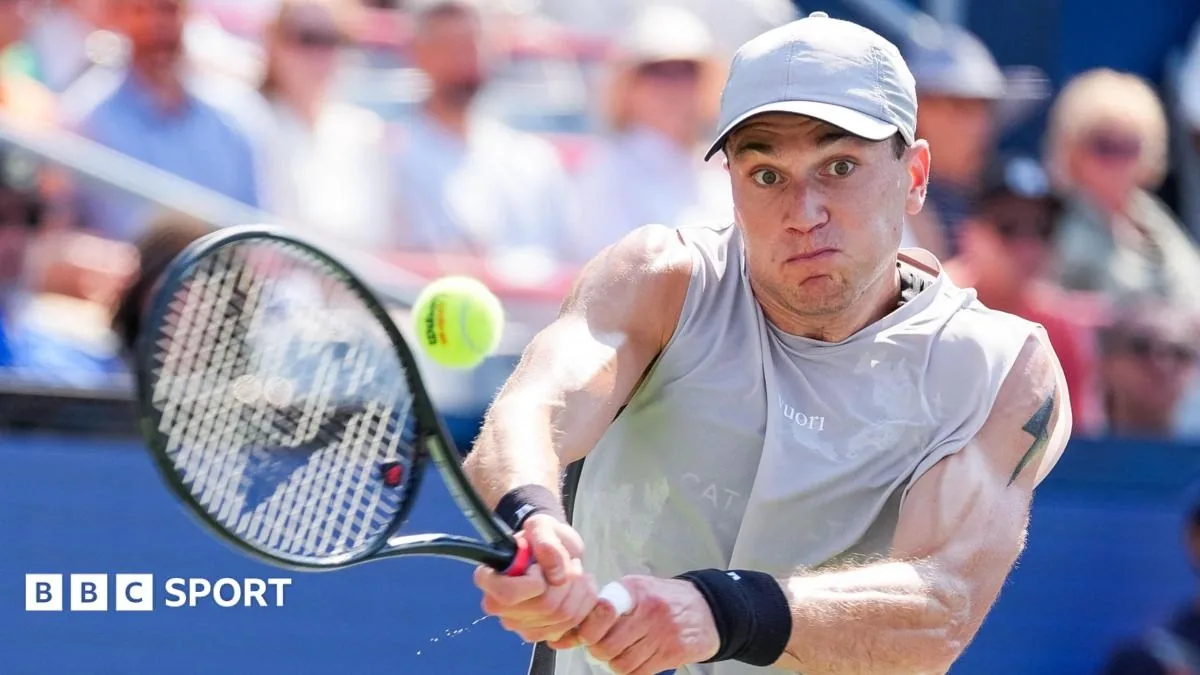
The frequency of late-stage withdrawals from flagship events has become a point of contention between tournament organizers and the ATP. With seven of the nine Masters 1000 events now expanded to 12-day formats, the physical toll on players has reached a critical threshold. The current calendar, which demands near-constant travel and competition for 11 months of the year, has drawn sharp criticism from within the locker room.
"We believe the frequency of these last-minute withdrawals in the last few years raises a broader issue for our sport," Tétreault stated. "We are already in discussions with the ATP to ensure this matter receives serious consideration."
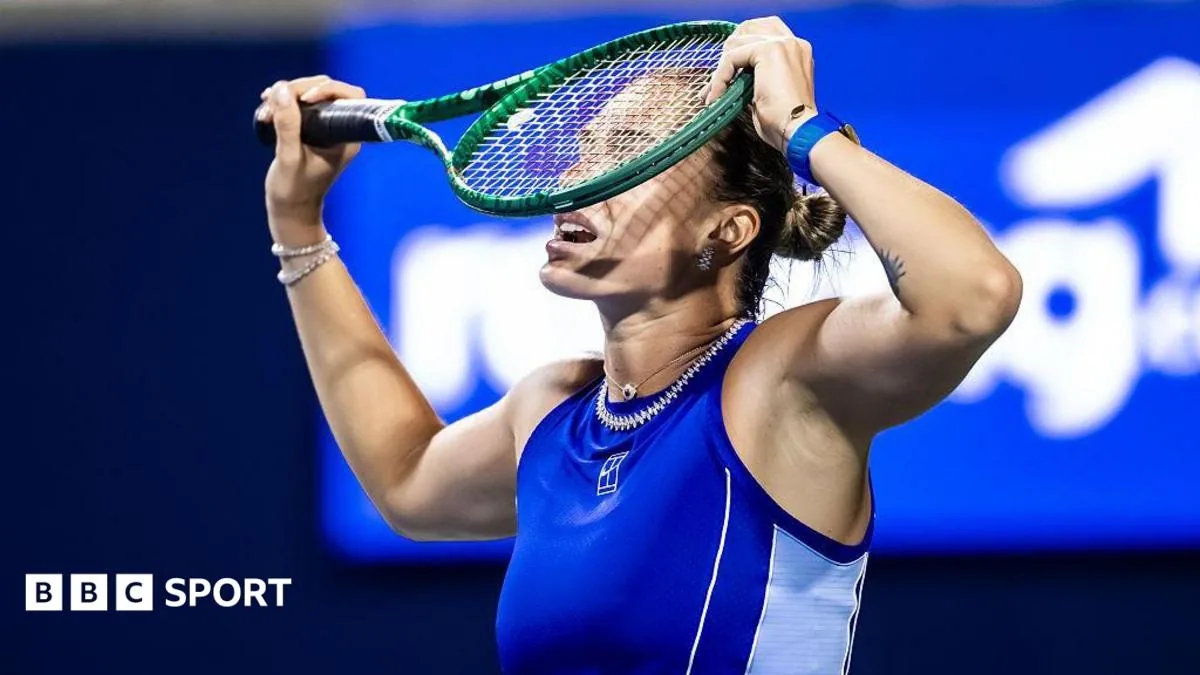
The issue is not isolated to the men's tour. Similar tensions emerged earlier this year when top-ranked players like Aryna Sabalenka and Iga Świątek withdrew from the Dubai Championships, leading to public debates regarding whether players should face penalties for late exits. As the tour moves toward the Cincinnati Open and the final Grand Slam of the year at the US Open, the conversation regarding player welfare and the structural integrity of the Masters 1000 series remains unresolved.
"I am merely a frame of cold-rolled steel, bolted to the concrete, watching the shadows stretch across the baseline. I hold the tension of the net, a static witness to the rhythmic thrum of polyester strings—usually strung at 52 pounds, though the humidity tonight makes the frame feel as brittle as a winter branch. I do not feel the fatigue of the players, only the silence they leave behind when the court remains empty."