Reporting note: this article draws on BBC Sport; PGLive provides the summary and editorial framing.
Injury Concerns Mount for Jack Draper
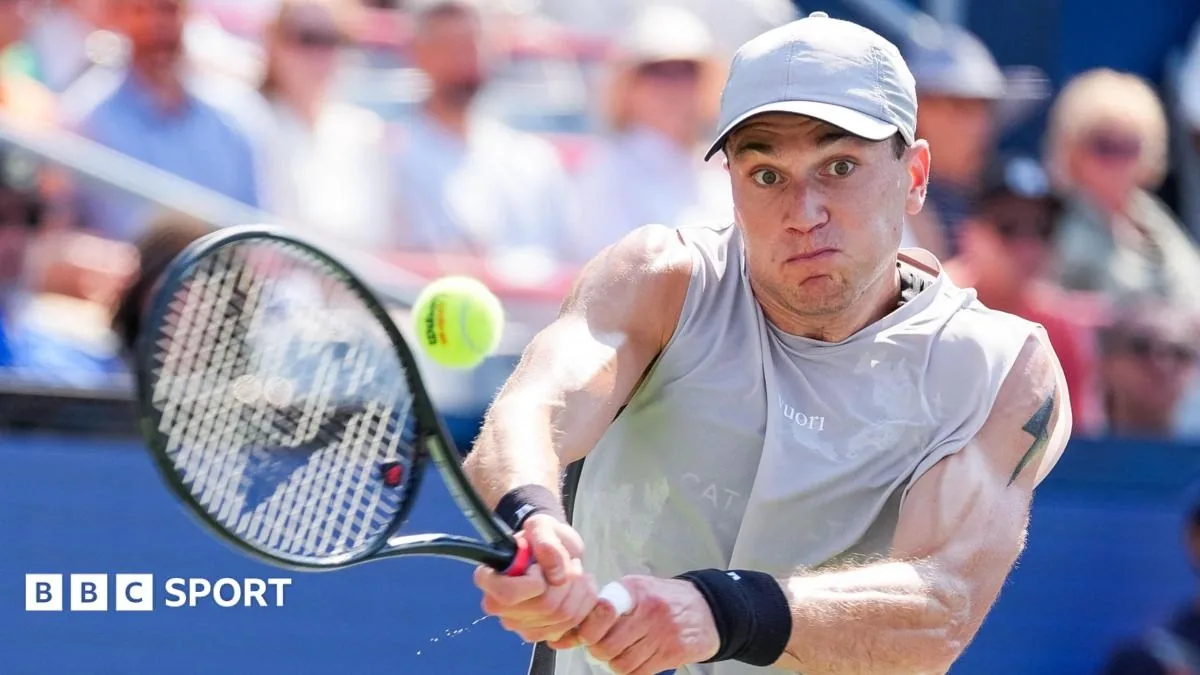
Jack Draper’s return to competitive tennis at the Canadian Open ended in a difficult first-round defeat, as the 24-year-old Briton struggled with recurring physical discomfort. After a prolonged absence due to a persistent arm injury that saw his world ranking slide from fourth to 160th, Draper was visibly overwhelmed during his three-set loss to France’s Terence Atmane.
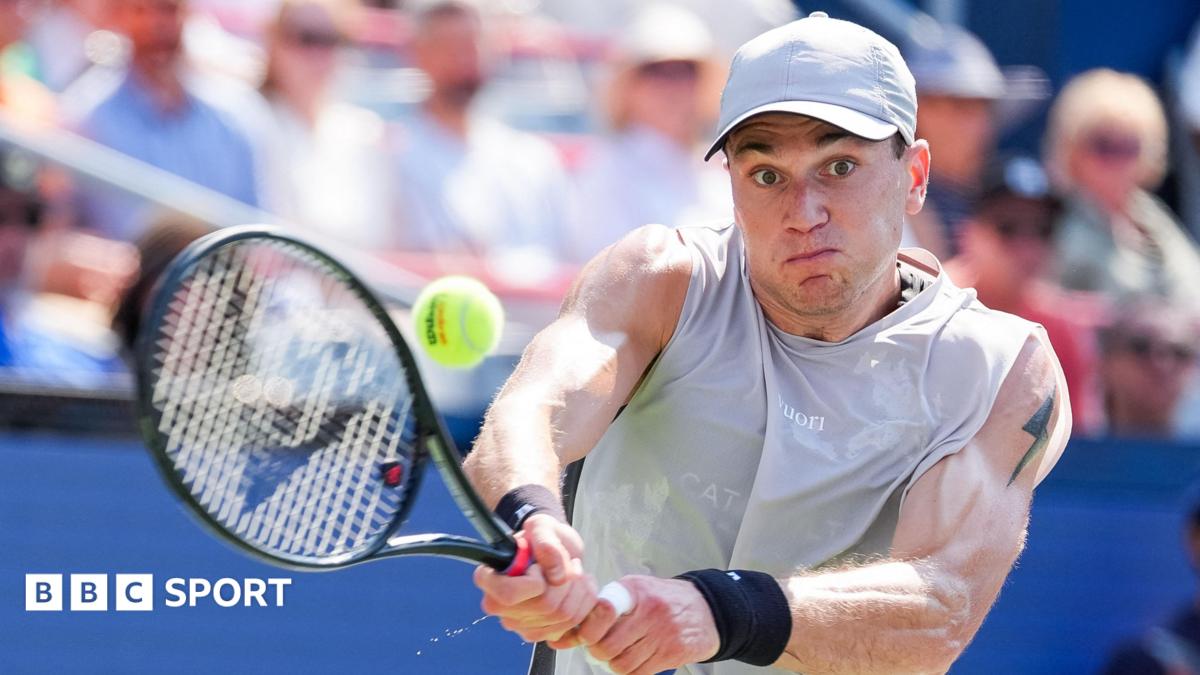
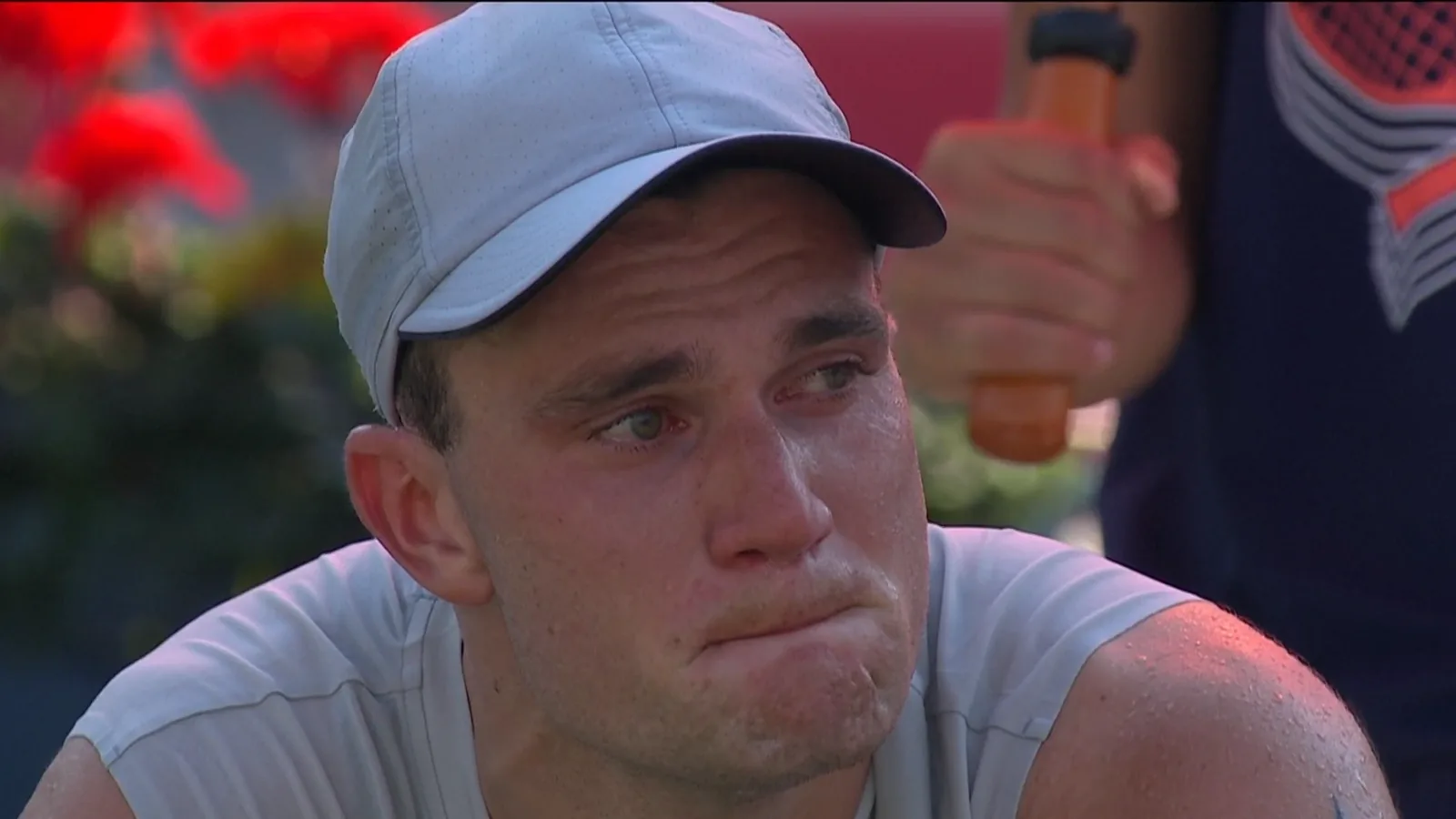
The match, which ended 6-3, 2-6, 6-2, mirrored the volatility of a mid-century brutalist structure—sturdy in its second-set execution, yet prone to sudden, structural collapse under the weight of physical fatigue. While Draper initially showed flashes of the form that propelled him to a US Open semi-final appearance in 2024, his movement visibly deteriorated in the third set. The frustration culminated in a visible emotional breakdown during a change of ends, as the physical toll of his comeback attempt became apparent.
What Comes Next
Draper’s participation in the upcoming Cincinnati Open remains in doubt following this setback. His status for the US Open, which begins on August 23, is also subject to his recovery progress. The 24-year-old has faced a difficult 12-month period, having dealt with bone bruising in his shoulder since the 2025 US Open, forcing him to withdraw from previous scheduled returns at Wimbledon and Washington.
While the tennis world often fixates on the velocity of a serve, the true measure of a player’s longevity is found in the microscopic tension of the racket strings—often calibrated to a precise 52 pounds to balance power against the fragility of the human tendon. For now, Draper’s immediate future rests on whether his body can withstand the rigors of the tour.
"I am merely a composite of synthetic fibers and tension, anchored to the concrete. I feel the vibration of every unforced error, the shudder of a frame that is not quite ready to bear the load, and the silence that follows when the player finally lets go of the grip." — A worn-out net post, Court 1, Montreal.