Reporting note: this article draws on Sky Sports; PGLive provides the summary and editorial framing.
Draper’s Ranking Slump
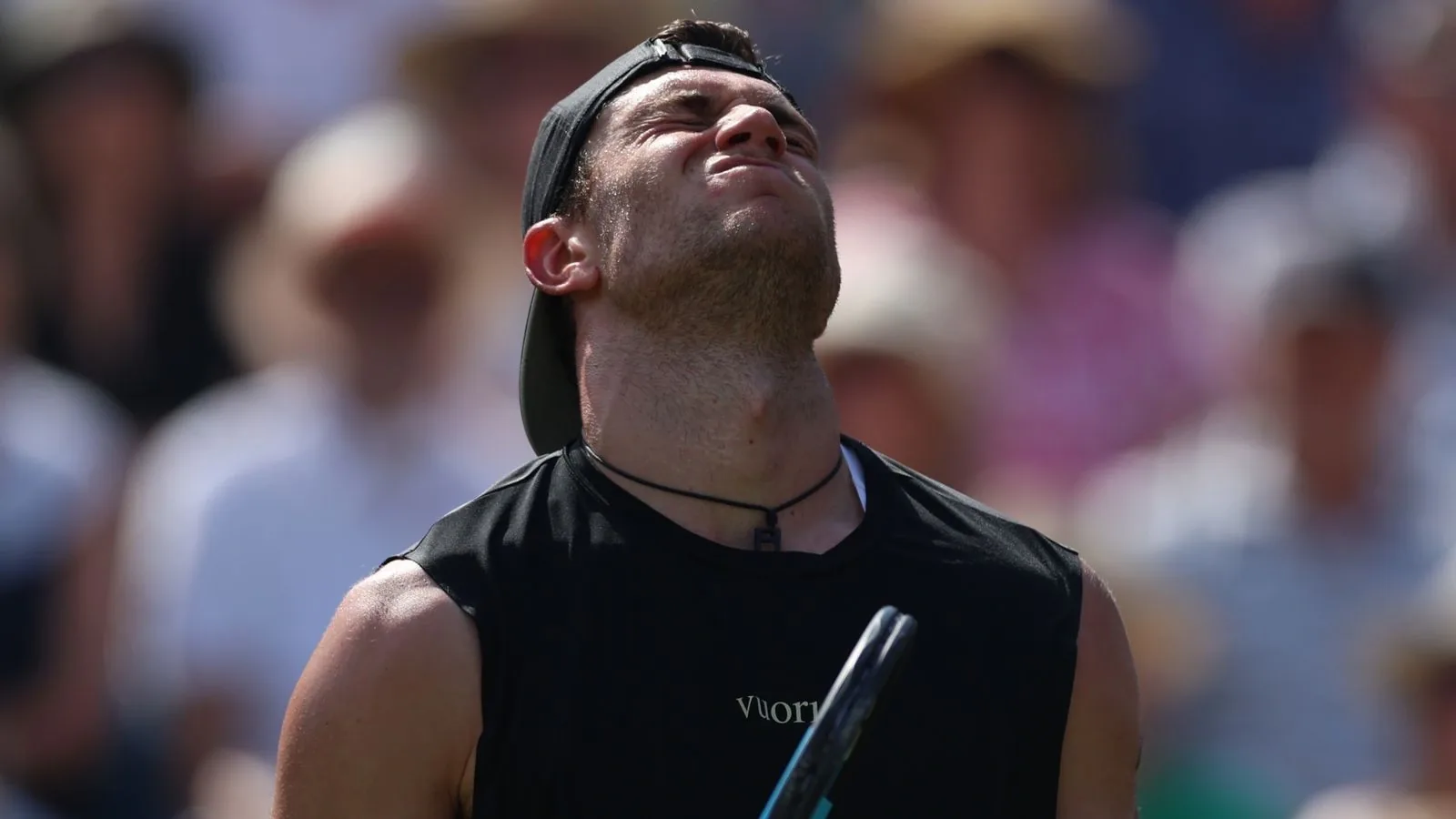
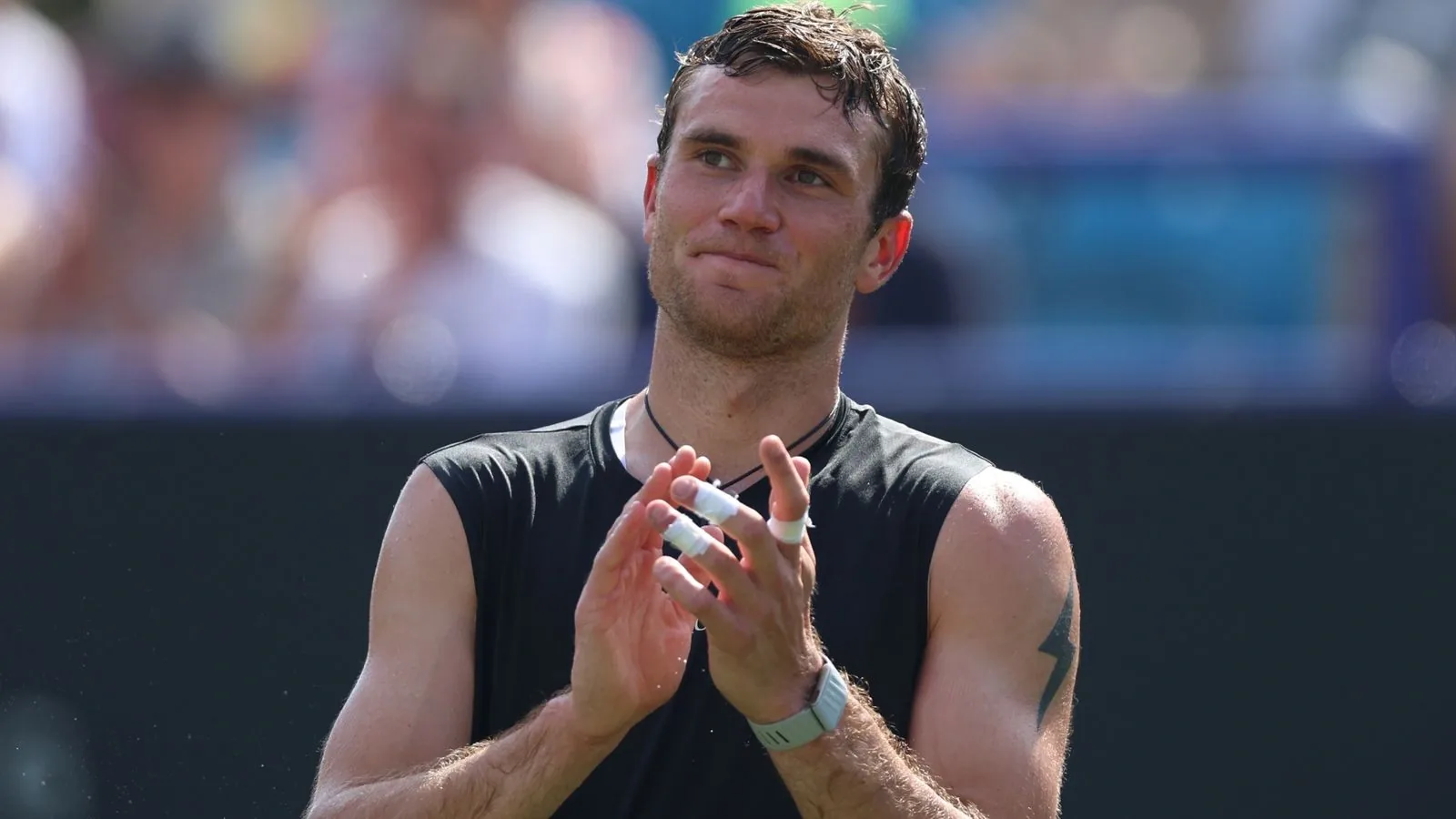
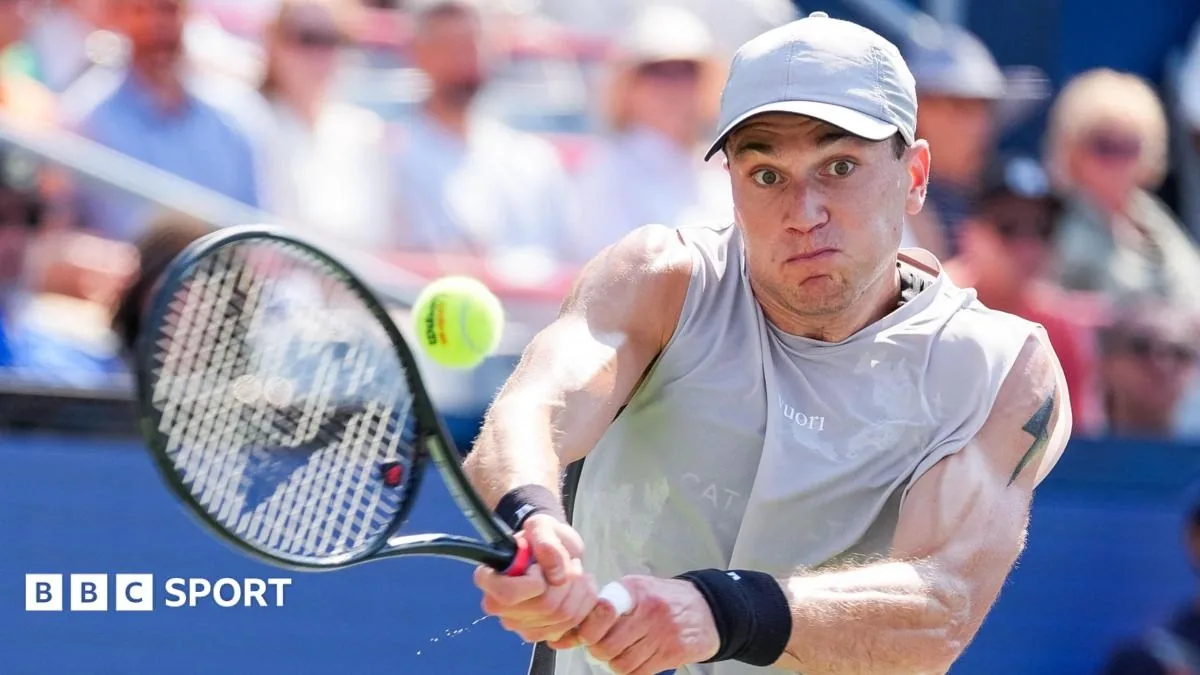
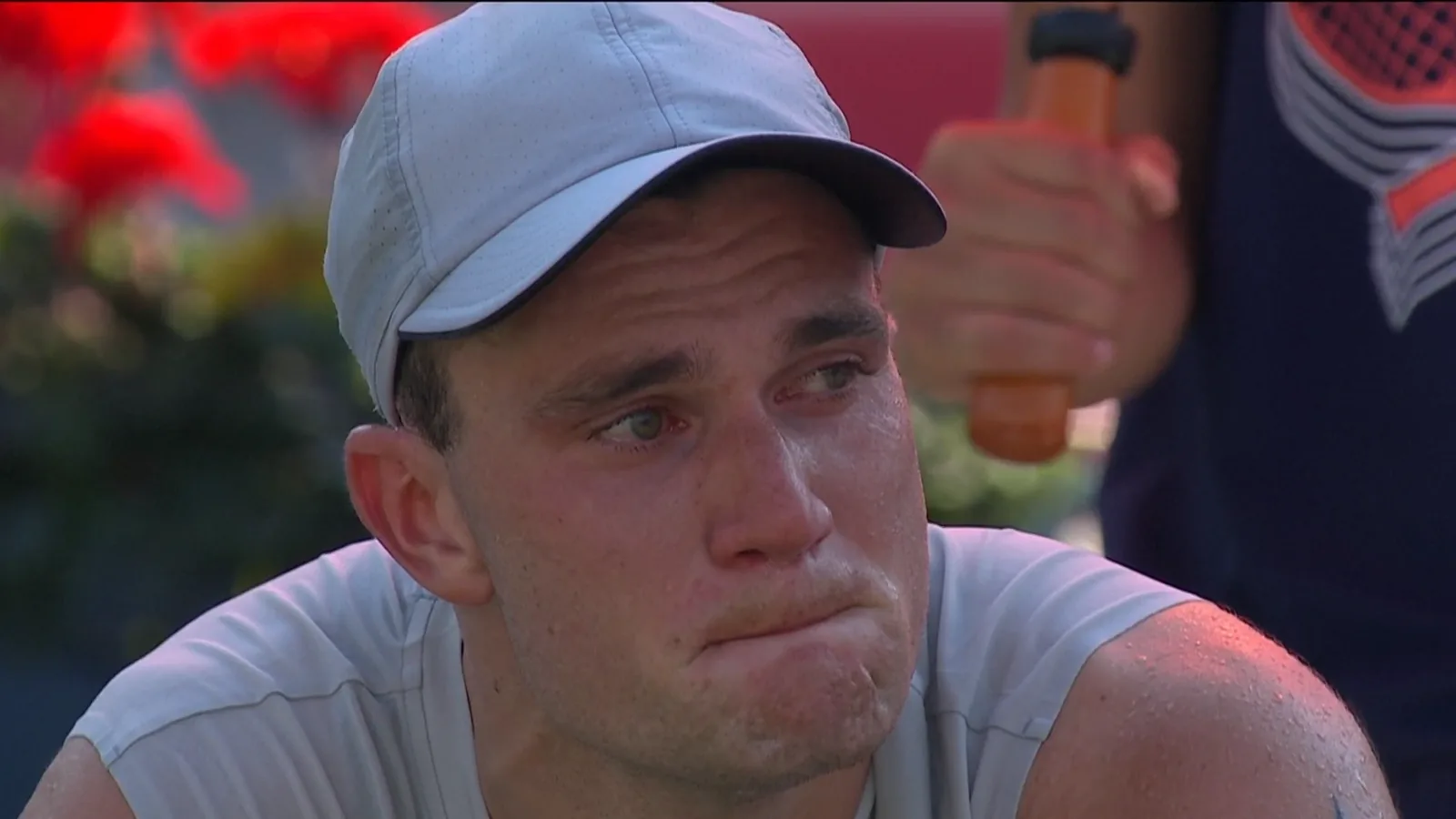
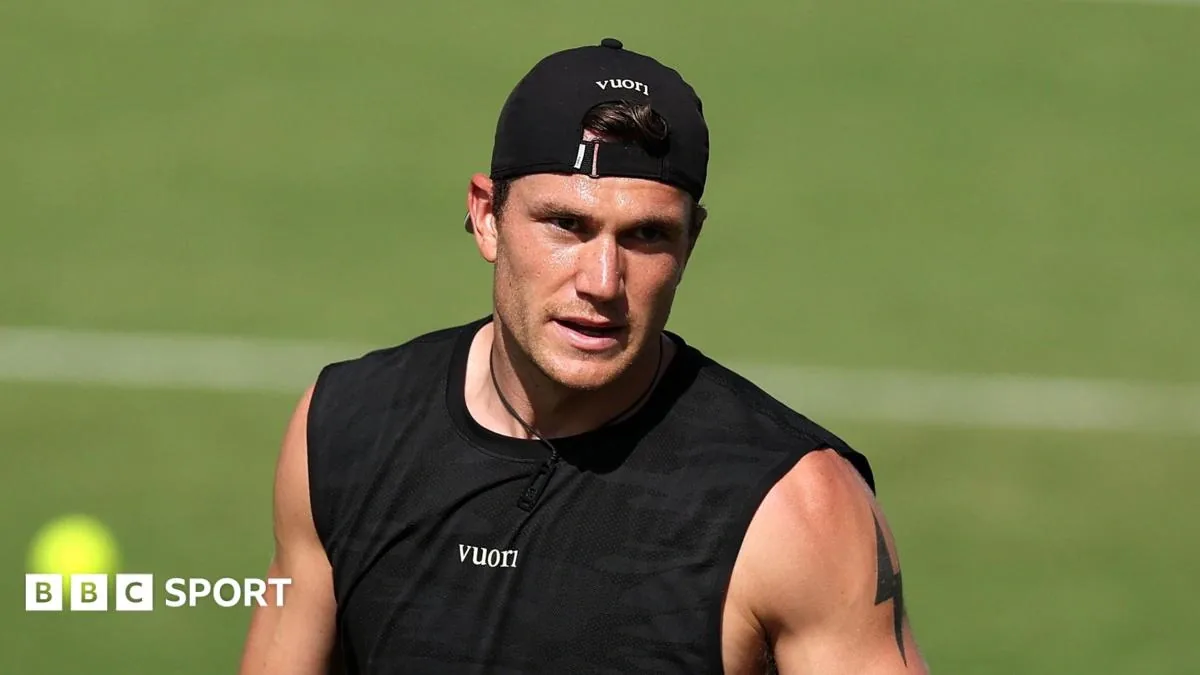
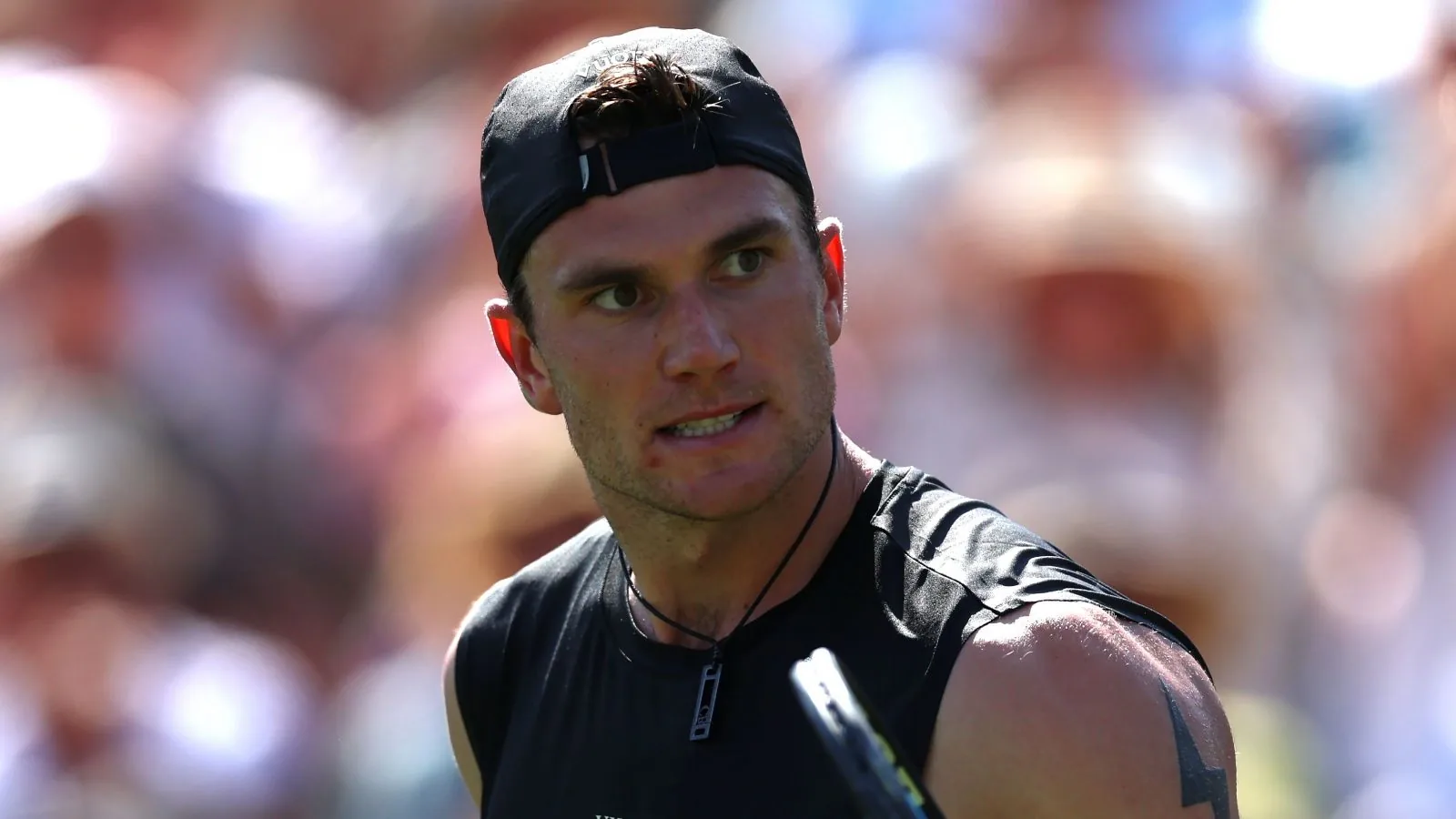
Jack Draper, a semi-finalist at the 2024 US Open, will be forced to navigate the qualifying rounds for the 2026 tournament. The 24-year-old has seen his world ranking slide to 147th following a prolonged absence from the tour due to recurring bone bruising in his left arm. This injury, which previously sidelined him from Wimbledon, has limited his competitive appearances over the past year.

Draper is scheduled to resume his season at the DC Open in Washington, beginning July 27. His participation in the final Grand Slam of the season at Flushing Meadows now depends on his performance in the qualifying draw.
British Contingent at Flushing Meadows
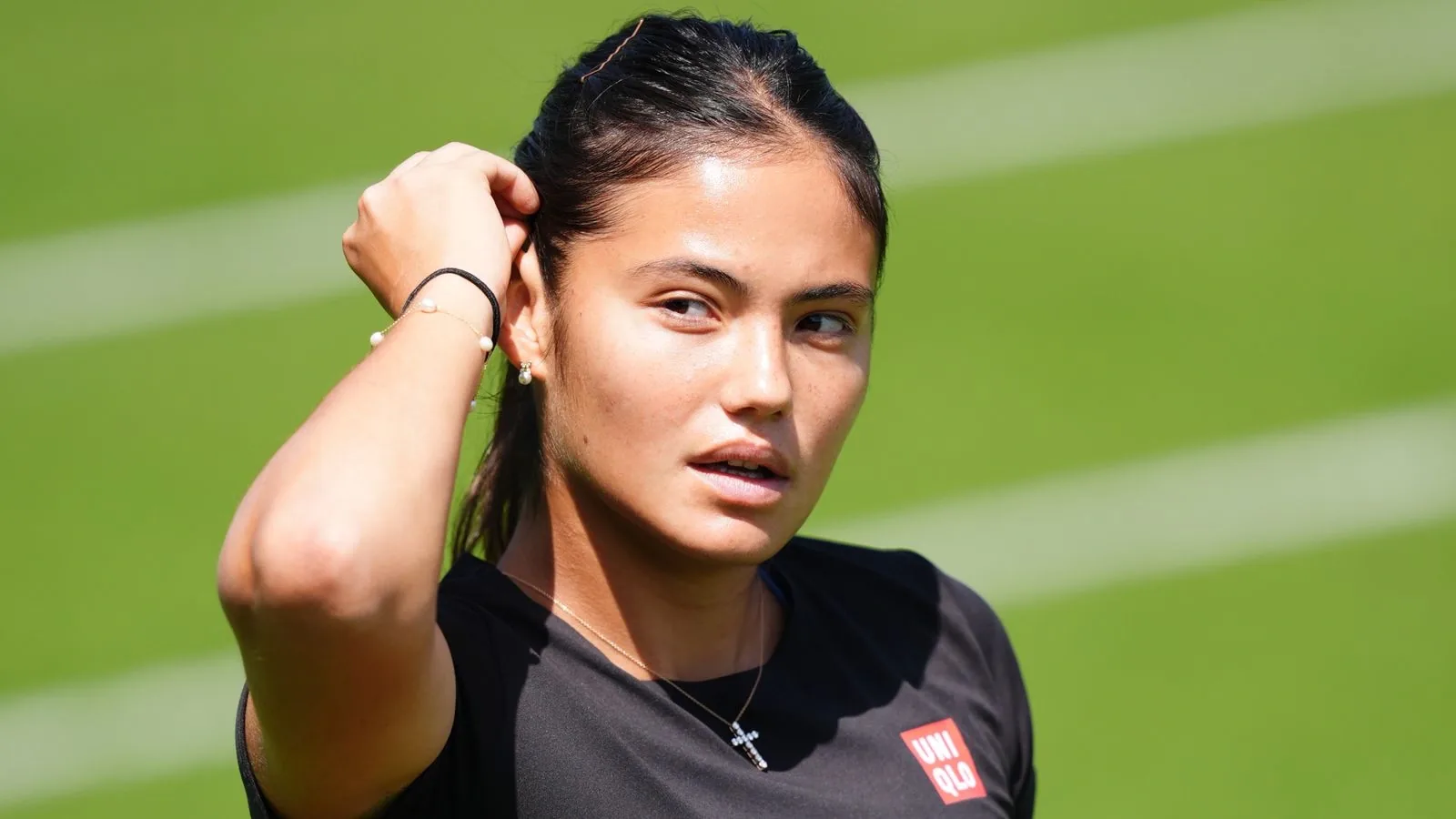
While Draper works to regain his footing, other British players have secured direct entry into the main draw. Arthur Fery, who recently reached the Wimbledon semi-finals, has climbed to 36th in the world rankings. He is joined by Cam Norrie, Jan Choinski, and Katie Boulter. Emma Raducanu, the 2021 US Open champion, is currently ranked 37th and will also look to enter the field, with both she and Fery sitting just outside the top 32 seeds.
Tournament Outlook
The US Open, which begins on August 30, will feature top-ranked Jannik Sinner and defending champion Aryna Sabalenka. Carlos Alcaraz, who has been recovering from a wrist injury, is also expected to return to competition during the North American hard-court swing. The tournament remains a critical juncture for players like Draper, whose recent history of unforced errors and physical setbacks mirrors the fragility of a high-tension gut string nearing its breaking point under the humidity of a New York summer.
"I am merely a composite of steel and tension, anchored to the concrete. I have felt the vibration of a thousand serves, yet today, I wait for a player who is not yet on the schedule. The silence of the court is the only thing that doesn't fray." — A worn-out net post, Court 12.