Reporting note: this article draws on Sky Sports; PGLive provides the summary and editorial framing.
A Difficult Comeback in Montreal
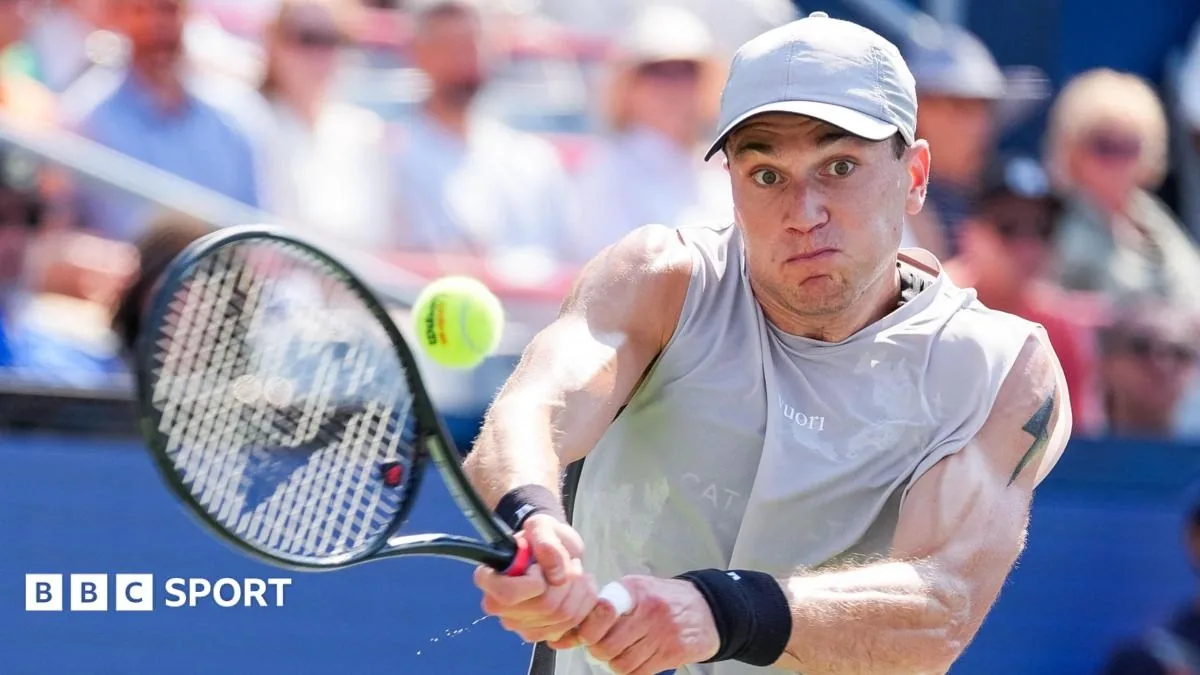
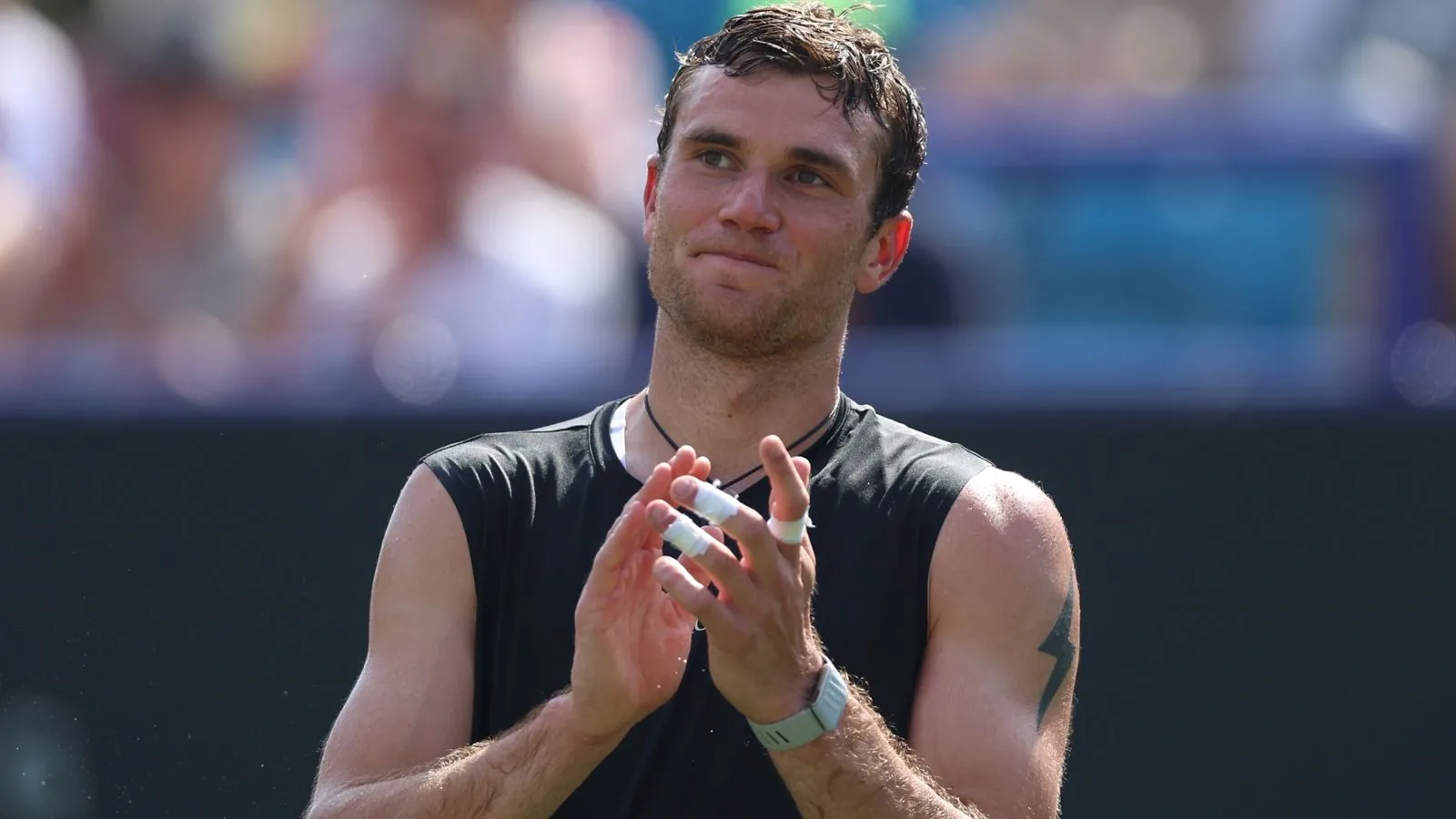
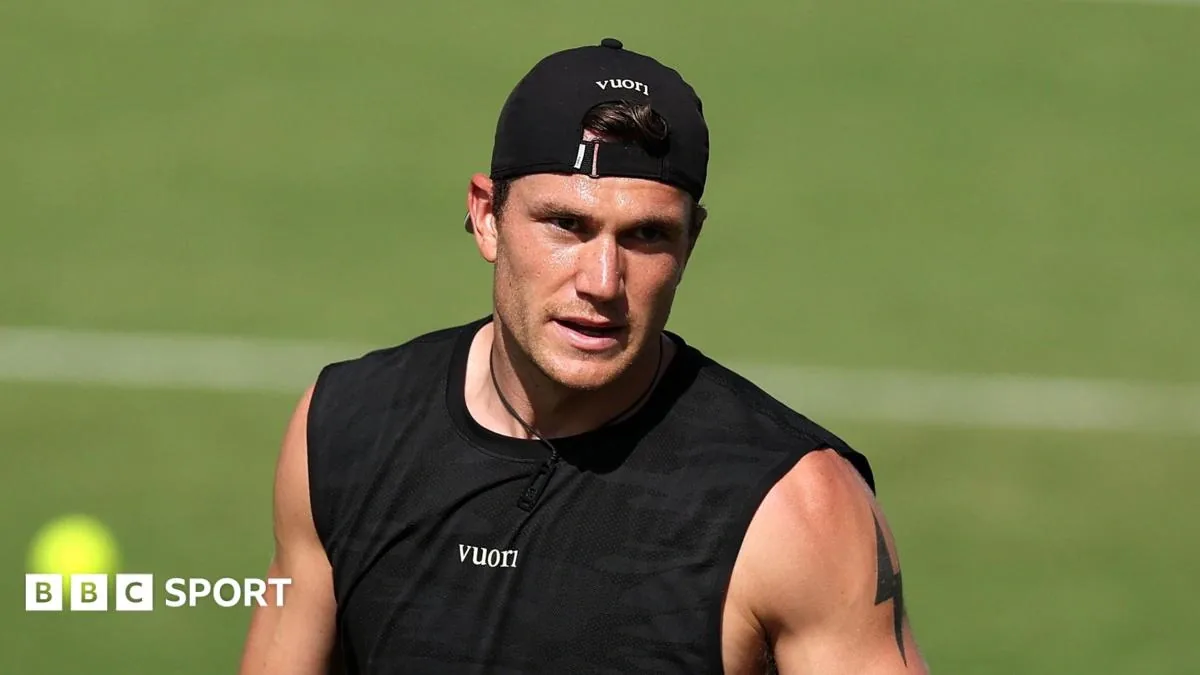
Jack Draper’s return to professional tennis at the National Bank Open in Montreal ended in distress on Tuesday, as the British player struggled through a physical breakdown during his match against Terence Atmane. Draper, who has been sidelined by a persistent bone bruise in his left arm, was defeated 6-3, 2-6, 6-2.
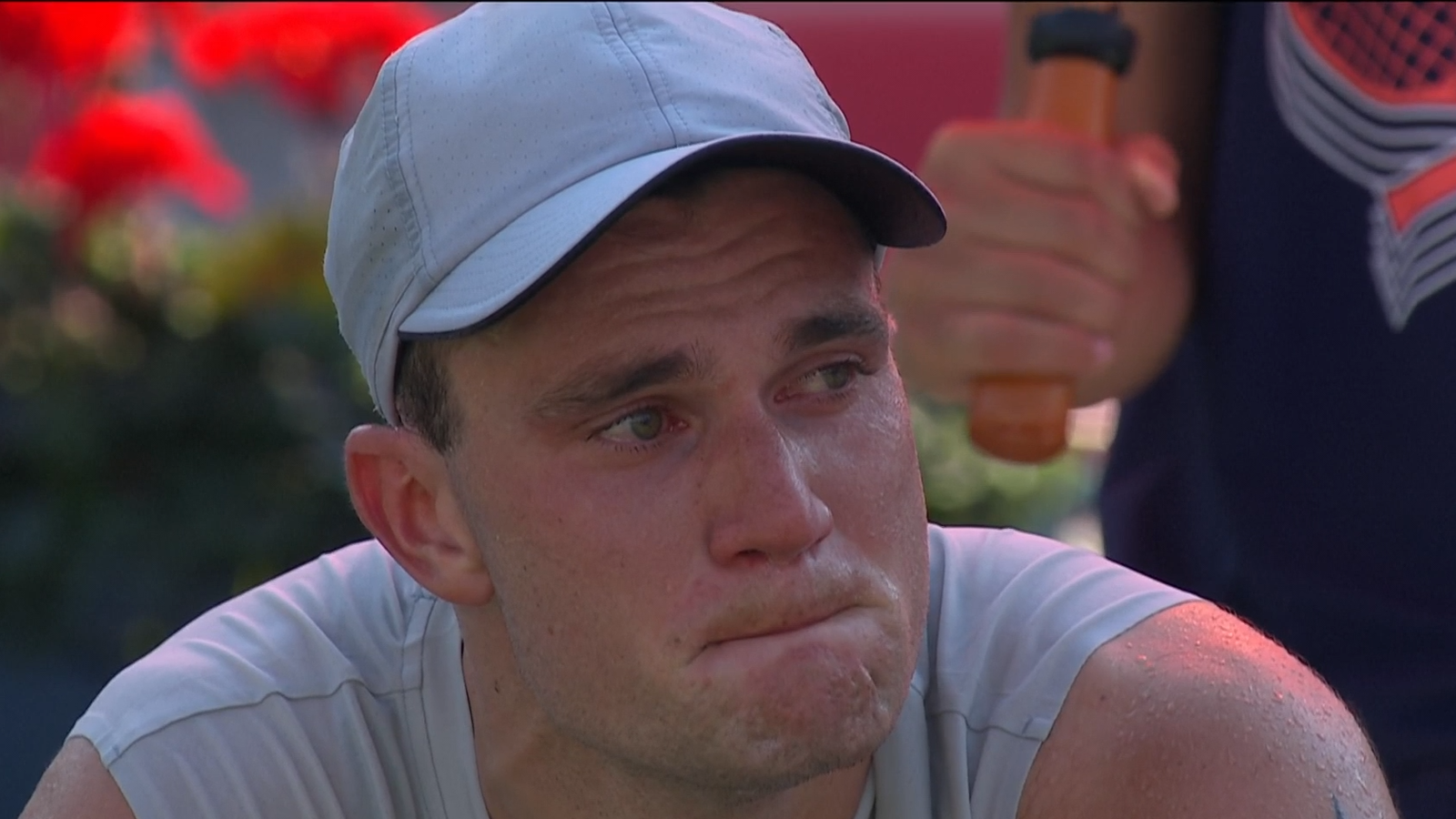
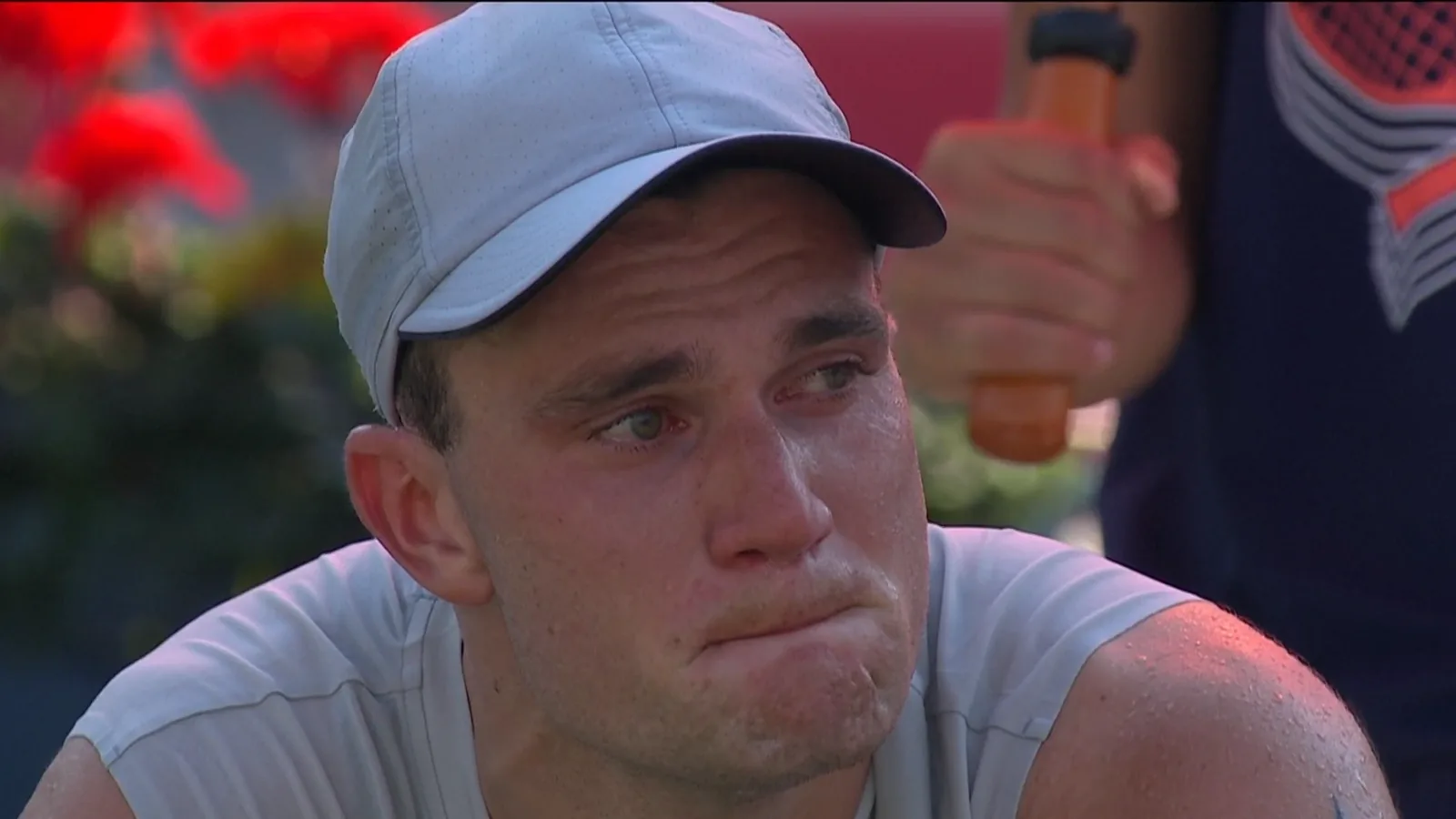
The match served as a stark reminder of the volatility inherent in high-level tennis recovery. After a slow start, Draper appeared to regain his rhythm in the second set. However, the momentum shifted abruptly in the decider. As his physical capacity waned, the velocity on his serve and groundstrokes dropped significantly, forcing him to adopt a defensive, conservative style of play.
Emotional Distress on Court
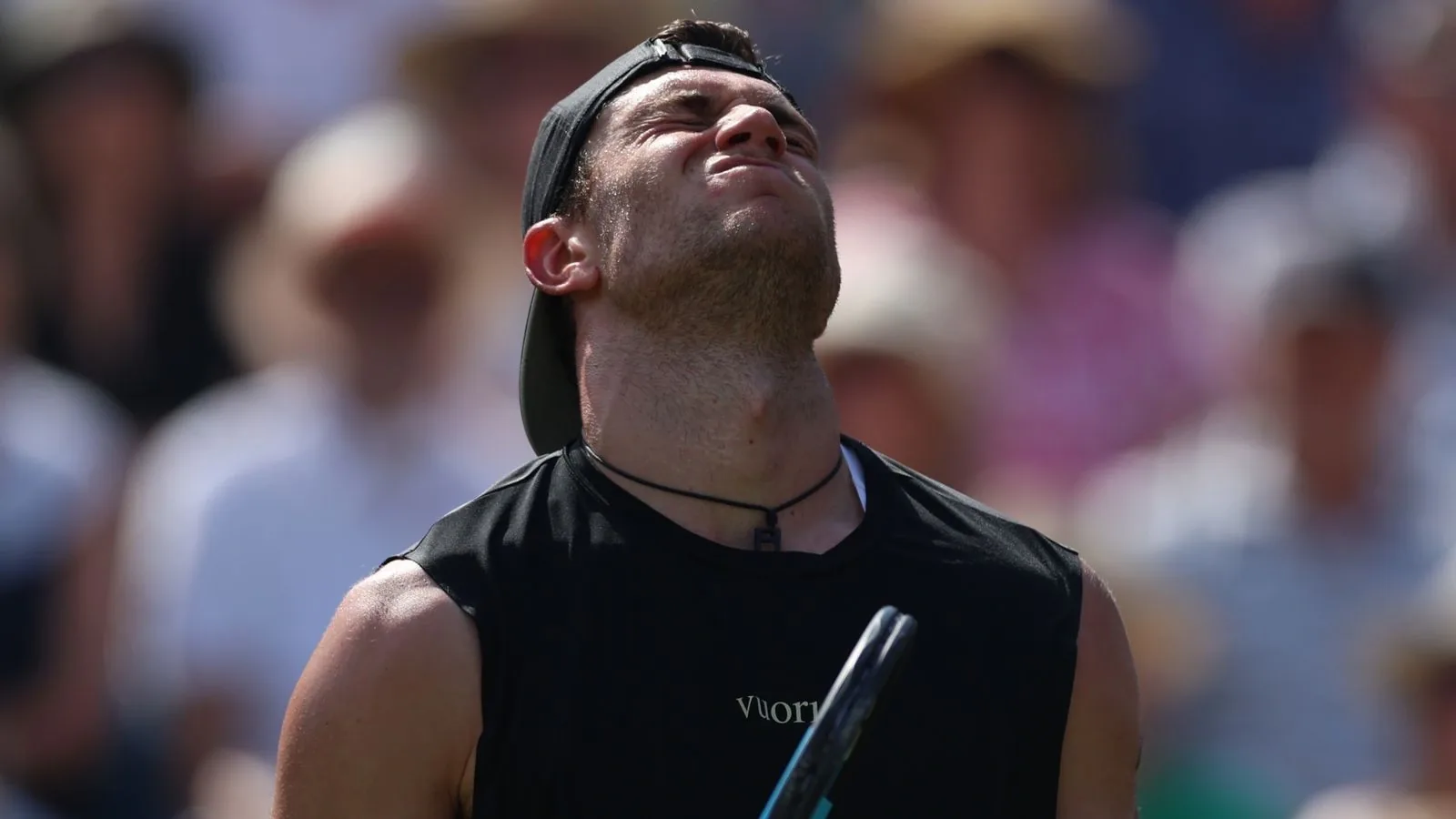
The most concerning moment occurred when Draper, trailing 4-1 in the final set, sat at his changeover bench and was visibly overcome with emotion. Commentator Annabel Croft noted that Draper was "literally erupting with emotion," suggesting the distress stemmed from the frustration of a recurring injury after a long period of rehabilitation.
"It was very obvious very quickly that he was not going after big serves, he was rolling them in," Croft observed. "You just wonder what is going through his mind for all that emotion to be there."
Context and Future Outlook
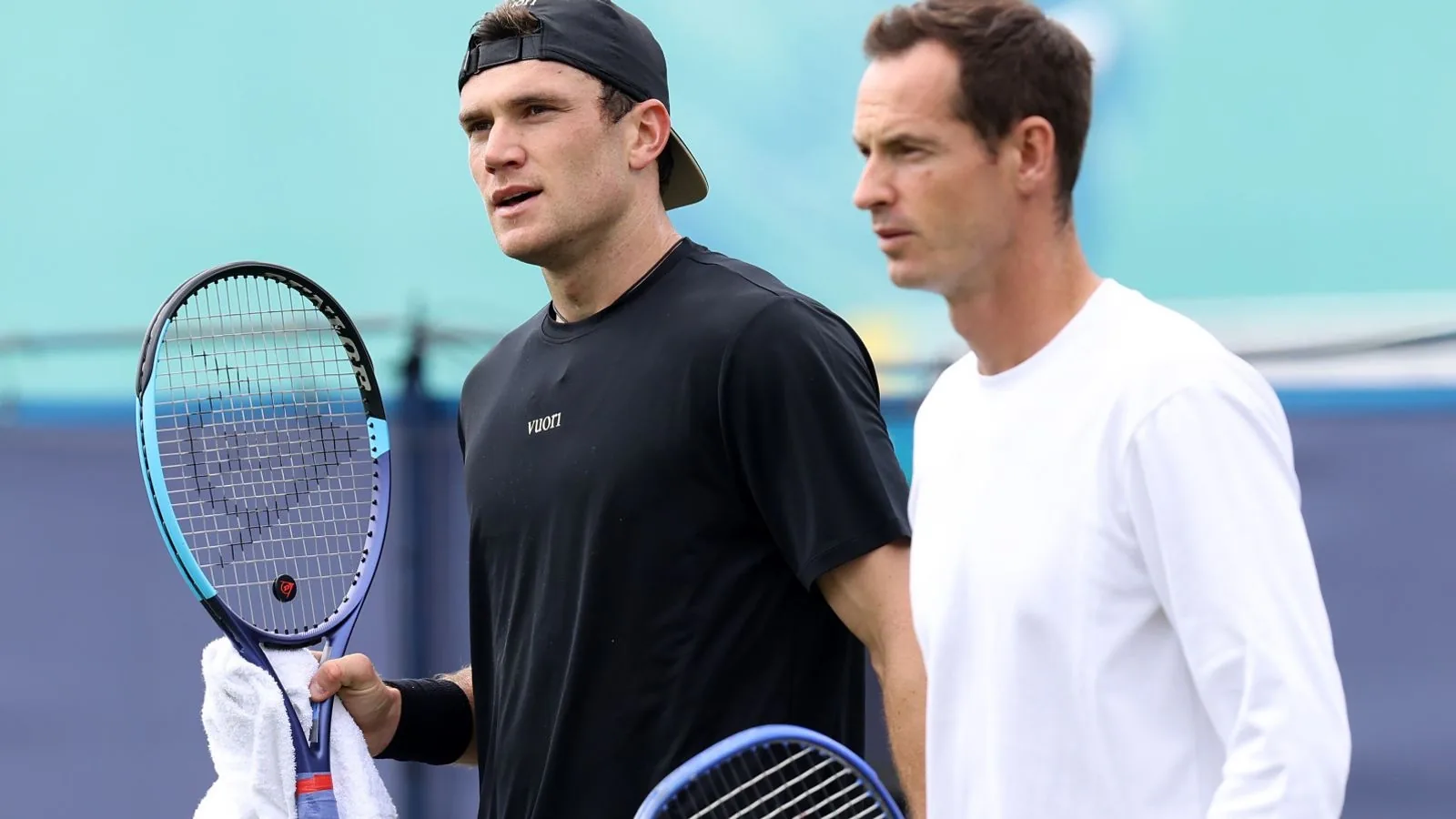
Draper, who reached a career-high ranking of No. 4 in June 2025, has faced a challenging 2026 season. Since withdrawing from Wimbledon, his appearances have been sporadic, with Montreal marking only his second tournament since beginning a coaching partnership with Sir Andy Murray in May.
The loss in Montreal complicates his path forward, particularly as he looks toward the upcoming US Open. Having dropped significantly in the rankings, Draper faces a difficult qualification campaign to secure a spot in the final Grand Slam of the year. His team has previously emphasized the need for patience as he navigates what has been described as a "perfect storm" of injury setbacks.
The net post stands rigid, a silent witness to the vibration of the frame. It feels the shudder of the strings—not the clean, high-frequency snap of a winner, but the dull, dampened thud of a player protecting a compromised limb. It is a static existence, holding the tension that the player can no longer sustain.