
Reporting note: this article draws on Sky Sports; PGLive provides the summary and editorial framing.
The Kinetic Shift in Montreal and Toronto
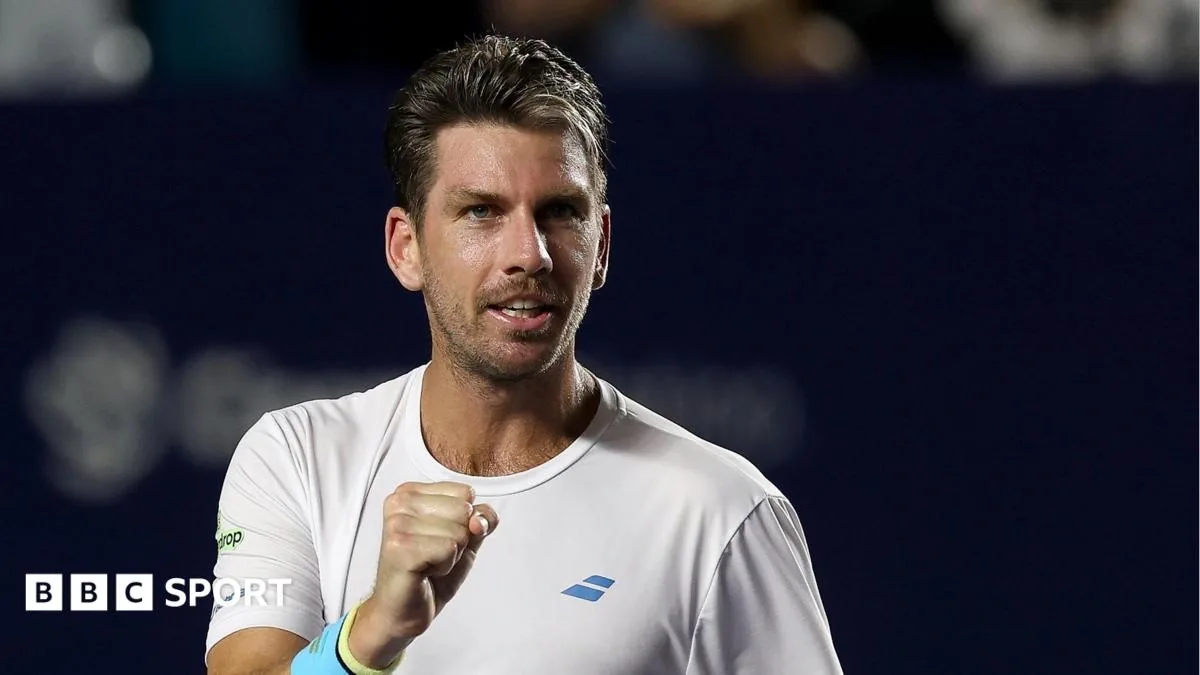
The kinetic chain fails under pressure. In Montreal, Cameron Norrie’s momentum—built from a grueling comeback against Alex de Minaur—stalls against the explosive mechanics of Arthur Fils. Norrie, now British No. 1, struggles to maintain the racquet head speed required to neutralize Fils’ serve. The fabric of Norrie’s kit shows the tension of a man chasing a rhythm he cannot find; he forces a second-set tie-break but lacks the precision to close, falling 6-2, 7-6 (10-8). Fils, utilizing a high-velocity serve-and-first-strike pattern, advances to face Rafael Jodar.

Sabalenka’s Unforced Errors
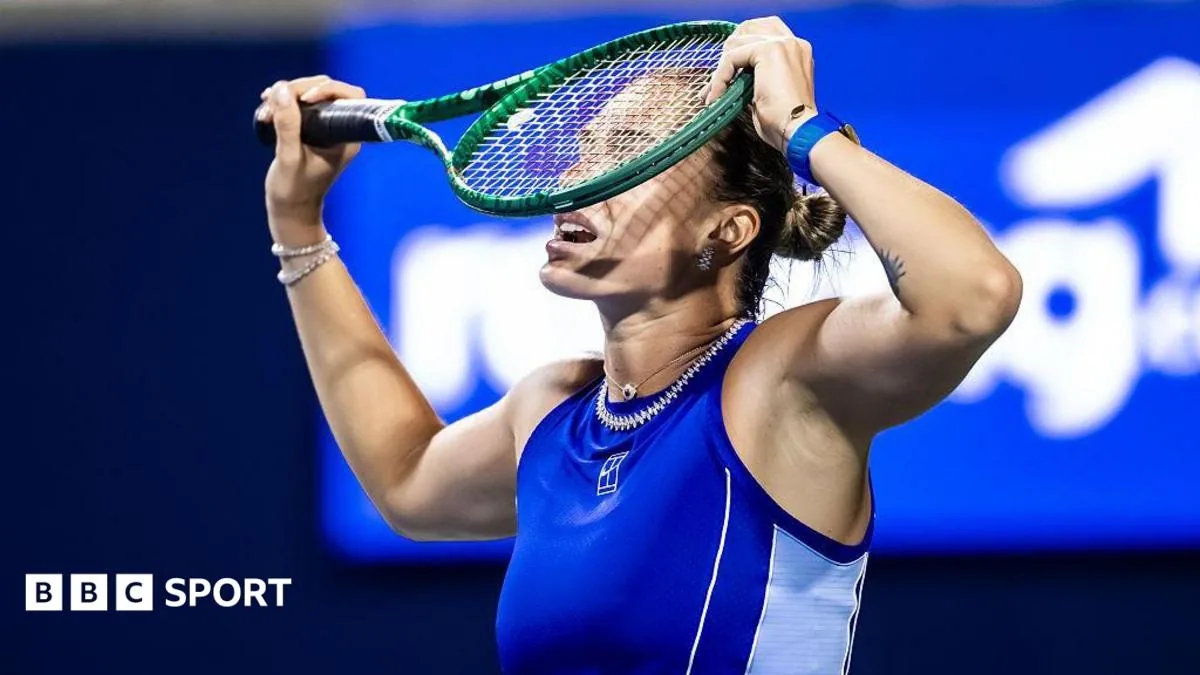
In Toronto, the physics of the women’s draw shift as Aryna Sabalenka (World No. 1) exits. Ekaterina Alexandrova dictates the court through aggressive, flat-trajectory shot-making. Sabalenka’s biomechanical efficiency drops in the decider; her error count spikes as the match nears the two-and-a-half-hour mark. A double fault on match point at 4-5 in the third set confirms the 7-6 (7-3), 4-6, 6-4 result. Alexandrova now moves to a quarter-final clash with Elina Svitolina.
Tournament Context
The results at the National Bank Open (Canadian Open) serve as a critical indicator of form ahead of the US Open. While the ATP and WTA tours do not mirror the structure of the FIFA World Cup 2026™, where teams navigate a rigid FIFA World Cup 2026 bracket to determine the final FIFA World Cup 2026 standings, these tennis results demonstrate the volatility of the current hard-court swing. Players are currently refining their technical output to ensure they peak for the final Grand Slam of the season.
Key Results Summary:
- Arthur Fils def. Cameron Norrie: 6-2, 7-6 (10-8)
- Ekaterina Alexandrova def. Aryna Sabalenka: 7-6 (7-3), 4-6, 6-4
- Elina Svitolina def. Amanda Anisimova: 6-2, 6-4