Reporting note: this article draws on BBC Sport; PGLive provides the summary and editorial framing.
Recovery Timeline and Tournament Status
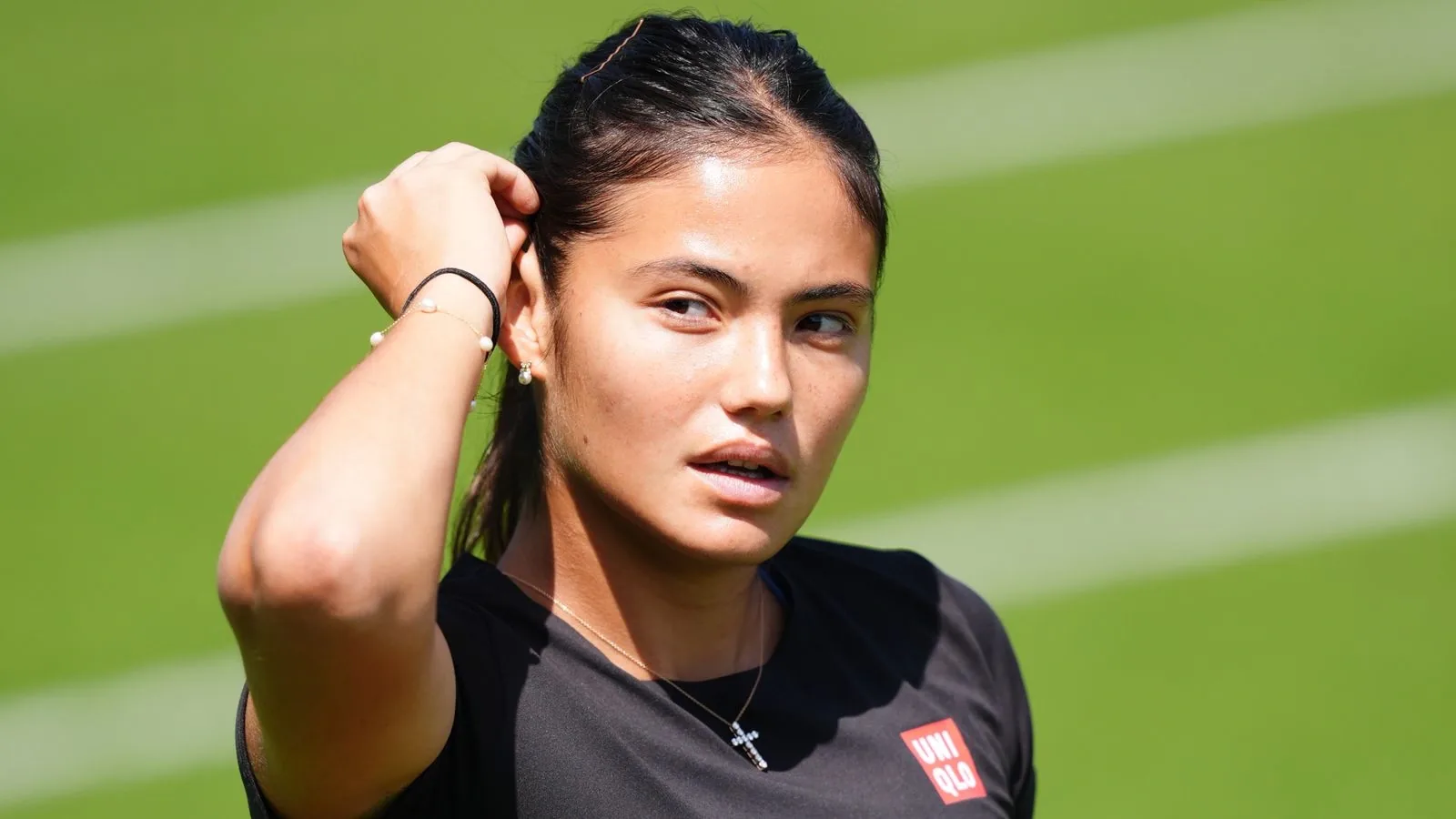
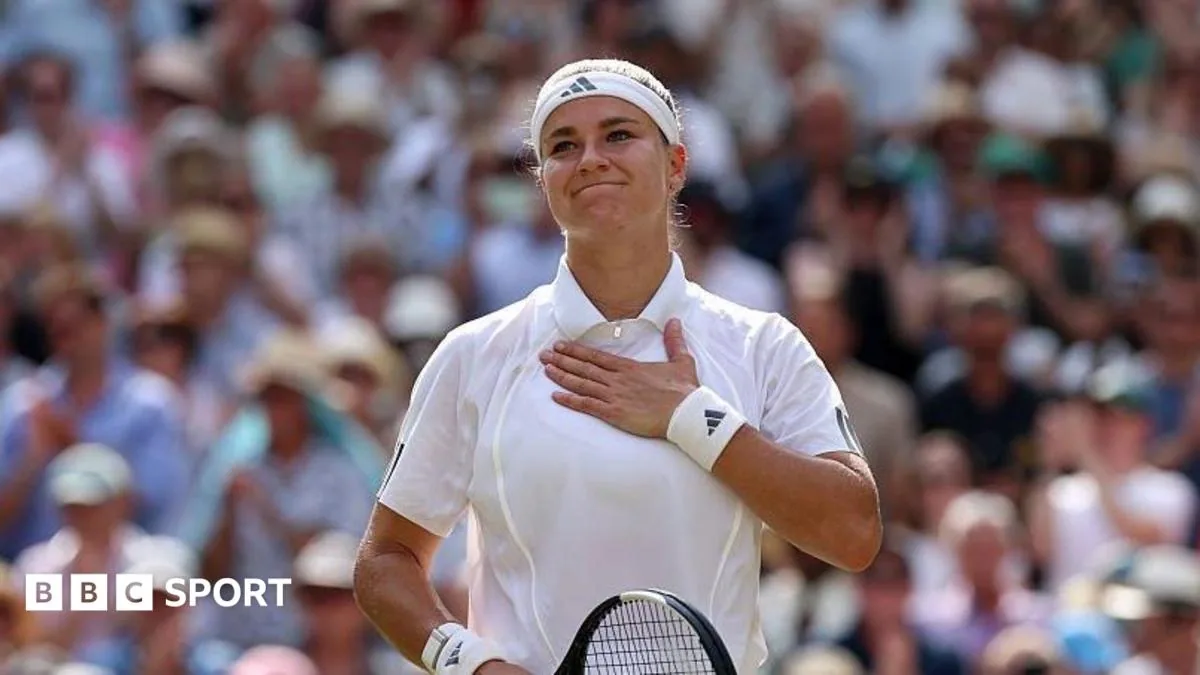
World No. 6 Karolina Muchova has announced she will be sidelined for several weeks following a "small surgery." While the specific nature of the procedure remains undisclosed, the Czech player confirmed that the recovery process is already underway.
As a result of the surgery, Muchova will miss the upcoming Canadian Open in Toronto, which begins on August 1. Muchova expressed disappointment regarding the withdrawal, noting that she had been looking forward to making her debut at the event. Her focus has now shifted toward rehabilitation with the aim of returning to competition in time for the US Open, which is scheduled to begin on August 23.
Career Context
This setback follows a period of high-level performance for the 29-year-old, who recently reached the final at the All England Club. Muchova has navigated a career punctuated by recurring wrist issues, though she did not confirm if this latest procedure is related to previous injuries. Currently ranked sixth in the world, she remains a significant contender on the tour, having reached two Grand Slam finals, including the 2023 French Open.
The white-painted line, once crisp and unyielding under the midday sun, now bears the faint, jagged scar of a ball-skip sensor that has seen too many heavy-topspin arrivals. It waits in the humidity, indifferent to the absence of the player who once demanded its absolute precision.