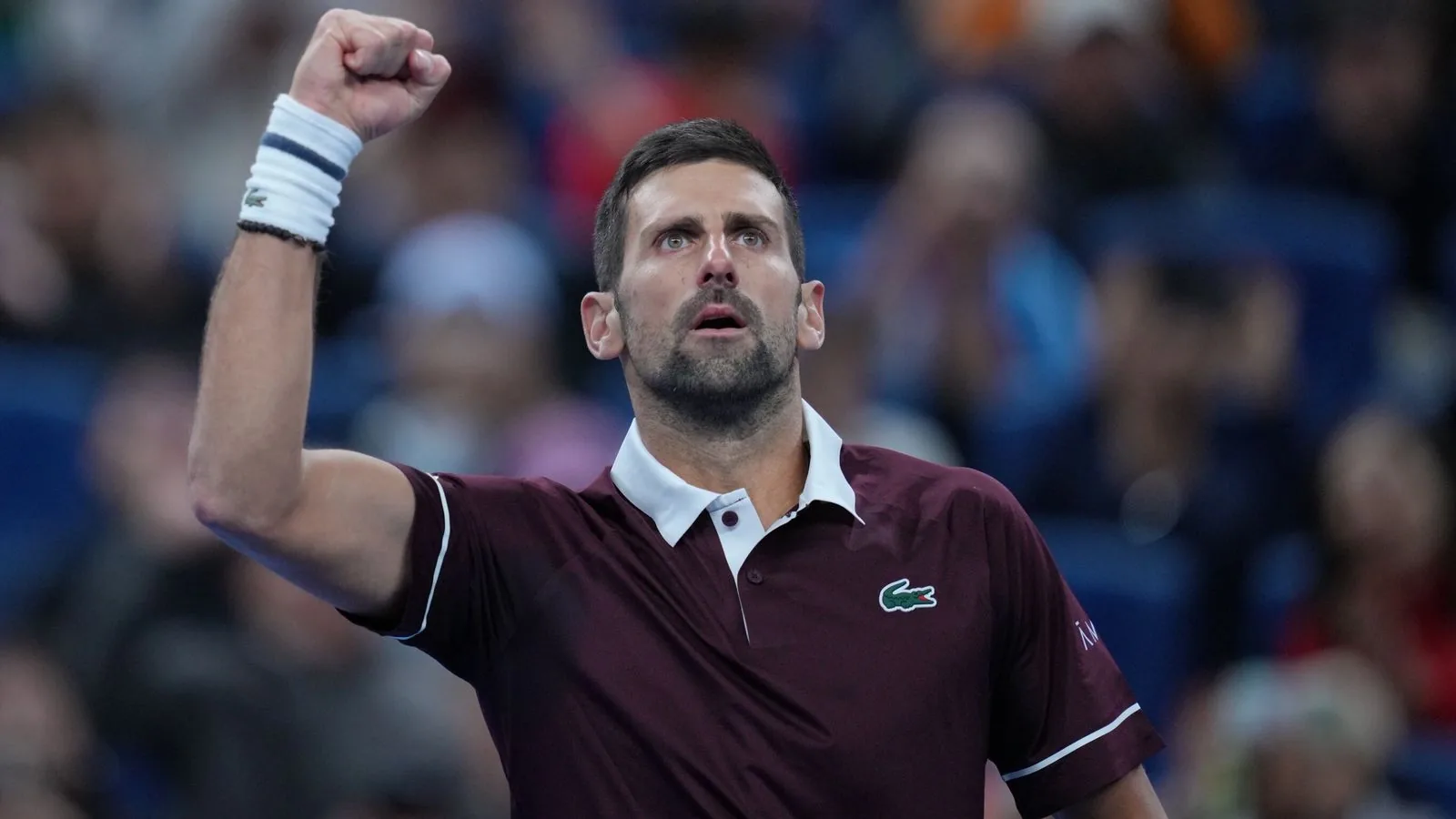
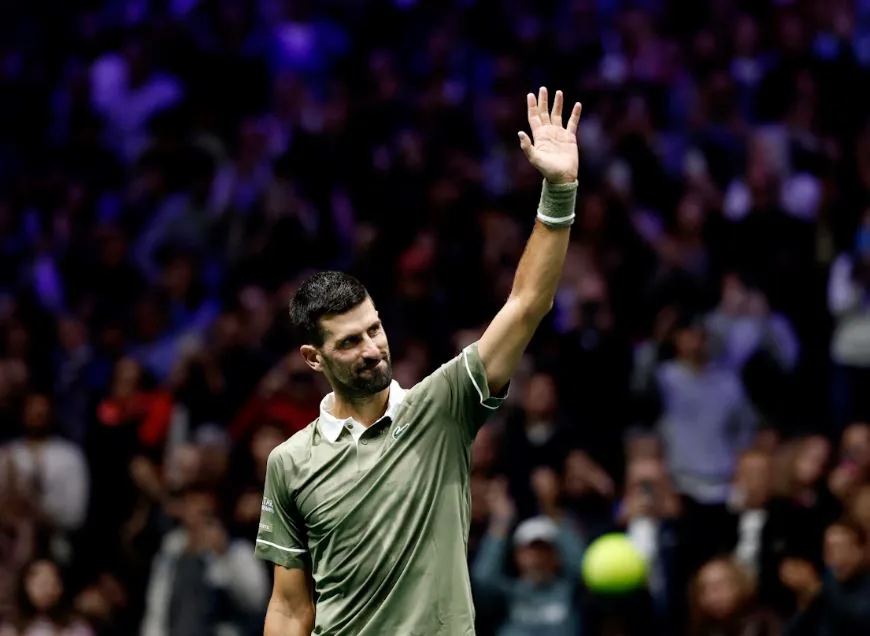
Djokovic shoulder injury concerns surfaced in the middle of his Paris Masters opener, yet the 39-year-old still became the oldest match winner in the tournament's history on Tuesday, beating Monaco's Valentin Vacherot 6-7(5) 7-5 6-1 to keep his ATP Finals hopes alive.
The record seven-time champion was seeded 10th, and with only the top eight seeds receiving first-round byes in Paris he drew an awkward opener against Vacherot, who arrived on a five-match tour-level winning streak after lifting the Basel title on Sunday.
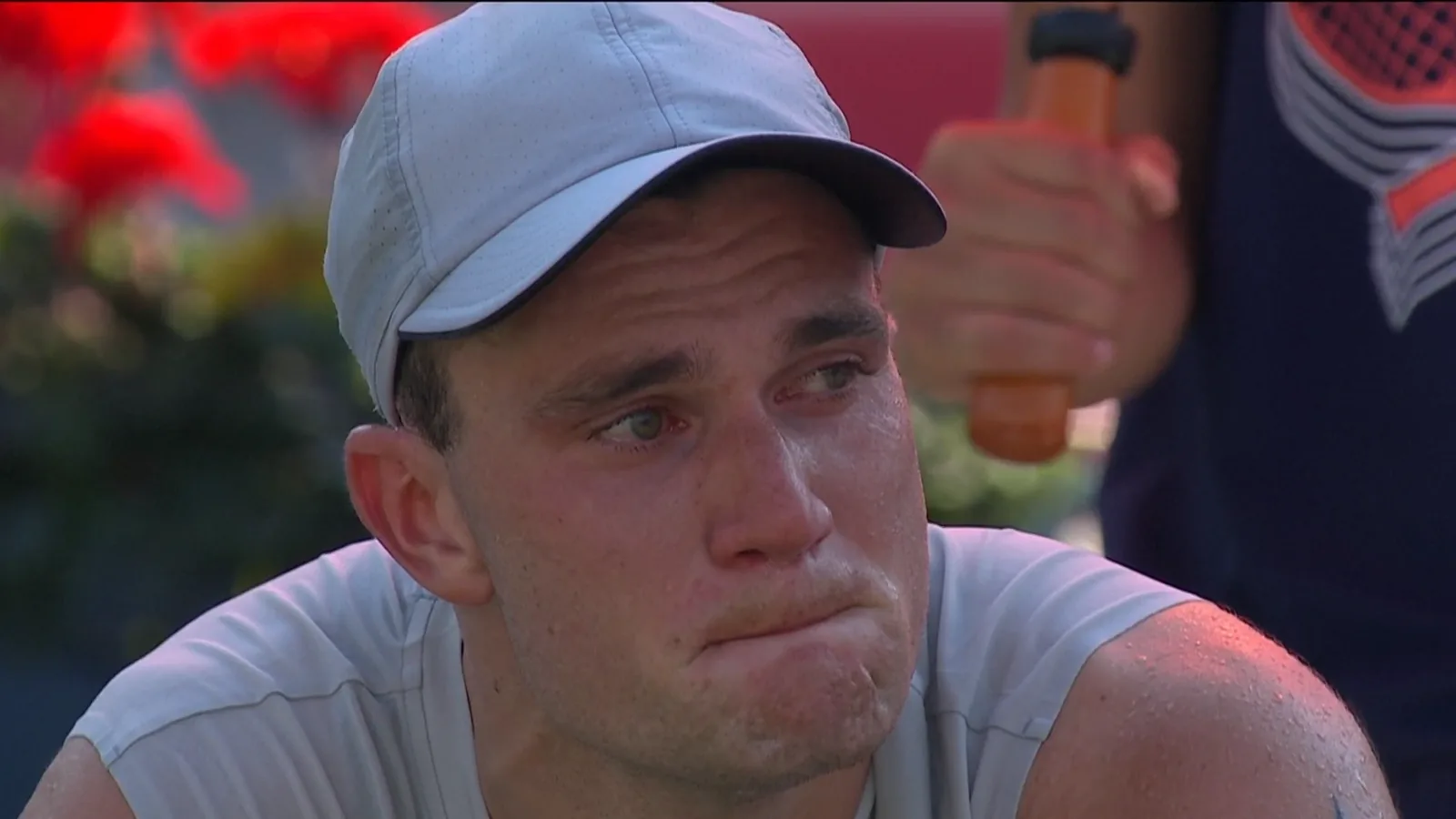
Vacherot, a 27-year-old Monegasque, edged a tense opening set. He reeled off the last four points of the tiebreak after Djokovic squandered a 5-4 lead with a missed forehand volley at the net, then sealed the opener when Djokovic sent a backhand return long.
Djokovic shoulder injury and the momentum shift
Djokovic received a medical timeout for a shoulder issue at 2-1 down in the second set. Vacherot later required treatment on an ankle problem, and the momentum swung shortly afterwards, with the Monegasque's movement appearing restricted as Djokovic capitalised to force a decider.
The former world number one then stepped up a gear, stretching Vacherot from corner to corner and taking control of the contest as he powered through the third set to complete the comeback in two hours and 35 minutes.
Djokovic said the match had unfolded roughly as he expected. "I expected a match like this to be honest, with very few opportunities to break for me," he said in his on-court interview.
He identified Vacherot's serve as the main obstacle. "He has a tremendous serve. It is huge - both first and second. For a set and a half, I had difficulty reading his serve and even if I guessed right, it was coming with some speed. It is hard to play someone like that, doesn't give you many opportunities and puts additional pressure on your service games," Djokovic said.
On the physical cost of the closing set, he added: "The third set was really good but very tiring physically, a lot of long rallies... I am still there, still hanging on and still giving it whatever I can, trying to find my best level when it matters."
Vacherot's Basel run and a Shanghai precedent
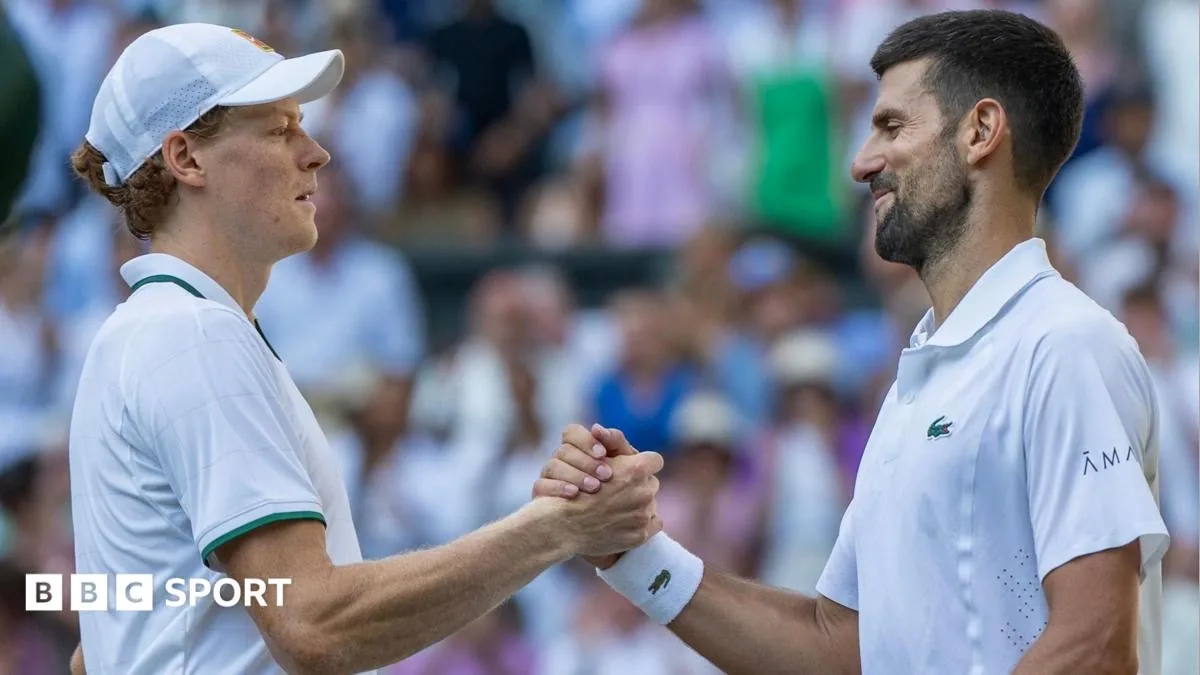
The pair had met once before, in last year's Shanghai Masters semi-finals, when Vacherot stunned Djokovic and went on to win the title, becoming the lowest-ranked ATP Masters 1000 champion in history.
ATP Finals race to Turin
Djokovic is 11th in the ATP Live Race to Turin and chasing a 17th appearance at the eight-man event, with Spain's Rafael Jodar currently occupying the final qualifying spot. Jannik Sinner is sidelined through injury, while Alexander Zverev, Carlos Alcaraz, Ben Shelton and Daniil Medvedev have already qualified for the November 15-22 tournament.
Djokovic, who missed the previous two editions through injury, has said he intends to return if he qualifies. He next faces Australia's Rinky Hijikata in Paris.
Djokovic's uneven season
He reached the Australian Open final and the Wimbledon semi-finals this year, but fell in the third round at the French Open and the first round of the US Open. He claimed the 102nd title of his career at the China Open last month, then suffered early exits in Shanghai and Basel.
Analysis: the third set says more than the record
This section is analysis. The record is a function of longevity, but the comeback was built on an opponent's restricted movement rather than on Djokovic's own baseline control. His description of the third set — long rallies, heavy legs — points to a workload that is not getting lighter, and the shoulder is the detail worth tracking before Turin.
The original report is by Reuters, published via gmanetwork.com.