Reporting note: this article draws on BBC Sport; PGLive provides the summary and editorial framing.
A Tournament Defined by Adaptability
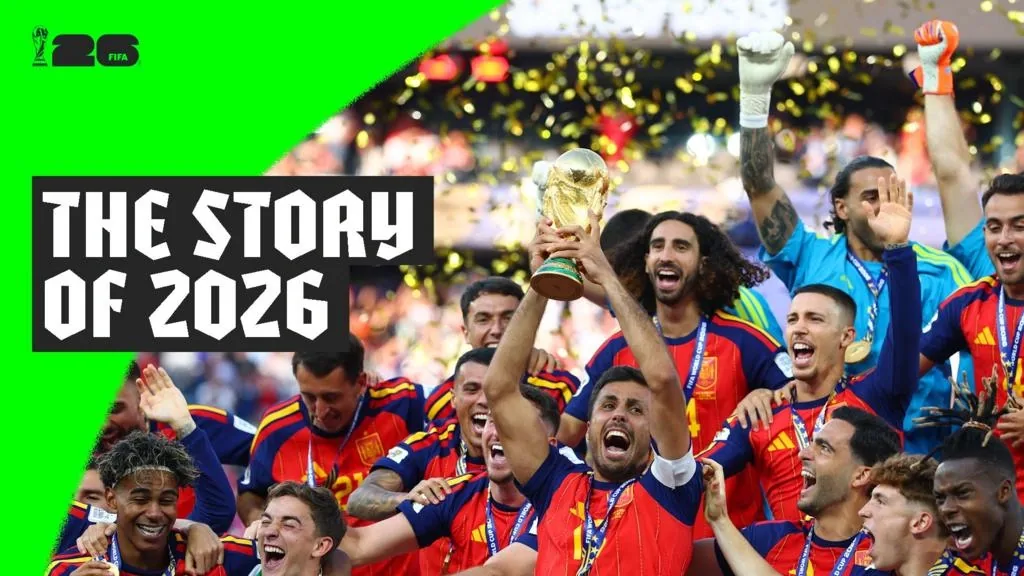
The 2026 FIFA World Cup™ concluded with Spain securing the title, a victory built on the tactical flexibility of their squad. While the tournament featured a broad range of narratives—from historic debuts to the emergence of new international talent—the final outcome underscored the effectiveness of Spain’s late-game substitutions. The decisive goal in the final originated from the synergy between Nico Williams and Ferran Torres, who provided the specific spatial adjustments required to break the opposition's defensive structure.
Structural Analysis of the Final
Spain’s success relied on an adaptable framework rather than a rigid system. In the final, the coaching staff utilized substitutes to recalibrate the midfield geometry, effectively exploiting the gaps left by an opponent struggling to maintain a cohesive defensive block. This approach allowed Spain to maintain control during the high-pressure moments of the second half, ensuring that their offensive transitions remained efficient despite the fatigue inherent in a tournament of this scale.
Looking Toward 2030
With the 2026 edition concluded, the focus shifts to the logistical expansion of the next tournament. The 2030 World Cup will span six host countries across three continents, representing a significant shift in the scale and complexity of the competition. Analysts are already evaluating how such geographical distribution will impact player travel, recovery times, and the overall tactical preparation required for teams competing in a multi-continental format.
The pitch surface was dry and abrasive under the stadium lights at the final whistle.