
Reporting note: this article draws on The Guardian; PGLive provides the summary and editorial framing.
A Retrospective on the 2026 World Cup
As the dust settles on the 2026 tournament, the focus shifts from the final FIFA World Cup 2026 standings to the defining personalities and structural ruptures that shaped the competition. The tournament, noted for its unprecedented scale, served as a high-stakes collision of national psyches, played out under the glare of industrial floodlights across North America.

Defining Moments and Tournament Figures
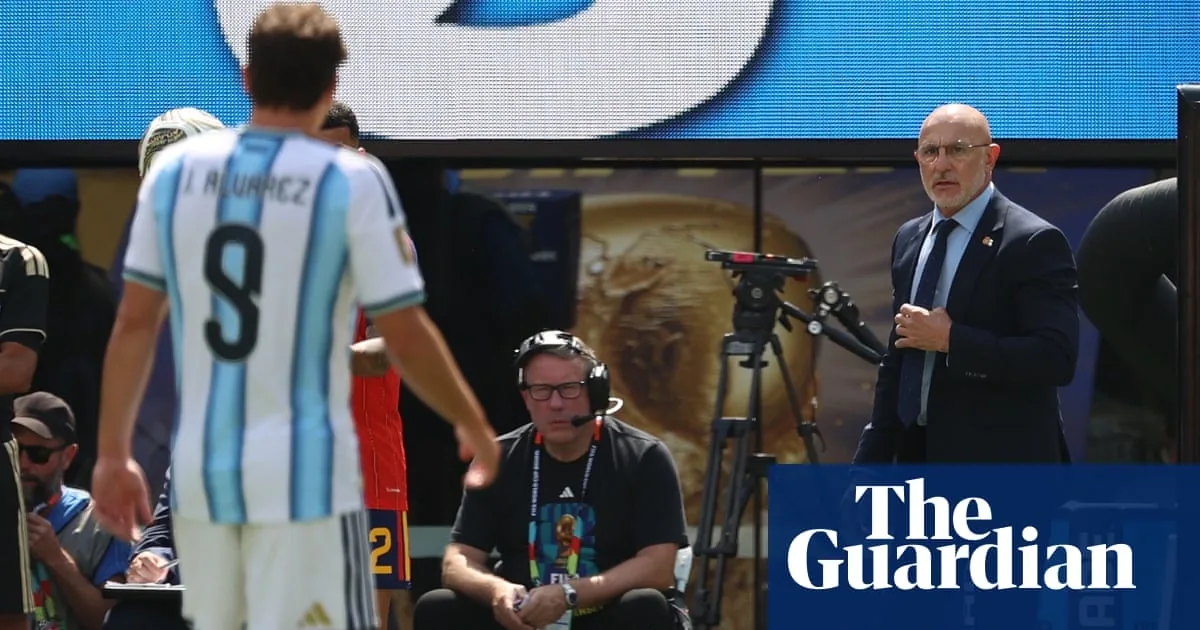
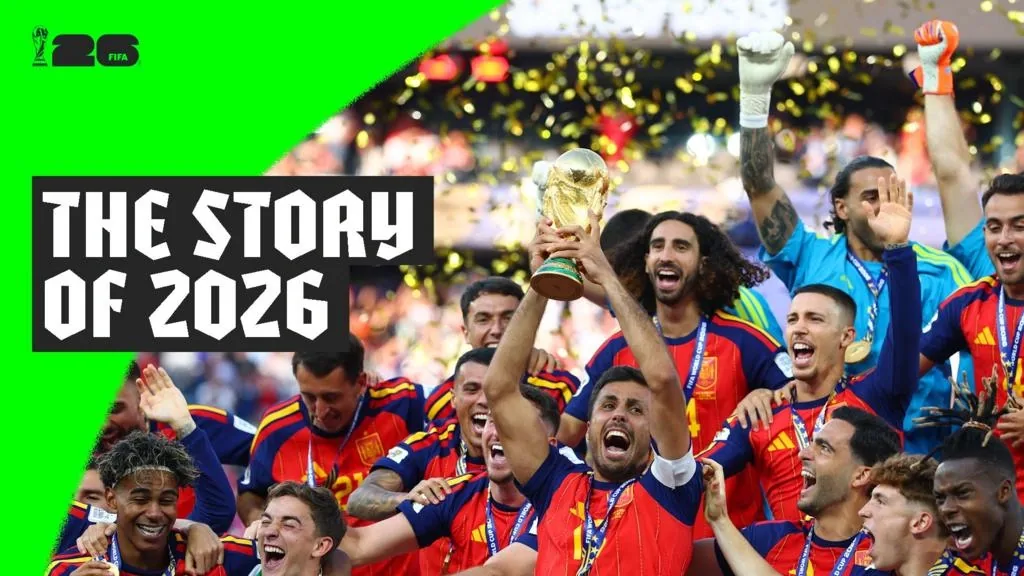
The FIFA World Cup 2026™ was marked by a series of headline-generating events that extended beyond the pitch. Cartoonist David Squires has captured the essence of these moments, highlighting the interplay between the sport’s global reach and the political backdrop of the host nation. The tournament concluded with Spain securing the title, a result that unfolded in a complex atmosphere, with high-profile observers such as Donald Trump in attendance.
Social and Structural Impact
While the FIFA World Cup 2026 bracket provided the framework for the competition, the event’s footprint was felt deeply within local communities. Reports from host cities like Atlanta highlighted the tension between the tournament's festive image and the displacement of unhoused populations during the city's preparation efforts. These social realities formed a stark counterpoint to the official narrative of unity promoted by FIFA.
The tournament’s legacy will likely be defined by these dualities: the tactical evolution of the teams on the pitch and the broader socio-political environment in which the matches were contested. As analysts review the final FIFA World Cup 2026 standings, the focus remains on how these structural ruptures—the goals that shifted momentum and the off-field controversies—will influence the perception of the tournament for years to come.