Reporting note: this article draws on The Guardian; PGLive provides the summary and editorial framing.
A Tournament of Historic Firsts and Controversy
The 2026 FIFA World Cup™ has concluded, leaving behind a complex legacy of record-breaking performances, officiating disputes, and cultural phenomena. From Curaçao’s historic first goal against Germany to the intense scrutiny surrounding the FIFA World Cup 2026 bracket, the tournament provided a series of memories that reshaped the global football landscape.
Officiating and Tactical Friction
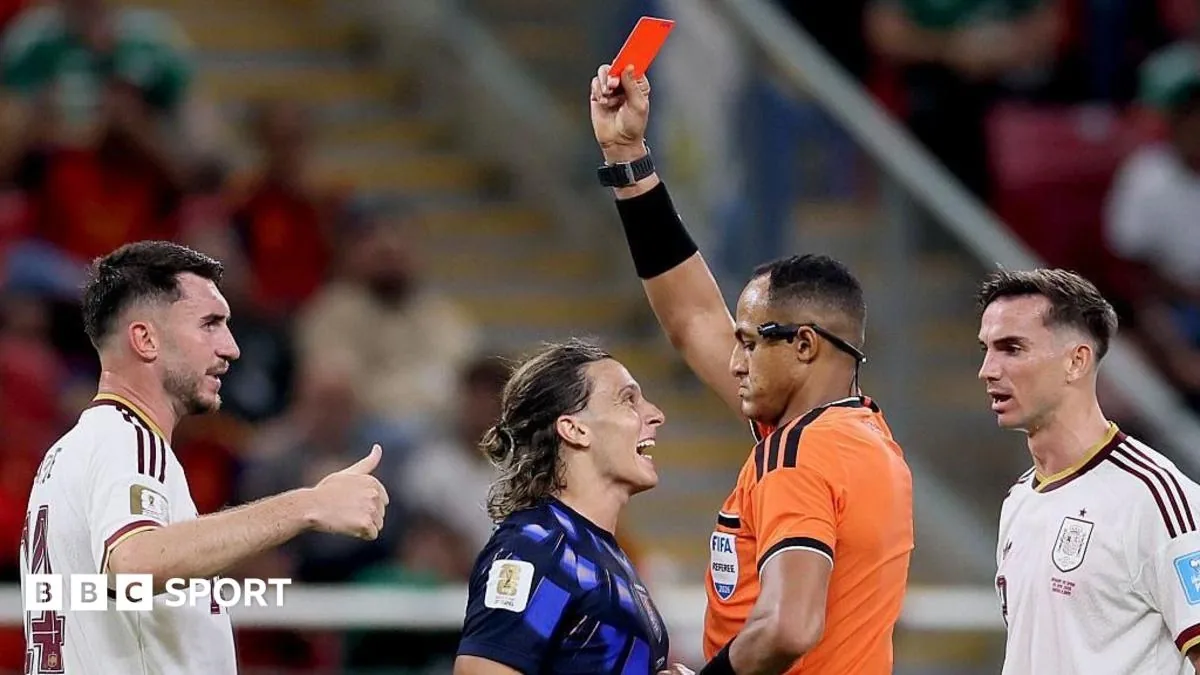
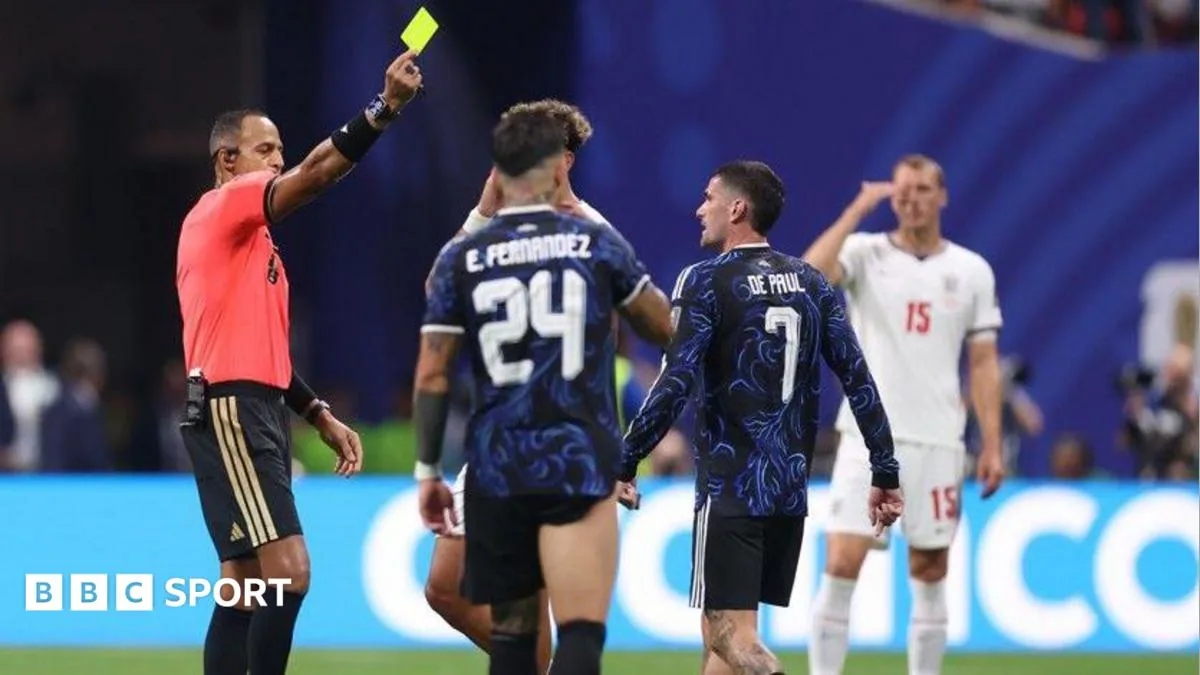
Officiating remained a central theme throughout the competition. A notable update to the 'mistaken identity' rule saw Switzerland’s Breel Embolo sent off during a quarter-final against Argentina after a VAR review, a decision that drew sharp criticism from Swiss head coach Murat Yakin. Similarly, Egypt’s exit in the round of 16 sparked outrage, with coach Hossam Hassan citing disallowed goals and denied penalties as evidence of unfair treatment toward his side.
The tournament also saw physical challenges for officials, including an unusual stoppage during the USA-Australia group stage match when referee Felix Zwayer collapsed due to severe cramp, requiring assistance from players on the pitch.
Key Tournament Narratives
- The Golden Boot Race: Kylian Mbappé secured the Golden Boot, matching the high-scoring pace set by Lionel Messi throughout the tournament.
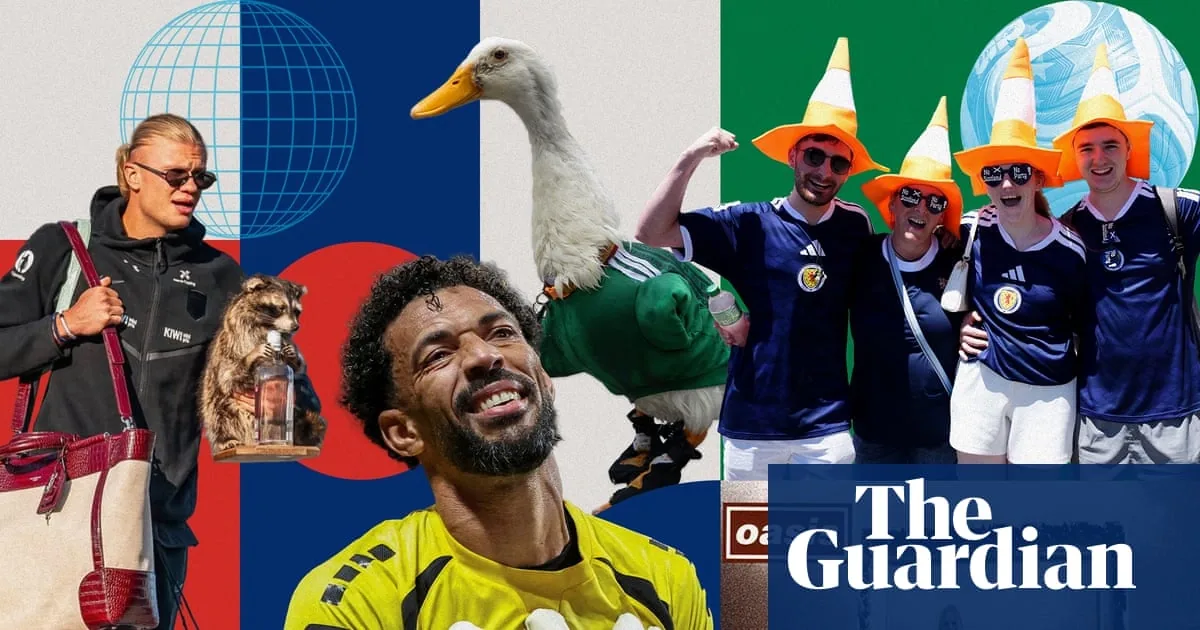
- Haaland’s Impact: Erling Haaland solidified his status as an internet icon, with his explosive late-game performances for Norway becoming viral staples.
- Fan Culture: The 'Tartan Army' left a lasting impression in Boston, while England’s squad found a unique rhythm with their fans through the adoption of Oasis’s 'Wonderwall' as a post-match anthem.
- Political and Logistical Hurdles: Iran’s campaign was defined by significant travel and training restrictions, with head coach Amir Ghalenoei describing their treatment as unfair.
What to Watch Next
As the dust settles on the FIFA World Cup 2026 standings, the focus shifts to the long-term impact of the tournament's expanded format and its influence on future international fixtures. While individual stars like Lamine Yamal and his brother Keyne captured the world's attention, the tournament also highlighted the growing influence of tactical 'dark arts,' as seen in Paraguay’s controversial knockout stage run.
The tournament concluded with Spain emerging as champions, bolstered by the clinical late-game contributions of Mikel Merino, who proved decisive in back-to-back knockout victories.