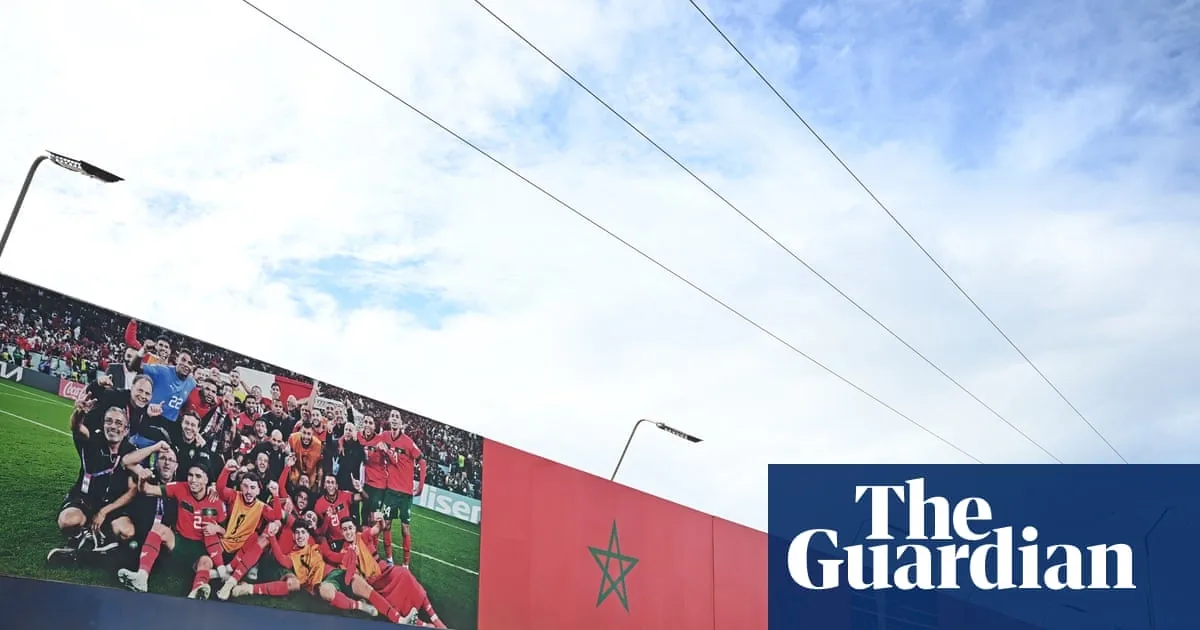
Reporting note: this article draws on The Guardian; PGLive provides the summary and editorial framing.
Infrastructure and Economic Challenges Ahead
With the conclusion of the 2026 tournament, Morocco has turned its attention toward the 2030 World Cup, which it will co-host alongside Spain and Portugal. The preparation phase is already underway, with the Morocco 2030 Foundation coordinating efforts to manage what officials describe as a massive undertaking in infrastructure development and institutional governance.
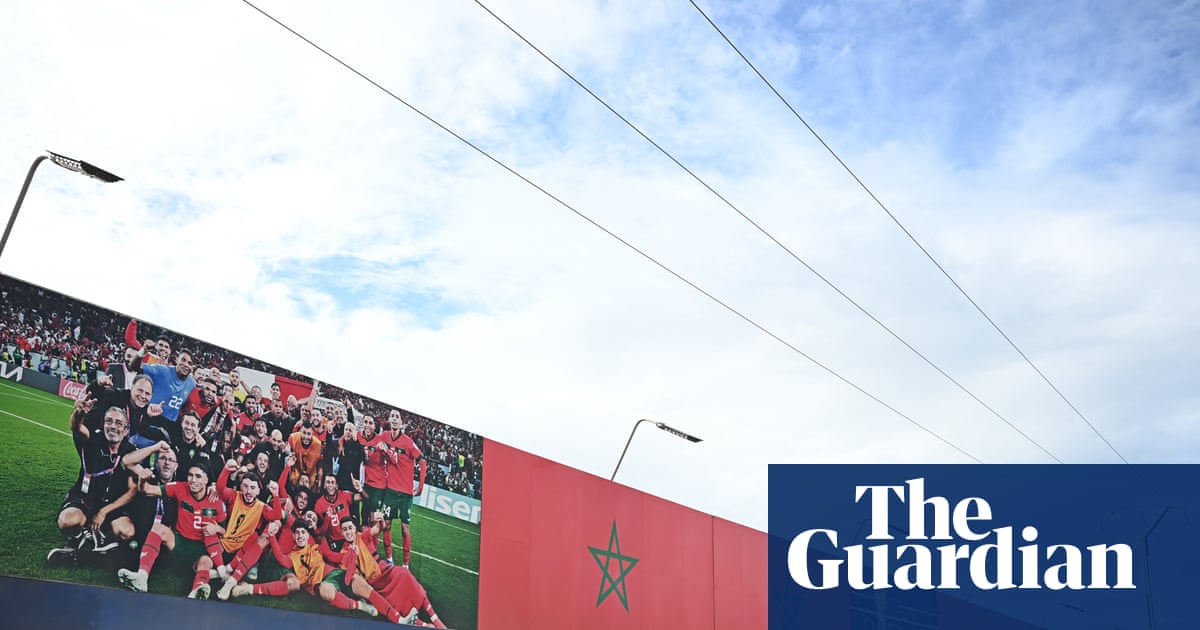
The financial scale of the project is significant. Reports indicate a budget of 50-60 billion Moroccan dirhams for direct football investments, with an additional £17 billion earmarked for broader infrastructure upgrades, including transport, airports, and digital services. An International Monetary Fund assessment suggests this expenditure could represent nearly 12% of the country's 2024 GDP.
Lessons from Previous Hosts
Moroccan officials are actively studying the organizational models used in recent tournaments to avoid the pitfalls faced by previous hosts. Drawing on South Africa’s 2010 experience, experts have warned against the risk of "white elephant" stadiums and the dangers of predatory pricing by contractors. Dennis Mumble, a former CEO of the South African Football Association, emphasized that long-term success depends on planning for multi-purpose venue utility and rigorous cost management.
What to Watch Next
- Host City Designations: FIFA is expected to finalize the list of host cities by the end of 2024.
- Organizational Structure: A key decision remains whether FIFA will manage operations centrally or revert to a traditional local organizing committee model.
- Regional Impact: Morocco is positioning the tournament as an "African" event, with plans to use the legacy program to improve pitch quality and football infrastructure across the continent.
While the project is framed as a catalyst for national development, it remains a subject of domestic debate. Sociologists note that public opinion is divided, with some citizens questioning whether such substantial investments should be prioritized for health, education, and employment instead.