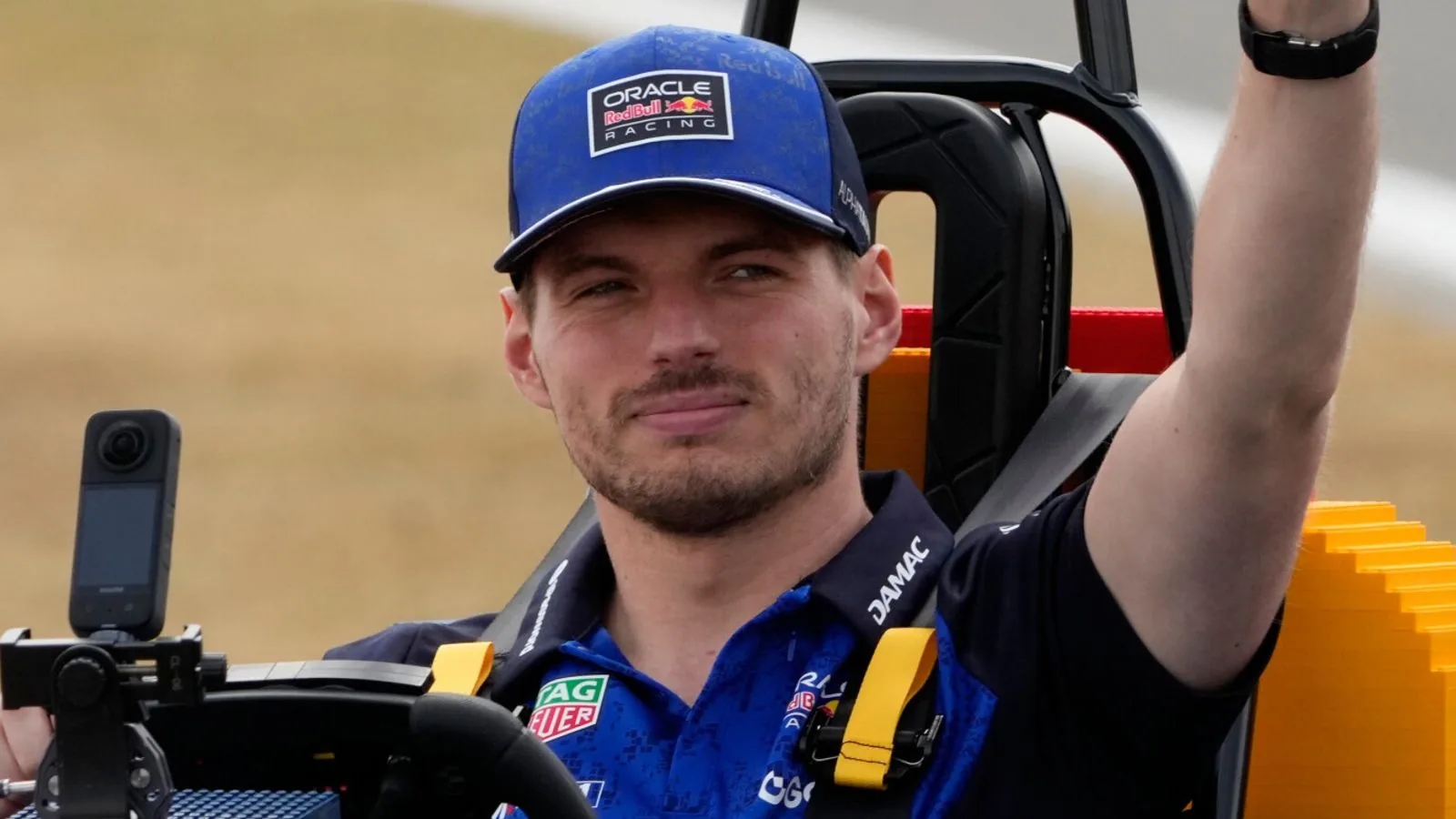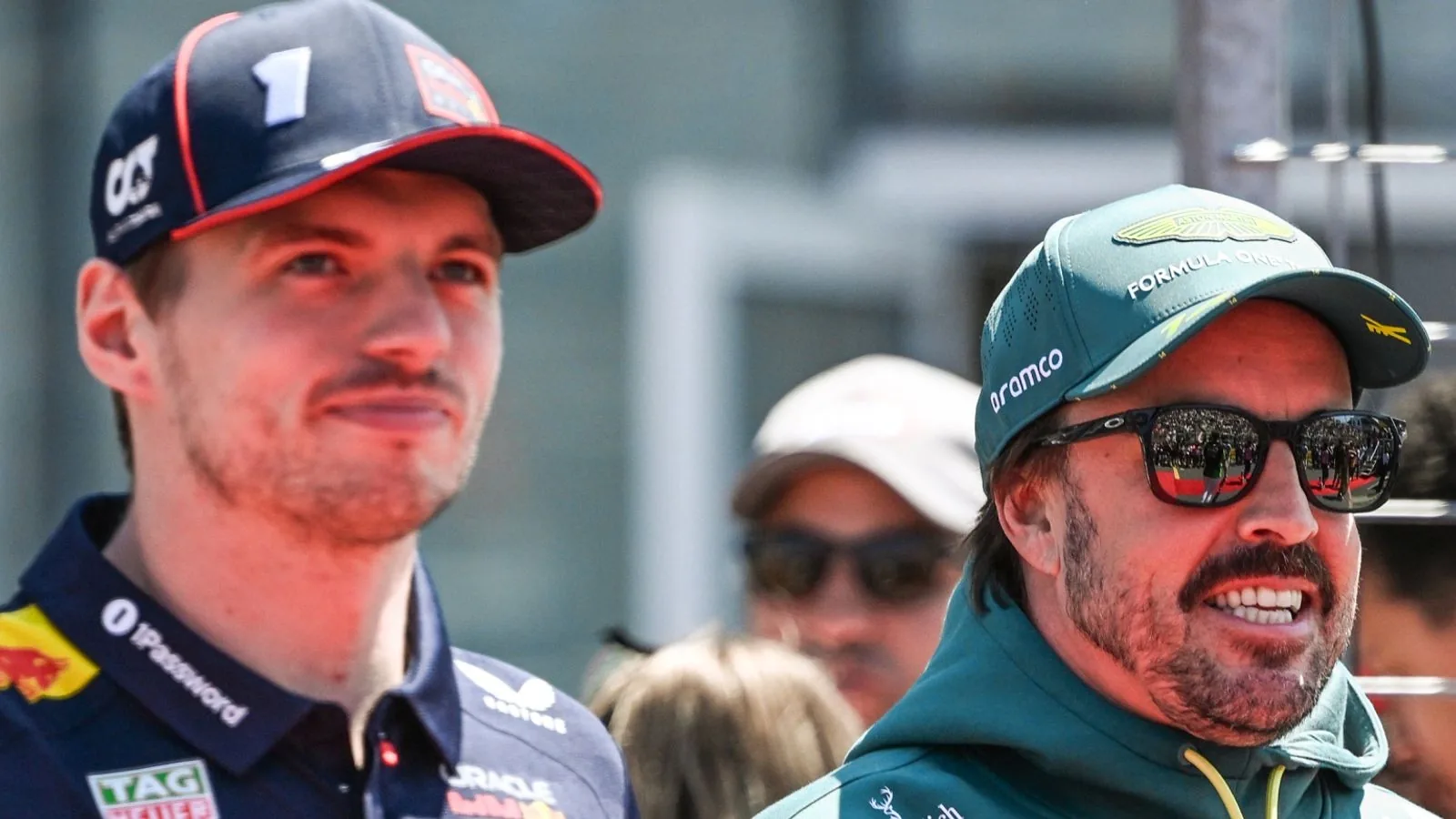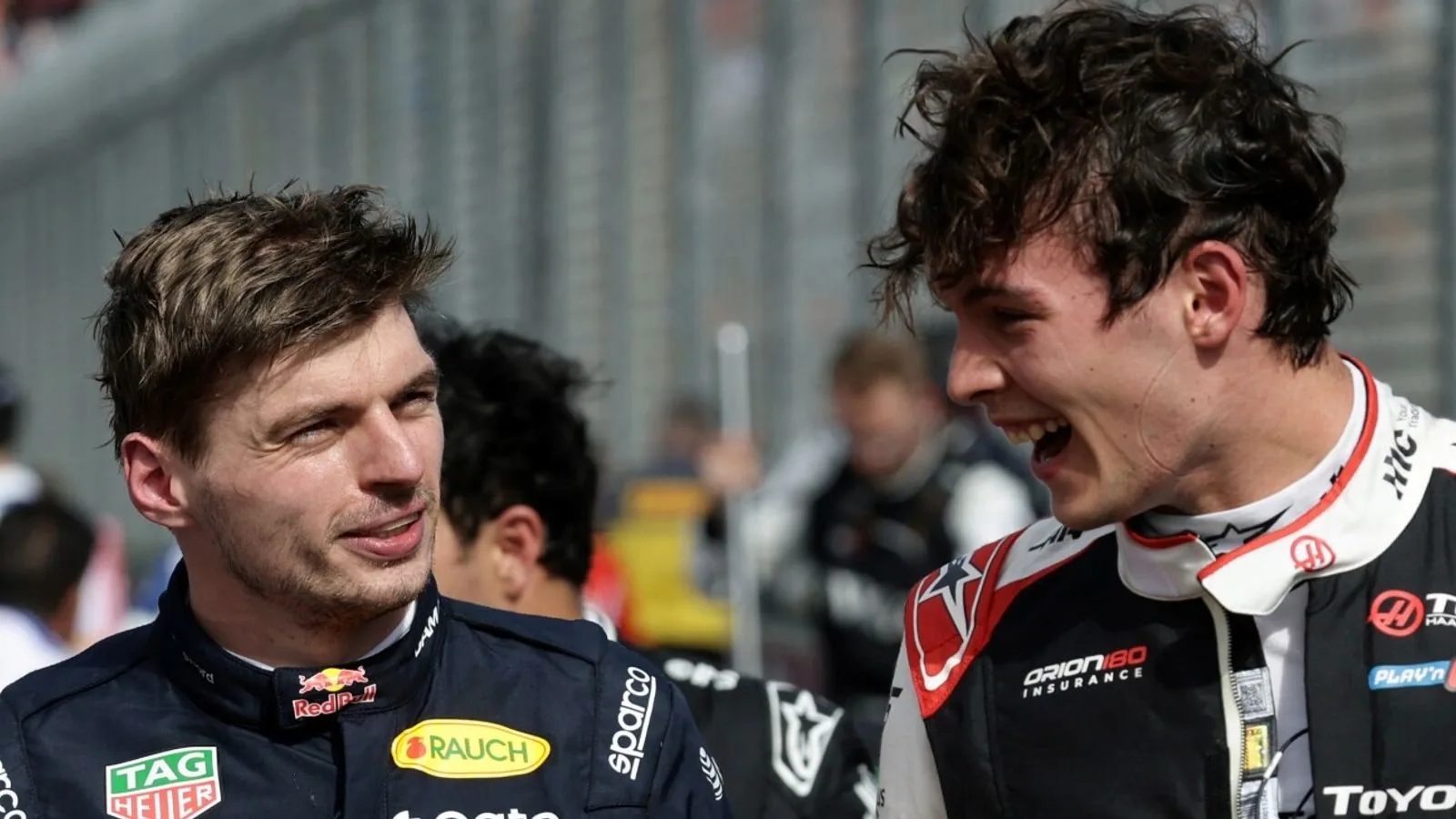
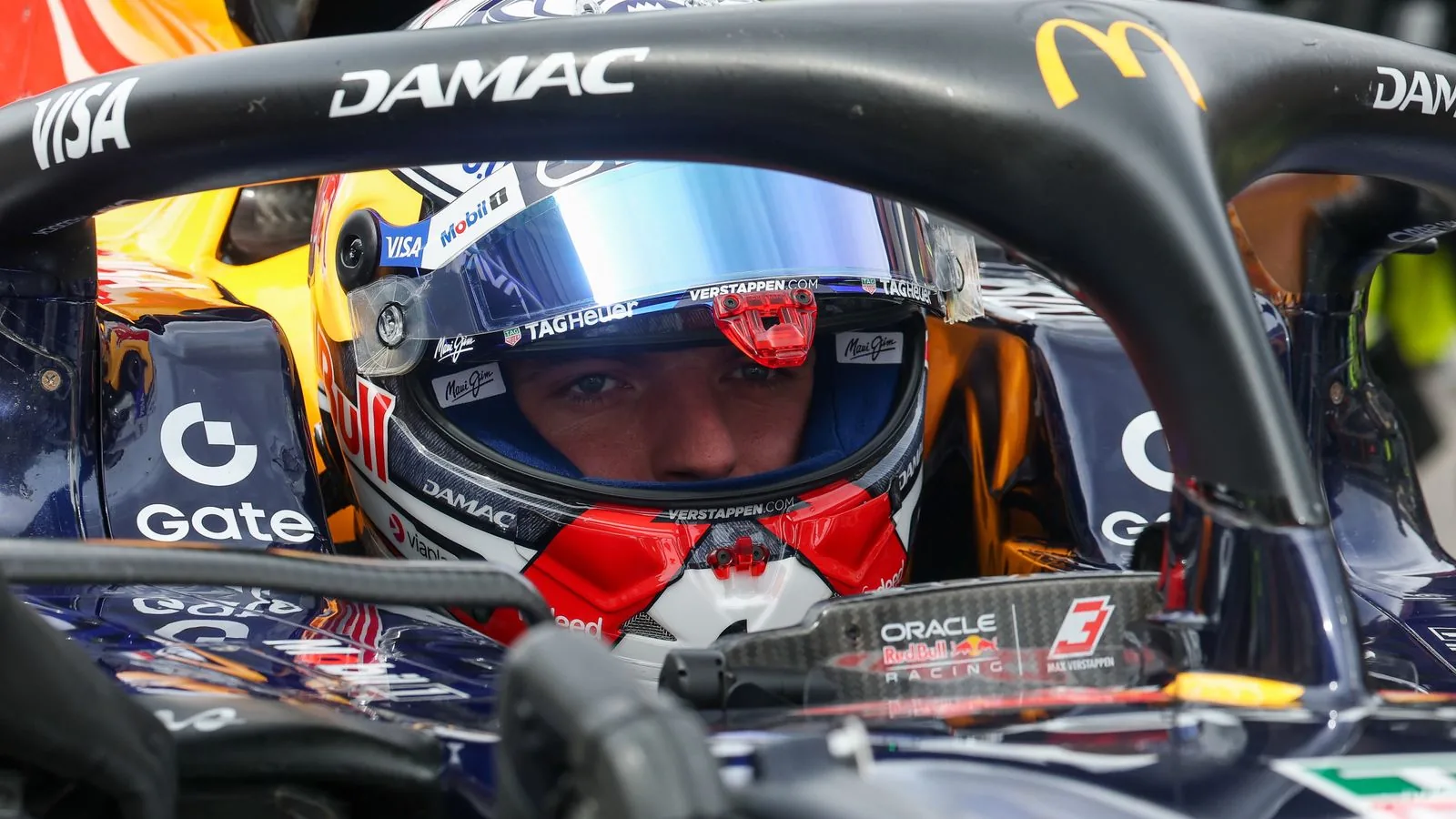
Verstappen radio issues turned a third-place finish at the United States Grand Prix into a communication audit. The Red Bull driver spent much of Sunday afternoon trying to tell his pit wall that the car was suffering from engine braking problems, and much of it trying to hear the reply.
The failure was not a one-off. Red Bull has now lost reliable contact with its drivers across consecutive race weekends, and the team principal Laurent Mekies conceded the fault is absorbing energy the squad would rather spend on performance. Kimi Antonelli won in Austin.
Verstappen radio issues expose a repeat failure
The sequence in Austin followed a familiar pattern. Verstappen was reporting a car problem; his engineer proposed a change of engine mode by way of remedy; the instruction did not arrive intelligibly. Two weeks earlier in Singapore, driver and pit wall had improvised their own workaround while he drove to victory.
Verstappen rejected the framing of a second occurrence. "It's not the second time. It's already, I don't know how many times this year," he said. "Maybe we should just start communicating in sign language. It's probably cheaper as well. It's a disaster. Yeah, it's a disaster. It's really frustrating, to be honest."
The consequence is procedural rather than dramatic. A radio link that fails intermittently removes the pit wall's ability to feed the driver mode changes, tyre information and strategy calls in real time, and it removes the driver's ability to describe a developing mechanical problem precisely enough for the garage to act on it between stops.
Red Bull starts and a clutch that cannot take the heat
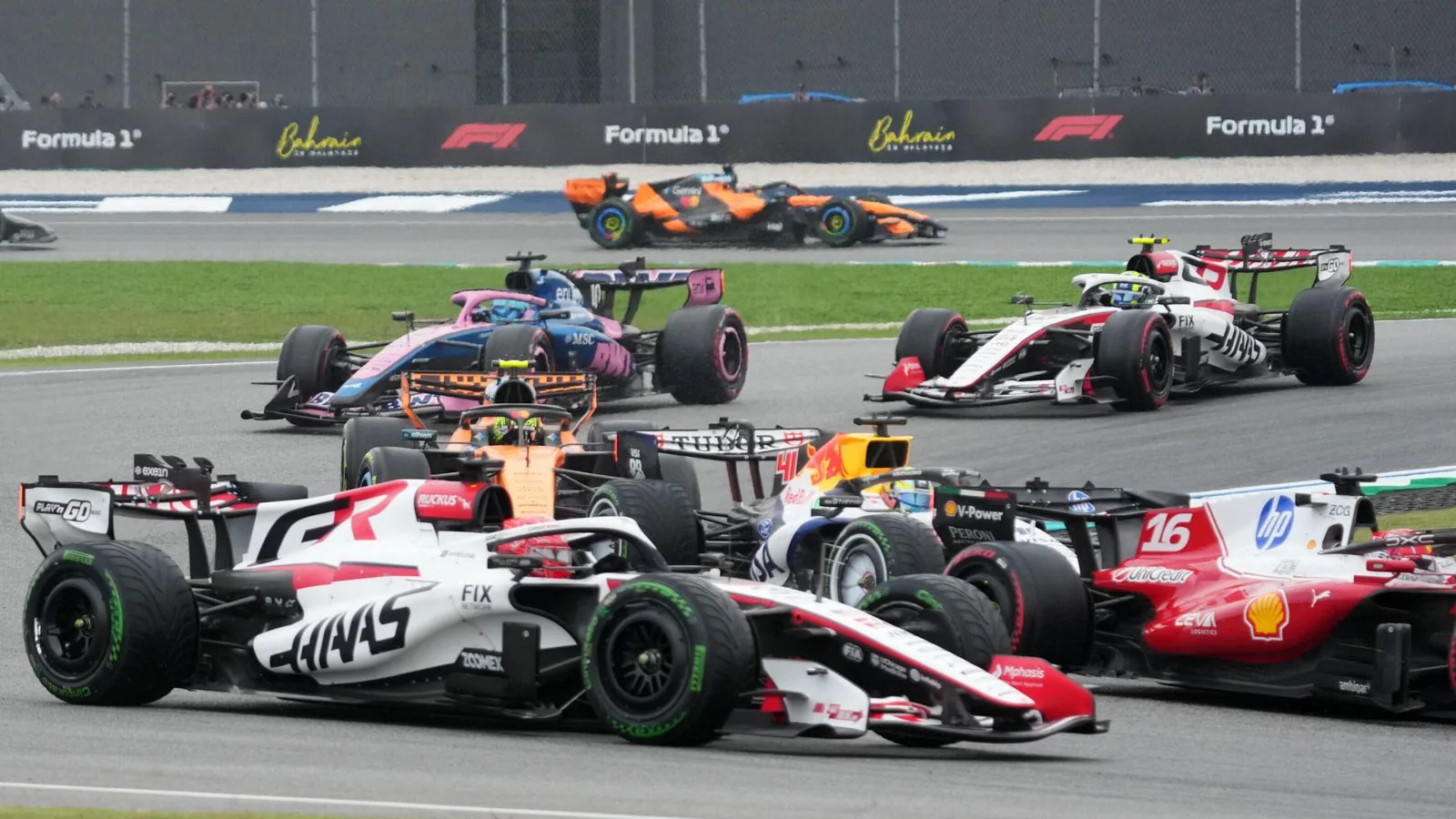
Verstappen's afternoon was further compromised at the launch. He was passed by Charles Leclerc on the opening lap after a poor start, and team-mate Isack Hadjar lost positions to both Leclerc and Lewis Hamilton. Verstappen's assessment was terse: "Just the same always at the start, the problem we have."
Hadjar went further, separating the launch procedure from the hardware that executes it. "I do everything perfect in terms of procedure and I have clutch over delivery. These things are out of my control," he said. "I have poor radio coverage, can't hear what's happening, can't hear what's happening in the pits. I leave the pits with the wrong map, then I lose a second every lap on that hard tyre."
His verdict on the component was blunt: "It needs a redesign. That's it. The clutch. It's too fragile. It's not coping well with temperatures. It's a real struggle." The radio fault and the clutch fault compound one another — an unheard message about a wrong engine map converts a communication error into lap time, and lap time on a hard-tyre stint is expensive.
Laurent Mekies sets the repair timeline
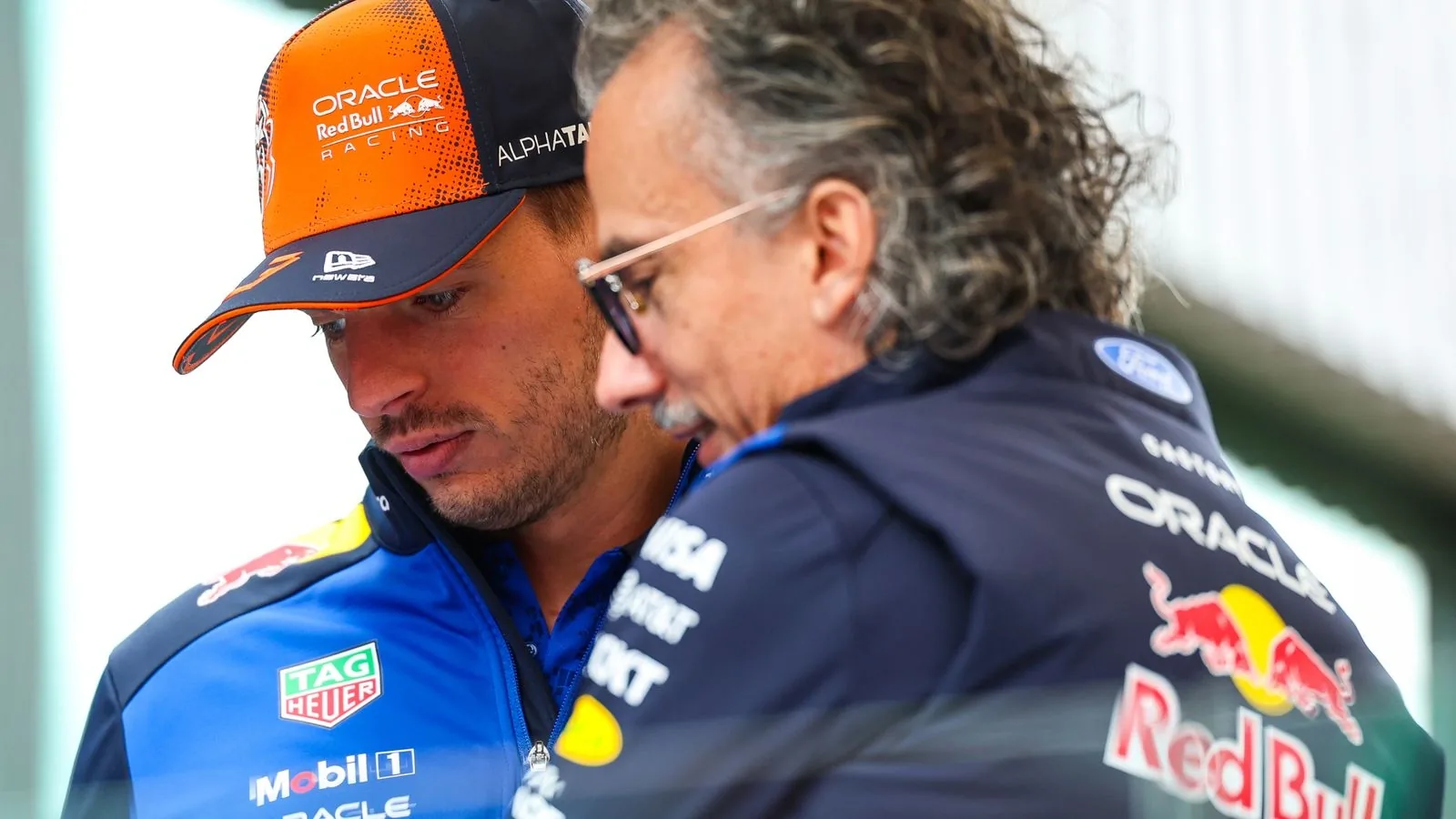
The team principal did not dispute the diagnosis. "We are all frustrated to struggle for the second race in a row with the radio issues," Mekies said. "It's making everyone's lives very difficult. So, it is true that it's something that we would like to fix quite quickly, because it's an item that should be working without using too much of our energy."
Starts, he suggested, sit further from a quick solution. "The start is a slightly more complex issue to solve, meaning that the start performance is going across pretty much all the departments of the company, probably except aerodynamics," he said. "It's engine, it's gearbox, it's clutch, it's many things."
Mekies argued the gap to the front has narrowed since the early rounds but stopped short of promising parity. "As much as we have reduced the gap to competition... we are still not the benchmark," he said. "The fact that the car in the meantime improved a lot and is fighting closer to the front makes that deficit even more painful now, because competition around us is very strong."
His projection for the remainder of the campaign is deliberately limited. Red Bull expects to close the margin incrementally race by race, but not to lead the field on launch performance before the season ends. "It will require significant design and hardware changes, and that this is something that we will see only next year," Mekies said.
Mexico City Grand Prix next for Red Bull
Formula 1 moves to the second leg of its Americas triple header with the Mexico City Grand Prix this weekend. For Red Bull, the immediate test is narrower than pace: a working radio, a repeatable launch procedure, and a clutch that survives a race distance without being managed around.
Sky Sports F1 reported the original interview and race details.