Analysis
Analysis
Formula 1 will move to 2.1-litre turbocharged V8 power units in 2030, after the FIA, Formula One Management, the teams and the sport's power unit manufacturers unanimously agreed a technical framework, the governing body announced on Friday. The switch comes 17 years after F1 abandoned V8s in favour of engines pitched as "road relevant".
The announcement followed a teaser from FIA president Mohammed Ben Sulayem earlier in the week, posting the sound of a screaming F1 car with the caption: "You spoke, we listened. V8s coming soon." Friday's statement set displacement and induction; no further technical detail was released.
The power unit being replaced
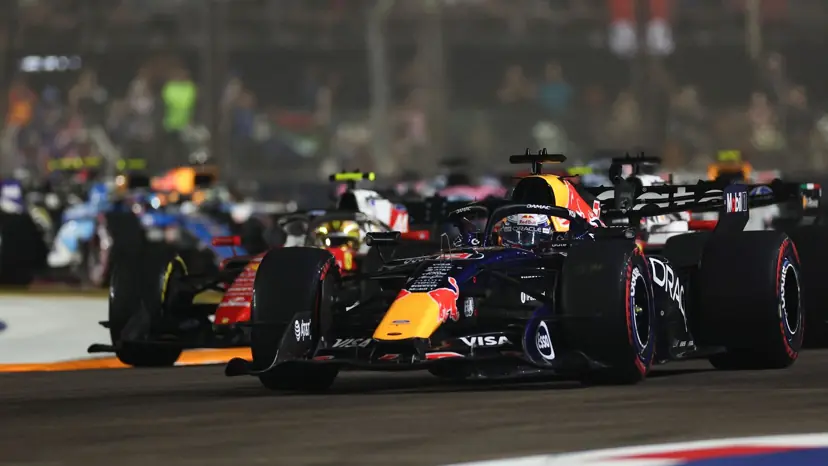
The current power unit is around 53 per cent electrically powered. Some drivers have criticised it this year, saying it has produced an unusual style of driving and racing at some tracks and left them unable to push flat out in a traditional manner.
Ben Sulayem: sound, emotion and a lighter car
"This agreement marks a significant milestone in shaping the future of Formula 1," Ben Sulayem said, describing the return of V8s as "an opportunity to reconnect with the DNA" of the championship.
"The return of V8 engines represents an opportunity to reconnect with the DNA of this Championship, bringing back the sound, emotion and pure racing that is loved worldwide. Our vision is clear, lighter, simpler and more affordable cars that put driver skill at the heart of the competition."
He added, in the same statement: "From the outset I have been clear in my ambition to deliver a sport that is more competitive and more exciting for our fans, while remaining at the forefront of innovation and sustainability."
How the drivers responded
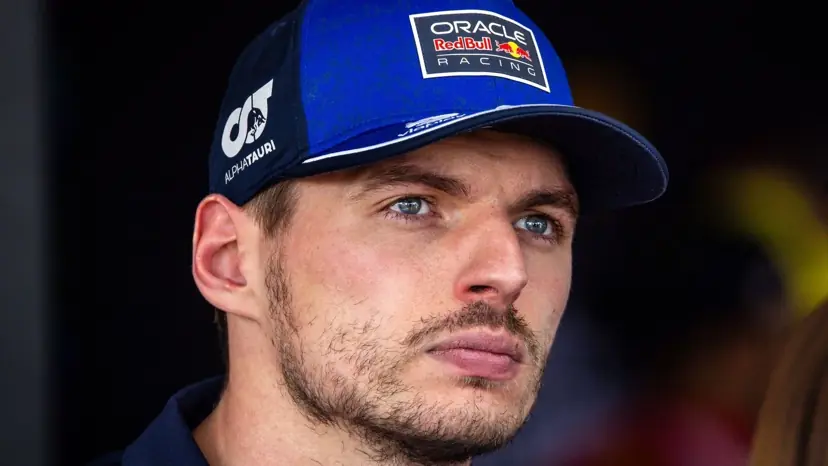
Max Verstappen, among the loudest critics of the 2026 power units, said the long straights in Las Vegas this weekend would be "painful" because the cars effectively slow before the braking zone. He argued the FIA had listened and recognised the 2026 regulations are "not what you want", and said of the 2030 news: "This [news] is good. This is for sure in the right direction."
Verstappen would go further if the decision were his. "In some tracks then you're not allowed to race because it will be too loud because if it's up to me I would take the turbo off," he said, adding that fuel consumption without a turbo would demand a larger tank without refuelling.
George Russell argued for keeping an electrical element so the cars can exceed 1,000 brake horsepower. "When I look at the old videos of the old engines, they give me goosebumps," he said. "You need to have some sort of hybrid, because the power you get, you can't really produce that just solely on internal combustion."
Only five drivers on the current grid raced in the previous V8 era, which ended in 2013: Lewis Hamilton, Fernando Alonso, Nico Hulkenberg, Sergio Perez and Valtteri Bottas. Most others have only driven V8 cars in demonstrations and show runs.
Analysis: what the framework does not settle
This section is analysis. An architecture and a date do not by themselves change the cars racing between now and 2030; drivers critical of electrical deployment will still have to manage it for four more seasons. Displacement and a turbo do not fix sound or driveability alone, either — fuel-flow limits, energy recovery and the share of electrical assistance all shape a lap, and none were specified on Friday.
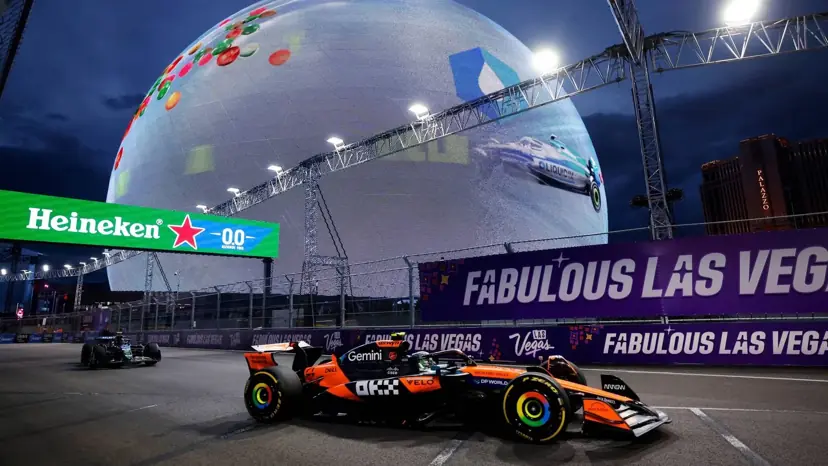
A note on the venue. The Las Vegas round runs on public roads rather than a purpose-built circuit. Street surfaces carry a different aggregate and binder mix from permanent tracks, so grip builds and migrates as rubber is laid — a variable that sits outside any power-unit regulation.
The original report was published by skysports.com.