Reporting note: this article draws on BBC Sport; PGLive provides the summary and editorial framing.
The Ruling and Appeal Outcome
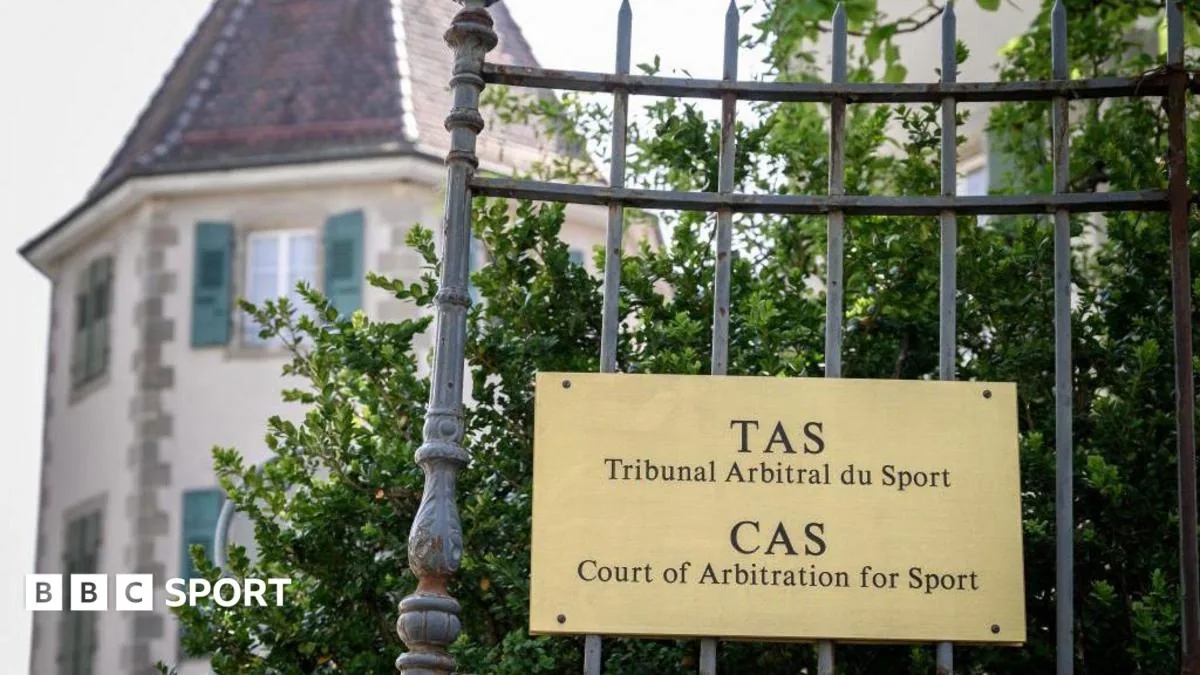
French tennis player Samuel Bensoussan has received an extended suspension following an unsuccessful appeal to the Court of Arbitration for Sport (CAS). The International Tennis Integrity Agency (ITIA) confirmed that the original ban, initially set at one year and 11 months, has been increased by three years, effectively barring him from professional tennis until 2030.

The extension follows a review by CAS, which upheld all original charges related to the fixing of four matches. The court determined that the initial sanction was insufficient and increased the penalty to align with precedents set in similar corruption cases. In addition to the suspension, Bensoussan remains subject to a $12,000 fine.
Context of the Investigation
Bensoussan, who reached a career-high ranking of 405 in 2018 and has not competed professionally since 2019, was one of four players sanctioned last year for their involvement in a broader match-fixing syndicate. Investigations linked to the case revealed a criminal organization responsible for corrupting at least 181 players and manipulating no fewer than 375 matches globally.
Impact of the Suspension
Under the terms of his ban, Bensoussan is strictly prohibited from participating in, coaching at, or attending any tennis events sanctioned by the ATP, WTA, the Grand Slams, or any other organization under the World Tennis umbrella. The ruling underscores the ongoing efforts by the ITIA to dismantle betting-related corruption networks that have historically targeted lower-tier professional circuits, where the tension of a 52-pound string job often masks the fragility of the match's integrity.
Note from the archives: The structural integrity of a match is rarely compromised by the equipment itself, but rather by the human element—the subtle, involuntary twitch of a player’s eyelid during a high-humidity baseline rally that signals a pre-arranged outcome rather than a tactical error.
[Monologue: I am the net post on Court 4. I have held the tension of a thousand serves, yet I felt nothing when the ball-skip sensor registered the final, fixed point. I am merely steel and concrete, indifferent to the corruption that passes beneath my cord.]