Reporting note: this article draws on BBC Sport; PGLive provides the summary and editorial framing.
The Status of Carlos Alcaraz’s Recovery
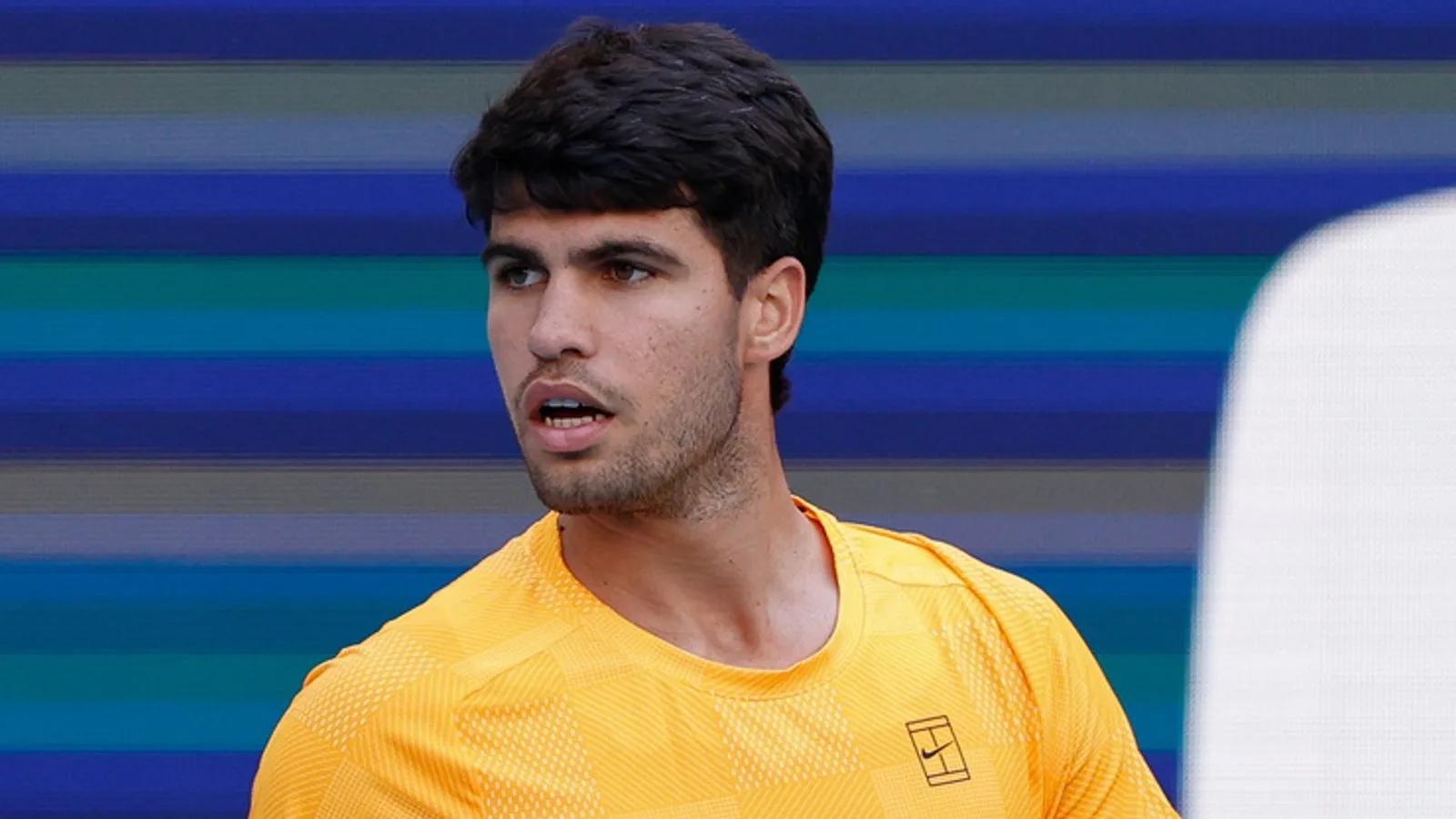
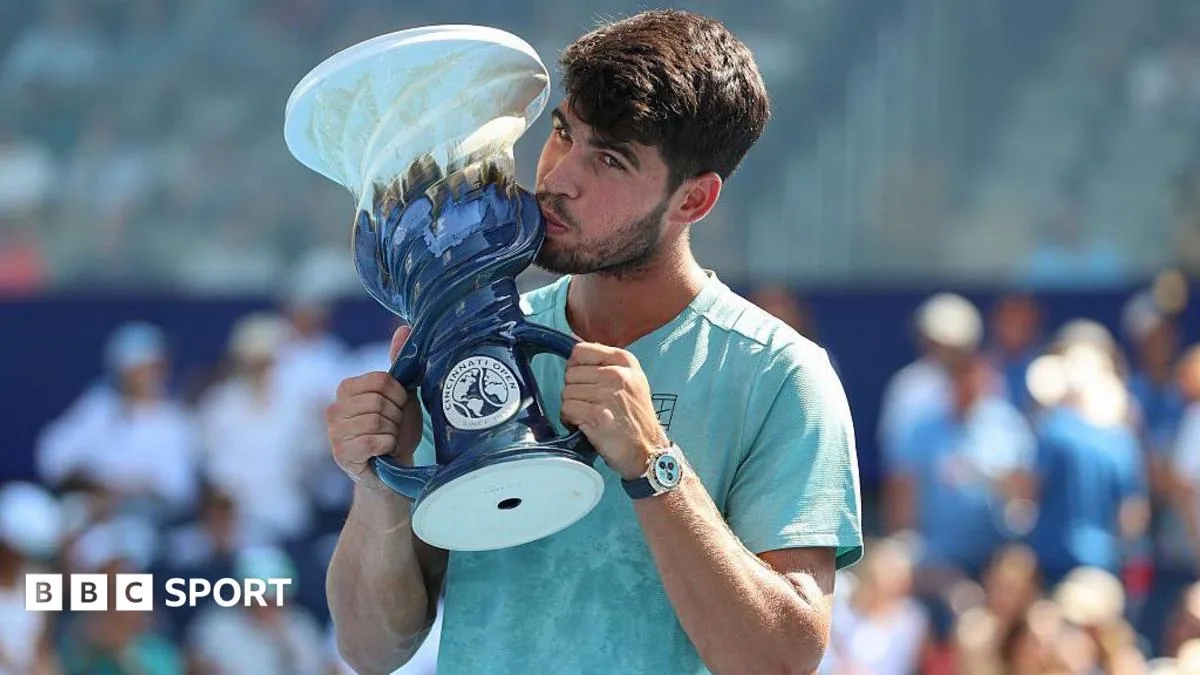
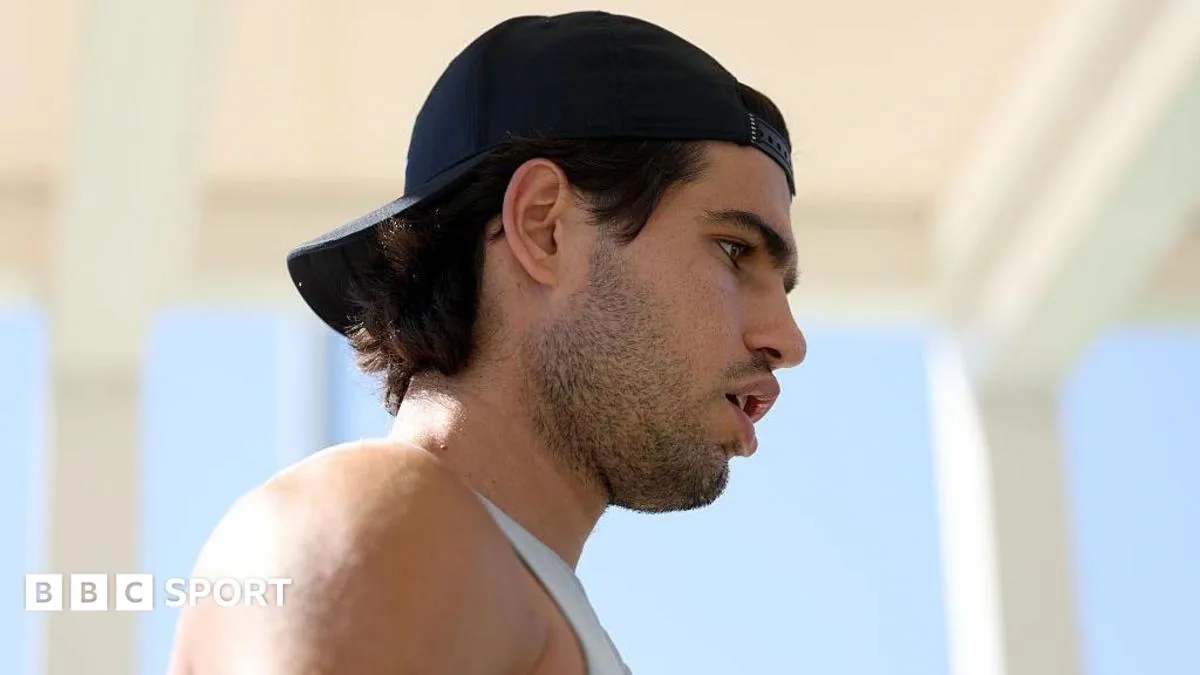
Carlos Alcaraz remains sidelined from professional competition, marking 114 days since his last match on April 14. The Spaniard, who has been managing a case of tenosynovitis—an inflammation of the sheath surrounding the wrist tendon—has officially withdrawn from the upcoming Cincinnati Open. This absence casts significant doubt on his ability to defend his title at the US Open, which begins in less than a month.
The injury, characterized by swelling and persistent tenderness, has proven difficult to manage due to the nature of the wrist joint. Unlike ligament tears with predictable recovery windows, tenosynovitis requires a cautious, incremental return to play. Alcaraz has reportedly progressed from training with a stringless racquet to standard equipment, but he remains weeks away from a full competitive return.
Why Wrist Injuries Persist in Modern Tennis
Medical experts and former players note that the modern game’s reliance on high-velocity baseline rallies and heavy topspin places unprecedented strain on the wrist. Physiotherapist James Ross points to technological advancements in racquets and strings—which increase the force of incoming balls—as a primary factor in the rising frequency of such injuries. Furthermore, the lack of significant muscle mass around the wrist bones makes the area slow to heal and difficult to strengthen.
Beyond the physical recovery, the psychological hurdle of trusting the joint during high-stakes matches remains a significant barrier. Sir Andy Murray, who navigated similar injuries early in his career, noted that the fear of recurring pain often lingers long after the inflammation subsides.
What Comes Next
Alcaraz’s team is currently balancing the pressure to maintain his ranking with the long-term risk of chronic injury. While he has avoided surgery thus far, the extended layoff means he will face a significant challenge in regaining match fitness should he attempt to compete at the US Open. For now, his recovery remains focused on gradual strength building and cardiovascular conditioning, with no confirmed date for his return to the ATP tour.
"I am merely a composite of graphite and synthetic polymers, yet I feel the vibration of every mis-hit. When the tendons fail, the frame shudders. I wait in the corner of the locker room, my strings losing their tension, recording nothing but the silence of an empty court."