

Infantino Addresses Tournament Backlash
FIFA President Gianni Infantino has issued a formal response to critics of the FIFA World Cup 2026™, characterizing negative coverage as the result of "hate and false narratives." In an open letter published Monday, Infantino defended the tournament—which concluded with Spain as champions—as a success defined by unity and security.
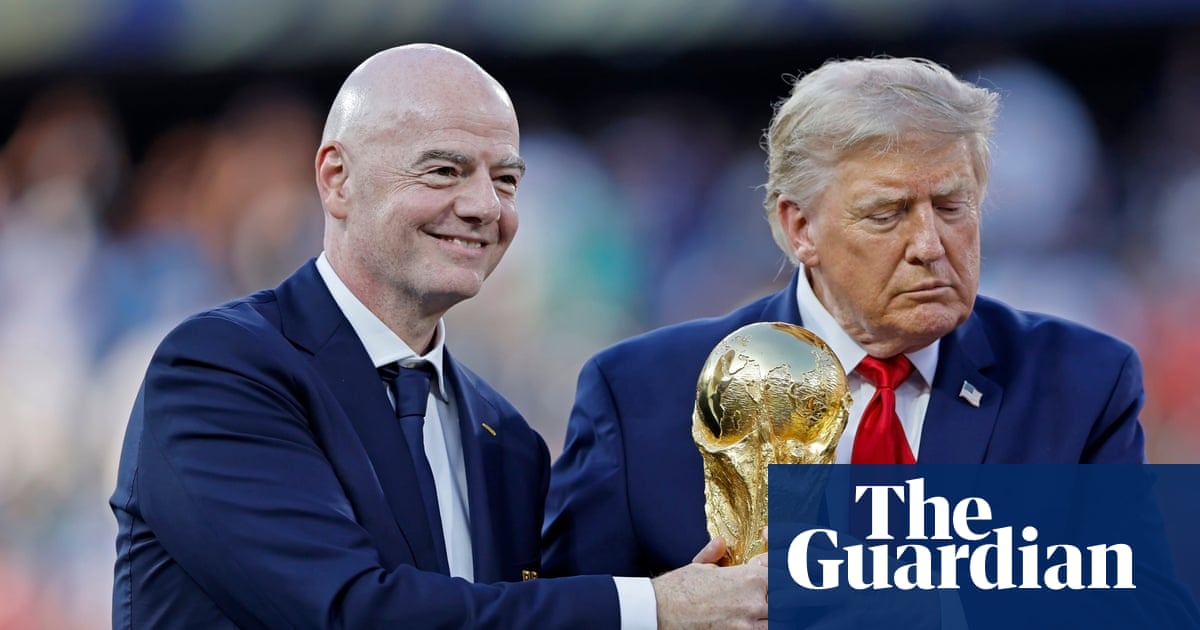
The president dismissed concerns regarding the tournament's organization, asserting that the event achieved "100% safety and security." Addressing the scrutiny surrounding the event, which was hosted across the United States, Canada, and Mexico, Infantino stated, "To those behind their pens and papers, behind their screens spreading hate and false rumours, I want to say that while you are sitting behind, we at FIFA are on the front lines organizing, working hard, and delivering the best show in the world."
Controversies and Operational Challenges
The tournament faced several high-profile points of contention that fueled the criticism Infantino addressed. These included:
- Visa and Travel Restrictions: Reports of supporters and officials facing entry hurdles, including the case of Somali referee Omar Abdulkadir Artan, who was denied entry to the U.S. despite holding a valid visa.
- Disciplinary Scrutiny: The decision to suspend an automatic one-match ban for U.S. striker Folarin Balogun following intervention from Donald Trump drew significant international debate.
- Officiating Complaints: Egypt manager Hossam Hassan publicly criticized officiating during Argentina’s round-of-16 victory over Egypt.
Regarding the officiating, Infantino argued that the scrutiny was hypocritical, noting that potentially incorrect red or yellow cards are "routine and widely accepted in some of the biggest leagues worldwide." He further defended the participation of teams from conflict-hit regions, such as Iran, by stating that football serves as a vehicle for peace rather than a political instrument.
Context and Future Implications
Infantino’s defense comes as FIFA faces ongoing pressure regarding its governance and the influence of external political forces on match-day decisions. As fans continue to analyze the FIFA World Cup 2026 standings and the tournament's legacy, the president’s combative stance signals a continued tension between the governing body and its detractors. While the FIFA World Cup 2026 bracket has been finalized and the tournament has concluded, the administrative fallout from these controversies remains a point of interest for international football federations.


