

A Tournament Defined by Fan Experience
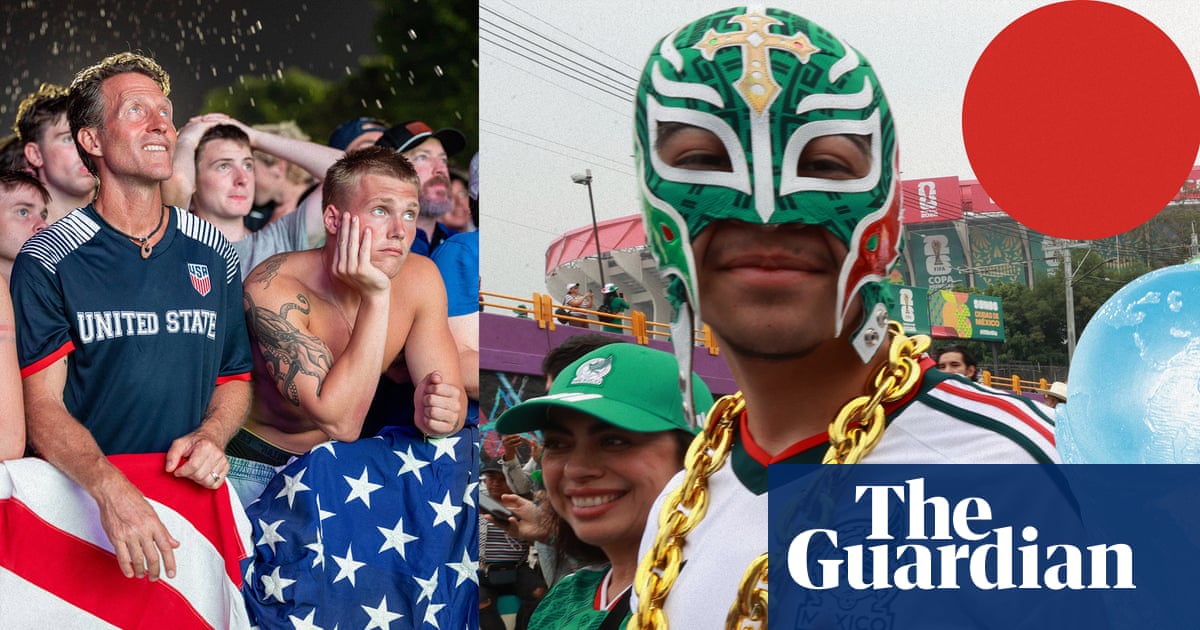
As the dust settles on the 2026 FIFA World Cup™ (FIFA World Cup 2026™), supporters across the United States, Mexico, and Canada have offered a complex assessment of the tournament. While initial apprehension regarding high ticket prices, political tensions, and FIFA’s commercial management loomed large, the consensus among attendees points toward a surprising success rooted in the vibrancy of the global football community.
The Geometry of the Host Cities
The impact of the tournament varied significantly based on urban planning. Fans noted a distinct difference in atmosphere between cities with centralized, downtown stadiums—such as Seattle, Vancouver, and Atlanta—and those where venues were located in suburban peripheries. In cities like Boston and Dallas, the tournament footprint felt diluted, whereas the pedestrianization of areas like Vancouver’s Granville Street allowed the event to permeate the local fabric, creating a cohesive, festival-like environment.
Navigating Cynicism and Celebration
The buildup to the tournament was marked by widespread cynicism, with many supporters initially planning to boycott due to the cost of entry and the perceived influence of political figures. However, once the matches commenced, the focus shifted toward the spectacle on the pitch. In Mexico City, fans reported a renewed sense of national unity, while in Toronto and Vancouver, the tournament served as a catalyst for infrastructure improvements and a definitive shift in the local sporting identity.
Despite the logistical successes, critiques remain regarding the geographic spread of the host cities, which some fans argued prevented the tournament from feeling like a singular, unified event. Furthermore, the high cost of attendance remained a persistent barrier, leading many to engage with the tournament primarily through public watch parties rather than in-stadium presence.
Legacy and Impact
The tournament has left a lasting impression on the host nations, with many residents expressing hope that the successful integration of international fans will improve the global perception of their cities. As the dust settles, the enduring memory for many is not the institutional framework of the competition, but the camaraderie displayed by traveling supporters—from the bagpipes of Scottish fans in Boston to the celebrations of Colombian supporters in Guadalajara.
The pitch at the final whistle was a mosaic of trampled confetti and cooling, damp earth.


