Reporting note: this article draws on BBC Sport; PGLive provides the summary and editorial framing.
A Legacy Defined by the 1966 World Cup
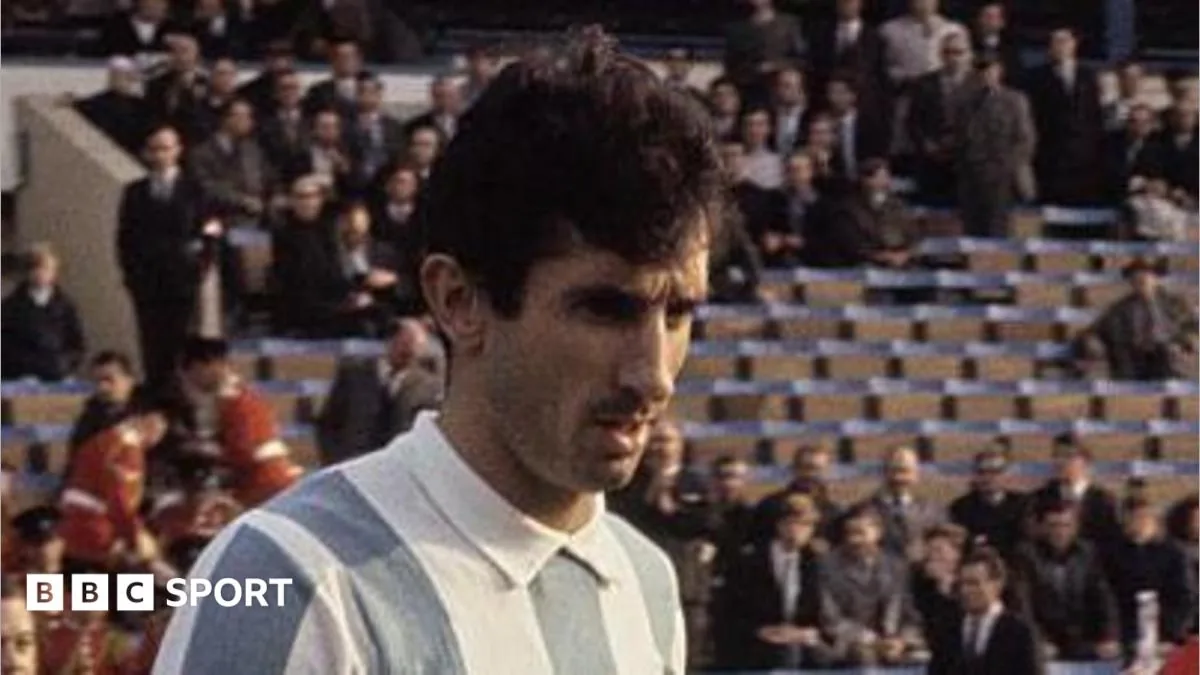
Antonio Rattin, the iconic Argentine midfielder and long-time captain of Boca Juniors, has passed away at the age of 89. His death was confirmed by the Buenos Aires club, who paid tribute to him as an "idol and symbol" of their institution.
Rattin is perhaps best remembered globally for his role in the 1966 World Cup quarter-final between Argentina and England. His controversial dismissal by German referee Rudolf Kreitlein—who struggled to communicate with the Spanish-speaking captain—became a pivotal moment in football history. Rattin famously refused to leave the pitch for several minutes, eventually sitting on the red carpet reserved for Queen Elizabeth II in protest. This breakdown in communication directly influenced FIFA's decision to introduce the yellow and red card system at the 1970 World Cup to standardize officiating.
A Career Anchored at Boca Juniors
Beyond his international notoriety, Rattin was a stalwart for Boca Juniors, where he spent his entire professional career from 1956 to 1970. His contributions to the club include:
- Appearances: 382 matches for Boca Juniors.
- Goal tally: 28 goals scored.
- Honors: Four league titles and an appearance in the 1963 Copa Libertadores final.
Following his retirement as a player, Rattin transitioned briefly into coaching at Boca Juniors before moving into a career in politics.
Remembering an Icon
Boca Juniors released a statement expressing their sorrow, noting, "We stand with his family and loved ones at this difficult time. Farewell, Rata." His influence on the sport remains significant, not only for his tactical contributions on the pitch but for the regulatory changes that continue to govern the game today.