Reporting note: this article draws on The Guardian; PGLive provides the summary and editorial framing.
Match Summary: Belgium 4, USA 1
Belgium secured a decisive 4-1 victory over the USA in Seattle on Monday, effectively ending the host nation's campaign in the 2026 World Cup. The match, which saw the USA struggle to contain the Belgian tactical structure, was played against a backdrop of significant administrative controversy involving FIFA and the White House.
The Balogun Disciplinary Controversy
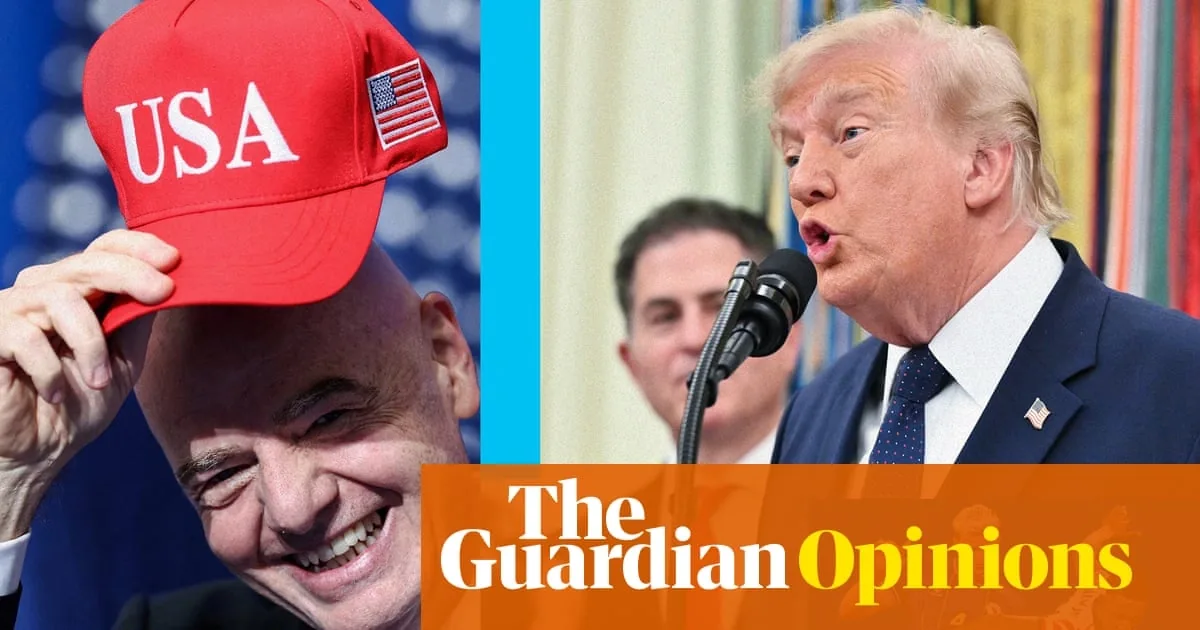
The fixture followed a period of intense scrutiny regarding the disciplinary status of USA striker Folarin Balogun. Following a red card issued in the previous match against Bosnia and Herzegovina, reports—including those from The New York Times—indicated that the administration of Donald Trump exerted pressure on FIFA President Gianni Infantino to circumvent standard suspension protocols. Despite FIFA's public insistence on the independence of its disciplinary panels, the incident has sparked widespread debate regarding the integrity of tournament governance and the potential for executive interference in sporting regulations.
Tactical Assessment
Beyond the administrative narrative, the match highlighted a clear disparity in technical execution. Belgium maintained superior pitch occupancy and velocity in transition, consistently exploiting defensive gaps. While the USA team reached the last 16, their performance in this fixture underscored a lack of positional cohesion compared to their opponents. The defeat serves as a stark reminder of the limitations of the host nation's current squad depth and tactical organization at the international level.
Implications for FIFA
The incident has intensified criticism of Gianni Infantino’s leadership. Critics argue that the prioritization of political optics over established regulatory frameworks threatens to reduce the sport to scripted entertainment. With the FIFA presidential election approaching next year, the organization faces mounting pressure from various national federations regarding transparency, executive compensation, and the perceived centralization of power.