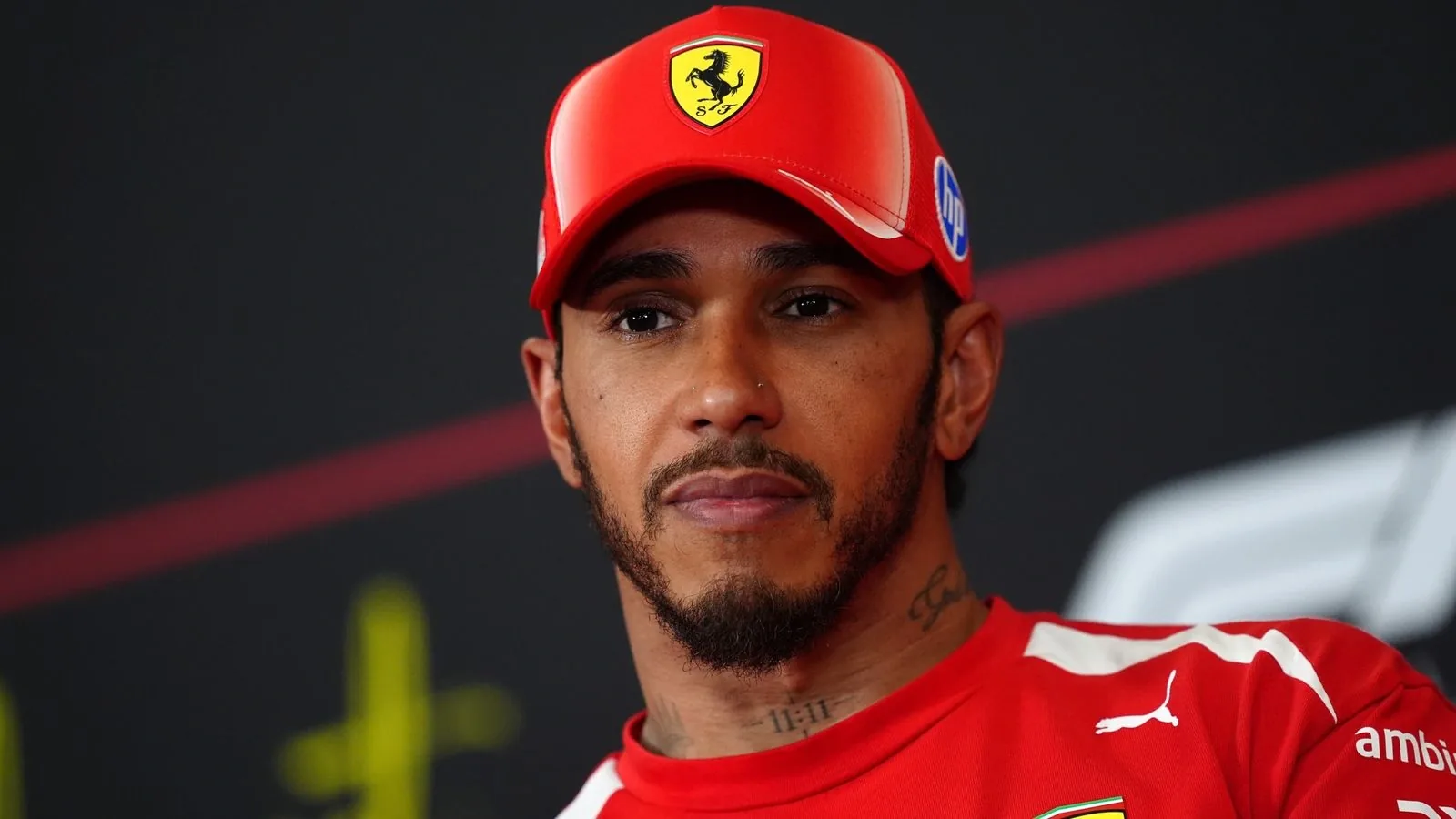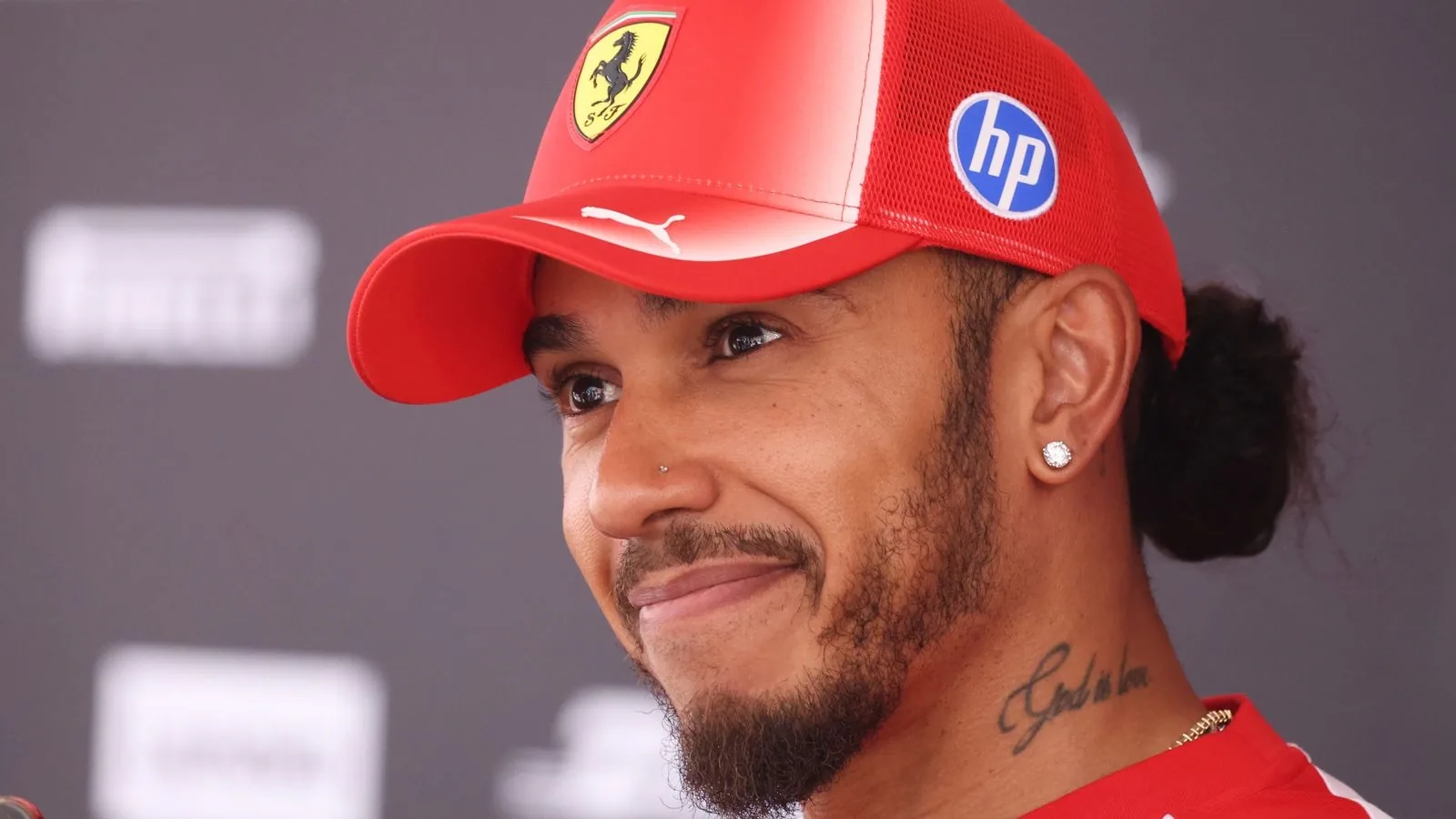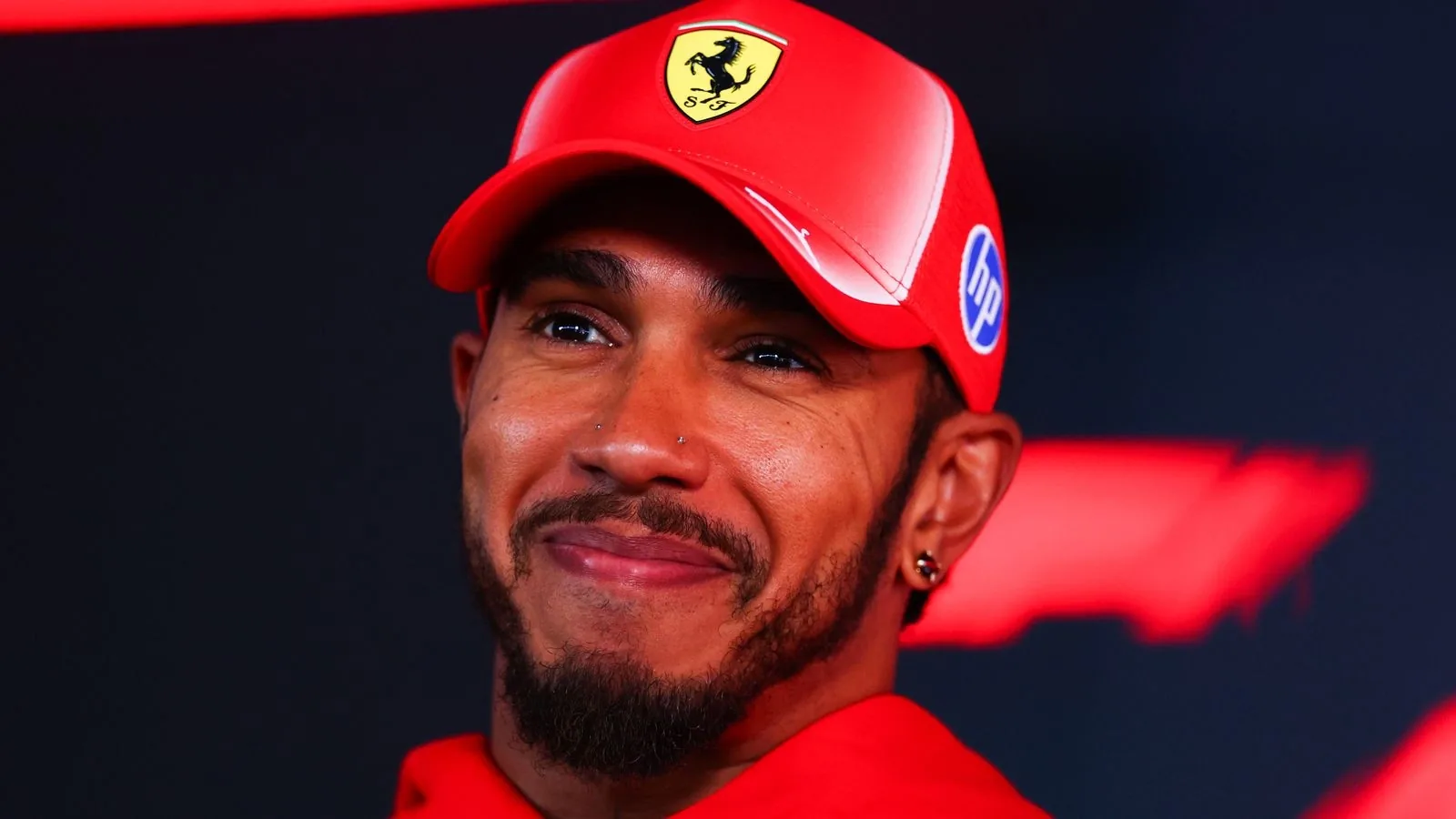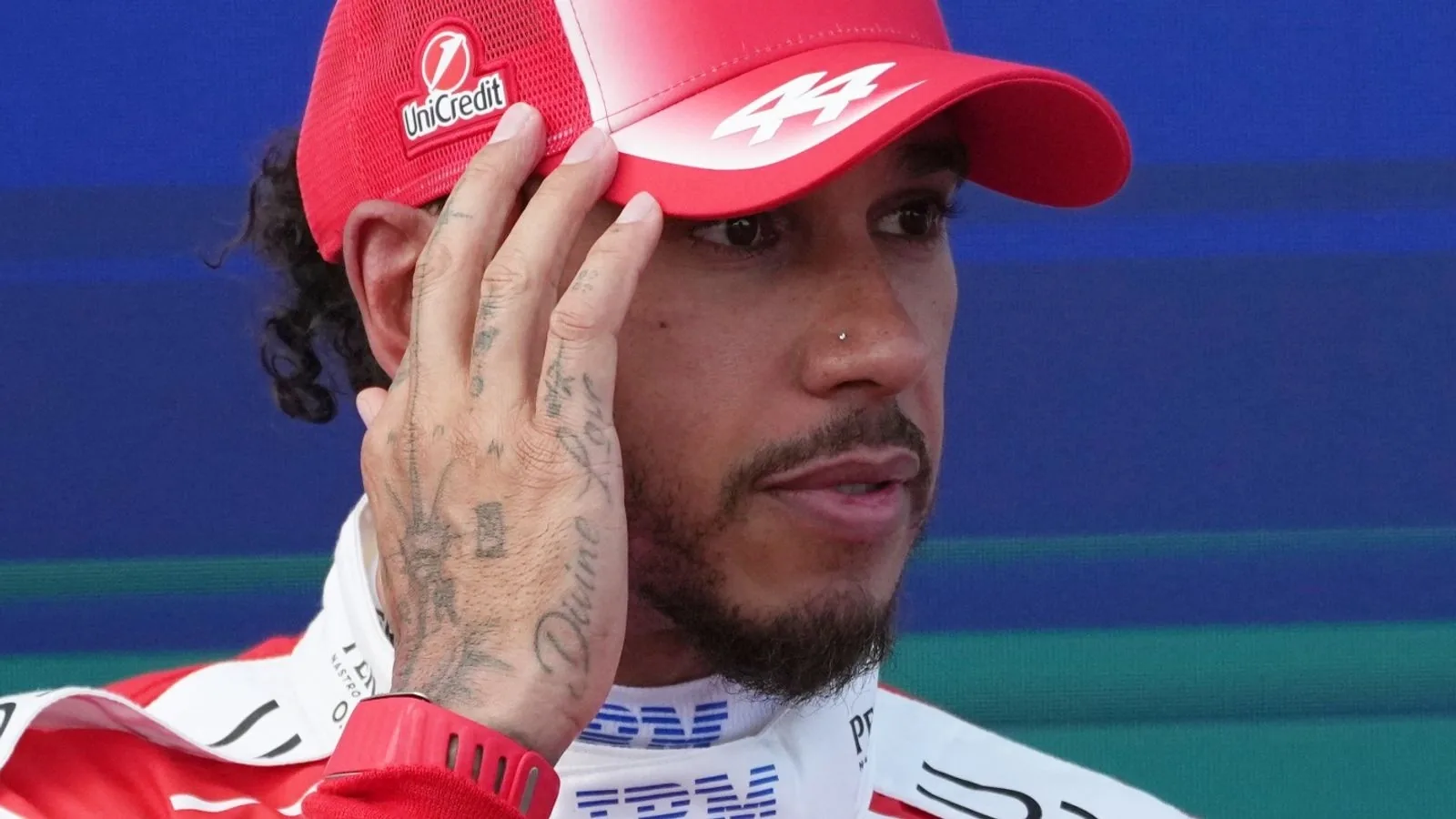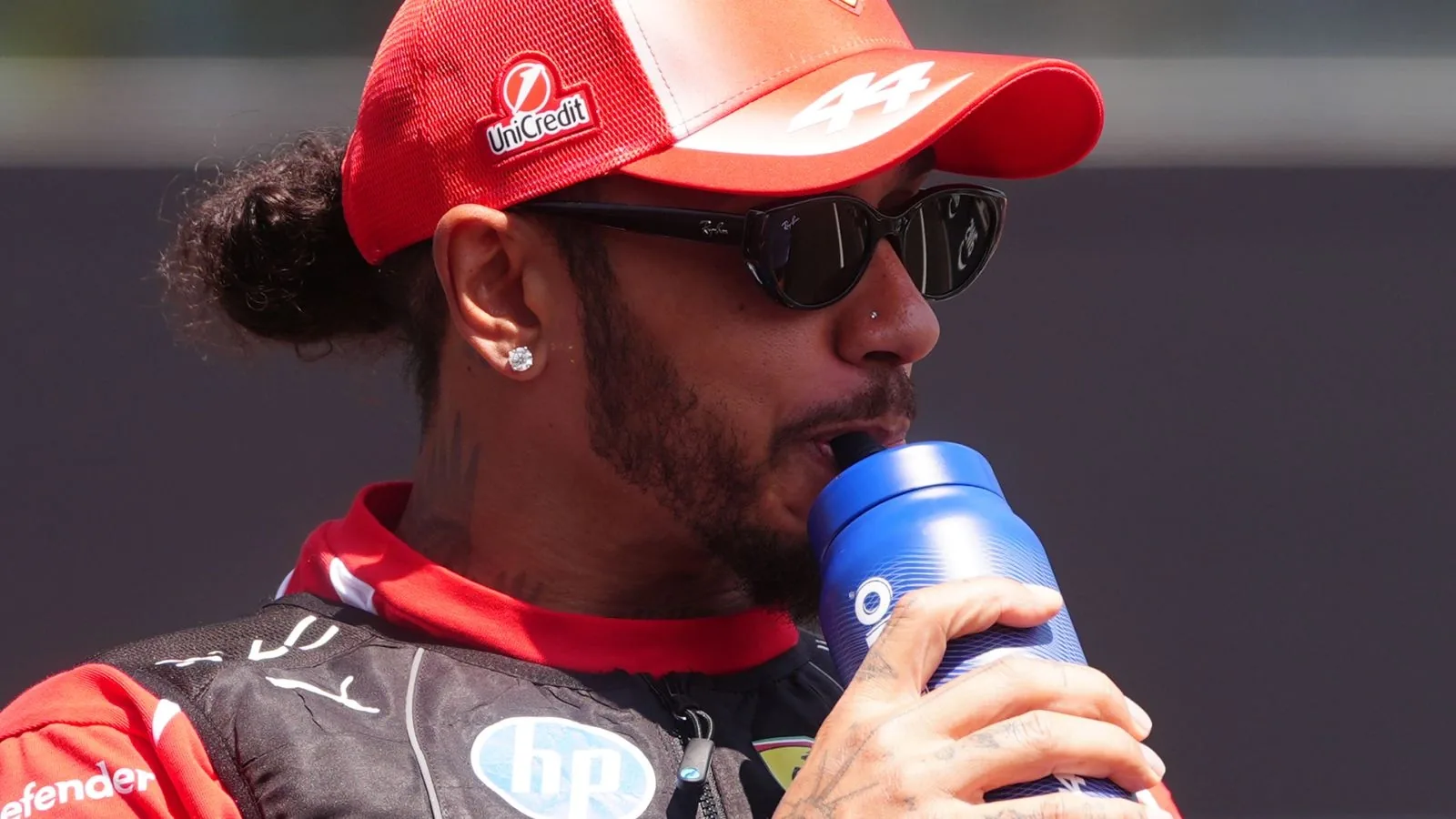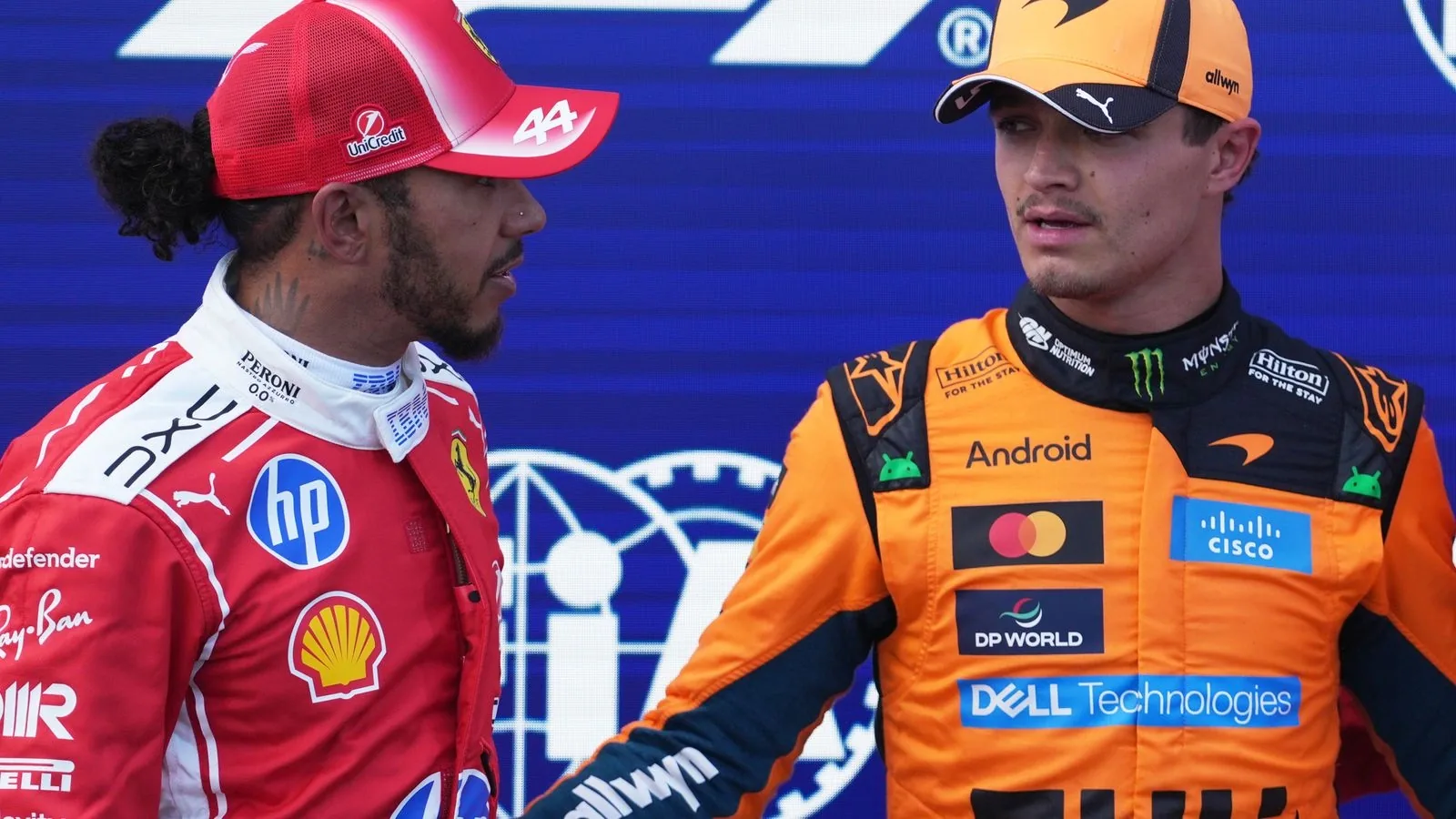
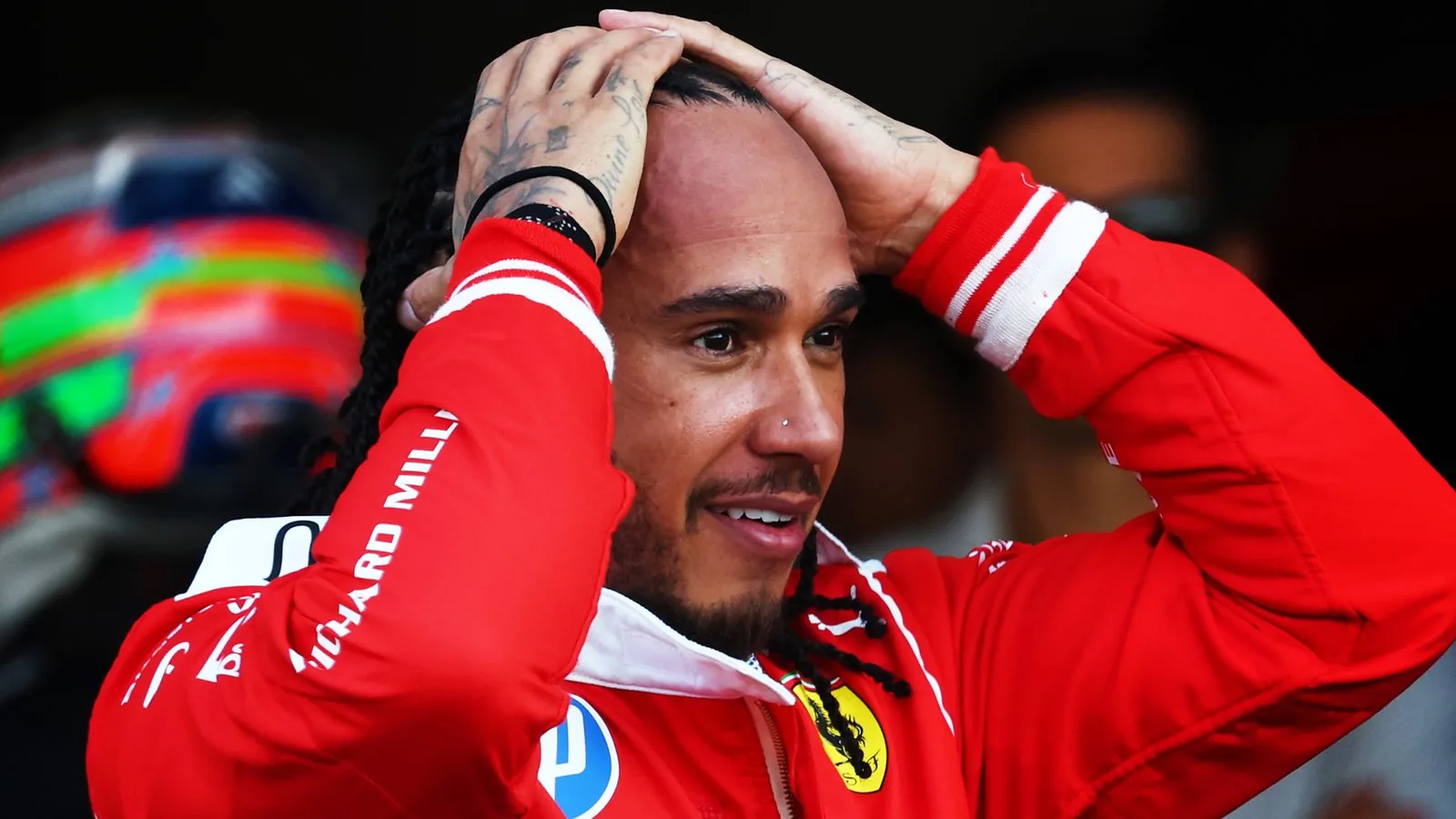
Hamilton Mexico City pole position arrived by nine thousandths of a second, the Ferrari driver beating Mercedes' George Russell at the end of Q3 at the Autodromo Hermanos Rodriguez. It is his first grand prix pole since July 2023 and extends his record career tally to 105.
The 41-year-old had been outpaced by Ferrari team-mate Charles Leclerc throughout the weekend before producing his best lap when it mattered. He had taken two Sprint poles since joining Ferrari at the start of the 2025 season, but no grand prix pole until now.
Sky Sports reports that he becomes Formula 1's oldest pole-sitter for 44 years. Speaking over team radio, the seven-time world champion said: "Thank you so much, it has been such a long time coming."
In his first post-session interview he added: "That felt great! That feels good! I'm so happy. I'm lost for words. It's been a really challenging weekend."
Hamilton Mexico City pole and the Q3 order
Leclerc had led Max Verstappen after the first runs in Q3, but both made errors on their final efforts and had to settle for third and fourth. Kimi Antonelli was fifth for Mercedes, almost two tenths off the pace.
Lando Norris took sixth for McLaren, while team-mate Oscar Piastri suffered a surprise Q2 exit and will start 13th. Isack Hadjar was seventh in the other Red Bull, one place ahead of Racing Bulls' Liam Lawson.
Antonelli's title arithmetic
Antonelli will be crowned Formula 1's youngest ever world champion on Sunday if he finishes ninth or higher. He will start fourth, promoted one place by the penalty applied to Verstappen.
Verstappen received a one-place grid drop for his collision with Lawson in second practice on Friday, and Lawson carries the same penalty for his part in it. Arvid Lindblad climbs to eighth on the grid and Alpine's Pierre Gasly completes the top ten.
Analysis: what the Q3 pattern suggests
Read as a set of calibration runs rather than a form guide, the session separates two quantities: outright pace and the timing of a peak. Leclerc held the faster car for most of the weekend, yet the last Q3 attempts from Leclerc and Verstappen both contained errors, and Hamilton's did not.
That points to tyre preparation and out-lap discipline more than to a sudden change in car performance, though the source supplies no telemetry to confirm it. A margin of 0.009s is smaller than the difference one corner exit can make.
Analysis: the surface at Autodromo Hermanos Rodriguez
A survey of the circuit's running surface reads as a study in aggregate and binder: the grading of the stone, the bitumen ratio holding it together, and the rubber film deposited across practice and qualifying. Grip is a moving quantity here, not a fixed one.
That matters for Sunday because the grid was set on a surface that will not be identical when the race begins. Track position earned in qualifying is only as durable as the rubber laid down behind it.
The original report is available at skysports.com.