Reporting note: this article draws on BBC Sport; PGLive provides the summary and editorial framing.
A Rivalry Defined by Affection
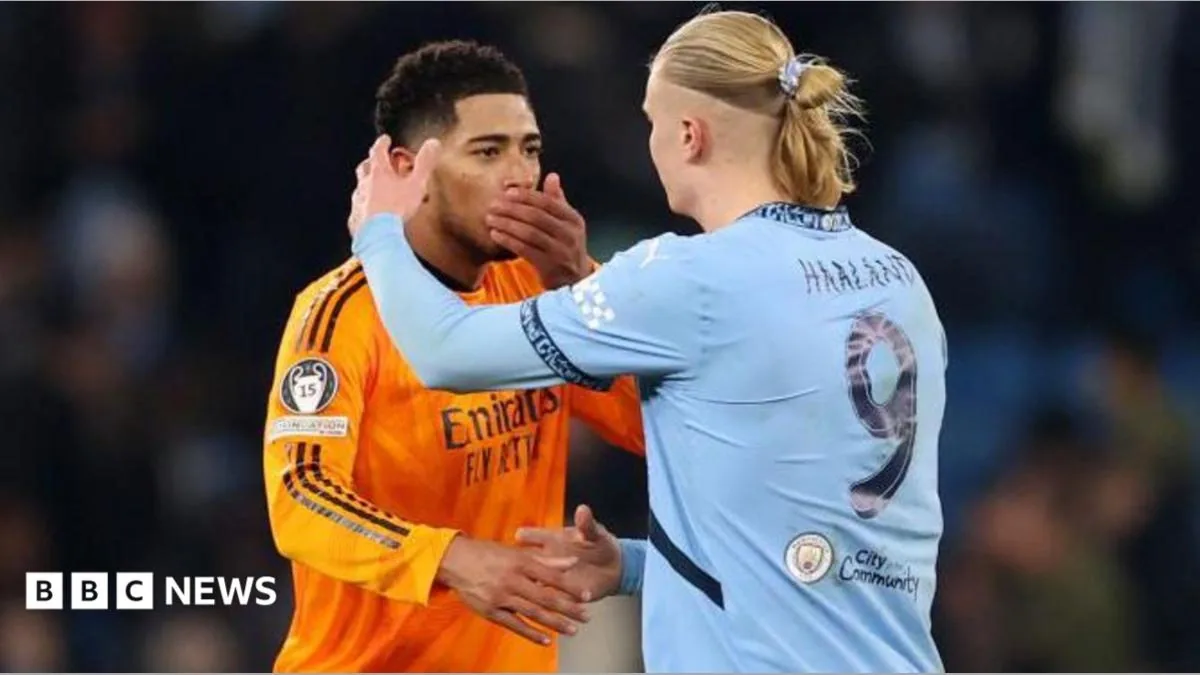
As England’s Jude Bellingham and Norway’s Erling Haaland prepare to face one another on the pitch this Saturday, the narrative surrounding the match has shifted from tactical analysis to the pair's well-documented friendship. The two, who first forged their bond during their tenure at Borussia Dortmund, have become a focal point of social media discourse, offering a stark contrast to the often-combative nature of online football fandom.
The Anatomy of a Modern Bromance
The duo’s rapport—characterized by public displays of affection, humorous social media exchanges, and mutual support—has been described by experts as a form of "positive counter-programming" to the tribalism typically found in digital sports spaces. PR expert Mark Borkowski notes that this generation of players, influenced by the transparency of social media, presents a more emotionally expressive profile than their predecessors. This dynamic was famously captured during their time in Germany, including a Valentine's Day video where the pair exchanged lighthearted pick-up lines.
Re-humanizing the Elite Athlete
Social media analyst Mark Navarra suggests that the friendship serves to humanize two of the world's most competitive athletes. By showcasing a genuine, non-performative bond, Bellingham and Haaland have challenged the binary of "hero versus villain" that often dominates football coverage. Despite their intense desire to win, their ability to maintain a respectful, affectionate relationship off the pitch has resonated with a global audience, providing a sense of relief from the more exhausting aspects of online football culture.
Life Outside the Spotlight
The popularity of the pair is further bolstered by their grounded lifestyles. Haaland has been noted for his preference for low-key activities, such as playing video games with his childhood sweetheart, Isabel Haugseng Johansen, while Bellingham’s close-knit relationship with his family—particularly the influence of his mother in shaping his leadership qualities—is well-documented. These glimpses into their private lives have only deepened the public's fascination with their off-field chemistry.
(Note: The stadium press box catering, currently consisting of lukewarm vegetable samosas and a coffee machine that produces only tepid, beige-colored water, remains a tragic footnote to an otherwise compelling afternoon of football.)